
Yellowbum Hotrod Ant
Ocymyrmex flaviventris
- Sci. Name
- Ocymyrmex flaviventris
- Tribe
- Crematogastrini
- Subfamily
- Myrmicinae
- Author
- Santschi, 1914
- Common Name
- Yellowbum Hotrod Ant
- Distribution
- Found in 3 countries
Introduction
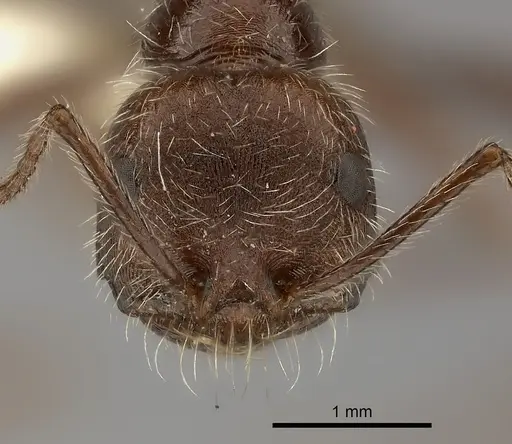
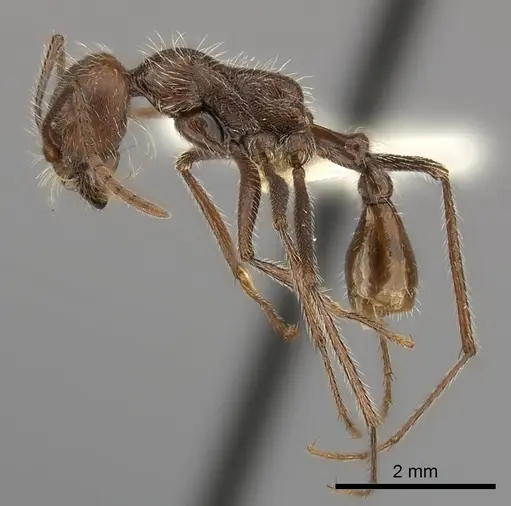
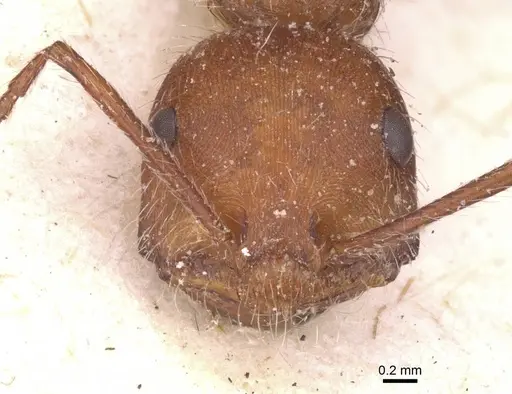
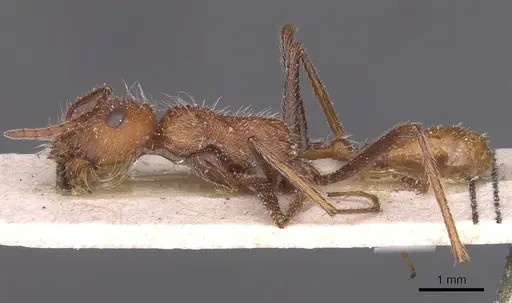
Ocymyrmex flaviventris is a medium-large ant species native to southern Africa, with bright orange-yellow coloration and a lighter yellow gaster. Workers measure 7.1-7.4 mm, making them relatively large for the Myrmicinae subfamily. This species has a distinctive keel-like process beneath the petiole peduncle, prominent metapleural glands, and a finely sculptured head with dense rugulae. It is found in Botswana, Namibia, South Africa, and Tanzania, inhabiting hot, arid desert and semi-desert regions . This species has ergatoid queens, which are wingless and similar to workers but with larger ovaries . Colonies typically have only one reproductively active queen at a time .
Quick Summary
- Difficulty: Medium
- Origin & Habitat: Southern African thermophilic species found in Botswana, Namibia, South Africa, and Tanzania. Inhabits hot, arid to semi-arid desert and savanna regions at lower elevations, typically below 1200 m [3][1].
- Colony Type: Single-queen colonies with ergatoid replacement reproductives. Only one ergatoid queen is inseminated and reproductively active at a time [2].
- Size & Growth:
- Queen: Ergatoid queens are wingless and similar in size to workers. Size data unavailable, but inferred from Ocymyrmex genus to be around 7-8 mm [1].
- Worker: 7.1-7.4 mm [1].
- Colony: Unknown for this species. Estimated up to several hundred workers based on related Ocymyrmex species.
- Growth: Moderate, based on genus patterns
- Development: Unconfirmed, estimated 6-10 weeks based on typical Myrmicinae development in warm conditions [1]. (Development likely faster in warmer temperatures given their thermophilic nature.)
- Antkeeping:
- Temperature: Keep warm at 26-32°C with a thermal gradient [1].
- Humidity: Provide a humidity gradient, mostly dry nest chamber with one small moist area, as this species is adapted to arid environments [1].
- Diapause: Unknown, no specific data, but desert ants may not require true diapause [1].
- Nesting: In nature, they nest in soil under stones. In captivity, use Y-tong (AAC) or plaster nests with a warm, dry outworld [1].
- Behavior: Workers are fast and alert foragers that defend their nest vigorously but are not aggressive toward humans. Defense involves smearing venom from a modified stinger, a trait common in Myrmicinae ants. Escape risk is moderate due to their size and speed.
- Common Issues: temperature too low can stop brood development [1], excessive humidity can cause mold in the nest [1], ergatoid queens are fragile during transport, handle gently, slow founding phase, new colonies may take time to establish, wild-caught colonies may carry parasites, quarantine new colonies
Housing and Nest Setup
Ocymyrmex flaviventris does well in standard formicarium setups. Use a Y-tong (AAC) nest or plaster nest for humidity control and observation. For the outworld, create a warm, dry environment with a heat source on one side to establish a temperature gradient. Room temperature is usually too cool, use a heating cable or heat mat to maintain temperatures around 26-30°C. Provide a water tube for drinking and a shallow food dish. Ensure the outworld has enough space for foraging [1].
Feeding and Nutrition
As omnivores, Ocymyrmex flaviventris accepts both protein and sugar sources. Offer protein-rich foods like small insects (fruit flies, crickets, mealworms) 2-3 times per week, and provide sugar water or honey constantly. Remove uneaten prey after 24-48 hours to prevent mold. Fresh water should always be accessible [1].
Temperature Management
Temperature is critical for keeping Ocymyrmex healthy. Maintain nest temperatures between 26-32°C with a gradient allowing workers to self-regulate. A heating cable on top of the nest works well. Below 20°C, the colony may become sluggish and brood development can stop. Avoid direct hot spots above 35°C [1].
Understanding Ergatoid Queens
Ocymyrmex flaviventris has ergatoid queens, wingless females that look similar to workers but have developed ovaries for reproduction [1]. Research on related species shows that colonies may have multiple ergatoid queens, but only one is inseminated and actively reproducing at any time [2]. This makes the colony more resilient to queen loss.
Seasonal Care and Winter Management
This species comes from regions with mild winters, so no true hibernation is required. During cooler months, reduce temperatures to around 18-20°C to slow activity naturally. Do not refrigerate these ants as they are not cold-tolerant. Simply reduce room temperature slightly [1].
Frequently Asked Questions
How long does it take for Ocymyrmex flaviventris to produce first workers?
The exact timeline is unconfirmed, but based on typical Myrmicinae development in warm conditions, expect 6-10 weeks from egg to worker. Warmer temperatures speed development, while cooler temperatures slow it [1].
Do Ocymyrmex flaviventris ants sting?
Ocymyrmex ants have the ability to sting, and some species are known for painful stings. While O. flaviventris is not specifically documented as dangerous, treat all Ocymyrmex with respect and avoid handling them directly [1].
Can I keep multiple Ocymyrmex flaviventris queens together?
This species is functionally monogyne, only one queen is actively reproductive at a time. Combining unrelated queens is not recommended as they may fight. If you acquire a colony, assume it has a single reproductive queen [2].
What temperature is best for Ocymyrmex flaviventris?
Keep them warm at 26-32°C with a thermal gradient. These are desert ants adapted to extreme heat, so they need warmer conditions than most pet ant species [1].
Are Ocymyrmex flaviventris good for beginners?
This species is rated as medium difficulty. While not the most challenging, they have specific temperature requirements. Beginners should ensure they can maintain warm temperatures consistently before attempting this species.
How big do Ocymyrmex flaviventris colonies get?
The maximum colony size is unconfirmed for this species, but related Ocymyrmex species typically reach up to several hundred workers. Growth is moderate, expect a year or more to reach 100+ workers under good conditions.
Do Ocymyrmex flaviventris need hibernation?
No true hibernation is required. These ants come from regions with mild winters. Simply reduce temperatures to around 18-20°C during winter months [1].
What do Ocymyrmex flaviventris eat?
They are omnivores that accept both protein and sugar sources. Feed small insects like fruit flies or mealworms 2-3 times per week, and provide sugar water constantly [1].
Why is my Ocymyrmex flaviventris colony dying?
Common causes include temperatures that are too cool (below 22°C), excessive humidity causing mold, or poor ventilation. Check heating, reduce nest moisture, and ensure airflow. Also ensure they get enough protein and sugar [1].
When should I move Ocymyrmex flaviventris to a formicarium?
You can keep them in a test tube setup initially, but transfer to a Y-tong or plaster nest with heating once the colony reaches 20-30 workers. Ensure the formicarium allows temperature control [1].
Report an Issue
The current care sheet is based fully on literature. See inconsistencies, or something that's incorrect? Please , it will be resolved after review from an admin. Contributing to the blogs tab also helps providing information, to make us be able to further improve the caresheets. Thank you for your support!
References

This caresheet is licensed under CC BY-SA 4.0 .
Community Blogs
CASENT0217896
View on AntWeb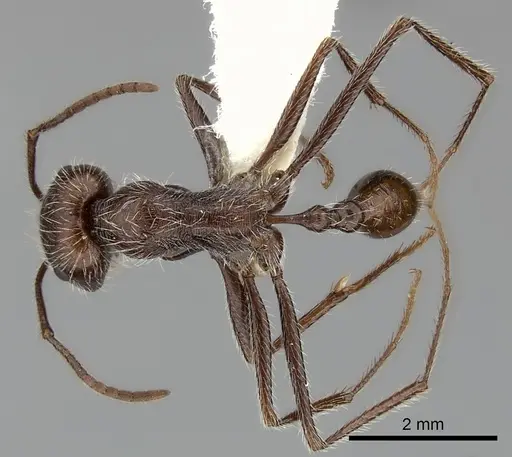
CASENT0913234
View on AntWeb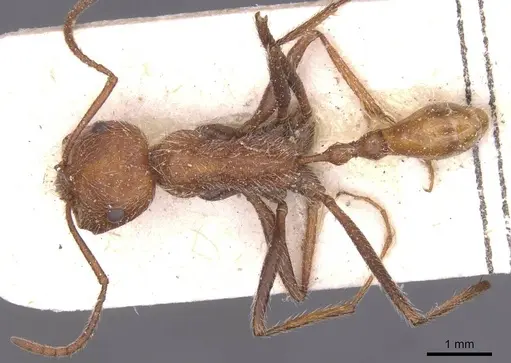
Literature
Loading distribution map...Loading products...