
Octostruma gymnosoma
- Sci. Name
- Octostruma gymnosoma
- Tribe
- Attini
- Subfamily
- Myrmicinae
- Author
- Longino, 2013
- Distribution
- Found in 1 countries
Introduction
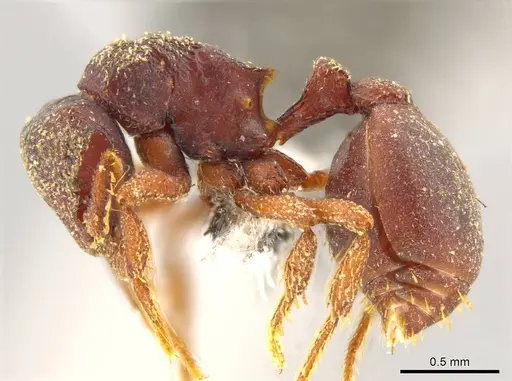
Octostruma gymnosoma is a tiny ant in the tribe Attini. Workers are very small, with a total length approximately 1-2 mm, inferred from the Octostruma genus. The species is known only from three specimens collected in mesophyll cloud forest at 1520 m elevation in Sierra Madre de Chiapas, Mexico . This is the largest Octostruma species in Central America . This species is extremely poorly known, with only three workers documented. It represents a challenging species for antkeepers due to lack of biological data.
Quick Summary
- Difficulty: Expert
- Origin & Habitat: Sierra Madre de Chiapas, Mexico at 1520 m elevation in mesophyll cloud forest. Specimens were collected from sifted leaf litter and rotten wood on the forest floor [1].
- Colony Type: Unknown, colony structure has not been documented for this species
- Size & Growth:
- Queen: Unknown, queen has not been described
- Worker: Approximately 1-2 mm, inferred from Octostruma genus
- Colony: Unknown, only three workers have ever been documented
- Growth: Unknown
- Development: Unknown, no development data exists for this species (Development timeline cannot be estimated due to complete lack of biological data. Based on related Octostruma species, development might take 2-4 months, but this is speculative.)
- Antkeeping:
- Temperature: Keep cool, around 18-22°C, based on cloud forest habitat [1].
- Humidity: Keep nest substrate consistently moist but not waterlogged, based on cloud forest environment [1].
- Diapause: Unknown, no data on seasonal behavior.
- Nesting: Naturalistic setup with moist leaf litter and rotting wood, as collected from sifted litter [1].
- Behavior: Temperament is unknown, but based on genus patterns, likely cryptic and non-aggressive. Defense mechanism is a sting, as typical for Myrmicinae ants. Escape risk is high due to tiny size (approximately 1-2 mm).
- Common Issues: extreme rarity in the wild makes obtaining this species nearly impossible., no biological data exists, keepers are essentially pioneering captive care., tiny size creates significant escape risk requiring fine mesh barriers., slow or unknown growth rate makes colony establishment difficult., lack of documented diet means experimental feeding is required.
Discovery and Rarity
Octostruma gymnosoma was described in 2013 by John T. Longino, making it a recently discovered ant species [1]. The entire scientific knowledge consists of just three worker specimens, all from a single Winkler sample in Sierra Madre de Chiapas, Mexico [1]. This extreme rarity makes them challenging to keep. The species name refers to the lack of spatulate setae on their dorsal surfaces [1].
Natural Habitat and Inference
This species is known only from Mexican cloud forest at 1520 m elevation [1]. Cloud forests have constant high humidity, cool stable temperatures, and dense vegetation. The ants were collected from leaf litter and rotting wood, indicating they are leaf-litter specialists. For captive care, this suggests they need cool, stable temperatures, high humidity, and a naturalistic setup with substrate to forage through.
Housing and Setup
Given their tiny size and leaf-litter habitat [1], a naturalistic setup is recommended. Use a small container with moist soil mixed with leaf litter and rotting wood. Substrate should remain moist but not waterlogged. Escape prevention is critical due to their tiny size, use fine mesh barriers. Test tubes may be too large and dry for these moisture-dependent ants.
Feeding and Diet
The diet of Octostruma gymnosoma is undocumented. As members of the tribe Attini, some are predators or scavengers. Given their tiny size, they likely prey on small soil micro-arthropods. Experimental feeding is required with tiny live prey like springtails or fruit flies. Offer sugar water occasionally, but acceptance is uncertain.
Temperature and Seasonal Care
Aim for 18-22°C based on cloud forest habitat [1]. Room temperature may be too warm, so use cooling methods if needed. Temperature stability is important. Diapause is unknown due to mild seasonal variation in their habitat.
Challenges and Realistic Expectations
Keeping Octostruma gymnosoma is pioneering work with no captive husbandry guides. Colonies may grow slowly or fail for unknown reasons. Obtaining founding colonies is extremely difficult due to rarity. This species is not recommended for beginners. [1]
Frequently Asked Questions
How do I keep Octostruma gymnosoma ants?
Provide a naturalistic setup with moist leaf litter and rotting wood, keep temperatures cool (18-22°C), maintain high humidity, and offer tiny live prey. You will be pioneering captive care for this species [1].
What do Octostruma gymnosoma eat?
Diet is unconfirmed. Based on their tiny size and leaf-litter habitat, they likely prey on small micro-arthropods. Offer tiny live prey like springtails or fruit flies.
What temperature do Octostruma gymnosoma need?
Keep them cool at 18-22°C, based on their cloud forest habitat [1].
How big do Octostruma gymnosoma colonies get?
Unknown. Only three workers have ever been documented. Related species suggest small colonies, but this is speculative.
Are Octostruma gymnosoma good for beginners?
No. This is an expert-level species due to extreme rarity, complete lack of biological data, and specific requirements.
How long does it take for Octostruma gymnosoma to develop from egg to worker?
Unknown, no development data exists. Based on related species, it might take months, but this is speculative.
Where is Octostruma gymnosoma found?
Only in the Sierra Madre de Chiapas, Mexico at 1520 m elevation in mesophyll cloud forest [1].
Can I keep multiple Octostruma gymnosoma queens together?
Unknown. Colony structure has not been documented. Do not attempt combining unrelated queens.
Why is Octostruma gymnosoma so rare?
The species was described in 2013 and is known from just three specimens. Cloud forest leaf-litter ants are difficult to sample, and this species has a restricted range [1].
Report an Issue
The current care sheet is based fully on literature. See inconsistencies, or something that's incorrect? Please , it will be resolved after review from an admin. Contributing to the blogs tab also helps providing information, to make us be able to further improve the caresheets. Thank you for your support!
References

This caresheet is licensed under CC BY-SA 4.0 .
Community Blogs
CASENT0627366
View on AntWeb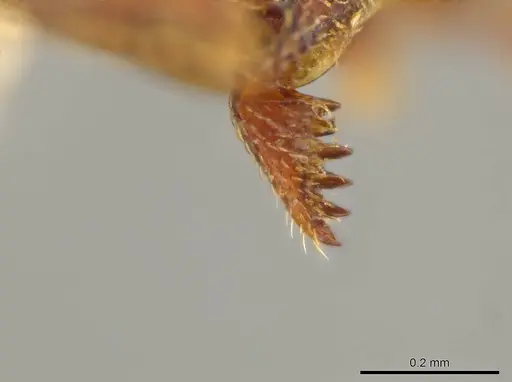
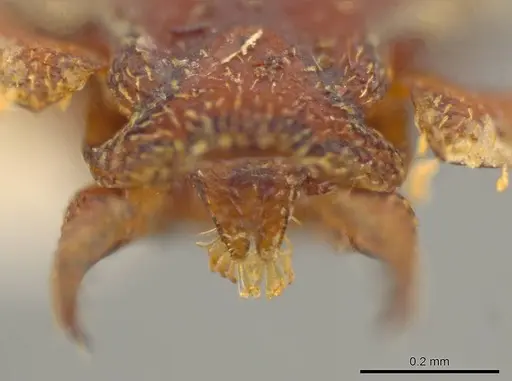
JTLC000015356
View on AntWeb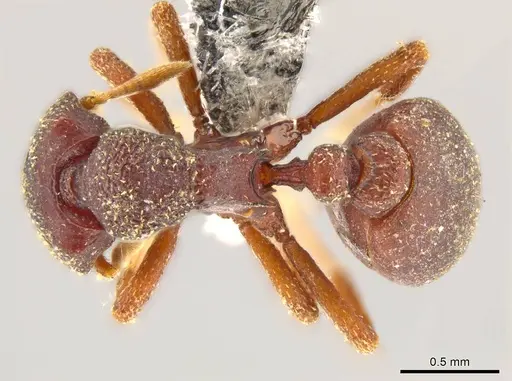
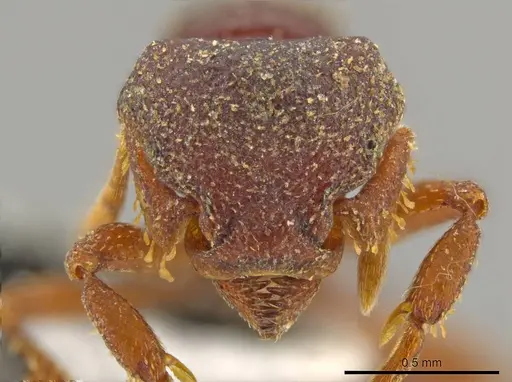
Literature
Loading distribution map...Loading products...