
Nylanderia yerburyi
- Sci. Name
- Nylanderia yerburyi
- Tribe
- Lasiini
- Subfamily
- Formicinae
- Author
- Forel, 1894
- Distribution
- Found in 4 countries
Introduction
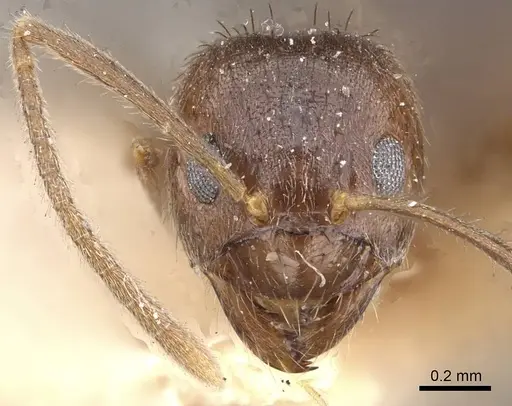
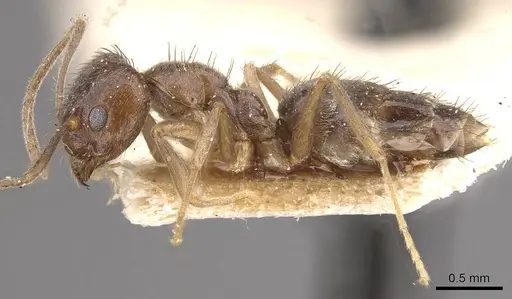
Nylanderia yerburyi is a small bicolored ant native to tropical and subtropical regions of India, Sri Lanka, and surrounding areas. Workers are very small with a distinctive color pattern: yellow-brown to reddish-brown mesosoma paired with a darker brown head and gaster . The species was first described by Forel in 1894 and has since been recorded across India, Sri Lanka, Singapore, and parts of China . These ants are ground-dwelling, typically nesting under stones and in leaf litter in warm, humid environments . In Sri Lanka, they are particularly common in coconut plantations where they serve as indicator ant species . One interesting aspect is their adaptation to human-modified habitats like coconut plantations, where they are common and act as indicator species .
Quick Summary
- Difficulty: Medium
- Origin & Habitat: Native to tropical and subtropical India, Sri Lanka, and surrounding regions. Workers are found in leaf litter and underneath stones in warm, humid lowland areas [1]. In Sri Lanka, they inhabit wet zone coconut plantations and forest areas [4][3]. In China, they occupy elevations between 574-1,500m in various forest types [5].
- Colony Type: Colony structure is unconfirmed. No specific data on queen number or social structure.
- Size & Growth:
- Queen: Size data unavailable, no total length measurements provided. Inferred from Nylanderia genus, queens are typically around 3-4 mm.
- Worker: Size data unavailable, no total length measurements provided. Inferred from Nylanderia genus, workers are typically around 2-3 mm.
- Colony: Unknown, no data on colony size.
- Growth: Unknown, estimated moderate based on tropical species patterns.
- Development: Unknown, no specific studies. Inferred from tropical Formicinae, likely 4-8 weeks at optimal temperature. (Development time is estimated based on genus patterns.)
- Antkeeping:
- Temperature: Keep at 24-28°C based on tropical origin [1]. A gentle gradient allows self-regulation.
- Humidity: Require moderate to high humidity. Keep nest substrate consistently moist but not waterlogged [6].
- Diapause: No, tropical species do not require hibernation.
- Nesting: Natural nesting sites include under stones and in leaf litter [1]. In captivity, use test tube for founding, then small formicarium with moist substrate.
- Behavior: Workers are small, active foragers on ground surfaces. They are generalist feeders and not aggressive. Escape prevention is critical due to tiny size [1].
- Common Issues: escape prevention is critical due to very small size, they can squeeze through standard mesh., wild-caught colonies may be difficult to establish., overheating risk, keep away from direct heat sources., humidity drops can harm colony, monitor substrate moisture., small size makes them vulnerable to drowning, use small water tubes.
Housing and Nest Setup
For founding colonies, a standard test tube setup works well. Use a small test tube filled with water and stoppered with a cotton ball. Cover the tube with a dark sleeve to reduce light stress. These ants are small, so ensure the water chamber is not too large to prevent drowning risks. For established colonies with 20+ workers, transfer to a small formicarium with a sand/soil substrate mix kept consistently moist. The nesting area should remain dark and undisturbed. Because they naturally nest under stones and in leaf litter, providing a thin layer of substrate with some cover helps them feel secure. Escape prevention is essential, their tiny size means they can escape through standard test tube stoppers. Use fluon on rim edges and consider fine mesh coverings [1].
Feeding and Diet
Nylanderia yerburyi is a generalist forager. In captivity, offer a mix of sugar sources (honey water, sugar water) and protein (small insects like fruit flies or pinhead crickets). Feed protein 2-3 times per week and keep a sugar source available constantly. Given their tiny size, prey items should be small and easy to handle. Remove uneaten prey after 24-48 hours to prevent mold [6].
Temperature and Seasonal Care
As a tropical species, keep the nest area at 24-28°C during the active season. They can tolerate slightly cooler temperatures but may become sluggish. Unlike temperate species, they do not require a true hibernation period. During winter in cooler climates, maintain at least 22-24°C to prevent colony decline. A small heating cable on one side can create a temperature gradient, allowing workers to self-regulate [1].
Behavior and Foraging
Workers are small, fast-moving, and actively forage on ground surfaces. They are not aggressive and will typically flee from threats. Their small size makes them excellent at navigating through leaf litter and soil crevices. In captivity, they will readily forage for sugar water and small prey items. They are diurnal foragers, most active during warmer parts of the day [1].
Colony Establishment
Establishing a colony from a wild-caught queen can be challenging. If you find a queen, place her in a prepared test tube setup immediately after mating. The queen will likely seal herself into a chamber, but founding behavior is unconfirmed for this species. Do not disturb her during the founding period. Wait at least 4-6 weeks before checking for workers. If you collect a wild colony, transfer them carefully to a prepared formicarium. Include some of their natural substrate to help them acclimate [1].
Growth and Development
Specific development timelines are unconfirmed. Based on typical tropical Formicinae patterns, expect eggs to hatch in about 1-2 weeks, larvae to develop over 2-3 weeks, and pupae to emerge as workers in another 1-2 weeks. Total time from egg to first worker is estimated at 4-8 weeks at optimal temperature. Colony growth is likely moderate, do not expect rapid expansion. Patience is key during the founding phase [6].
Frequently Asked Questions
How long does it take for Nylanderia yerburyi to produce first workers?
Exact timeline is unconfirmed, but based on typical tropical Formicinae development, expect first workers in 4-8 weeks at optimal temperature (around 26°C). The queen will remain in her chamber raising brood until workers emerge [6].
What do Nylanderia yerburyi ants eat?
They are generalist feeders. Offer small insects (fruit flies, pinhead crickets) as protein 2-3 times per week, and keep a sugar source (honey water or sugar water) available constantly [6].
What temperature do Nylanderia yerburyi need?
Keep them warm at 24-28°C based on their tropical origin. Room temperature is usually adequate, avoid temperatures below 20°C for extended periods [1].
Are Nylanderia yerburyi good for beginners?
They are rated as medium difficulty. Their small size makes escape prevention challenging, and they require warm, humid conditions. They can be rewarding once established, but wild-caught colonies may be difficult to acquire and establish.
How big do Nylanderia yerburyi colonies get?
Colony size is not well documented. Based on similar species, expect moderate colonies, but no specific data is available.
Do Nylanderia yerburyi need hibernation?
No, they do not require hibernation. As tropical ants, they should be kept warm year-round (22-26°C minimum).
What type of nest do Nylanderia yerburyi need?
They naturally nest under stones and in leaf litter. In captivity, start with a test tube for founding colonies. For established colonies, use a small formicarium with moist sand/soil substrate [1].
Why are my Nylanderia yerburyi escaping?
Their tiny size means they can escape through standard barriers. Use fine mesh (0.5mm or smaller), apply fluon to rim edges, and ensure all lids fit tightly [1].
Can I keep multiple Nylanderia yerburyi queens together?
Colony structure is unconfirmed for this species. Combining unrelated queens is not recommended without specific documentation.
Report an Issue
The current care sheet is based fully on literature. See inconsistencies, or something that's incorrect? Please , it will be resolved after review from an admin. Contributing to the blogs tab also helps providing information, to make us be able to further improve the caresheets. Thank you for your support!
References

This caresheet is licensed under CC BY-SA 4.0 .
Community Blogs
CASENT0911013
View on AntWeb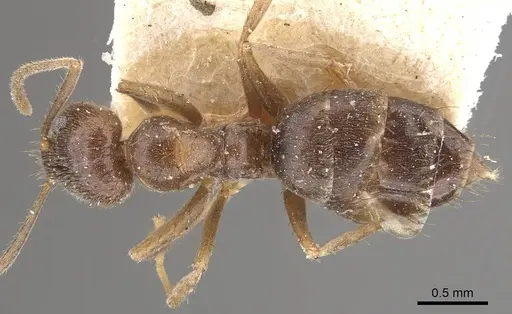
Literature
Loading distribution map...Loading products...