
Nylanderia terricola
- Sci. Name
- Nylanderia terricola
- Tribe
- Lasiini
- Subfamily
- Formicinae
- Author
- Buckley, 1866
- Distribution
- Found in 2 countries
Introduction
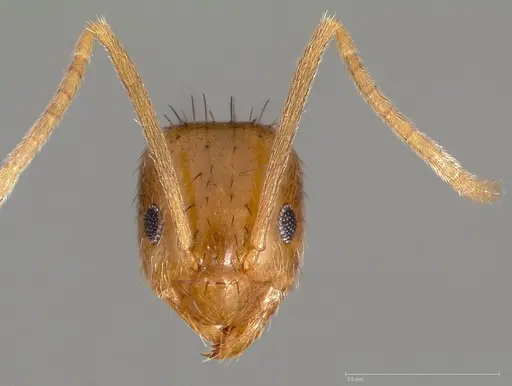
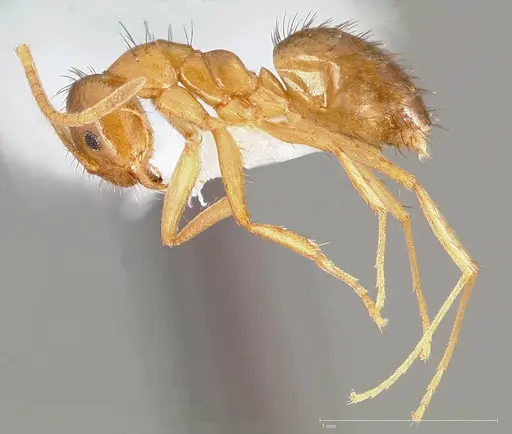
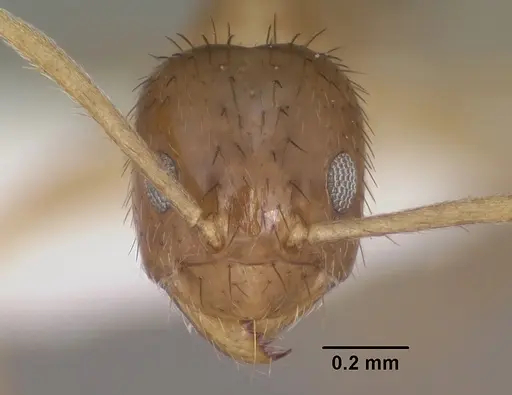
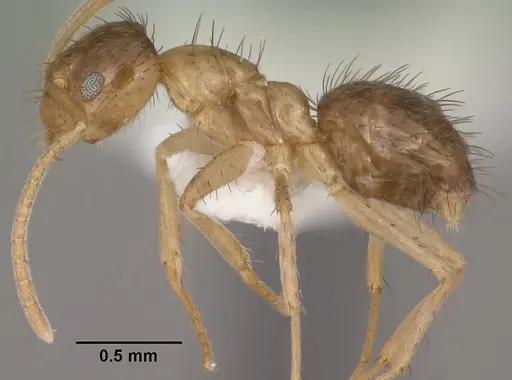
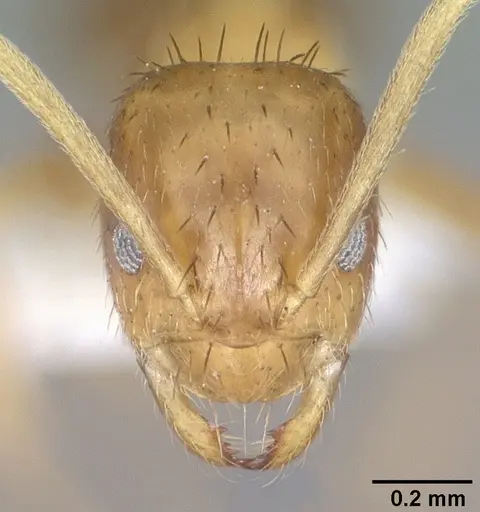
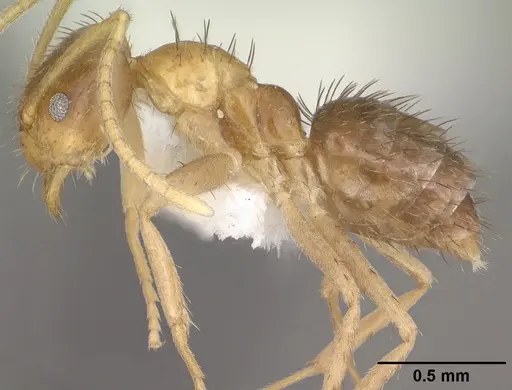
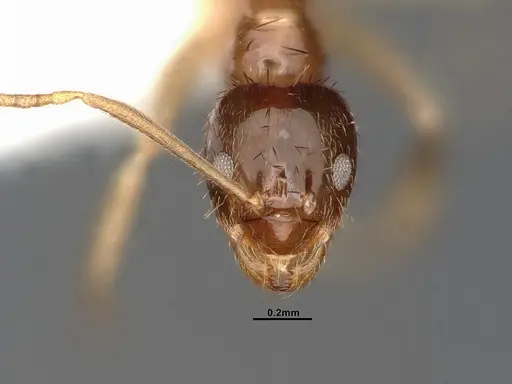
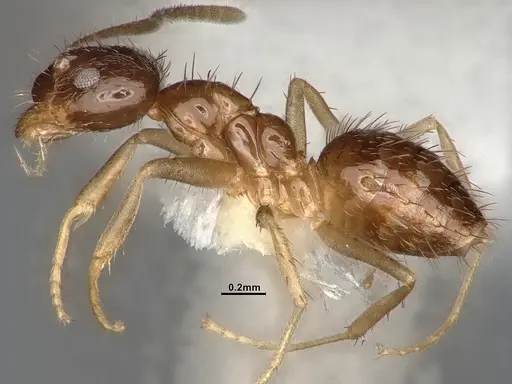
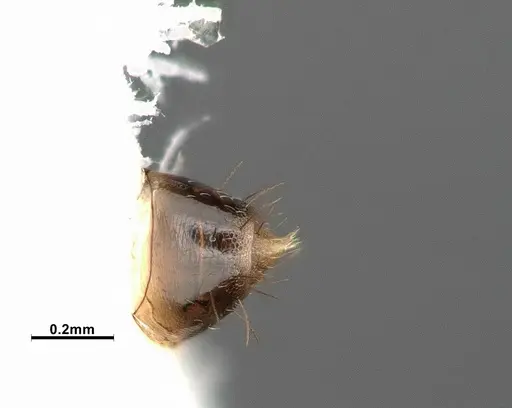
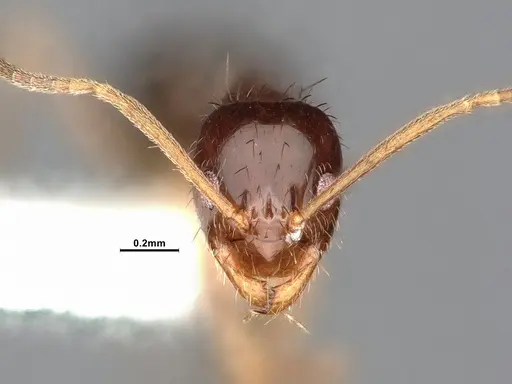
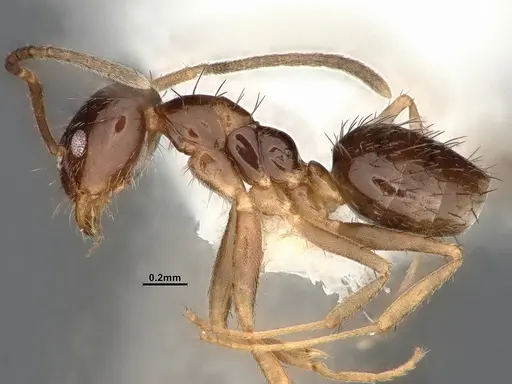
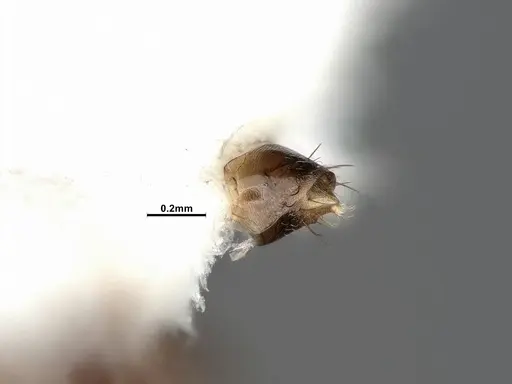
Nylanderia terricola is a small ant native across most of the United States and northern-central Mexico, making it one of the most widespread Nylanderia species in North America . Workers measure 1.96-2.63 mm and have a bicolored appearance - yellowish-brown to dark brown with the head and gaster slightly darker than the mesosoma . Their cuticle is smooth and shiny with sparse pubescence on the head . These ants are virtually impossible to distinguish from the closely related Nylanderia vividula based on worker morphology alone; males are required for reliable identification . These ants are characteristic of prairie habitats but adapt to varied environments from open disturbed areas to mesquite shrubland and woodlands . They nest under stones, logs, or cow dung, and can establish colonies in open grassy areas . Their thermal tolerance is notable, with a critical thermal maximum of 46.7°C , allowing persistence in hot conditions. This resilience helps them survive alongside invasive fire ants in Texas .
Quick Summary
- Difficulty: Medium
- Origin & Habitat: Native to the Nearctic region, found across practically the entire United States and much of northern and central Mexico [1]. Characteristic of prairies but also found in open disturbed areas, mesquite shrubland, pinyon woodland, sagebrush, post-oak woodlands, and areas adjacent to forests. Nests under stones, logs, or cow dung, or directly in soil. Found in most soil types except very sandy soils [2][1].
- Colony Type: Unconfirmed, colony structure not directly studied in scientific literature.
- Size & Growth:
- Antkeeping:
- Temperature: Keep at room temperature, roughly 20-26°C, and avoid temperatures above 30°C [3].
- Humidity: Keep nest substrate consistently moist but not waterlogged, as they are susceptible to desiccation [6].
- Diapause: Yes, alates overwinter in the nest and fly in spring and early summer [1][5].
- Nesting: Use test tubes for founding, transition to soil-based or plaster nests as colony grows. Provide a moisture gradient [1][2].
- Behavior: These ants are relatively docile and non-aggressive. Workers are small but active foragers, primarily hunting for sugar sources and honeydew. They show a strong preference for sweet liquids, in studies,84% of individuals were collected from grape agar baits [7]. They forage mainly at night or during cool early morning hours to avoid heat stress [3]. Their small size (under 3mm) means they can escape through tiny gaps, excellent escape prevention is essential. They are more susceptible to desiccation than larger ant species [6].
- Common Issues: escape prevention is critical due to their tiny size, they can squeeze through standard test tube cotton if gaps exist, colonies are sensitive to heat and dry conditions, avoid temperatures above 30°C and keep nest substrate adequately moist, slow founding phase, queens may take several weeks to raise first workers, small colony size means slower population growth compared to larger ant species, difficulty distinguishing from Nylanderia vividula, if you catch a wild queen, identification may require male offspring
Nest Preferences
In the wild, Nylanderia terricola nests under stones, logs, or cow dung, or directly in soil in open grassy areas [1][2]. They prefer soil types that retain some moisture but avoid very sandy soils. This tells us they need humid, soil-based housing in captivity.
For antkeepers, a small test tube setup works well for founding colonies. Use a test tube with a water reservoir at one end, stopped with cotton, the ants will naturally move to the humid end. As the colony grows, you can transition to a small plaster or Y-tong formicarium with a soil chamber. Keep the nest material consistently moist but not waterlogged, squeeze out excess water so the substrate feels damp but no water pools. Provide a moisture gradient by keeping one end slightly drier so ants can self-regulate. A small piece of bark or stone on top of the nest chamber mimics their natural cover and helps them feel secure.
Feeding and Diet
These ants are opportunistic foragers with a strong preference for sugar sources. In the wild, they tend honeydew-excreting Homoptera (aphids and similar insects) and collect nectar [7]. They also scavenge for proteins from dead insects.
For captive care, offer a constant supply of sugar water, honey, or diluted maple syrup. Change sugar water every 2-3 days to prevent mold. For protein, offer small insects like fruit flies, small mealworms, or cricket legs. In studies, they strongly preferred grape agar baits over protein baits like tuna [7], so sweet foods should be the foundation of their diet. Feed protein 1-2 times per week, adjusting based on colony size and consumption. Remove uneaten prey after 24 hours to prevent mold. A small foraging arena makes it easy to observe feeding behavior and remove leftovers.
Temperature and Care
Nylanderia terricola has an impressive thermal tolerance with a critical thermal maximum of 46.7°C [3], but they actively avoid temperatures above 30°C in the wild. This means they're comfortable at typical room temperature (20-26°C) but should be kept away from direct heat sources.
Keep the nest at room temperature, ideally 22-25°C. A heating cable is not necessary unless your room stays below 20°C. If you do use heat, place it on one side of the nest to create a temperature gradient, the ants will move to their preferred zone. Avoid any temperatures over 30°C.
For winter care, provide a diapause period since alates overwinter in the nest naturally [1]. Reduce temperature to 10-15°C for 2-3 months during winter. You can do this by moving the colony to a cooler location like an unheated garage or basement. Reduce feeding during this period but ensure a small water source is available.
Behavior and Temperament
These are small, active ants with a generally docile temperament. Workers are not aggressive and don't have a painful sting, they're harmless to humans. However, their small size (under 3mm workers) makes them excellent escape artists.
Escape prevention is critical. Use tight-fitting lids on test tubes and formicaria. If using cotton as a barrier, ensure it's packed tightly, these ants can push through loose cotton. Standard mesh barriers may need to be double-layered. Check connections between nest sections regularly.
Foraging activity peaks at night and during cool early morning hours [3]. You may notice your ants becoming more active in the evening or early morning. They form foraging trails and can recruit nestmates to food sources. Their susceptibility to desiccation means they prefer humid nest conditions, keep the substrate consistently moist and avoid dry outworld conditions.
Frequently Asked Questions
Can I keep Nylanderia terricola in a test tube?
Yes, test tubes work well for founding colonies. Use a standard test tube with a water reservoir, fill about one-third with water, add a cotton stopper, and place the queen at the dry end. The cotton should be packed tightly since these tiny ants can push through loose cotton. Keep the tube horizontal in a dark, quiet location until workers emerge.
When should I move my colony to a formicarium?
Move to a formicarium once the colony reaches 30-50 workers or outgrows the test tube. Since colonies max out around 300 workers [3], a small formicarium or Y-tong setup is sufficient. Watch for signs the test tube is becoming cramped or the water reservoir is running low frequently.
What is the best nest type for Nylanderia terricola?
A small soil-based or plaster nest works best. They naturally nest in soil under stones, so a naturalistic setup with a soil chamber mimics their natural habitat. A small Y-tong or acrylic formicarium with a moist chamber also works well. The key is maintaining humidity, the nest material should feel damp but not have standing water.
How long until first workers appear?
Expect first workers (nanitics) in 6-10 weeks after the queen lays eggs, based on typical Formicinae development. This timeline assumes room temperature around 22-25°C. The queen is claustral, she seals herself in and raises the first brood without leaving to forage. Be patient during founding, disturbing the queen too often can cause her to abandon or eat the brood.
Can I keep multiple queens together?
Not recommended. Combining unrelated queens of this species has not been documented in scientific literature. In the wild, colony structure appears to be single-queen based on typical Nylanderia patterns. Starting with one mated queen is the safest approach for successful colony founding.
What temperature do they need?
Keep them at 20-26°C, ideally around 22-25°C. They can tolerate temperatures up to 30°C but actively avoid heat, in the wild they forage at night and early morning when it's cooler. A standard room temperature setup works well without additional heating.
Are Nylanderia terricola good for beginners?
They are moderate difficulty, not the easiest but not challenging either. Their small size requires attention to escape prevention, and they need consistent humidity. However, they're docile, don't sting, and have straightforward feeding requirements. If you're comfortable with small ants and can provide proper humidity, they're a rewarding species.
Do they need hibernation?
Yes, provide a winter rest period. In the wild, alates (reproductives) overwinter in the nest and fly in spring [1]. Reduce temperature to 10-15°C for 2-3 months during winter. This helps synchronize their natural cycle and promotes healthy reproduction.
Why are my ants dying?
Common causes include: too dry conditions (they're susceptible to desiccation), temperatures above 30°C, escape through gaps in housing, or mold from overwatering. Check that the nest substrate stays damp, temperatures stay below 30°C, and all connections are sealed. Also ensure you're not overfeeding, uneaten sugar water and protein can quickly mold and kill small colonies.
Report an Issue
The current care sheet is based fully on literature. See inconsistencies, or something that's incorrect? Please , it will be resolved after review from an admin. Contributing to the blogs tab also helps providing information, to make us be able to further improve the caresheets. Thank you for your support!
References

This caresheet is licensed under CC BY-SA 4.0 .
Community Blogs
CASENT0005426
View on AntWeb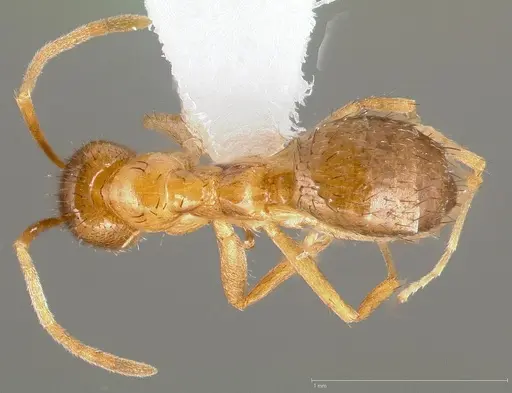
CASENT0102819
View on AntWeb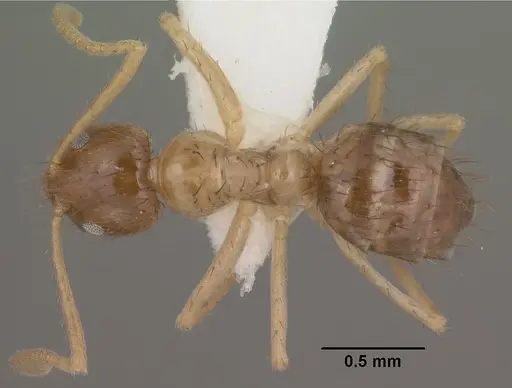
CASENT0102820
View on AntWeb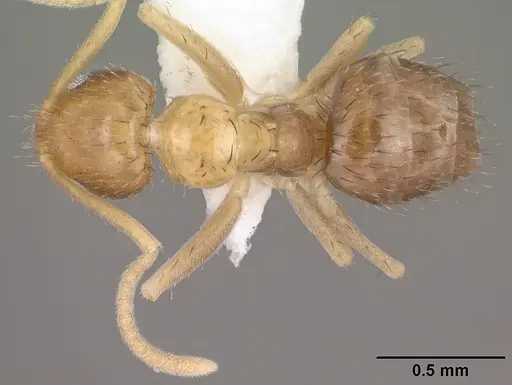
CASENT4031889
View on AntWeb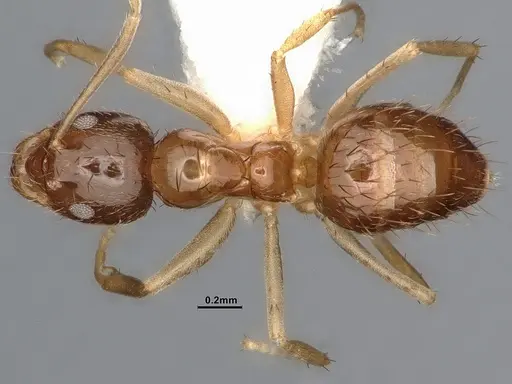
CASENT4032217
View on AntWeb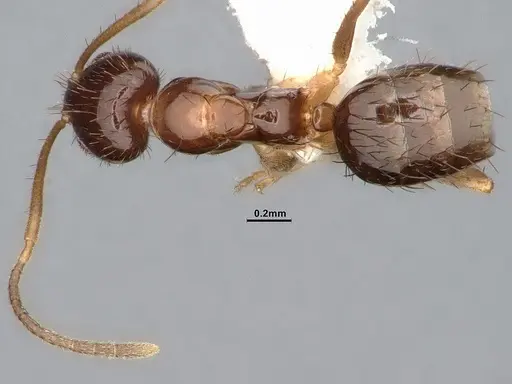
Literature
Loading distribution map...Loading products...