
Nylanderia sharpii
- Sci. Name
- Nylanderia sharpii
- Tribe
- Lasiini
- Subfamily
- Formicinae
- Author
- Forel, 1899
- Distribution
- Found in 2 countries
Introduction
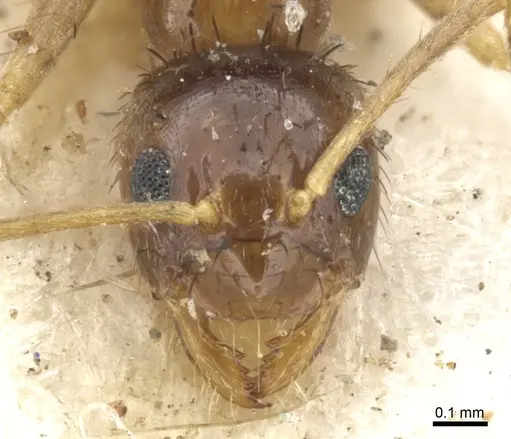
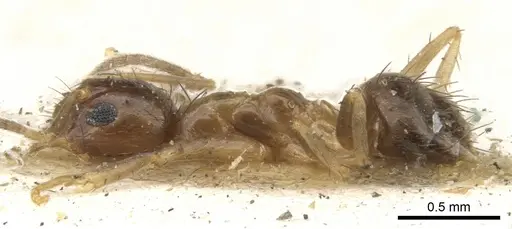
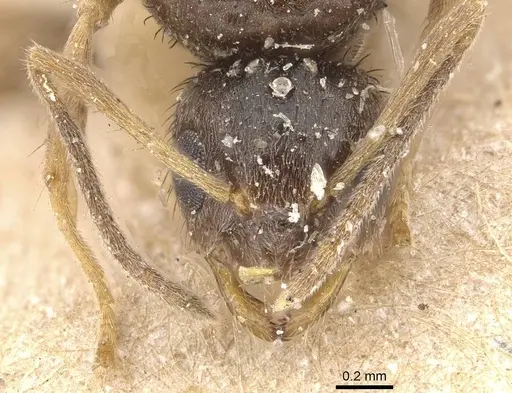
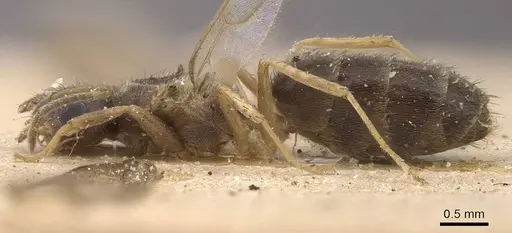
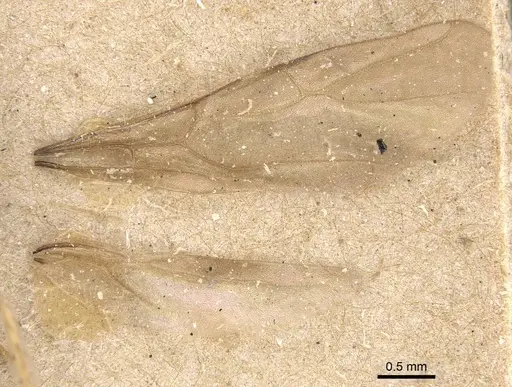
Nylanderia sharpii is a small ant species native to Hawaii and now also found in parts of China . Workers are tiny, but exact body size data is unavailable from research. The genus belongs to the Formicinae subfamily and Lasiini tribe. These ants are highly adaptable, found in leaf litter and across all strata from ground to arboreal habitats . A key behavior is their nuptial flight, which occurs on warm, moist evenings, with documented swarms in late August in Hawaii . Alates are strongly attracted to lights, which can aid in catching wild queens.
Quick Summary
- Difficulty: Easy
- Origin & Habitat: Native to Hawaii, with populations in China. Found in leaf litter and multiple strata including arboreal, ground, and subterranean levels [2][1].
- Colony Type: Colony structure is unconfirmed in available research.
- Size & Growth:
- Queen: Size data unavailable
- Worker: Size data unavailable
- Colony: Up to several hundred workers estimated from related Nylanderia species
- Growth: Moderate, inferred from genus patterns
- Development: Estimated 6-8 weeks at optimal temperature, inferred from Formicinae patterns (Development time is inferred as specific data for this species is unavailable)
- Antkeeping:
- Temperature: Keep warm, roughly 22-26°C, based on tropical distribution, inferred
- Humidity: Keep substrate consistently moist but not waterlogged, based on leaf litter habitat [2]
- Diapause: Unknown, no specific data available
- Nesting: Adaptable to test tubes, Y-tong, or plaster nests. Prefer some substrate for burrowing, inferred from habitat [2]
- Behavior: Generally calm and non-aggressive. Workers are active foragers. Escape prevention is critical due to small size, inferred from genus patterns.
- Common Issues: escape prevention is critical due to very small size, colonies may be slow to establish, patience needed, wild-caught colonies may carry parasites, overfeeding can lead to mold issues, attraction to lights during nuptial flights
Housing and Nest Setup
Nylanderia sharpii adapts well to various captive setups. Test tubes work excellently for founding colonies, use a standard test tube setup with a water reservoir separated by a cotton plug. For established colonies, Y-tong nests or plaster nests with narrow tunnels work well. These ants will accept both naturalistic setups with soil and more artificial designs. Because they naturally nest in leaf litter and across multiple strata, including some ground contact is beneficial. A small outworld area allows workers to forage. Ensure all connections are sealed with barriers like Fluon due to their small size [2].
Feeding and Diet
Like most Formicinae, Nylanderia sharpii is omnivorous. Offer sugar sources such as sugar water or honey as a constant carbohydrate source. For protein, provide small insects like fruit flies or pinhead crickets. Feed protein 2-3 times per week and keep sugar water available. Remove uneaten prey after 24-48 hours to prevent mold [1].
Temperature and Seasonal Care
As a species with tropical distribution, keep nest temperatures warm, roughly 22-26°C for optimal growth. A heating cable can create a gradient if room temperature is lower. Diapause is unknown, but based on tropical origin, no true hibernation is likely [3].
Colony Founding and Growth
Queens can be caught during nuptial flights on warm, moist evenings, with documented swarms in late August [3]. Alates are attracted to lights. Founding behavior is unconfirmed, but after mating, queens may seal themselves in a chamber. The founding phase can take weeks before first workers emerge. Growth is slow initially but accelerates with workers [3].
Behavior and Temperament
Workers are active and curious foragers, generally calm and non-aggressive. Their small size means stings are ineffective on humans. Escape prevention is a priority due to their tiny size and exploratory nature [2].
Frequently Asked Questions
How long does it take for Nylanderia sharpii to produce first workers?
Expect 6-8 weeks from egg to first worker at optimal temperature, inferred from Formicinae patterns. Specific data is unavailable.
What do Nylanderia sharpii eat?
They are omnivorous. Offer sugar water or honey constantly, and protein like small insects 2-3 times per week [1].
Can I keep multiple Nylanderia sharpii queens together?
Colony structure is unconfirmed. It is not recommended to combine queens without documented success.
What temperature do Nylanderia sharpii need?
Keep them warm, roughly 22-26°C, based on tropical distribution, inferred.
Are Nylanderia sharpii good for beginners?
Yes, they are considered easy to keep due to adaptability and calm temperament. Main challenges are small size and escape prevention.
When do Nylanderia sharpii alates swarm?
Nuptial flights occur on warm, moist evenings, with documented swarms in late August in Hawaii [3]. Alates are attracted to lights.
How big do Nylanderia sharpii colonies get?
Colony size is not specifically documented, but up to several hundred workers are estimated from related species.
Do Nylanderia sharpii need hibernation?
Diapause is unknown, but based on tropical origin, no true hibernation is likely.
Why are my Nylanderia sharpii escaping?
Their very small size means they can squeeze through tiny gaps. Use fine mesh barriers and check seals regularly.
Report an Issue
The current care sheet is based fully on literature. See inconsistencies, or something that's incorrect? Please , it will be resolved after review from an admin. Contributing to the blogs tab also helps providing information, to make us be able to further improve the caresheets. Thank you for your support!
References

This caresheet is licensed under CC BY-SA 4.0 .
Community Blogs
CASENT0903123
View on AntWeb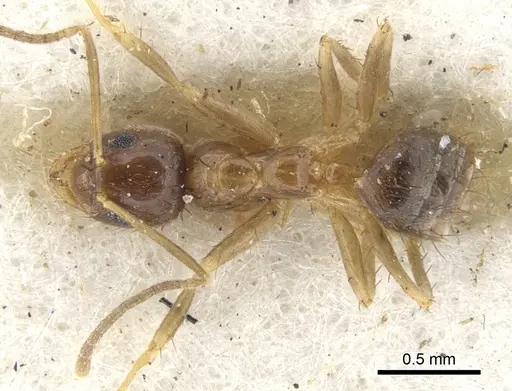
CASENT0911023
View on AntWeb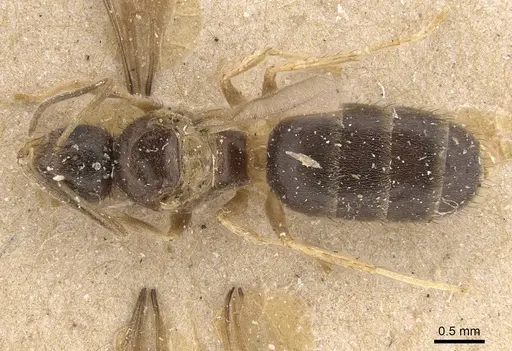
Literature
Loading distribution map...Loading products...