
Northern Crazy Ant
Nylanderia parvula
- Sci. Name
- Nylanderia parvula
- Tribe
- Lasiini
- Subfamily
- Formicinae
- Author
- Mayr, 1870
- Common Name
- Northern Crazy Ant
- Distribution
- Found in 1 countries
Introduction
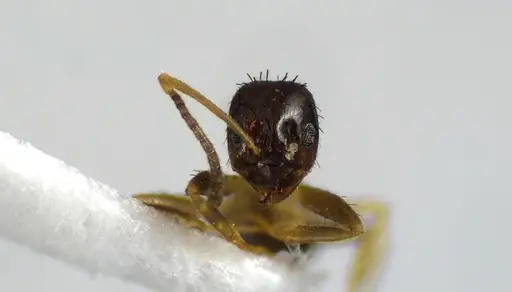
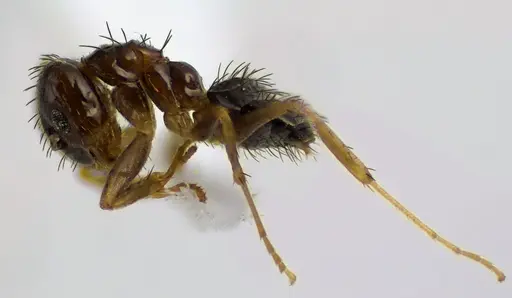
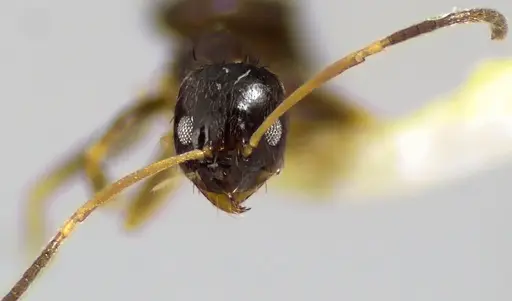
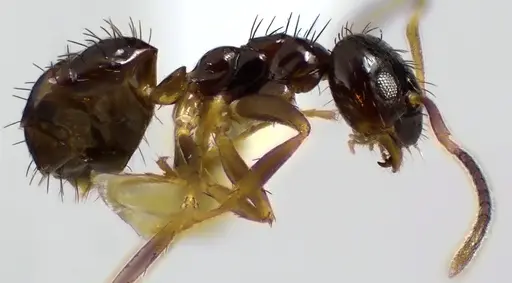
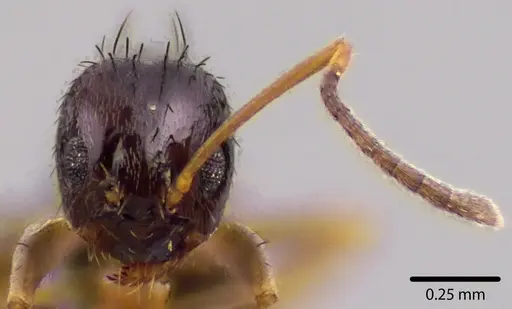
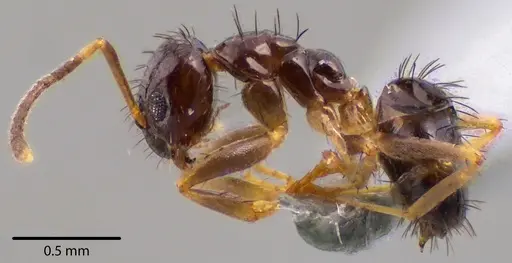
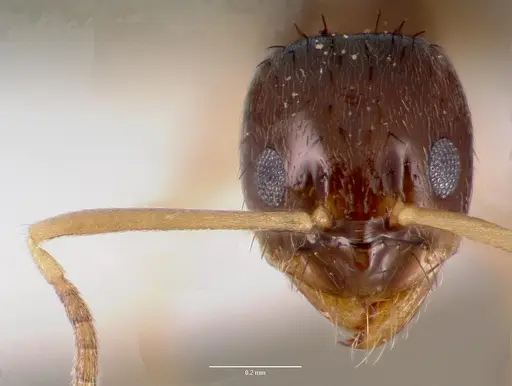
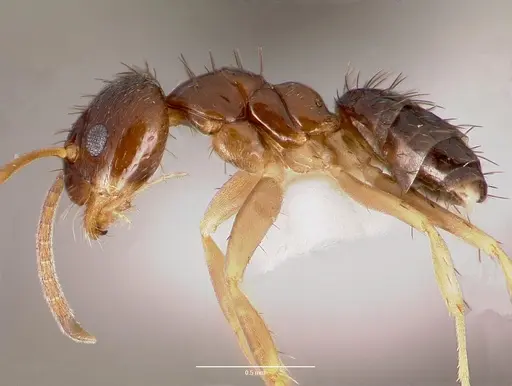
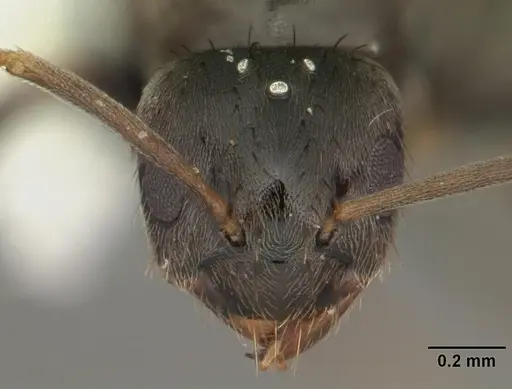
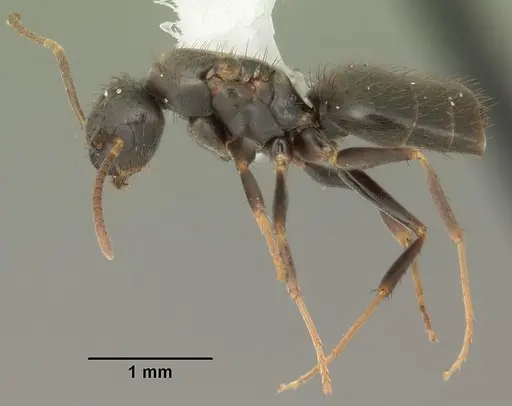
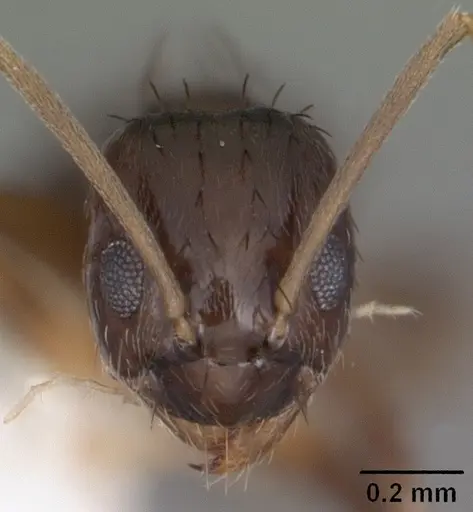
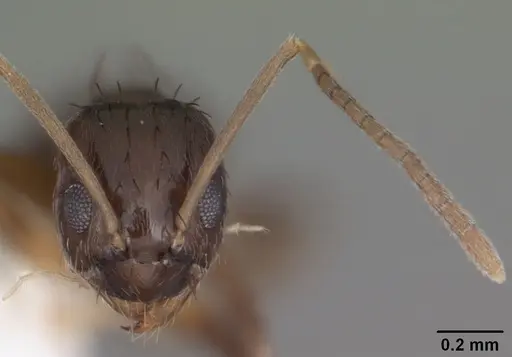
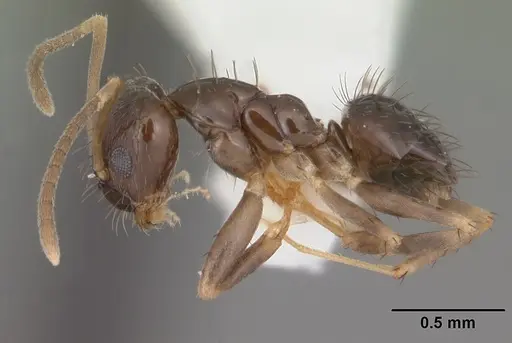
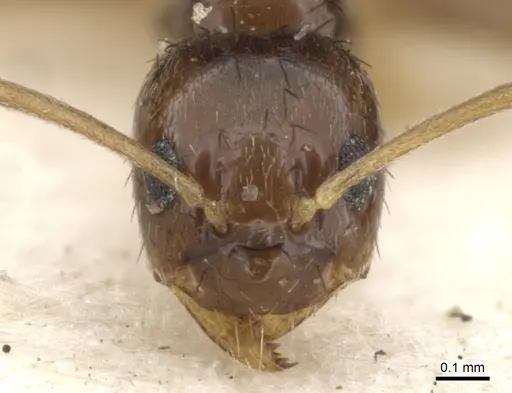
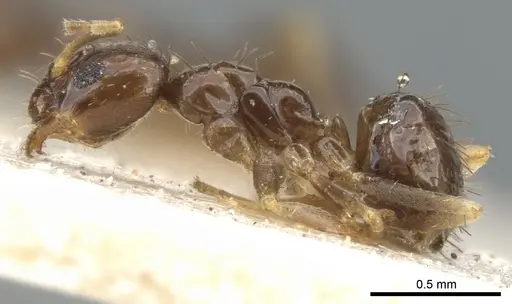
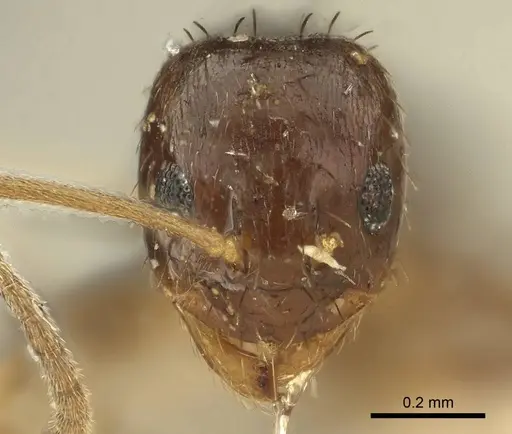
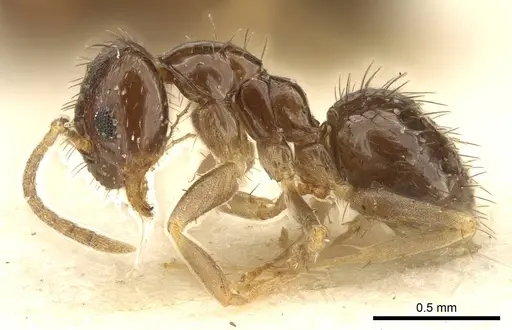
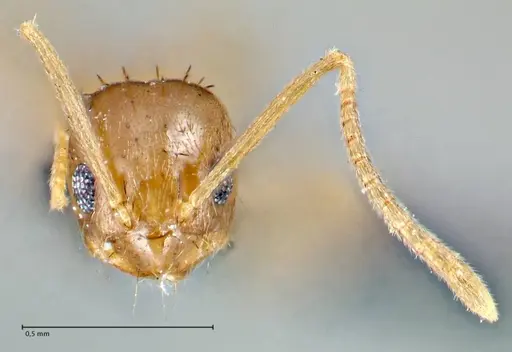
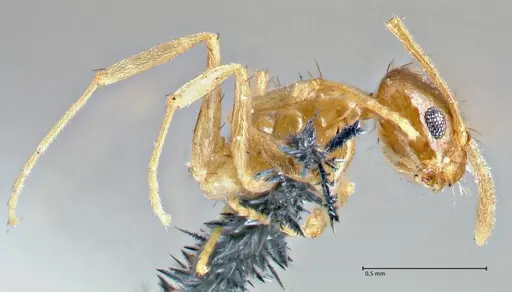
Nylanderia parvula is a tiny ant native to the eastern half of North America, from Ontario, Canada to Florida and west to Nebraska, Kansas, and Texas . Workers are just 1.6-2.3 mm long and uniformly dark brown to black, with lighter grayish-yellow antennae and mandibles. Their leg joints are yellowish, especially the tarsi. This is one of only two Nearctic Nylanderia species that lacks erect hairs (macrosetae) on the antenna scapes, a key ID feature . Queens are much larger at 3.3-4.8 mm and nearly black, with dense body hair . This adaptable ant thrives in a range of habitats: sandy pine barrens, mixed deciduous forests, pine-oak dune woodlands, and even dry, xeric wooded sites . They nest under stones, at forest edges, and in leaf litter, with chambers reaching 30 cm deep . In the wild they are among the most common ants in the eastern US . N. parvula is an important seed disperser and serves as the host for the social parasite Nylanderia deceptrix and the beetle Atinus monilicornis . They are also known to infest houses .
Quick Summary
- Difficulty: Easy
- Origin & Habitat: Eastern United States and southern Ontario, Canada. Occupies both dry and moist habitats: sandy pine barrens, mixed deciduous forests, pine-oak dune woodlands, forest edges, and xeric wooded sites [2][3][1][10].
- Colony Type: Single-queen colonies (monogyne). Only one dealate queen per colony, with alate reproductives produced in summer that overwinter and fly the following spring [6][2].
- Size & Growth:
- Queen: 3.31-4.84 mm [2]
- Worker: 1.63-2.31 mm [2]
- Colony: Unknown, maximum colony size not documented in literature.
- Growth: Moderate, brood peaks in June (average 722 larvae + pupae), then declines [6]
- Development: 6-8 weeks (estimated, based on Nylanderia genus patterns) (Reproductives reared mid-summer (north) or late summer (south), then overwinter and fly the next spring [2]. Queen pupae 3.31-3.89 mm [6].)
- Antkeeping:
- Temperature: Keep warm and stable, roughly low-to-mid 20s°C (20-24°C). As the most northern-ranging Nylanderia, they tolerate cooler conditions but avoid temperatures above 28°C [2].
- Humidity: Provide a humidity gradient. In the wild they live in both moist pine barrens and dry xeric sites [2][3][1], so offer a mostly dry nest chamber with one small moist area. Keep the substrate consistently damp near the water source but allow drier zones.
- Diapause: Yes, reproductives overwinter as alates and fly in spring. Colonies need a cool period (3-4 months at 10-15°C) for long-term health [2].
- Nesting: Use test tubes for founding. Established colonies do well in Y‑tong nests or naturalistic setups with sandy substrate they can dig into. In the wild they nest under stones and at forest edges with chambers up to 30 cm deep [2]. Provide cover and darkness.
- Behavior: Non‑aggressive, quick‑moving foragers that scout for honeydew, small insects, and seeds [11][1]. They rely on chemical trails to recruit nestmates. Workers flee rather than defend and cannot sting (Formicinae have an acidopore). Active both day and night. Functional group: Opportunists [12]. Because they are under 2.5 mm, escape prevention is critical.
- Common Issues: escape prevention is critical, workers squeeze through standard barriers due to tiny size, colonies may fail if kept too dry, provide a moisture gradient, winter dormancy is required, 3-4 months cool period, wild colonies may host Nylanderia deceptrix social parasite, watch for unusual workers or brood, foundation details are unconfirmed, queens likely raise first brood without foraging, but this hasn’t been directly observed
Housing and Nest Setup
N. parvula does well in standard test tube setups for founding. Use a test tube with a water reservoir and cotton plug for humidity. For larger colonies, Y‑tong (AAC) nests or naturalistic setups with sandy substrate work well. In the wild they nest under stones and at forest edges, with chambers up to 30 cm deep [2]. Provide some cover and darkness, they are not bold foragers in bright conditions. Escape prevention is critical because of their tiny size, reinforce standard barriers with fluon or fine mesh. They are also found in sandy dune habitats [10], so a sandy digging substrate mimics their natural preferences.
Feeding and Diet
N. parvula is an opportunistic, generalist feeder [1]. In the wild they forage for honeydew from aphids and scale insects, small arthropods, and seeds [11][4]. In captivity offer sugar water or honey as a constant energy source. Provide protein 2-3 times per week, small insects like fruit flies, pinhead crickets, or pieces of mealworm. They are known to remove and disperse seeds [4][5], so they may show interest in small seeds as a supplement. Remove uneaten food after 24-48 hours to prevent mold.
Temperature and Seasonal Care
As the most northern‑ranging Nylanderia in North America, N. parvula tolerates cooler temperatures than its tropical relatives [2]. Keep colonies at 20-24°C year‑round except during winter. Avoid sustained temperatures above 28°C. Winter diapause is necessary, alates are produced in summer, overwinter, and fly the following spring [2]. Provide a cool period (3-4 months at 10-15°C) to mimic natural dormancy. During diapause the colony will be inactive and brood production stops.
Colony Development and Growth
Growth follows a seasonal pattern. Brood counts peak in June (average 722 larvae + pupae per colony), drop in July, and are lowest in September [6]. Reproductive pupae (future queens and males) appear only in July [6]. Alates overwinter and mate the following spring [2]. Founding behavior is unconfirmed, but queens likely raise the first brood without foraging (typical of Nylanderia). First workers (nanitics) are smaller than mature workers. From egg to first worker takes an estimated 6-8 weeks at warm temperatures.
Ecological Role and Interactions
In its native range, N. parvula plays an important role as a seed disperser, removing and moving seeds, especially in fire‑maintained longleaf pine sandhills [4]. It is the host of the obligate social parasite Nylanderia deceptrix, which invades colonies and is the only known parasitic ant in Massachusetts [6][7]. It also hosts the myrmecophilous beetle Atinus monilicornis [8][9]. As one of the most common ants in eastern US forests, it interacts with many other species and can also be a household pest [1].
Behavior and Temperament
N. parvula is a calm, non‑aggressive species. Workers are small and fast, actively foraging on the ground and in trees for honeydew, insects, and seeds [11]. They use chemical trails to recruit nestmates. When disturbed, they flee rather than defend. They lack a functional stinger (Formicinae have an acidopore) and pose no threat to humans. They are active both day and night. Their functional group is Opportunists [12]. Due to their tiny size, they can easily escape standard enclosures, take precautions. In the wild they are known to enter houses [1], but in captivity they are easy to manage if barriers are secure.
Frequently Asked Questions
How long does it take for Nylanderia parvula to produce first workers?
Exact timing is unknown. Based on Nylanderia genus patterns, it likely takes 6-8 weeks at warm temperatures (22-24°C). The founding process has not been directly documented for this species.
What do Nylanderia parvula eat?
They are opportunistic feeders. In the wild they eat honeydew, small insects, and seeds [1][11][4]. In captivity offer sugar water or honey and small protein sources like fruit flies, pinhead crickets, or mealworm pieces. Feed protein 2-3 times per week and keep sugar water available at all times.
Do Nylanderia parvula need hibernation?
Yes. Reproductives are produced in summer, overwinter as alates, and fly the following spring [2]. Provide a cool period (3-4 months at 10-15°C) to mimic natural winter conditions. Brood production will cease during this time.
Are Nylanderia parvula good for beginners?
Yes. They are non‑aggressive, have simple care requirements, and adapt well to captivity. The main challenges are escape prevention (due to their tiny size) and providing a cool winter dormancy period. They are widely available in their native range and are not invasive.
How big do Nylanderia parvula colonies get?
Maximum colony size is unknown. Based on their widespread abundance in the wild, colonies can be populous, but no precise estimates are reported in the literature. Brood counts (larvae + pupae) can exceed 700 in June [6].
Can I keep multiple Nylanderia parvula queens together?
No. This species is strictly monogyne, only one queen per colony [6]. Multiple unrelated queens will fight. The related social parasite Nylanderia deceptrix invades N. parvula colonies, so watch for unusual workers that may indicate parasitism.
What temperature do Nylanderia parvula need?
Room temperature (20-24°C) is ideal. As the most northern‑ranging Nylanderia, they tolerate cooler conditions but avoid temperatures above 28°C. During winter, provide a cool period of 10-15°C for 3-4 months [2].
Why are my Nylanderia parvula escaping?
Workers are only 1.6-2.3 mm long [2], making them excellent escape artists. Standard test tube barriers may not be enough. Apply fluon or PTFE to all rim edges, use fine mesh over any openings, and check barriers daily during the founding stage.
When do Nylanderia parvula alates fly?
Nuptial flights occur in spring after overwintering. Reproductives are reared in mid‑summer (north) or late summer (south), overwinter as winged adults, and fly the following spring to mate [2].
What type of habitat do Nylanderia parvula prefer?
They are habitat‑generalists, found in both moist pine barrens and dry xeric wooded sites [2][3][1][10]. They nest under stones, at forest edges, in leaf litter, and in sandy soils. In captivity provide a sandy, slightly moist substrate and cover for nesting.
Is Nylanderia parvula invasive?
No. Nylanderia parvula is a native North American species found throughout the eastern United States and into Ontario, Canada. It is not considered invasive and is one of the most common ants in its native range [13][2].
Report an Issue
The current care sheet is based fully on literature. See inconsistencies, or something that's incorrect? Please , it will be resolved after review from an admin. Contributing to the blogs tab also helps providing information, to make us be able to further improve the caresheets. Thank you for your support!
References

This caresheet is licensed under CC BY-SA 4.0 .
Community Blogs
ANTWEB1041607
View on AntWeb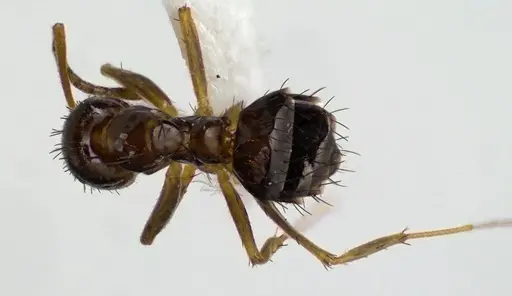
ANTWEB1041627
View on AntWeb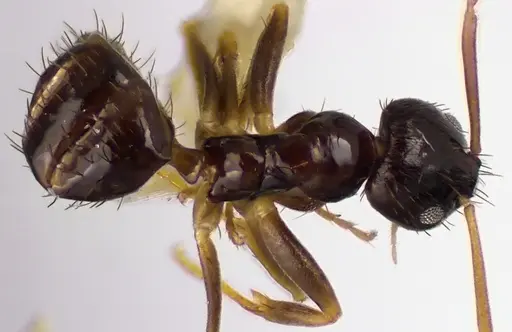
ANTWEB1041738
View on AntWeb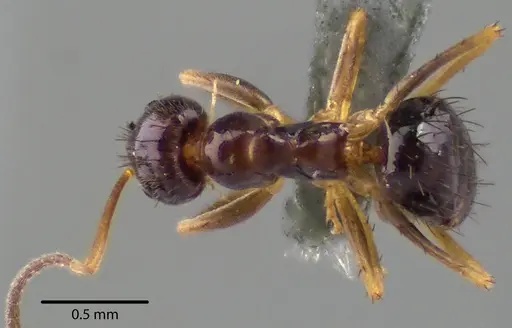
CASENT0003319
View on AntWeb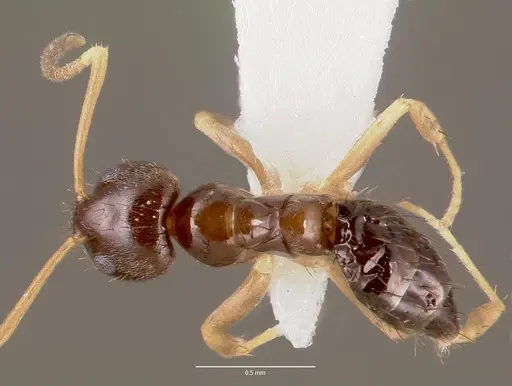
CASENT0104227
View on AntWeb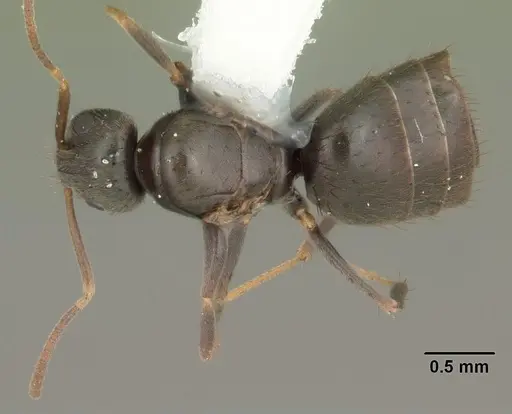
CASENT0104230
View on AntWeb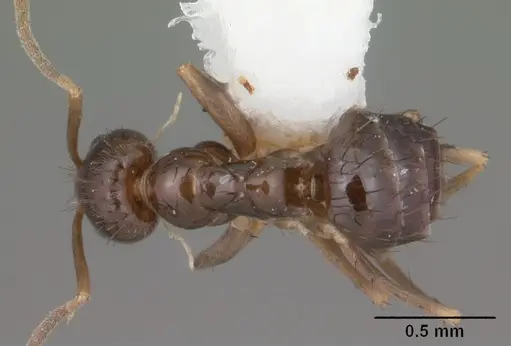
CASENT0903132
View on AntWeb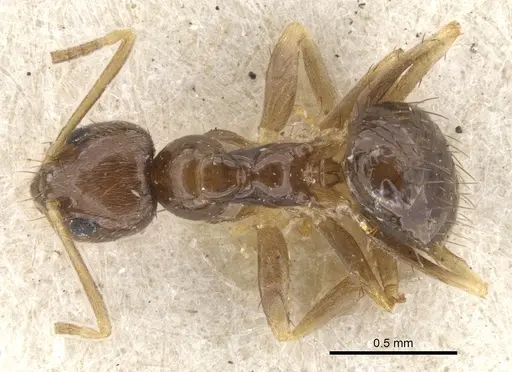
CASENT0915727
View on AntWeb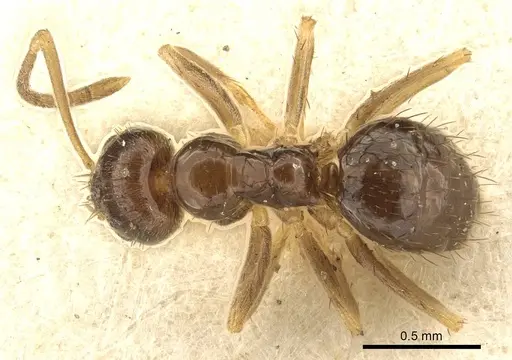
FOCOL2721
View on AntWeb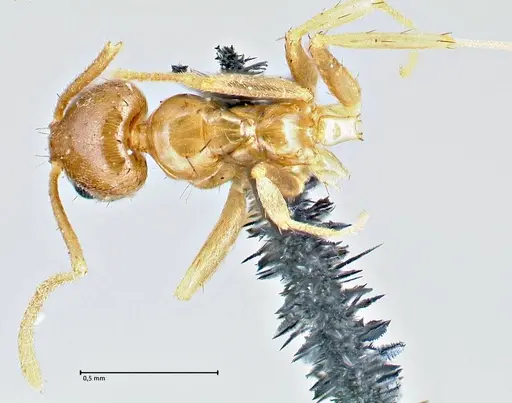
Literature
Loading distribution map...Loading products...