
Nylanderia mexicana
- Sci. Name
- Nylanderia mexicana
- Tribe
- Lasiini
- Subfamily
- Formicinae
- Author
- Forel, 1899
- Distribution
- Found in 1 countries
Introduction
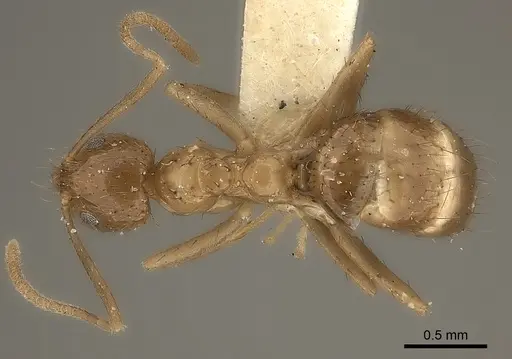
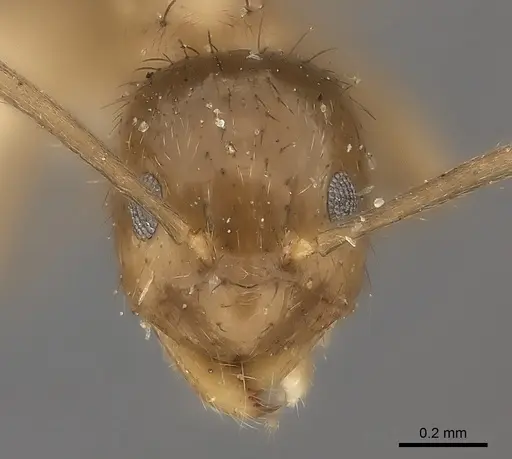
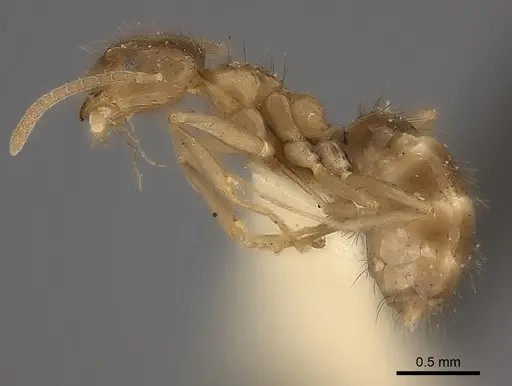
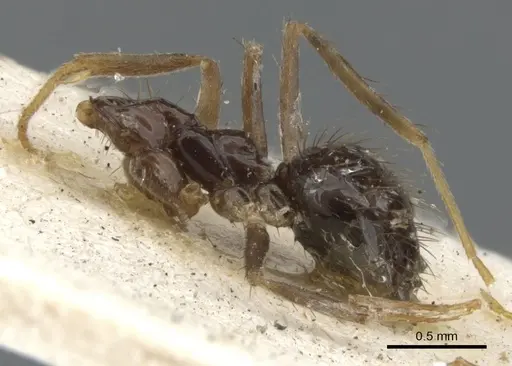
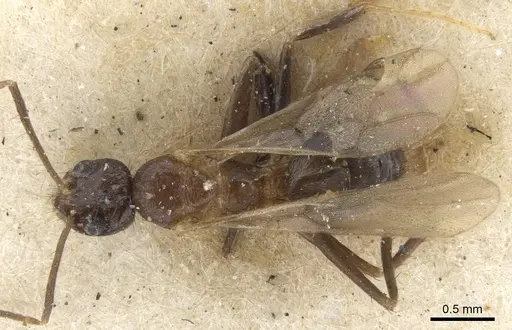
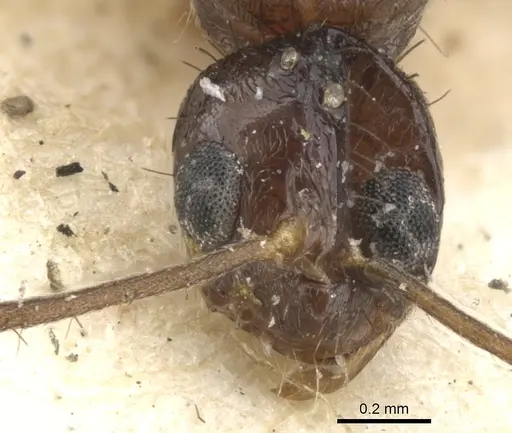
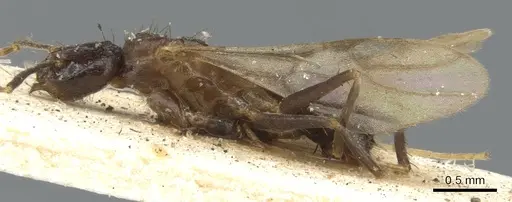
Nylanderia mexicana is a small ant species native to central and southern Mexico. Workers measure 2.7 mm and are light brown to reddish-brown in color. They have been recorded in multiple Mexican states including Veracruz, Hidalgo, Puebla, Tabasco, and the Mexico City area . Like other Nylanderia species, they are known for erratic movement patterns, earning them the common name 'crazy ant' .
Quick Summary
- Difficulty: Medium
- Origin & Habitat: Central and southern Mexico, recorded in Veracruz, Hidalgo, Puebla, Tabasco, and Mexico City area [2]. Likely inhabits tropical and subtropical areas [3].
- Colony Type: Unconfirmed, no specific data on queen number or social structure for this species
- Size & Growth:
- Antkeeping:
- Temperature: Keep warm, roughly 22-26°C, based on tropical origin [3]
- Humidity: Keep substrate consistently moist but not waterlogged [3]
- Diapause: No, tropical species does not require hibernation
- Nesting: Use test tubes for founding colonies. Established colonies may do well in Y-tong nests or other humid setups
- Behavior: Active and fast-moving with low aggression toward keepers. Escape risk is high due to small size [1].
- Common Issues: escape prevention is critical due to tiny size, use fine mesh and tight-fitting lids, founding colonies have high failure rate, ensure proper humidity and minimal disturbance, tropical species may struggle in cool rooms below 20°C, small size requires careful monitoring for mold or dehydration in nests
Housing and Nest Setup
For founding colonies, use a standard test tube setup with a water reservoir. The tube should be clean and have a cotton ball separating the water from the ant space. Keep the founding chamber dark and undisturbed until the first workers emerge. Once the colony has workers, you can consider moving them to a formicarium. Y-tong nests work well because they provide humid, tight chambers that these small ants prefer [3]. Always ensure excellent escape prevention, these tiny ants can squeeze through small gaps [1].
Feeding and Diet
Nylanderia mexicana is omnivorous. Offer sugar water, honey, or diluted maple syrup as a constant carbohydrate source. For protein, provide small insects like fruit flies or pinhead crickets. Feed small protein items 2-3 times per week, and keep sugar water available at all times. Remove uneaten food after 24-48 hours to prevent mold [3].
Temperature and Seasonal Care
As a tropical species from Mexico, these ants require warm conditions year-round. Maintain temperatures around 22-26°C for optimal care. They do not require hibernation, keeping them cool below 18°C for extended periods can stress the colony. A heating cable on one side of the nest can create a temperature gradient [3].
Colony Structure and Growth
Colony structure is unconfirmed for this species. Founding colonies may have higher mortality rates, this is normal for small ant species. Be patient during the founding phase and avoid disturbing the queen until workers emerge. Growth rate is unknown due to lack of data [1].
Behavior and Temperament
These ants are active and fast-moving, with erratic foraging patterns. They are not particularly aggressive and rarely sting due to their small size. Workers forage individually and are excellent climbers, making escape prevention essential [1][3].
Frequently Asked Questions
How long does it take for Nylanderia mexicana to produce first workers?
No data is available on the development timeline for this species. Development time depends on temperature and conditions [3].
Can I keep multiple Nylanderia mexicana queens together?
Colony type is unconfirmed for this species. No data exists on whether multiple queens can coexist [1].
What is the best nest type for Nylanderia mexicana?
Test tubes work well for founding colonies. Once established, Y-tong nests or other humid setups are suitable [3].
Do Nylanderia mexicana need hibernation?
No, as a tropical species from Mexico, it does not require hibernation. Keep them warm year-round.
How big do Nylanderia mexicana colonies get?
No data is available on colony size for this species [1].
Are Nylanderia mexicana good for beginners?
They are rated as medium difficulty due to small size and escape risk, but care requirements are straightforward [3].
What do Nylanderia mexicana eat?
They are omnivorous. Offer sugar water or honey continuously, and protein like small insects 2-3 times per week [3].
Why are my Nylanderia mexicana escaping?
Their small 2.7 mm size allows them to squeeze through tiny gaps. Use fine mesh and ensure tight lids [1].
When should I move Nylanderia mexicana to a formicarium?
Move them once the test tube shows signs of mold or water depletion. They do well in formicariums with small, tight chambers [3].
Report an Issue
The current care sheet is based fully on literature. See inconsistencies, or something that's incorrect? Please , it will be resolved after review from an admin. Contributing to the blogs tab also helps providing information, to make us be able to further improve the caresheets. Thank you for your support!
References

This caresheet is licensed under CC BY-SA 4.0 .
Community Blogs
Literature
Loading distribution map...Loading products...