
Nylanderia magnella
- Sci. Name
- Nylanderia magnella
- Tribe
- Lasiini
- Subfamily
- Formicinae
- Author
- Kallal & LaPolla, 2012
- Distribution
- Found in 1 countries
Introduction
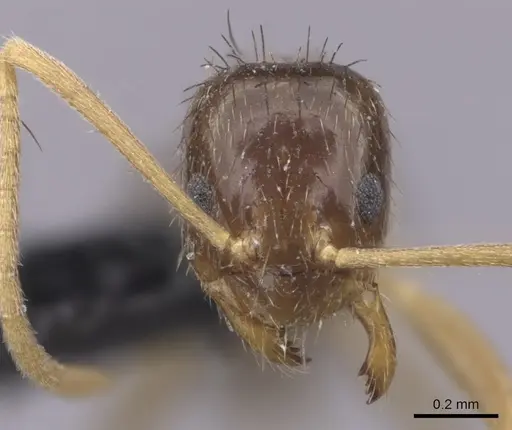
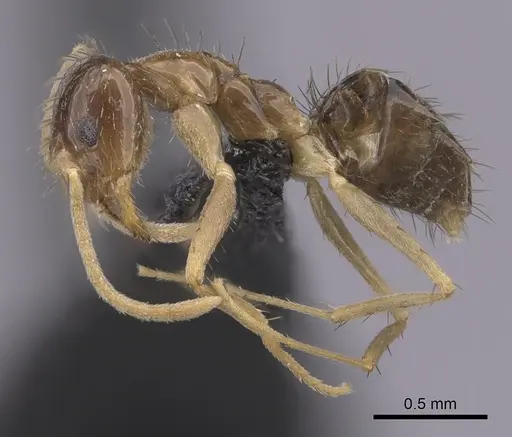
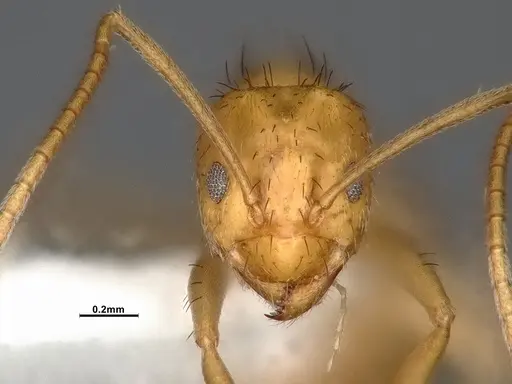
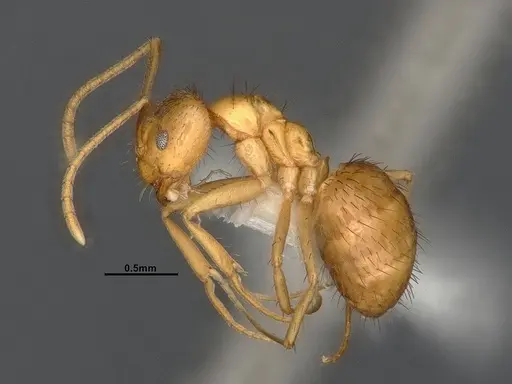
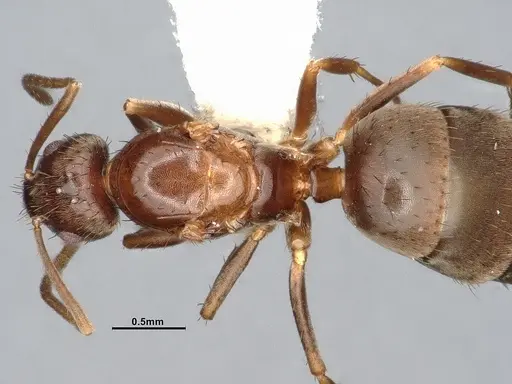
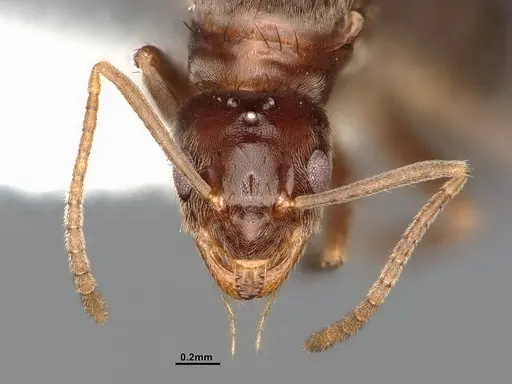
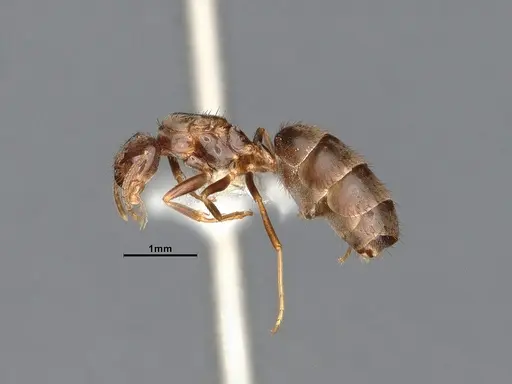
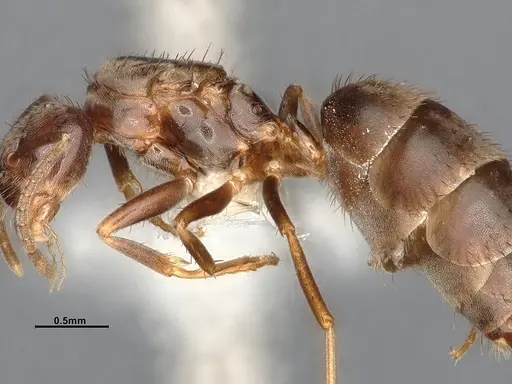
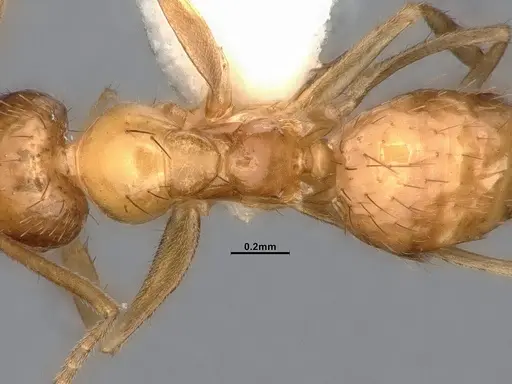
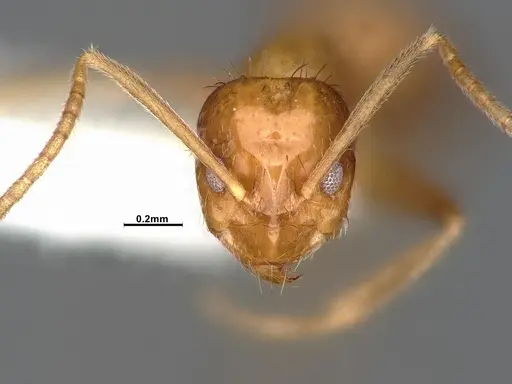
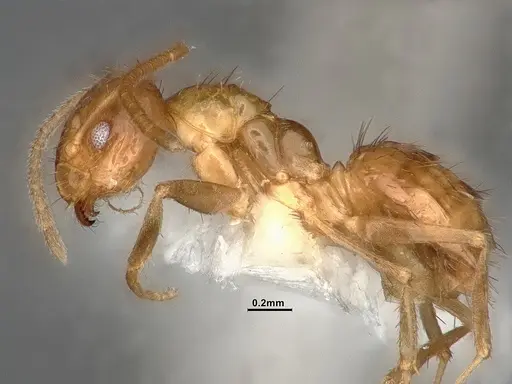
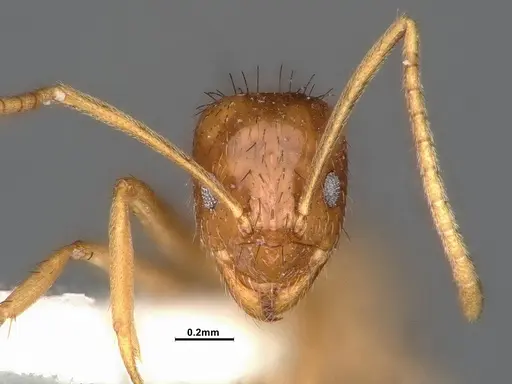
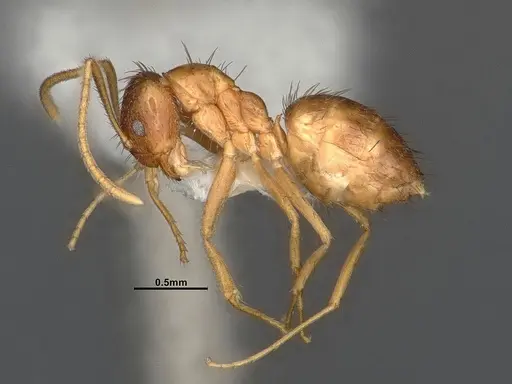
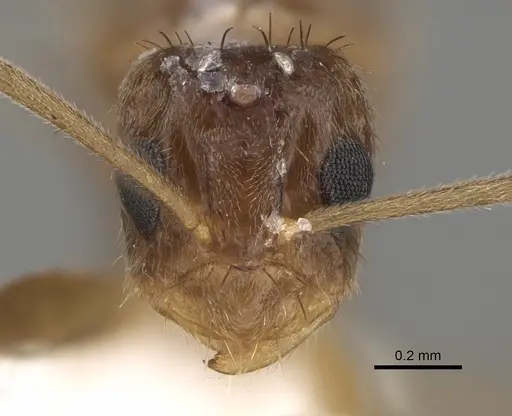
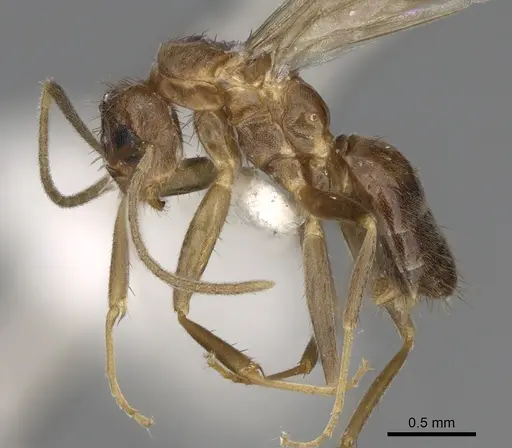
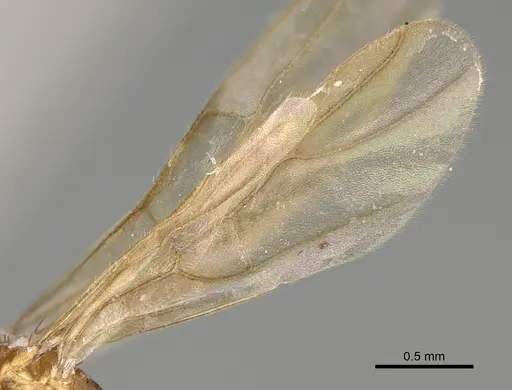
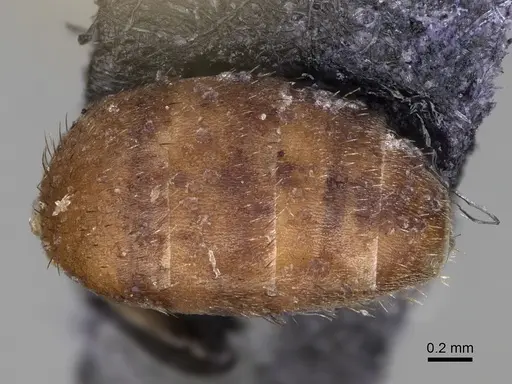
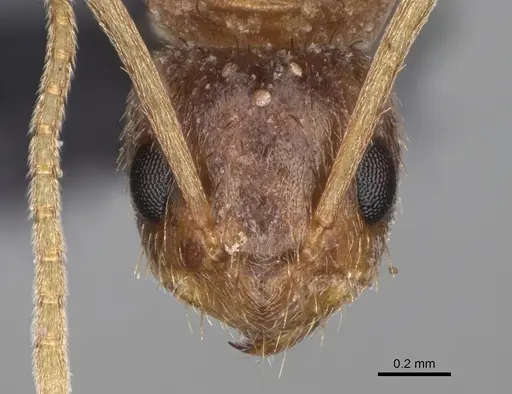
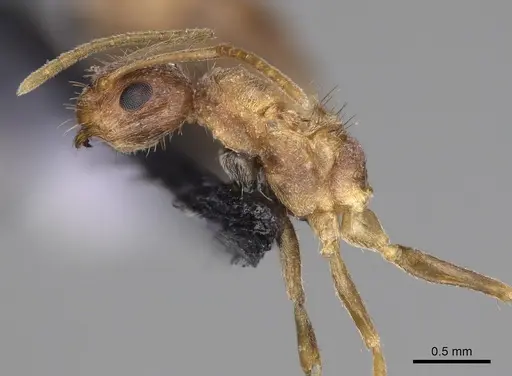
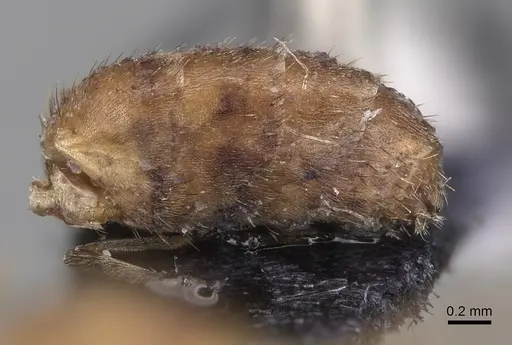
Nylanderia magnella is a relatively large ant species native to the desert southwest of the United States, including southern California, Arizona, and southern Nevada . Workers are 2.25-2.63 mm long and have a distinctive square-shaped head with dense, flattened hairs on their antennae scapes . They are orange-brown in color, sometimes with a darker brown abdomen, and have a smooth, shiny surface. Queens are notably large at 4.39-4.73 mm and are among the largest in the Nearctic region, as are the males which reach 2.99-3.50 mm . This species nests in urban areas, including sidewalk cracks and near homes, as well as in natural coastal sagebrush and grassland habitats .
Quick Summary
- Difficulty: Easy
- Origin & Habitat: Native to the desert southwest of the United States, central Arizona, southern Nevada, and southwestern California. Found in coastal sagebrush and grassland habitats with vegetation including Artemisia californica, Nassella pulchra, and Salvia mellifera. Also commonly nests in urban areas, such as sidewalk cracks and near homes [1][2].
- Colony Type: Polydomous (nests in multiple connected locations) and likely polygynous (multiple queens per colony) [1]. That means a single colony spreads across several nest sites with multiple egg‑laying queens.
- Size & Growth:
- Queen: 4.39-4.73 mm [1]
- Worker: 2.25-2.63 mm [1]
- Colony: Not documented in the literature. Based on similar urban‑adapted Nylanderia species, colonies likely reach several hundred to perhaps a thousand workers.
- Growth: Moderate, based on typical Nylanderia development patterns.
- Development: 6-8 weeks (estimated from related Nylanderia species) (Exact timeline is not specifically documented for this species. The estimate assumes warm (24-28°C) conditions typical of Formicinae development.)
- Antkeeping:
- Temperature: Based on their native desert‑southwest habitat [1], they likely prefer warmth. Keep at 22-28°C. Avoid extremes above 35°C or below 15°C. A temperature gradient (e.g., using a heating cable on one end) lets the colony choose their preferred zone.
- Humidity: Low to moderate, this species comes from a dry region [1]. Keep the nest substrate mostly dry with only a small moist area. Avoid anything wet or waterlogged.
- Diapause: Probably not needed. Since they come from a warm climate, they may slow down a bit in winter but likely remain active year‑round at room temperature [1].
- Nesting: They are adaptable and found in sidewalk cracks and urban crevices [2]. Test tubes work well for founding. For established colonies, use Y‑tong (AAC), plaster, or soil nests with dry to slightly moist substrate. Avoid materials that hold too much water.
- Behavior: Workers move fast and erratically, a typical trait of many Nylanderia. They are not aggressive to keepers but will spray formic acid if threatened. Because workers are under 3 mm, excellent escape prevention is necessary, fine mesh, tight lids, and fluon barriers are essential. Their polydomous nature means they may set up satellite nests inside the enclosure [1].
- Common Issues: escape prevention is critical, their small size lets them squeeze through tiny gaps, use mesh of 0.5 mm or tighter., overheating, they tolerate heat but direct, intense heat can kill if temperatures exceed 35°C., too much moisture, keep the nest dry, high humidity can stress or kill the colony., nutrition, they need a constant source of protein for brood. Offer small insects like fruit flies or pinhead crickets., polydomous colonies may spread throughout the nest if they feel cramped, provide enough space to avoid stress.
Housing and Nest Setup
Nylanderia magnella adapts well to various nest types. For founding, a simple test tube setup works perfectly, fill one end with a water reservoir blocked by cotton, leaving the dry end for the queen and her brood. Once the colony outgrows the test tube, move them to a Y‑tong (AAC), plaster, or soil nest. This species prefers drier conditions than many ants, so choose a nest material that doesn't hold excess moisture. A small outworld connected to the nest gives them room to forage. Because they are polydomous in the wild [1], they may use multiple chambers within a larger nest. Ensure all connections are smooth to prevent escapes during exploration.
Feeding and Diet
Like other Nylanderia, these ants are omnivorous. Offer sugar water, honey, or diluted maple syrup as a constant carbohydrate source. For protein, provide small insects like fruit flies, pinhead crickets, or mealworms. They are active foragers and will quickly find food in the outworld. In the wild they likely tend aphids or collect honeydew, so protein is important for brood development. Feed every 2-3 days, remove uneaten prey after 24 hours to prevent mold. Their small size means even tiny food items are appreciated.
Temperature and Seasonal Care
Because they come from the warm desert southwest [1], Nylanderia magnella thrives at 22-28°C. They tolerate heat well but avoid temperatures above 35°C. Place a heating cable under one side of the nest to create a temperature gradient, the colony can then pick their preferred spot. In winter, room temperature is usually fine, this species likely does not need a true hibernation period. If your room drops below 18°C, a slight increase or a heat mat set to low will help. Consistent warmth promotes faster colony growth and brood development.
Behavior and Colony Dynamics
Workers move quickly and erratically, a common behavior in Nylanderia. They aren't particularly aggressive toward keepers but will defend their nest by spraying formic acid if provoked. The polydomous colony structure [1] means you may see workers establishing satellite nests inside the enclosure, this is normal. Multiple queens (likely polygynous) [1] allow for relatively fast population growth once the colony is established. Workers are small at 2.25-2.63 mm, so use a magnifying glass to watch their activity. They are primarily ground‑nesting but will climb walls and explore vertical surfaces.
Escape Prevention
With workers under 3 mm, escape prevention is absolutely critical. Use test tubes with tightly packed cotton stoppers, loose cotton can be pushed through. For formicariums, cover all openings with fine mesh (0.5 mm or tighter). Apply fluon or barrier tape around the edges of the outworld. Check connections between nest parts regularly, these ants find even the smallest gaps. Their presence in urban sidewalk cracks in the wild [2] shows they exploit tiny spaces. A moat of water or oil around the outworld can help, but regular inspection is more reliable.
Frequently Asked Questions
How long does it take for Nylanderia magnella to produce first workers?
Based on typical Nylanderia development, expect first workers (nanitics) roughly 6-8 weeks after the queen lays eggs, at optimal temperatures around 24-26°C. The exact timeline for this species has not been specifically documented.
Can I keep multiple Nylanderia magnella queens together?
Yes, this species appears to be polygynous in the wild, meaning colonies naturally have multiple queens [1]. Unlike many species where multiple queens fight, N. magnella colonies seem to tolerate several egg‑laying queens. However, when combining unrelated foundresses, introduce them carefully and monitor for aggression at first.
What temperature range is best for Nylanderia magnella?
Keep them at 22-28°C. They are adapted to the desert southwest and tolerate higher temperatures well. Avoid temperatures above 35°C. A temperature gradient (warm one end, cooler the other) lets the colony choose their preferred spot [1].
Are Nylanderia magnella good for beginners?
Yes, they are beginner‑friendly. They are adaptable, tolerate a range of conditions, and are not aggressive. Their small size means attention to escape prevention is needed, but otherwise they are straightforward to care for.
Do Nylanderia magnella need hibernation?
Probably not. Because they come from a warm desert region, they likely do not require a true hibernation period. They may slow down slightly in cooler months, but keeping them at room temperature year‑round should be fine [1].
How big do Nylanderia magnella colonies get?
Colony size is not documented in the literature. Based on similar urban‑adapted Nylanderia species, colonies likely reach several hundred to perhaps a thousand workers. Their polydomous nature means they may spread across multiple nest chambers.
What do Nylanderia magnella eat?
They are omnivorous. Offer sugar water, honey, or maple syrup for carbohydrates. For protein, provide small insects like fruit flies, mealworms, or small crickets. They will likely accept honeydew or aphid secretions if available.
When should I move Nylanderia magnella to a formicarium?
Move them once the colony outgrows the test tube (typically when the tube becomes crowded with workers and brood). Choose a formicarium with appropriately sized chambers, Y‑tong, plaster, or soil nests work well. Make sure the chambers are narrow enough for these small ants.
Why are my Nylanderia magnella escaping?
Their small size means they can squeeze through tiny gaps. Check all connections, lids, and barriers. Apply a fluon barrier around edges, use fine mesh (0.5 mm or tighter), and ensure cotton stoppers in test tubes are packed firmly. Inspect regularly for any gaps.
Report an Issue
The current care sheet is based fully on literature. See inconsistencies, or something that's incorrect? Please , it will be resolved after review from an admin. Contributing to the blogs tab also helps providing information, to make us be able to further improve the caresheets. Thank you for your support!
References

This caresheet is licensed under CC BY-SA 4.0 .
Community Blogs
CASENT0280579
View on AntWeb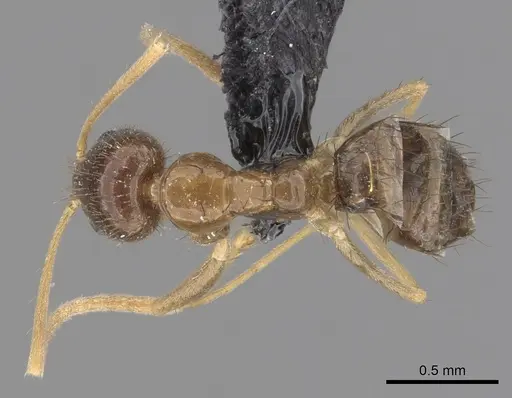
CASENT4031882
View on AntWeb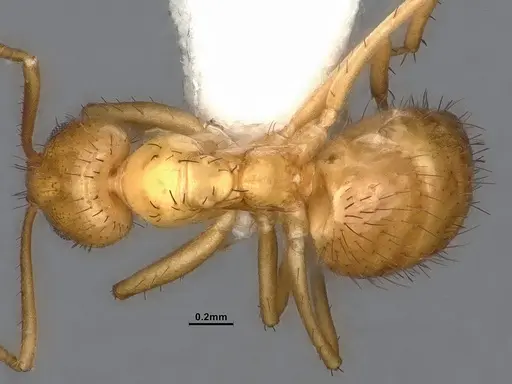
CASENT4031883
View on AntWeb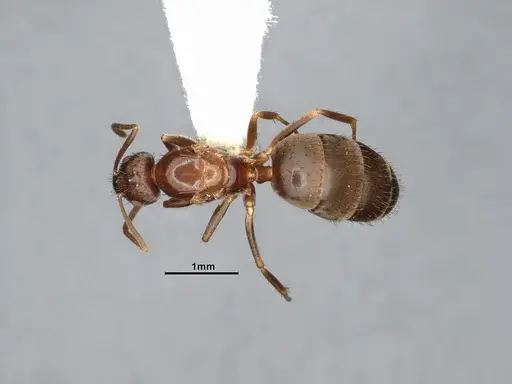
CASENT4031886
View on AntWeb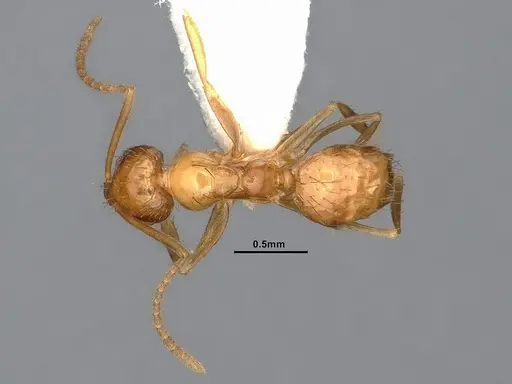
CASENT4031888
View on AntWeb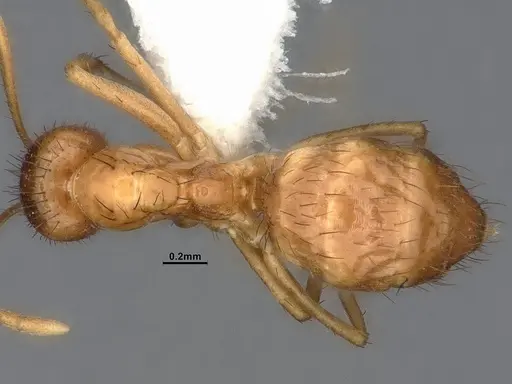
USNMENT00753537
View on AntWeb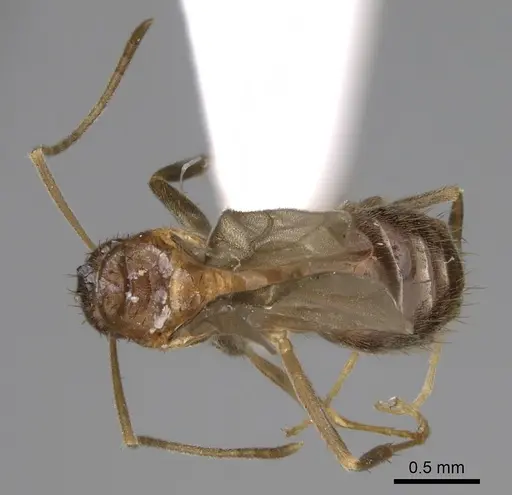
USNMENT00753558
View on AntWeb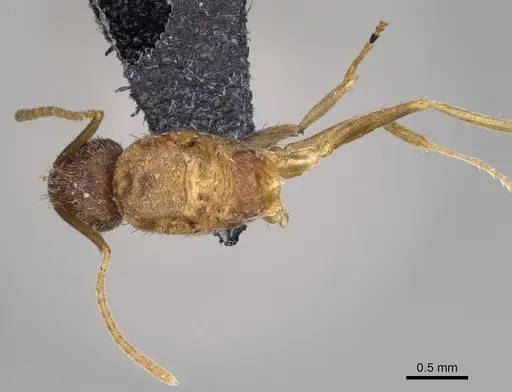
Literature
Loading distribution map...Loading products...