
Nylanderia indica
- Sci. Name
- Nylanderia indica
- Tribe
- Lasiini
- Subfamily
- Formicinae
- Author
- Forel, 1894
- Distribution
- Found in 3 countries
Introduction
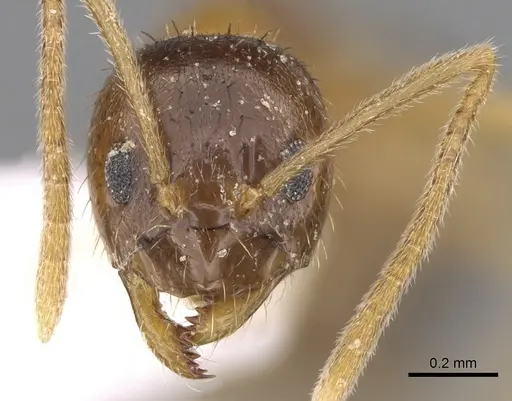
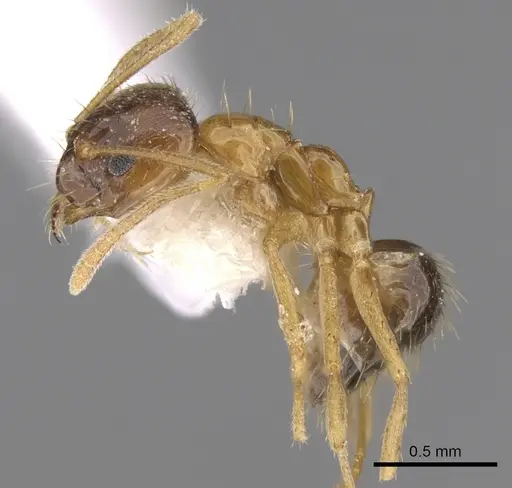
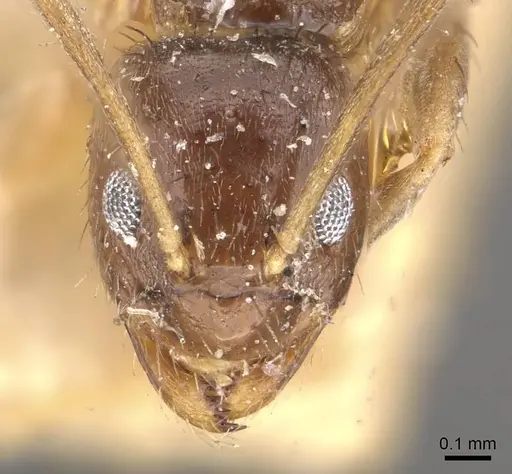
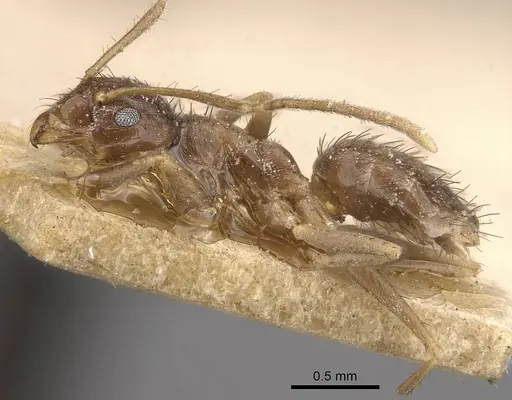
Nylanderia indica is a small ant native to the Indian subcontinent and surrounding regions, with a yellowish-brown to reddish-brown body . It is found across India, Sri Lanka, Bangladesh, Nepal, and southern China, typically in leaf litter, rotting wood, and under stones . A notable trait is that it occasionally serves as an alternative host for the ant guest species Coluocera maderae .
Quick Summary
- Difficulty: Easy
- Origin & Habitat: Native to the Indomalaya region, including India, Sri Lanka, Bangladesh, Nepal, and southern China. Found in leaf litter, rotting wood, and under stones in primary forest habitats [1][2]. Also recorded at high elevations in Nepal (1690-3500 m) [4].
- Colony Type: Colony structure is unconfirmed. No specific data on queen number or social structure is available.
- Size & Growth:
- Queen: size data unavailable
- Worker: size data unavailable
- Colony: Unknown, not documented in available research
- Growth: Unknown, no development data available for this species
- Development: Unknown, no direct development data exists (Development timeline is not studied for this species.)
- Antkeeping:
- Temperature: Keep at room temperature, roughly 22-28°C. This species originates from tropical and subtropical regions, so warmth supports activity [5].
- Humidity: Keep the nest substrate consistently moist but not waterlogged, with some drier areas available. In the wild, they nest in humid environments like under date palm trees [5].
- Diapause: Unknown, no data on winter dormancy. Given its tropical origin, it may not require diapause.
- Nesting: Use a naturalistic setup with leaf litter material, rotting wood pieces, or a test tube with moist substrate. They do well in setups that mimic forest floor conditions [5].
- Behavior: These are small, docile ants that forage individually in leaf litter and debris. They are not aggressive and pose no threat to humans. Because of their tiny size, escape prevention is critical, they can slip through small gaps. They are commonly found in less-urbanized to moderately-urbanized areas [6].
- Common Issues: tiny size makes escape likely without fine mesh barriers., no documented development timeline makes timing uncertain., colony size unknown so growth expectations are unclear., wild-caught colonies may have parasites given they host guest species., humidity control is important, too dry causes desiccation.
Housing and Nest Setup
Nylanderia indica is a small ant that does well in simple setups. Test tubes work well for founding colonies, use a standard test tube setup with a water reservoir at one end. The tube should be kept horizontal or at a slight angle so the queen can find the humid end. Because workers are tiny, use a test tube with a tight-fitting cotton to prevent escapes. Once the colony grows, you can move them to a small formicarium. A Y-tong (AAC) nest or a small plaster nest with narrow chambers works well. Add some leaf litter material or small pieces of rotting wood to the outworld to give foragers something to explore [7].
Feeding and Diet
These ants are omnivorous. Offer sugar water or honey as a constant energy source. For protein, offer small insects like fruit flies, pinhead crickets, or small mealworm pieces. Prey should be appropriately sized for their tiny workers. Feed protein every 2-3 days and keep sugar water available at all times [7].
Temperature and Humidity
Keep your colony at room temperature, ideally between 22-28°C. This species originates from tropical and subtropical regions, so they do well in warm conditions [5]. For humidity, aim for moderate to high levels. Their natural habitat suggests they prefer damp conditions. Keep the nest substrate moist but not saturated [5].
Behavior and Colony Life
Nylanderia indica workers are small, active foragers that search individually through leaf litter and debris. They are not aggressive and pose no threat to keepers. Colonies appear to remain relatively small. In the wild, they are often found in primary forest habitats and are considered habitat specialists [2]. They are common in less-urbanized to moderately-urbanized areas [6]. Workers are yellowish-brown to reddish-brown, blending into forest floor environments [1].
Seasonal Care
Because this species comes from tropical and subtropical regions, it may not require a true hibernation period. There is no documented diapause requirement. Simply maintain normal room temperature and care year-round. If you notice reduced activity in winter, you can lower temperatures slightly, but do not feed less, continue offering food in smaller amounts if needed [7].
Frequently Asked Questions
How long does it take for Nylanderia indica to raise first workers?
The exact timeline is unknown. No specific development data exists for this species.
What do Nylanderia indica ants eat?
They are omnivorous. Offer sugar water or honey constantly for energy, and protein sources like small fruit flies or pinhead crickets every 2-3 days [7].
Are Nylanderia indica good for beginners?
Yes, they are considered an easy species to keep. They are small, docile, and have simple housing requirements. The main challenge is their tiny size, requiring good escape prevention [7].
What temperature do Nylanderia indica need?
Room temperature between 22-28°C is ideal, as they come from tropical regions [5].
How big do Nylanderia indica colonies get?
The maximum colony size is not documented in available research.
Can I keep multiple Nylanderia indica queens together?
The colony structure is unconfirmed. Combining unrelated queens is not recommended since it has not been documented.
What type of nest is best for Nylanderia indica?
A test tube setup works well for founding colonies. Once established, a small Y-tong or plaster nest with narrow chambers scaled to their tiny size works best. Keep the nest material moist but not waterlogged [7].
Report an Issue
The current care sheet is based fully on literature. See inconsistencies, or something that's incorrect? Please , it will be resolved after review from an admin. Contributing to the blogs tab also helps providing information, to make us be able to further improve the caresheets. Thank you for your support!
References

This caresheet is licensed under CC BY-SA 4.0 .
Community Blogs
CASENT0281126
View on AntWeb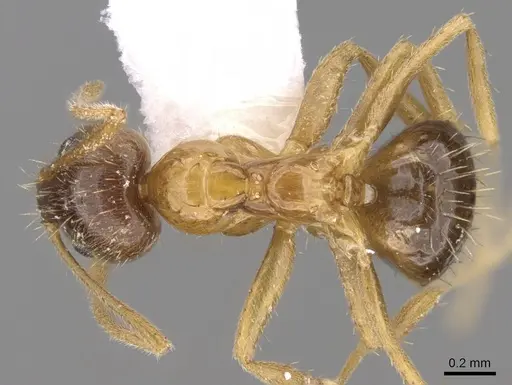
CASENT0911008
View on AntWeb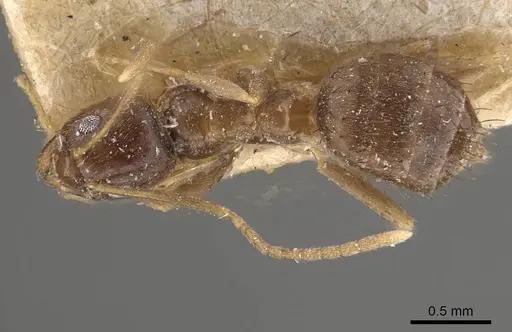
Literature
Loading distribution map...Loading products...