
Notostigma carazzii
- Sci. Name
- Notostigma carazzii
- Tribe
- Melophorini
- Subfamily
- Formicinae
- Author
- Emery, 1895
- Distribution
- Found in 1 countries
Introduction
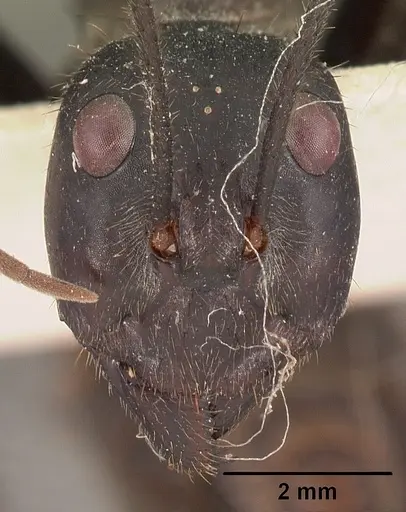
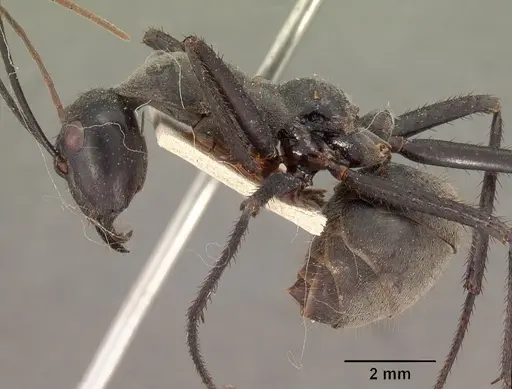
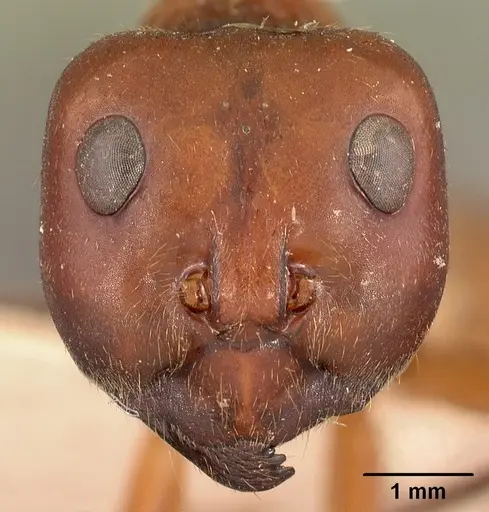
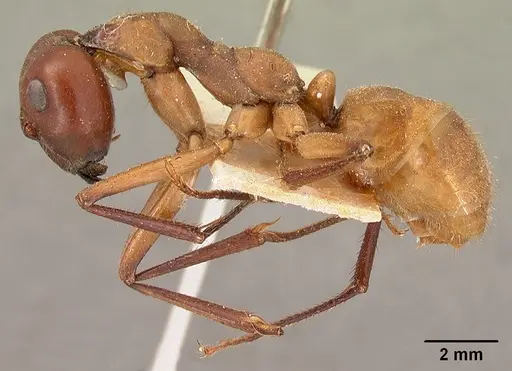
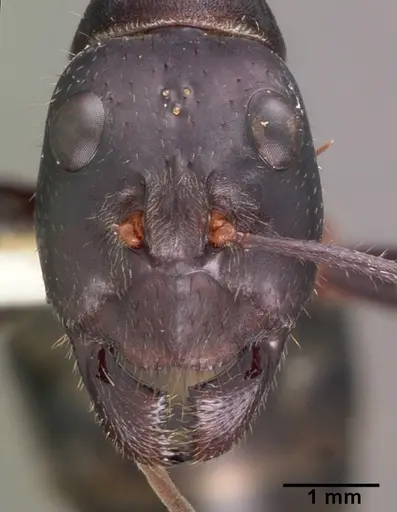
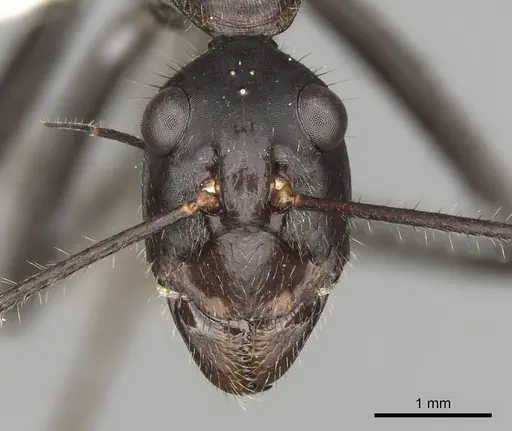
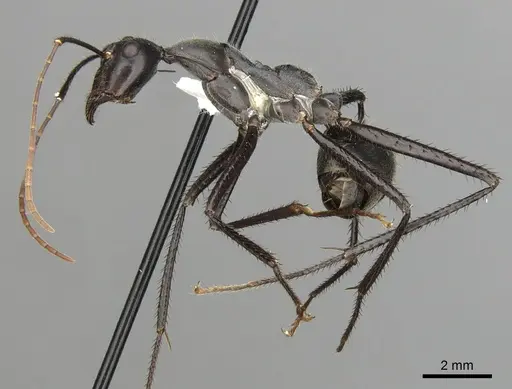
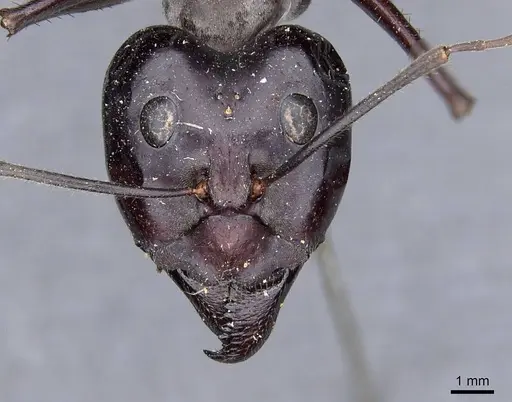
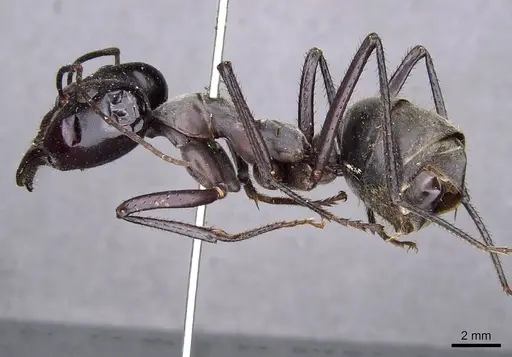
Notostigma carazzii is one of the largest ants in Australia and a member of the subfamily Formicinae. Workers are dull deep brown to almost black, with the head typically darker and shiny, especially in soldiers whose head width can exceed 6 mm . This species is native to Queensland, Australia, inhabiting rainforests and wet sclerophyll forests at elevations between 200-1000 m . Nests are built in soil at the base of large trees with large, open entrances often sheltered by tree roots or rotting wood . What makes N. carazzii unique is its strictly nocturnal lifestyle - colonies are quiescent during the day but highly active at night, with workers foraging solitarily and defending aggressively after dark .
Quick Summary
- Difficulty: Medium
- Origin & Habitat: Queensland, Australia, found in rainforests and wet sclerophyll forests at elevations between 200-1000 m [1]. Nests are constructed in soil at the base of large trees with large, open entrances often sheltered by exposed tree roots or rotting wood [1].
- Colony Type: Colony structure is unconfirmed, based on typical Formicinae patterns, likely monogyne (single queen), but no specific study has documented queen number.
- Size & Growth:
- Queen: Size data unavailable, no total length measurements found in literature.
- Worker: Size data unavailable, no total length measurements found in literature. Soldiers have head widths exceeding 6 mm [1], but body size is unknown.
- Colony: Colony size unknown.
- Growth: Moderate, inferred from typical Formicinae development patterns.
- Development: Estimated 8-12 weeks at optimal temperature, based on inferred Formicinae development patterns. (Development time is estimated from genus-level data since no direct species-specific study exists.)
- Antkeeping:
- Temperature: Keep warm and stable, around 22-26°C, inferred from tropical habitat [1].
- Humidity: Keep nest substrate consistently moist but not waterlogged, based on their soil-nesting behavior [1].
- Diapause: No true diapause required, as a tropical species, they may show reduced activity in cooler months [1].
- Nesting: Provide deep soil chambers (at least 10-15 cm) in a formicarium, with large open entrances [1].
- Behavior: N. carazzii is nocturnal, with colonies active at night and quiescent during the day. Workers forage solitarily and defend by spraying formic acid, which can irritate skin and eyes [1]. Escape risk is moderate due to their size, but they can climb smooth surfaces.
- Common Issues: inadequate humidity can lead to colony dehydration and death., temperature fluctuations may disrupt development and activity., insufficient nesting space can prevent colony growth., nocturnal behavior may confuse keepers, leading to neglect during daytime checks.
Housing and Nest Setup
Notostigma carazzii requires a spacious setup due to its large size and deep nesting behavior. In the wild, chambers extend at least 0.5 m underground, so provide deep substrate of at least 10-15 cm in a formicarium [1]. Y-tong nests with large chambers or naturalistic setups with deep soil work well. The nest entrance should be large and open, these ants naturally have large, conspicuous nest openings. Place the nest in a quiet, dark location since they are strictly nocturnal. The outworld should be spacious with multiple foraging areas. Use a water reservoir system to maintain humidity without frequent misting.
Feeding and Diet
As a Formicinae species, N. carazzii likely has an omnivorous diet typical of the subfamily. They probably consume honeydew from sap-feeding insects, nectar from flowers, and protein from insects. In captivity, offer sugar water or honey as a constant energy source. For protein, provide insects appropriate to their size. They are nocturnal foragers, so place food in the outworld in the evening. The lack of Blochmannia bacteria in this species [2] suggests possible different nutritional needs, but exact implications for captive diet are unclear.
Temperature and Seasonal Care
Keep Notostigma carazzii at warm, stable conditions around 22-26°C, inferred from their tropical habitat [1]. Avoid direct heat sources that could dry out the nest. A heating cable on one side can create a temperature gradient. As a tropical species, they likely do not require true hibernation, reduced activity in cooler months is normal.
Behavior and Defense
This species is strictly nocturnal. During daylight, the colony remains deep underground with minimal activity [1]. At night, workers emerge to forage and defend aggressively by spraying formic acid, which has a noticeable odor [1]. Workers forage solitarily over many meters and navigate visually. Avoid disturbing the nest after dark when defenders are active.
Establishing Wild Colonies
If you obtain a wild-caught colony, be aware that N. carazzii has a patchy distribution [1]. Replicate natural conditions: deep nesting space, large entrance, high humidity, and a quiet dark location. Expect initial stress and possible reluctance to forage during the day. Be patient and avoid frequent disturbance during founding.
Frequently Asked Questions
Can I keep Notostigma carazzii in a test tube?
No, test tubes are not suitable for established colonies. These ants require deep nesting space and large chambers due to their natural behavior [1]. Use a Y-tong nest or naturalistic formicarium with deep substrate.
When should I move Notostigma carazzii to a formicarium?
Move them once the colony shows stable activity and needs more space. Since they require deep nesting from the start, consider a formicarium even for founding colonies if humidity can be maintained.
How long until first workers with Notostigma carazzii?
Estimated 8-12 weeks from egg to first worker at optimal temperature, based on inferred Formicinae development patterns.
Are Notostigma carazzii good for beginners?
No, this species is not ideal for beginners due to their large size, deep nesting requirements, nocturnal behavior, and formic acid defense.
Can I keep multiple queens together?
Not recommended. There is no documented study on combining unrelated queens for this species. Based on typical Formicinae behavior, they are likely single-queen colonies.
How big do Notostigma carazzii colonies get?
Colony size is not well documented and unknown.
Do Notostigma carazzii need hibernation?
No true hibernation is required. As a tropical species, they may show reduced activity during cooler months [1].
What do Notostigma carazzii eat?
They are omnivorous. Offer sugar water or honey as a constant energy source, and protein from insects several times per week. They are nocturnal, so feed in the evening.
Why is my Notostigma carazzii colony always inactive?
This is normal! N. carazzii is strictly nocturnal, they rest during the day and become active at night [1]. Check on them at night with a red light to observe their natural behavior.
Are Notostigma carazzii dangerous?
Not dangerous to humans, but their formic acid spray can be irritating. They are not aggressive during the day but will defend at night. Handle with care.
Report an Issue
The current care sheet is based fully on literature. See inconsistencies, or something that's incorrect? Please , it will be resolved after review from an admin. Contributing to the blogs tab also helps providing information, to make us be able to further improve the caresheets. Thank you for your support!
References

This caresheet is licensed under CC BY-SA 4.0 .
Community Blogs
CASENT0102089
View on AntWeb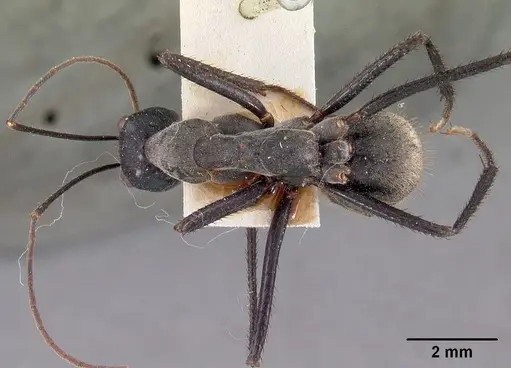
CASENT0102090
View on AntWeb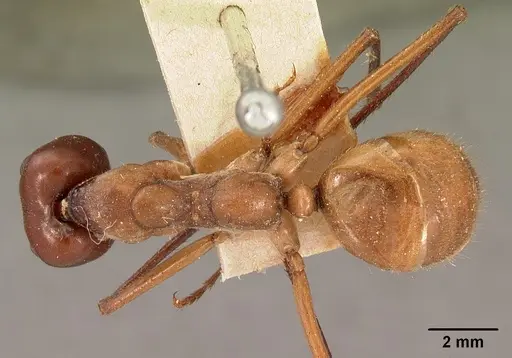
CASENT0102377
View on AntWeb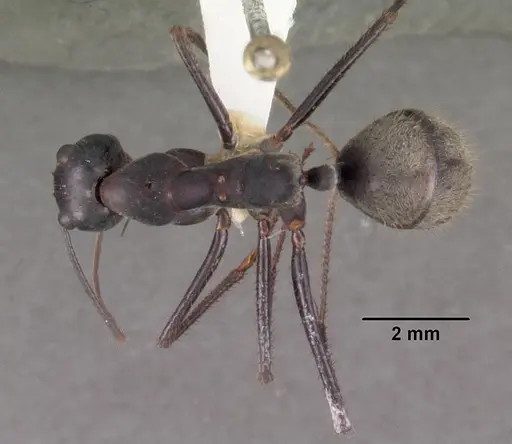
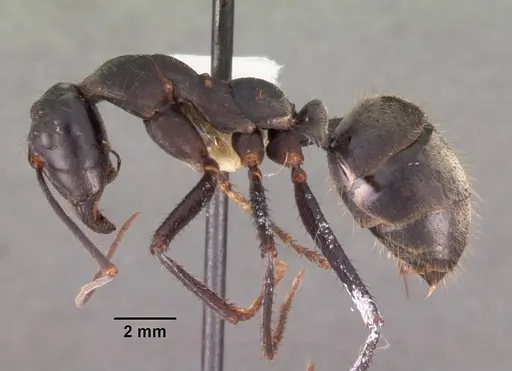
CASENT0106112
View on AntWeb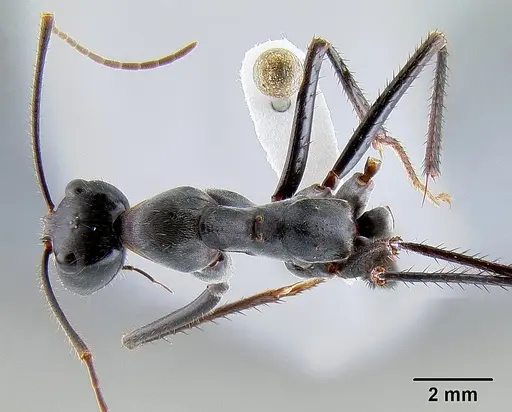
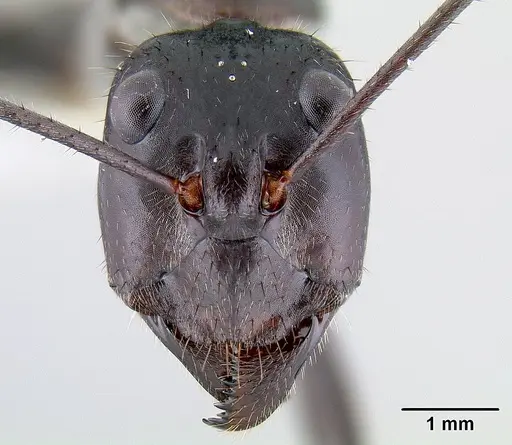
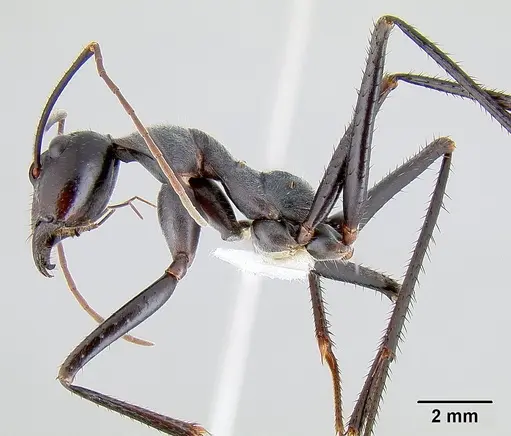
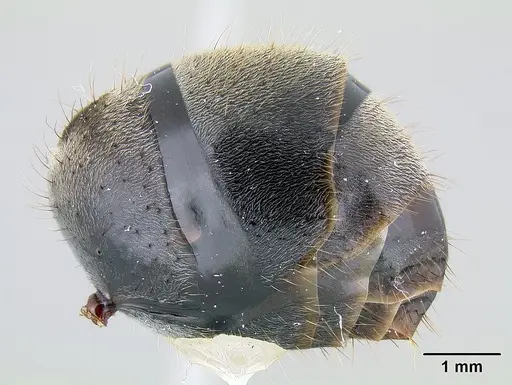
CASENT0280569
View on AntWeb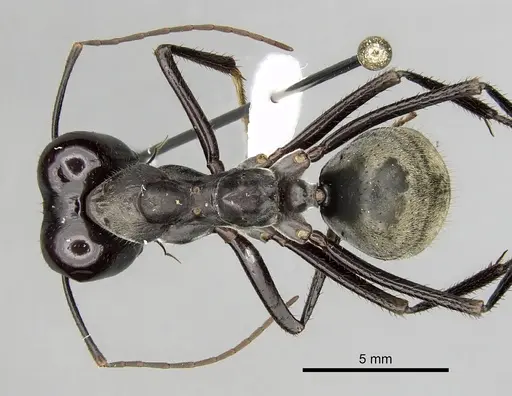
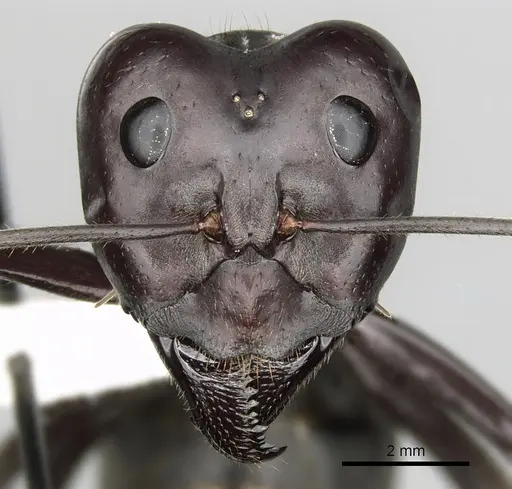
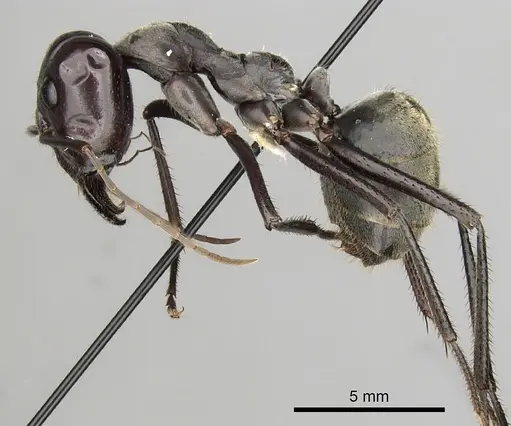
CASENT0280570
View on AntWeb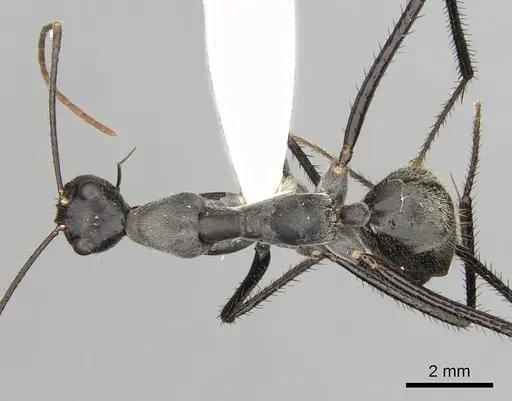
CASENT0909945
View on AntWeb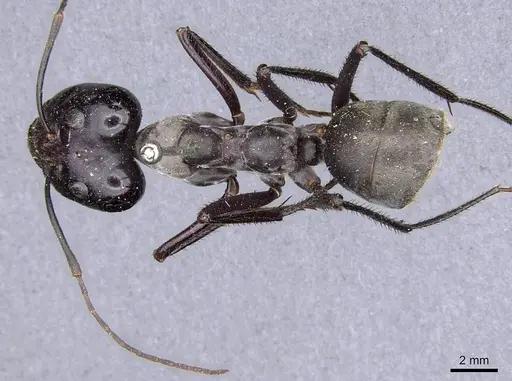
Literature
Loading distribution map...Loading products...