Notoncus spinisquamis shows a March to October flight window. Peak activity occurs in March, with nuptial flights distributed across 5 months.
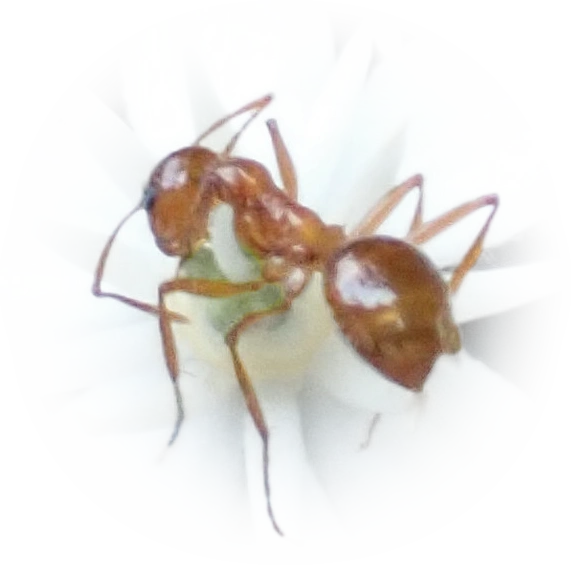
Notoncus spinisquamis
- Sci. Name
- Notoncus spinisquamis
- Tribe
- Melophorini
- Subfamily
- Formicinae
- Author
- André, 1896
- Distribution
- Found in 1 countries
- Nuptial Flight
- From March to October
- Peak flight Time
- 20:00
AI Identifiable
try →
Introduction
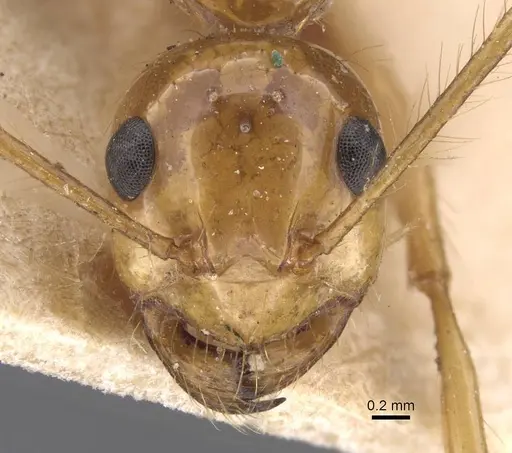
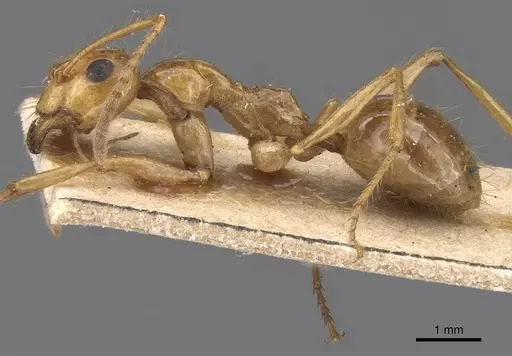
Notoncus spinisquamis is a large, slender ant species native to Australia. Workers feature notably long appendages, with antennal scapes extending well beyond the head. The species lacks a scutellum, a small plate on the upper back, and has rounded shoulder regions . You will find this ant exclusively in Australia, with confirmed records from sclerophyll forest communities in north-eastern Tasmania . As a member of the subfamily Formicinae, they defend themselves by spraying formic acid rather than stinging. The genus Notoncus belongs to the Melophorini tribe, which contains relatively few described species primarily distributed across southern Australia. Their large size and distinct morphology make them stand out among Australian forest ants. Captive care data remains extremely limited, so you will need to rely on general Formicinae husbandry practices while closely monitoring colony health.
Quick Summary
- Difficulty: Hard
- Origin & Habitat: Sclerophyll forest communities in north-eastern Tasmania, Australia [2]. These habitats feature dry, eucalyptus-dominated vegetation with tough, leathery leaves.
- Colony Type: Colony structure is unconfirmed. No published data exists on queen number or social organization.
- Size & Growth:
- Queen: size unknown, inferred from Notoncus genus (~10-14mm)
- Worker: size unknown, inferred from Notoncus genus (~6-10mm)
- Colony: Unknown, no colony size data published
- Growth: Unknown, no development data available
- Development: Estimated 8-12 weeks based on typical Formicinae development at temperate temperatures (No direct species-specific data available. Estimates rely on related Formicinae patterns in temperate Australian species.)
- Antkeeping:
- Temperature: Keep warm and stable, roughly low-to-mid 20s°C. Provide a gentle thermal gradient so workers can self-regulate. Avoid overheating, as temperatures above 25°C are likely stressful.
- Humidity: Keep the nest substrate consistently moist but not waterlogged. Provide a dry zone to match their sclerophyll forest origin.
- Diapause: Likely required. Tasmania experiences distinct cold winters. Provide 3-4 months of cool dormancy (roughly 5-10°C) during winter months.
- Nesting: No specific nesting data available. Based on their habitat, they likely nest in soil or under stones. A standard formicarium with soil substrate or a Y-tong (AAC) nest would be appropriate starting points.
- Behavior: Behavior is poorly documented. As Formicinae, they are not aggressive but may spray formic acid when threatened. Escape risk is moderate given their larger worker size. Activity levels likely follow seasonal patterns matching their temperate origin.
- Common Issues: limited species-specific care information makes proper husbandry challenging, hibernation requirements are not well documented but likely necessary for Tasmania origin, no published data on diet acceptance requires experimentation, colony founding behavior is unconfirmed, wild-caught colonies may carry parasites or diseases with no documented treatment protocols
Nuptial Flight Activity Analysis 110 observations
Flight Activity by Hour 110 observations
Notoncus spinisquamis nuptial flight activity peaks around 20:00 during the evening. Activity is spread across a 16-hour window (08:00–23:00). Times may be influenced by human observation patterns.
Origin and Distribution
Notoncus spinisquamis is endemic to Australia. You can find this species in Tasmania, specifically in sclerophyll forest communities at Old Chum Dam in north-eastern Tasmania [2]. The habitat indicates a preference for relatively dry, open woodland environments typical of much of temperate Australia. No other published distribution data exists, though the genus Notoncus ranges across southern Australia.
Identification and Morphology
This is a large, slender ant species with notably long appendages. The most distinctive feature is the extremely long antennal scapes, which measure at least 1.2 times the length of the head. The species lacks a scutellum, a small plate on the upper back, and the metanotal spiracles may connect via a low ridge. The humeri (shoulder regions of the thorax) are rounded without projecting angles. Workers are significantly larger than many common Formicinae species, making them relatively easy to identify to genus level [1].
Temperature and Seasonal Care
Based on the Tasmania collection records, this species originates from a temperate climate with distinct seasons. Keep colonies at room temperature with a gentle thermal gradient allowing workers to self-regulate. Because Tasmania experiences cold winters, a hibernation period is likely necessary. Provide 3-4 months at 5-10°C during winter (roughly May-July in the Southern Hemisphere). Avoid overheating, as temperatures above 25°C are probably stressful for this species. A heating cable on only one side of the nest allows for a temperature gradient without raising the entire setup.
Housing and Nesting
No specific nesting data exists for this species. Based on the sclerophyll forest habitat and typical Formicinae behavior, they likely nest in soil or under stones in the wild. For captivity, a standard formicarium with a soil substrate or a Y-tong (AAC) nest would be appropriate starting points. The large worker size means chambers should be appropriately scaled. Provide a water tube for humidity, but allow portions of the nest to dry between waterings to match the relatively dry sclerophyll environment.
Feeding and Diet
No specific dietary data exists for Notoncus spinisquamis. As a Formicinae member, they likely have a generalist diet similar to most ants in this subfamily. Offer sugar water or honey as an energy source, and protein sources such as mealworms, crickets, or other small insects. Given their large size, they can handle prey items that would be too large for smaller ant species. Start with standard ant husbandry foods and observe acceptance. Remove uneaten prey within 24-48 hours to prevent mold.
Defense and Handling
As a Formicinae member, Notoncus spinisquamis does not have a functional stinger. Instead, they defend by spraying formic acid, a chemical irritant produced by their metapleural gland. While not dangerous to healthy humans, the spray can cause irritation to eyes and skin. Handle with care and avoid disturbing colonies unnecessarily. Their large size makes them relatively easy to contain with standard barrier methods. They are not considered aggressive and are unlikely to bite [1].
Frequently Asked Questions
How long does it take for Notoncus spinisquamis to produce first workers?
The egg-to-worker timeline is unconfirmed for this species. Based on typical Formicinae development in temperate Australian species, estimate 8-12 weeks at optimal room temperature (around 20°C). Growth may be slower than tropical species due to the temperate origin.
What temperature should I keep Notoncus spinisquamis at?
Keep them at room temperature, roughly 18-22°C. This species comes from temperate Tasmania and does not require heat supplementation. A slight temperature gradient allows workers to choose their preferred zone.
Do Notoncus spinisquamis need hibernation?
Likely yes. Tasmania experiences cold winters, and this species almost certainly requires a cool dormancy period. Provide 3-4 months at 5-10°C during winter months.
What do Notoncus spinisquamis eat?
Diet is unconfirmed, but they likely accept standard ant foods: sugar water or honey for energy, and protein sources like mealworms, crickets, or other small insects. Their large size allows them to tackle prey items too big for smaller ants.
Are Notoncus spinisquamis good for beginners?
Not recommended for beginners. This is a poorly studied species with limited captive data available. Care requirements are not well established, making successful husbandry more challenging than for common species with documented care protocols.
How big do Notoncus spinisquamis colonies get?
Colony size is unknown. No published data exists on maximum colony size. Based on their large worker size and genus, colonies likely reach several hundred workers over several years.
Can I keep multiple Notoncus spinisquamis queens together?
Unknown. No published data exists on colony structure or queen behavior. Do not attempt to combine unrelated queens without established protocols for this species.
What type of nest should I use for Notoncus spinisquamis?
No specific data exists, but a Y-tong (AAC) nest or a naturalistic setup with soil substrate would be appropriate. Their large size and likely soil-nesting behavior in sclerophyll forests suggests these standard setups will work.
Where is Notoncus spinisquamis found in the wild?
This species is endemic to Australia, specifically documented in sclerophyll forest communities in north-eastern Tasmania [2]. The genus Notoncus is distributed across southern Australia.
When is the nuptial flight of Notoncus spinisquamis?
The nuptial flight of Notoncus spinisquamis typically occurs From March to October.
What time of day does Notoncus spinisquamis fly?
The nuptial flight of Notoncus spinisquamis peaks around 20:00 during the evening, with most activity between 08:00 and 23:00. Times may be influenced by human observation patterns.
Report an Issue
The current care sheet is based fully on literature. See inconsistencies, or something that's incorrect? Please , it will be resolved after review from an admin. Contributing to the blogs tab also helps providing information, to make us be able to further improve the caresheets. Thank you for your support!
References

This caresheet is licensed under CC BY-SA 4.0 .
Community Blogs
CASENT0280565
View on AntWeb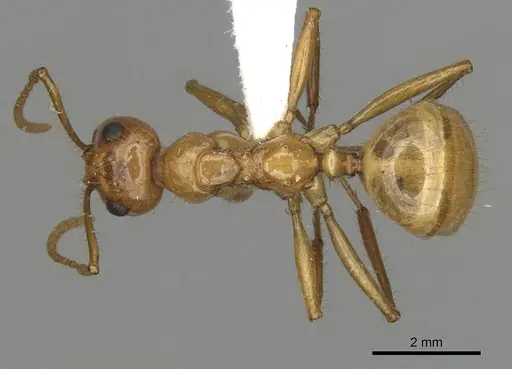
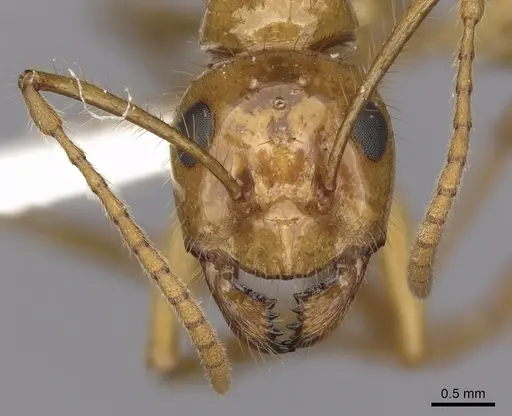
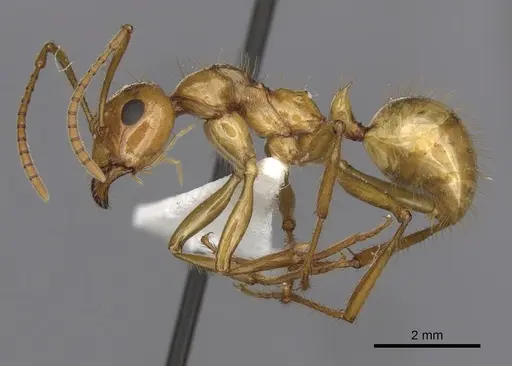
CASENT0913756
View on AntWeb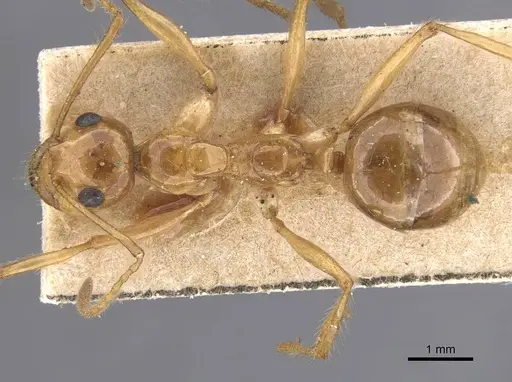
Literature
Loading distribution map...Loading products...