
Notoncus hickmani
- Sci. Name
- Notoncus hickmani
- Tribe
- Melophorini
- Subfamily
- Formicinae
- Author
- Clark, 1930
- Distribution
- Found in 1 countries
Introduction
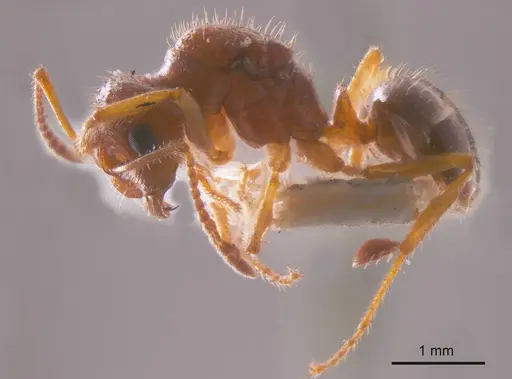
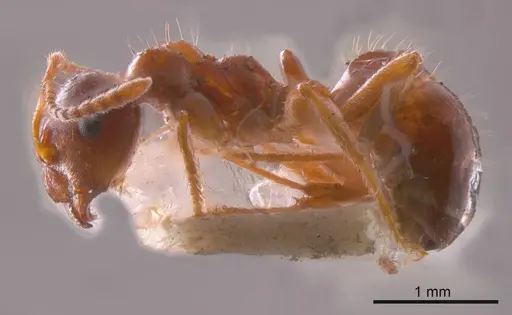
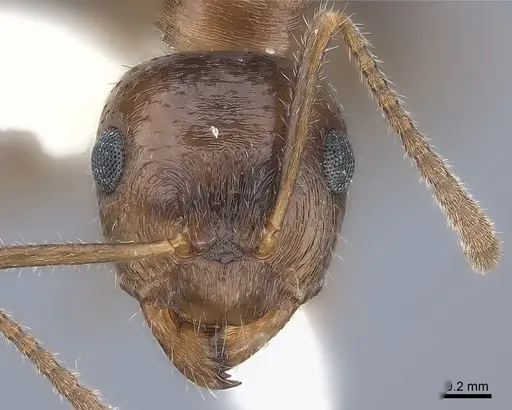
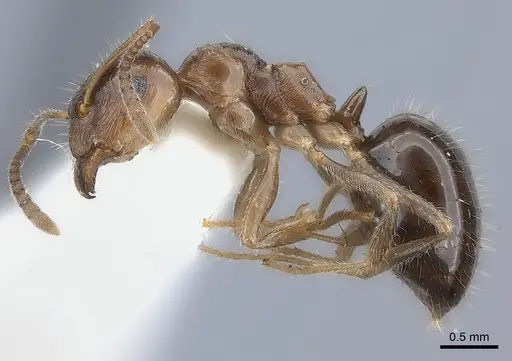
Notoncus hickmani is a small, robust ant native to southwestern Australia, especially common around Perth . Workers are compact and lack a sharply defined scutellum or prominent trunk processes . The antennal scapes are usually shorter than the head. It belongs to the Formicinae subfamily and Melophorini tribe. This species occurs in all Australian mainland states except the Northern Territory .
Quick Summary
- Difficulty: Medium
- Origin & Habitat: Southwestern Australia, particularly the Perth region. Thrives in Mediterranean climate with warm, dry summers and mild, wet winters [1].
- Colony Type: Unconfirmed, colony social structure has not been documented.
- Size & Growth:
- Queen: Size data unavailable.
- Worker: Size data unavailable.
- Colony: Unknown, no documented estimate.
- Growth: Unknown, no data.
- Development: Unknown, no specific data available. (No development timeline has been documented for this species.)
- Antkeeping:
- Temperature: No specific temperature data from research. Based on its Mediterranean habitat, provide a gradient around 22‑26°C and observe colony behavior.
- Humidity: No specific data. Given the dry southwestern Australian climate, keep the nest moderately dry with a small moist area, avoid waterlogging.
- Diapause: Likely necessary as a temperate species, but exact conditions are unknown. Many Australian temperate ants require a winter diapause. Provide a cooler period (10‑15°C) for 2‑3 months if colony activity slows in winter.
- Nesting: In nature, probably nests in soil or under stones. In captivity, use a Y‑tong or plaster nest with small chambers and a humidity gradient.
- Behavior: Active foragers, likely generalist omnivores (typical of Melophorini). Not aggressive. Small size means you must take escape prevention seriously, use tight seals and barriers like fluon or oil.
- Common Issues: limited availability in the hobby, this species is rarely traded, colony founding and social structure are completely unconfirmed, you may need to experiment with care, specific temperature, humidity, and diapause requirements are unknown, so be prepared to adapt based on observations, escape risk due to small size, ensure nest and outworld are sealed properly
Natural History and Distribution
Notoncus hickmani is endemic to southwestern Australia, with its range centered on the Perth region in Western Australia. It is considered common in its natural habitat. The species has been recorded from all Australian mainland states except the Northern Territory [1]. Originally described by Clark in 1930,it was later placed in Prolasius and then returned to Notoncus by Brown in 1955,who also synonymized Notoncus hickmani with this species [2]. The genus Notoncus belongs to the tribe Melophorini, which contains various Australian ants.
Identification and Morphology
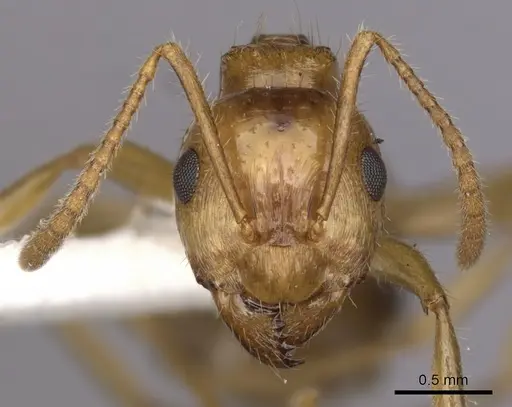
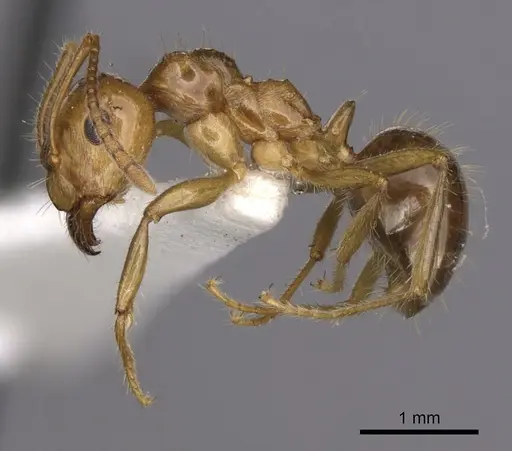
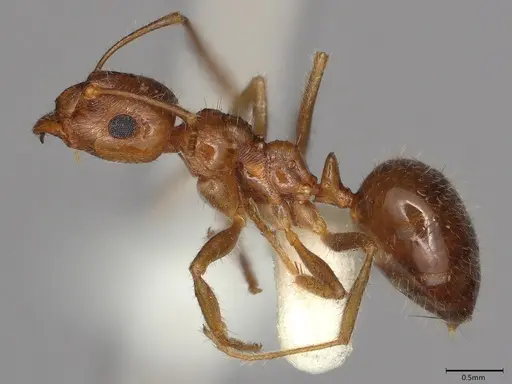
Key identification features for Notoncus hickmani include: scutellum absent or at best weakly differentiated, no prominent processes on the trunk, the metanotal spiracles may be connected by a low ridge, humeri (shoulders) rounded, not projecting, antennal scapes rarely longer than the head including clypeus, and usually shorter. These features help distinguish this species from other Notoncus [2].
Housing and Nesting
No specific nesting data exists for this species. Following general practices for small Australian Formicinae, use a Y‑tong or plaster nest with small, compact chambers. Keep the nest at a temperature gradient around 22‑26°C, a heating cable on one side works well. Humidity should be low to moderate: allow the nest to dry slightly between waterings, but provide a small moist area. For founding, a standard test tube setup is a good starting point. Because workers are small, ensure the outworld has tight seals and apply fluon or oil barriers to prevent escapes.
Feeding and Diet
Notoncus hickmani is assumed to be a generalist omnivore, like other Melophorini. Offer sugar water or honey water constantly as a carbohydrate source. Provide protein 2‑3 times per week in the form of small insects such as fruit flies, small mealworms, or pinhead crickets. Remove uneaten protein after 24‑48 hours to prevent mold. Always keep fresh water available.
Seasonal Care and Diapause
As a species from temperate Western Australia, Notoncus hickmani likely experiences winter cooling. If your colony is from that region, consider providing a diapause period of 2‑3 months at 10‑15°C. However, exact requirements are unconfirmed. Observe colony activity: if workers slow down in winter, reduce temperature gradually and allow a cool rest. Do not force diapause if the colony is active and growing.
Frequently Asked Questions
How long does it take for Notoncus hickmani to produce first workers?
Unknown, no data exists for this species. Based on typical Formicinae patterns, it might take 6‑10 weeks at warm temperatures, but this is guesswork.
What temperature should I keep Notoncus hickmani at?
No specific data. Based on its Mediterranean origin, try a gradient around 22‑26°C and adjust based on colony response.
Do Notoncus hickmani need hibernation?
Likely yes, but details are unknown. If the colony slows in winter, provide a 2‑3 month rest at 10‑15°C. Otherwise, you may skip it.
Is Notoncus hickmani good for beginners?
Medium difficulty. The lack of documented care information means you'll need to experiment. Best for keepers with some experience willing to adapt.
How big do Notoncus hickmani colonies get?
Unknown, no documented colony sizes exist. Likely moderate (maybe a few hundred workers) based on related species, but this is speculation.
What do Notoncus hickmani eat?
They are omnivores. Offer sugar water constantly and small insects (fruit flies, mealworms) 2‑3 times a week. Remove leftovers promptly.
Can I keep multiple Notoncus hickmani queens together?
Unknown, colony structure is unconfirmed. Do not combine foundress queens, keep them separately until more is known.
When should I move Notoncus hickmani to a formicarium?
There is no standard guidance. Typically, wait until the test tube is crowded (20‑30 workers) before moving to a Y‑tong or plaster nest.
Where is Notoncus hickmani found in the wild?
Southwestern Australia, especially the Perth region. Records exist in all mainland Australian states except the Northern Territory [1].
Report an Issue
The current care sheet is based fully on literature. See inconsistencies, or something that's incorrect? Please , it will be resolved after review from an admin. Contributing to the blogs tab also helps providing information, to make us be able to further improve the caresheets. Thank you for your support!
References

This caresheet is licensed under CC BY-SA 4.0 .
Community Blogs
ANTWEB1008216
View on AntWeb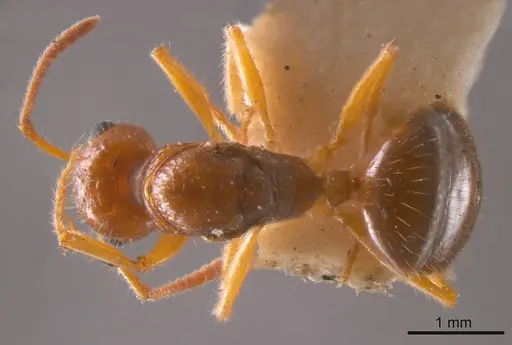
ANTWEB1008217
View on AntWeb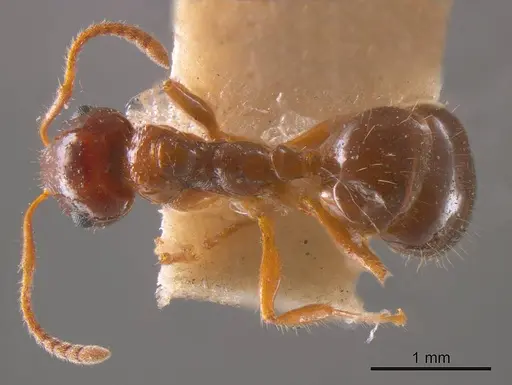
CASENT0217731
View on AntWeb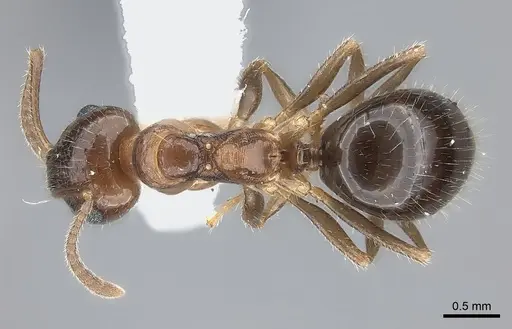
CASENT0280560
View on AntWeb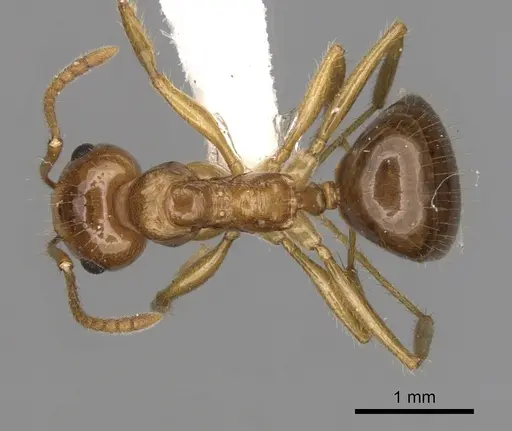
CASENT4036277
View on AntWeb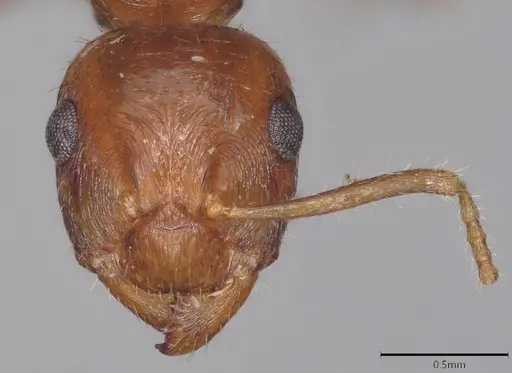
Literature
Loading distribution map...Loading products...