
Nesomyrmex pulcher
- Sci. Name
- Nesomyrmex pulcher
- Tribe
- Crematogastrini
- Subfamily
- Myrmicinae
- Author
- Emery, 1917
- Distribution
- Found in 0 countries
Introduction
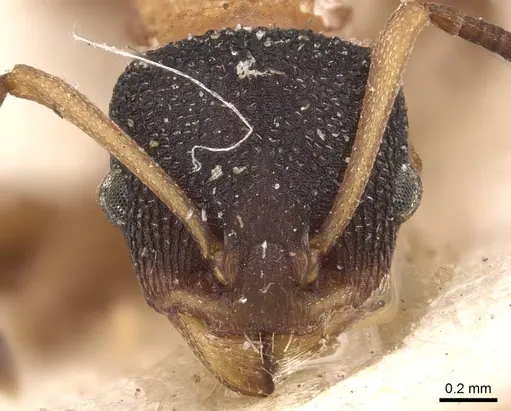
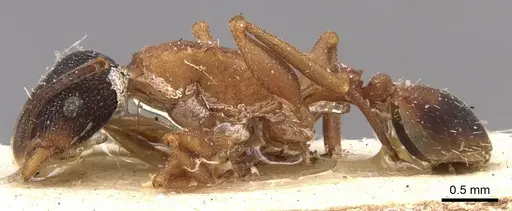
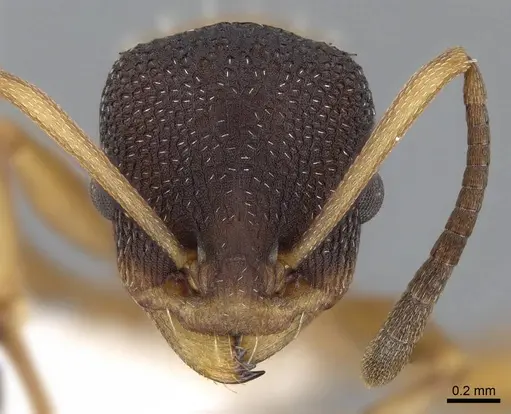
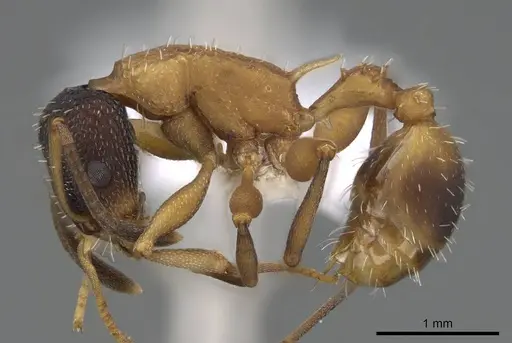
Nesomyrmex pulcher is an ant species native to the Amazon basin of South America, recorded in Bolivia and Ecuador . They are arboreal, living in forest canopies, and belong to the tribe Crematogastrini with a smear defense mechanism using a modified stinger [based on subfamily/tribe]. Full body size measurements are not available in the research context. This species is distinguished by diagnostic characters such as a triangular mesonotal lobe and prominent spines on petiolar nodes .
Quick Summary
- Difficulty: Medium
- Origin & Habitat: Amazon lowland rainforests in Bolivia and Ecuador, at elevations of 220-480 meters [1][2].
- Colony Type: Unconfirmed
- Size & Growth:
- Queen: size data unavailable
- Worker: size data unavailable
- Colony: Unknown
- Growth: Unknown
- Development: The timeline is not documented [1]. (Development may be faster in tropical conditions, but no specific data exists.)
- Antkeeping:
- Temperature: Keep warm, roughly 24-28°C, based on Amazon habitat[1].
- Humidity: Keep nest substrate consistently moist but not waterlogged, as they are from humid rainforests[1].
- Diapause: No, as a tropical species.
- Nesting: Arboreal nests preferred, use Y-tong or plaster nests with climbing structures.
- Behavior: They are arboreal and likely non-aggressive. Defense mechanism involves smear with modified stinger. Escape risk is high due to small size, use fine mesh barriers.
- Common Issues: high humidity maintenance is critical, dry conditions will kill colonies quickly., escape prevention is important due to small worker size, they can squeeze through standard gaps., tropical species are sensitive to temperature drops, avoid cold drafts., limited availability in the antkeeping hobby means established colonies are rare., arboreal nature requires vertical space and climbing structures in captivity.
Natural History and Distribution
Nesomyrmex pulcher is native to the Amazon basin, with records from Bolivia and Ecuador [1][2]. They inhabit tropical lowland rainforests at elevations of 220-480 meters and are arboreal, living in forest canopies [1]. Collections from Yasuní National Park and Cuyabeno Reserve indicate preference for intact Amazon forest habitats [1].
Identification and Distinguishing Features
Nesomyrmex pulcher can be identified by a triangular mesonotal lobe, sharply angulated humeri, and prominent spines on petiolar and postpetiolar nodes [1]. Antennal scapes surpass the occipital margin, and the species has 12-segmented antennae [1]. It differs from similar species like Nesomyrmex anduzei and N. sculptiventris by these diagnostic characters [1].
Defense Mechanism
As a member of the tribe Crematogastrini, Nesomyrmex pulcher uses a smear defense mechanism with a modified, flattened stinger to wipe venom onto enemies rather than piercing flesh.
Housing and Nest Preferences
Based on their arboreal nature, provide elevated nests such as Y-tong (AAC) or plaster formicaria with climbing structures in the outworld. Keep the nest substrate consistently moist but not waterlogged to mimic humid rainforest conditions[1].
Feeding and Diet
Nesomyrmex pulcher is likely omnivorous, accepting sugar sources like honey water and protein from small insects such as fruit flies or pinhead crickets. Prey should be appropriately sized for their small workers.
Temperature and Seasonal Care
Maintain temperatures around 24-28°C year-round, as they are a tropical species from the Amazon[1]. Avoid temperature drops below 20°C to prevent stress. No diapause is required.
Colony Development and Growth
Colony development timeline is not documented for this species [1]. Based on tropical Myrmicinae patterns, expect slow initial growth, but no specific data exists. Colony size is unknown [1].
Frequently Asked Questions
How long does it take for Nesomyrmex pulcher to have first workers?
The exact timeline is not documented [1]. Based on typical tropical ant development, it may take several weeks, but no specific data exists.
What temperature do Nesomyrmex pulcher ants need?
Keep them at 24-28°C, based on their Amazon habitat[1].
Do Nesomyrmex pulcher ants need hibernation?
No, as a tropical species, they do not require hibernation.
What do Nesomyrmex pulcher ants eat?
They are likely omnivorous, offering sugar water and small insects for protein.
Are Nesomyrmex pulcher ants good for beginners?
This species is rated as Medium difficulty due to specific humidity and temperature needs. They are rarely available in the hobby.
How big do Nesomyrmex pulcher colonies get?
Colony size is unknown, as no data exists [1].
Do Nesomyrmex pulcher ants sting?
They use a smear defense mechanism with a modified stinger, but are not known for aggressive stinging.
What type of nest is best for Nesomyrmex pulcher?
Arboreal nests like Y-tong or plaster formicaria with climbing structures are suitable.
Where is Nesomyrmex pulcher found in the wild?
They are native to the Amazon basin in Bolivia and Ecuador, inhabiting lowland rainforests [1][2].
Can I keep multiple Nesomyrmex pulcher queens together?
Colony structure is unconfirmed, so combining queens is not recommended without evidence [1].
Report an Issue
The current care sheet is based fully on literature. See inconsistencies, or something that's incorrect? Please , it will be resolved after review from an admin. Contributing to the blogs tab also helps providing information, to make us be able to further improve the caresheets. Thank you for your support!
References

This caresheet is licensed under CC BY-SA 4.0 .
Community Blogs
CASENT0904723
View on AntWeb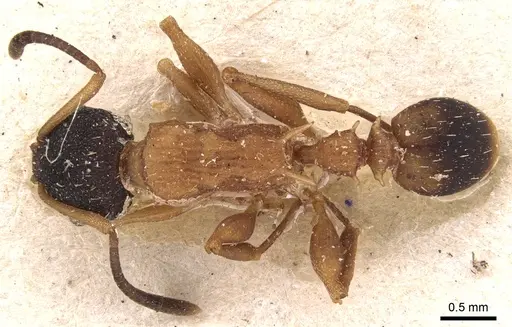
CASENT0914996
View on AntWeb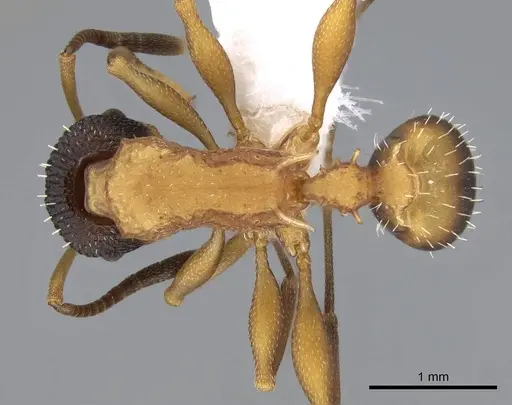
Literature
Loading distribution map...Loading products...