
Nesomyrmex cataulacoides
- Sci. Name
- Nesomyrmex cataulacoides
- Tribe
- Crematogastrini
- Subfamily
- Myrmicinae
- Author
- Snelling, 1992
- Distribution
- Found in 1 countries
Introduction
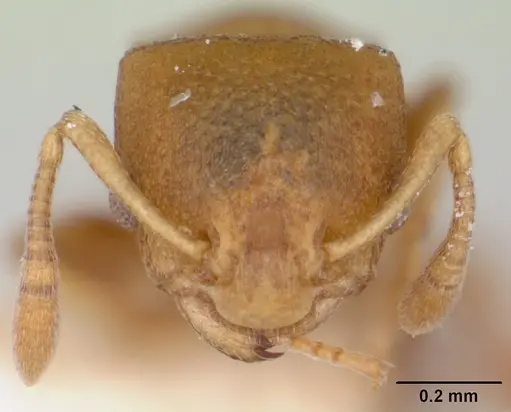
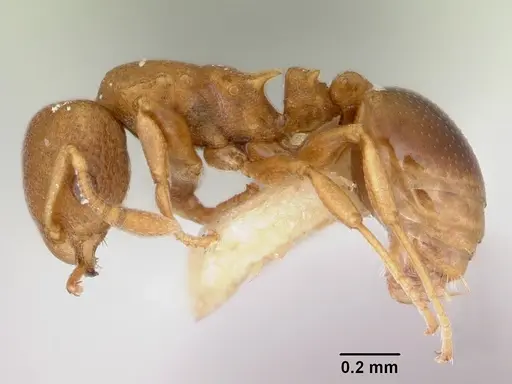
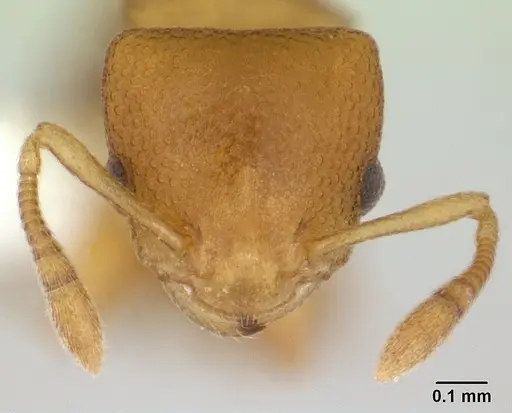
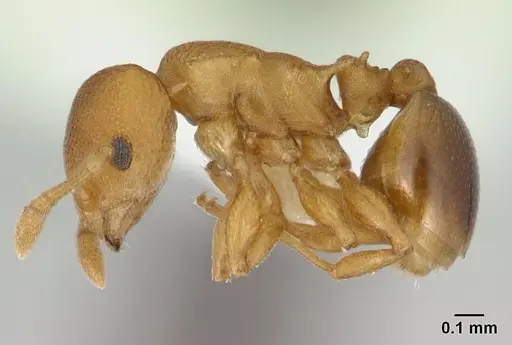
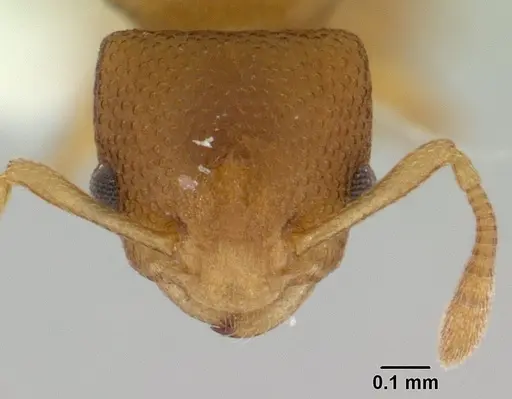
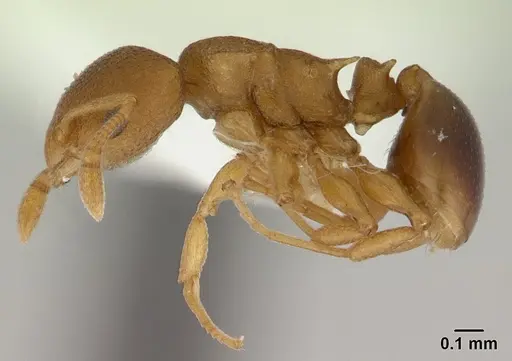
Nesomyrmex cataulacoides is a morphologically bizarre ant species with an extraordinary appearance. Workers measure approximately 1.7-1.9mm total length and were originally described in the genus Cataulacus due to their strong resemblance to that group - the species name literally means 'resembling Cataulacus'. The most distinctive features are the pairs of large spines on both the petiole and postpetiole (the two waist segments), along with well-developed propodeal spines. Unlike most Nesomyrmex species, they have 11-segmented antennae instead of the typical 12. Their dorsal surfaces are completely smooth with no standing hairs. This species is strictly arboreal, living exclusively in the forest canopy rather than on the ground .
Quick Summary
- Difficulty: Unknown, likely Advanced
- Origin & Habitat: Found in Cameroon and Kenya in Central Africa. Strictly arboreal, colonies have been collected from inside the plant cavities of Leonardoxa africana, a myrmecophyte (plant that houses ants) [2].
- Colony Type: Colony structure is unconfirmed. Based on typical Nesomyrmex patterns, likely single-queen colonies.
- Size & Growth:
- Antkeeping:
- Temperature: Unknown, start around 24-26°C and observe colony activity. As an African arboreal species, they likely prefer warm, stable conditions.
- Humidity: Likely high humidity, they nest inside living plants which maintain consistent moisture. Keep nest substrate consistently moist but not waterlogged.
- Diapause: Unknown, African species from equatorial regions may not require formal hibernation.
- Nesting: Must provide arboreal-style nesting. In captivity, they do well in Y-tong (AAC), plaster, or soil nests with tight chambers scaled to their tiny size. The key is providing a humid, enclosed space similar to plant cavity internodes. Avoid large open spaces.
- Behavior: Behavior is poorly documented. They are strictly arboreal and likely very shy, avoiding confrontation. Their distinctive spines may serve as defense. Workers are tiny and likely escape through standard barriers, use fine mesh. Foraging style unknown but likely generalist like other Nesomyrmex.
- Common Issues: escape prevention is critical, at under 2mm total length, they can squeeze through tiny gaps that larger ants cannot, no development data exists, beginners may struggle with unknown requirements, humidity control is challenging, arboreal species need consistent moisture without flooding, colony may remain very small, don't expect large colonies like ground-nesting species, wild-caught colonies are extremely rare, most available stock will be from limited breeding
Housing and Nest Setup
Nesomyrmex cataulacoides requires arboreal-style housing. In the wild, they live inside plant cavities in the canopy, specifically documented from inside Leonardoxa africana. This means you should provide a small, humid nest with tight chambers scaled to their tiny size. Y-tong (AAC), plaster, or soil nests work well, avoid large formicarium spaces designed for bigger ants. The nest should have a water reservoir to maintain humidity, as these ants need consistent moisture. Because they are strictly arboreal, they do not need a large outworld, a small foraging area is sufficient. Use excellent escape prevention: their tiny size means they can slip through gaps that larger ants cannot, so use fine mesh and check all connections carefully [1].
Feeding and Diet
Diet is unconfirmed for this specific species, but Nesomyrmex generally are omnivorous like typical Myrmicinae. Based on related species, they likely accept sugar sources (honey, sugar water) and protein (small insects like fruit flies, pinhead crickets, or mealworms). Being so small, their prey items should be appropriately sized. Feed small amounts of protein 2-3 times per week and provide a constant sugar source. Remove uneaten food to prevent mold. Since their natural nesting plant (Leonardoxa africana) produces extrafloral nectaries, they likely have access to plant sugars in the wild, consider providing occasional honey or sugar water [2].
Temperature and Humidity
Temperature requirements are not documented, but as an African species from Cameroon and Kenya, they likely prefer warm conditions. Start around 24-26°C and observe your colony, if workers are clustered near the heat source, increase slightly, if they avoid it, reduce. Avoid temperature extremes. Humidity is more critical, as an arboreal species nesting inside living plants, they need high humidity. The nest substrate should feel consistently moist but never waterlogged. A water tube or reservoir connected to the nest helps maintain humidity. Monitor for condensation, some condensation is good, but standing water indicates too much moisture. Room temperature in most homes (20-24°C) may be too cool, consider a gentle heat gradient using a heating cable on one side of the nest [1].
Colony Establishment
Establishing this species in captivity is challenging because they are rarely kept and poorly understood. Queens have not been described scientifically, so founding colonies from wild-caught queens is extremely difficult. If you obtain a colony, expect slow growth, their tiny size means you won't see the rapid expansion seen in species like Lasius or Camponotus. The unique morphology (spines on petiole and postpetiole) makes them visually distinctive and interesting to observe, but their cryptic arboreal lifestyle means you'll see less activity than ground-nesting species. Be patient with development and avoid disturbing the nest during founding [1][2].
Frequently Asked Questions
How long does it take for Nesomyrmex cataulacoides to produce first workers?
Unknown, no development data exists for this species.
Can I keep multiple queens together in one colony?
Not recommended, colony structure is unconfirmed, but combining unrelated queens of this rarely-kept species has not been documented. Based on typical Nesomyrmex patterns, they likely form single-queen colonies.
What size colony does Nesomyrmex cataulacoides reach?
Unknown, likely small based on their arboreal plant-cavity nesting habit. Unlike ground-nesting species that can form large colonies, arboreal ants typically remain small.
Do Nesomyrmex cataulacoides ants sting?
Unknown, they are tiny and likely too small to penetrate human skin. Most Myrmicinae have stingers but many are too small to be effective against humans.
What nest type is best for Nesomyrmex cataulacoides?
Small Y-tong (AAC), plaster, or soil nests with tight chambers scaled to their tiny size. They need high humidity like other arboreal species, so nests with water reservoirs work well. Avoid large spaces designed for bigger ants.
Are Nesomyrmex cataulacoides good for beginners?
No, this species is not recommended for beginners. They are extremely rarely kept, colony structure and requirements are poorly documented, and they require specific arboreal conditions that are challenging to maintain. Start with more common, well-documented species first.
Do Nesomyrmex cataulacoides need hibernation?
Unknown, as an African species from equatorial regions (Cameroon, Kenya), they likely do not require formal hibernation. They may have reduced activity periods during cooler seasons but probably don't need a diapause.
Why are my Nesomyrmex cataulacoides dying?
Common causes include: low humidity (arboreal species need consistent moisture), temperature too cool (keep around 24-26°C), escape through tiny gaps, or stress from disturbance. Their requirements are poorly understood, so careful observation and adjustment is needed.
What do Nesomyrmex cataulacoides eat?
Likely omnivorous like other Nesomyrmex, sugar sources (honey, sugar water) and small protein (fruit flies, tiny crickets, mealworms). Feed small amounts 2-3 times weekly and remove uneaten food.
Where does Nesomyrmex cataulacoides live in the wild?
Strictly arboreal, found only in the forest canopy in Central Africa. Documented nesting inside the plant cavities of Leonardoxa africana in Cameroon, with also known from Kenya. They never nest on the ground [1][2].
Report an Issue
The current care sheet is based fully on literature. See inconsistencies, or something that's incorrect? Please , it will be resolved after review from an admin. Contributing to the blogs tab also helps providing information, to make us be able to further improve the caresheets. Thank you for your support!
References

This caresheet is licensed under CC BY-SA 4.0 .
Community Blogs
CASENT0172593
View on AntWeb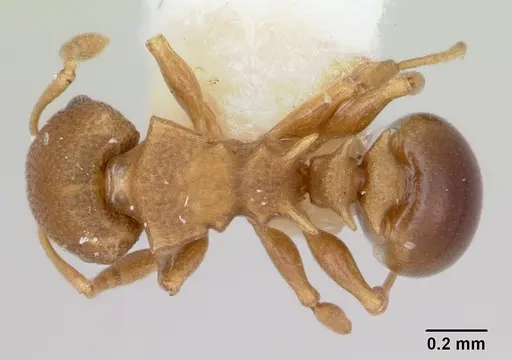
CASENT0178300
View on AntWeb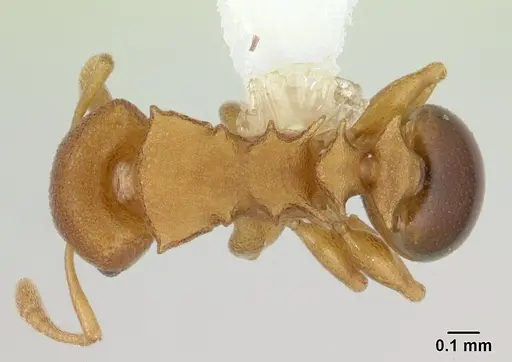
CASENT0178301
View on AntWeb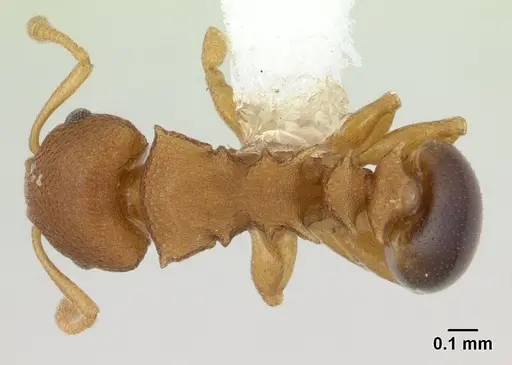
CASENT0901219
View on AntWeb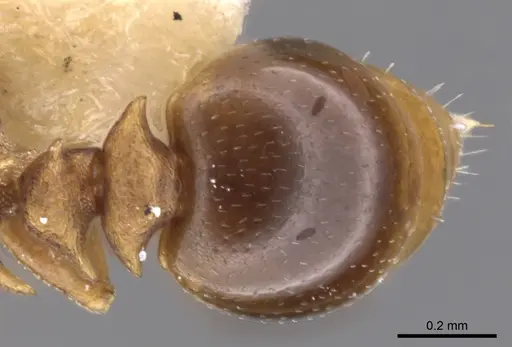
Literature
Loading distribution map...Loading products...