
Neivamyrmex nyensis
- Sci. Name
- Neivamyrmex nyensis
- Subfamily
- Dorylinae
- Author
- Watkins, 1977
- Distribution
- Found in 2 countries
Introduction
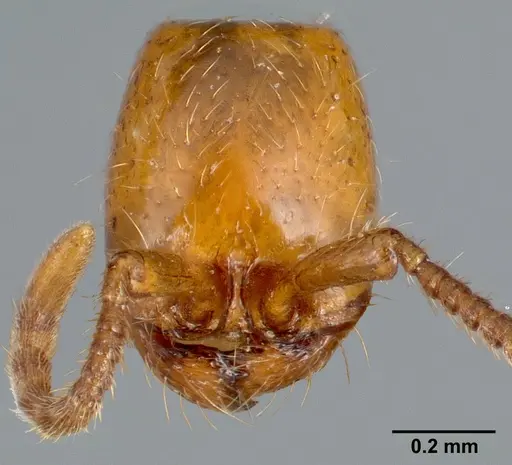
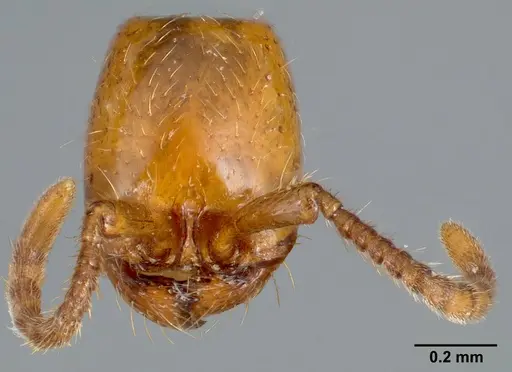
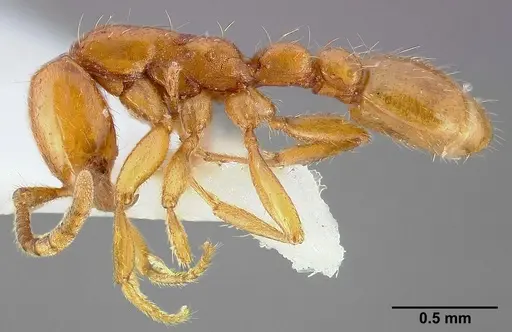
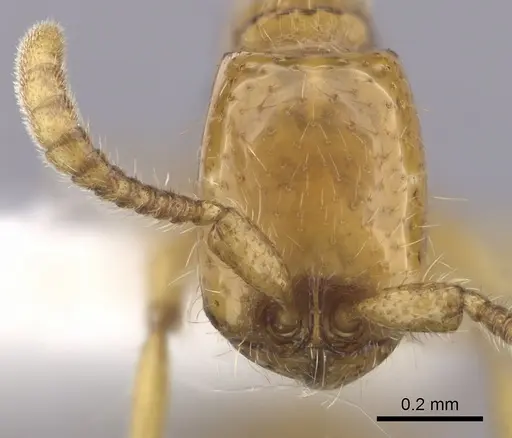
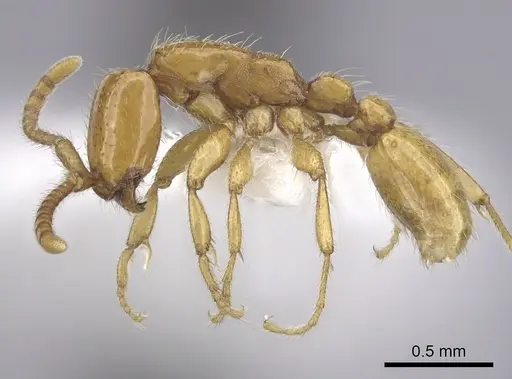
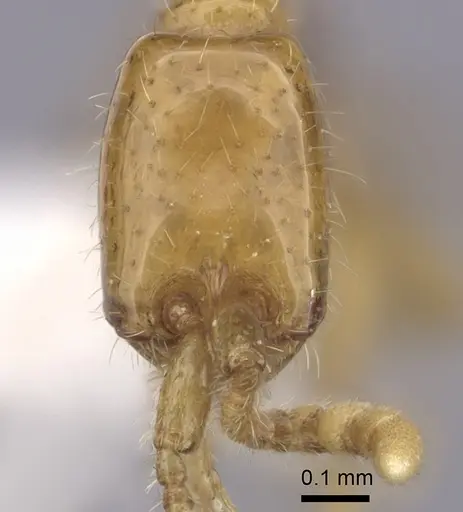
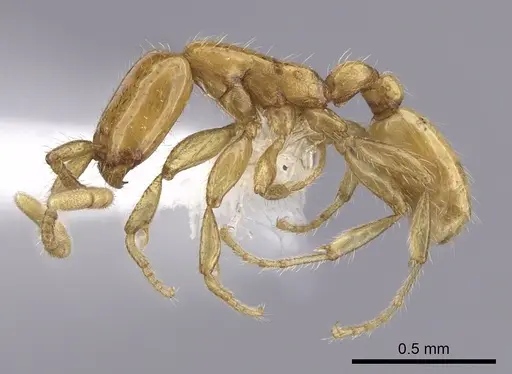
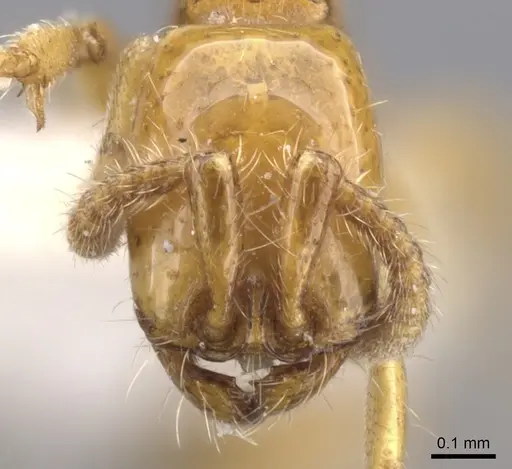
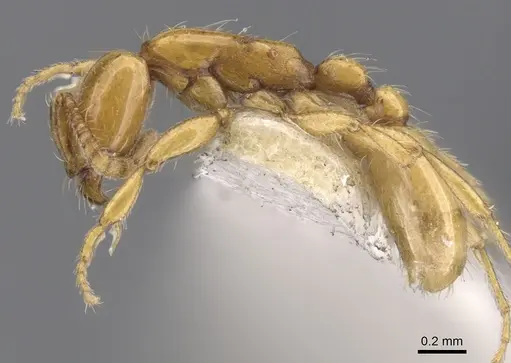
Neivamyrmex nyensis is a small, pale yellow army ant native to desert regions of the southwestern United States and northern Mexico. Workers measure 1.7-2.5mm in total length, making them one of the smaller army ant species . This subterranean species is rarely encountered - most specimens have been collected under partially buried stones in habitats ranging from Creosote/Cactus Scrub desert to juniper/pinon woodland . As an army ant, N. nyensis is predatory on other ant species. Evidence confirms this: a specimen was collected from a foraging worker of Forelius mccooki, and head capsules from Solenopsis xyloni have been found in their refuse middens . Queens and males remain undescribed, and researchers have suggested N. nyensis may actually be the worker form of Neivamyrmex mojave .
Quick Summary
- Difficulty: Expert
- Origin & Habitat: Southern Nevada, Arizona, and California in the United States, Baja California, Mexico. Found in desert habitats including Creosote/Cactus Scrub and juniper/pinon woodland, typically under partially buried stones in rocky areas [1][3][4].
- Colony Type: Colony structure is unconfirmed. Queens and males have never been documented [2]. Workers are polymorphic [2]. As an army ant, this species likely forms nomadic colonies that raid other ant colonies for prey.
- Size & Growth:
- Queen: Unknown, queens have never been documented [2]
- Worker: 1.7-2.5mm total length [1][2]
- Colony: Unknown, colonies are considered uncommon with no documented size
- Growth: Unknown, no development data exists for this species
- Development: Unknown, no development data exists for this species (Development timeline is unstudied. Based on typical Neivamyrmex patterns, development likely takes several months but this is an estimate only.)
- Antkeeping:
- Temperature: Temperature needs are unclear, start around 22-26°C (estimated from similar desert-dwelling Neivamyrmex species) and observe colony behavior. Provide a temperature gradient so ants can self-regulate.
- Humidity: Keep substrate moderately dry to slightly damp. Specimens were found under stones where soil was slightly damp after recent rain [1]. Avoid overly wet conditions.
- Diapause: Diapause requirements are unconfirmed for this species. As a desert species from the American Southwest, they likely have reduced activity periods during extreme seasons.
- Nesting: This species is subterranean and nests under partially buried stones [1]. In captivity, provide deep substrate for tunneling and a dark nesting area. Established colonies need more space for their nomadic lifestyle, a naturalistic setup with several inches of sandy soil works well.
- Behavior: As an army ant, this species is predatory and raids other ant colonies to capture brood. Workers are small but aggressive toward prey items. They have a small stinger [2]. Escape prevention is important despite their small size, they can squeeze through small gaps. Army ants are typically nocturnal or crepuscular foragers, so provide darkness during active periods. Queens and males remain undescribed, suggesting this species has rarely been observed in reproductive condition.
- Common Issues: queens have never been documented, making captive breeding essentially impossible, specialized predator requiring live ant prey, difficult to maintain in captivity, nomadic lifestyle requires more space than typical ants, colony size and development timeline unknown makes care unpredictable, very rare in the hobby with almost no captive husbandry information
Understanding Neivamyrmex nyensis
This is one of the most poorly known army ant species in North America. The genus Neivamyrmex contains around 150 species of army ants found throughout the Americas, and N. nyensis represents one of the smaller members at just 1.7-2.5mm for workers [1]. The species was described in 1977 from specimens collected in Nye County, Nevada, and has since been recorded across the desert Southwest from southern Nevada through Arizona and California to Baja California, Mexico [3][4].
What makes this species particularly interesting is its potential relationship with Neivamyrmex mojave. Researchers have suggested N. nyensis may actually be the worker form of N. mojave, highlighting how little we know about these cryptic subterranean ants [1]. The pale yellow coloration is distinctive among Neivamyrmex species, which are typically darker. Their small size and subterranean lifestyle make them difficult to study in the wild.
For antkeepers, this represents both a challenge and an opportunity. This species is essentially unstudied in captivity, meaning there's no established husbandry knowledge to draw upon. Anyone attempting to keep this species would be pioneering new ground in ant husbandry.
Housing and Nesting
In the wild, N. nyensis nests under partially buried stones in desert environments [1]. One collection site was in a rocky streambed in Creosote/Cactus Scrub desert, with specimens found beneath a partially buried stone late in the afternoon after recent rain, the soil under the stone was slightly damp [1]. Another collection came from juniper/pinon habitat at Dilkon on the Navajo Reservation [2].
For captive care, replicate these conditions. A deep setup with substrate for tunneling is essential, these are subterranean ants that need to dig. A naturalistic setup with several inches of sandy soil works well. Provide a dark nesting area, as army ants prefer dark, enclosed spaces. The foraging area should be separate from the nest and kept dark or dimly lit, as these ants are typically nocturnal.
Because army ants are nomadic and don't maintain permanent nests, consider a setup that allows for bivouac formation, a larger container with substrate where they can cluster together in a temporary nest structure. Since this species has never been kept in captivity, you'll need to experiment to find what works.
Feeding and Diet
As an army ant, N. nyensis is predatory on other ant species. The evidence is clear: a specimen was collected from a foraging worker of Forelius mccooki, and head capsules from Solenopsis xyloni have been found in their refuse middens [1]. This confirms they raid other ant colonies to capture brood, typical army ant behavior.
In captivity, provide live ant prey. This is the primary challenge with keeping army ants. Suitable prey includes small ant colonies of other species, perhaps Forelius, Solenopsis, or similar sized ants. You could establish feeder colonies of a suitable species and periodically offer them as prey. Some keepers have success with offering other small insects, but the natural diet suggests ant brood is preferred.
Feeding frequency depends on colony size and activity. Army ants are voracious predators, and colonies can consume hundreds of prey items in a single raid. Start with offering prey every few days and adjust based on consumption. Remove uneaten prey to prevent mold.
Temperature and Seasonal Care
This species comes from desert environments in the American Southwest, where temperatures fluctuate dramatically. The natural habitat ranges from hot desert valleys to higher juniper/pinon woodland. Temperature requirements are unconfirmed, aim for 22-26°C in the foraging area based on similar Neivamyrmex species, with a cooler area available for the nest.
Provide a temperature gradient so the ants can self-regulate. A heating cable on one side of the setup can help achieve this. Avoid overheating, desert ants can tolerate heat but dry out quickly.
Regarding seasonal changes, diapause requirements are unknown for this species. In the wild, desert army ants likely have periods of reduced activity during extreme heat or cold. Consider reducing temperatures slightly in winter (perhaps 18-20°C) and reducing feeding frequency, watching for signs of dormancy. Since this is unconfirmed, monitor your colony's behavior and adjust accordingly. [2]
Behavior and Temperament
N. nyensis workers are small but, like all army ants, they are aggressive predators. They have a small stinger [2], though at their size it's unlikely to penetrate human skin significantly. The primary defense mechanism is raiding, they form swarms to overwhelm prey ant colonies.
Army ants are typically nocturnal or crepuscular, with raids occurring at night or during low light conditions. In captivity, keep the foraging area dark or very dimly lit during their active period. Disturbing them during the day when they're resting in their bivouac can cause stress.
The small worker size (1.7-2.5mm) means escape prevention is important, they can slip through tiny gaps. Use tight-fitting lids and consider barrier methods like fluon on container edges.
One of the most challenging aspects of this species is that queens and males have never been documented [2]. This means we don't know how they reproduce, when nuptial flights occur, or whether they're monogyne or polygyne. Captive breeding would be extremely difficult given this lack of information.
Frequently Asked Questions
Can I keep Neivamyrmex nyensis in a test tube?
A test tube may work for a founding queen if you can obtain one, but established colonies will need more space. This is a subterranean army ant that needs room to form bivouacs and forage. A naturalistic setup with deep substrate for tunneling is more appropriate for established colonies.
What do Neivamyrmex nyensis eat?
They are predatory army ants that raid other ant colonies. In captivity, provide live ant prey, typically brood from other ant species. They've been documented foraging on Forelius mccooki and their refuse middens contain Solenopsis xyloni head capsules, confirming they eat other ants [1].
How long does it take for Neivamyrmex nyensis to develop from egg to worker?
This is unknown, no development data exists for this species. Based on typical Neivamyrmex patterns, it likely takes several months, but this is an estimate only. Queens and males have never been documented [2], making captive breeding extremely challenging.
Are Neivamyrmex nyensis good for beginners?
No. This is an expert-level species due to several factors: they require live ant prey (difficult to provide), their colony structure and reproduction are completely unstudied, there is no captive husbandry information available, and they are extremely rare in the antkeeping hobby. This species is only for experienced keepers willing to experiment.
How big do Neivamyrmex nyensis colonies get?
Unknown, colony size has not been documented. They are considered an uncommon species with few specimens ever collected [1]. Related Neivamyrmex species can form colonies of thousands, but we have no data for this specific species.
Do Neivamyrmex nyensis need hibernation?
Diapause requirements are unconfirmed for this species. As a desert species from the American Southwest, they likely have periods of reduced activity during extreme seasons. You might experiment with slightly cooler winter temperatures (around 18-20°C) and reduced feeding, but monitor your colony's behavior.
Where can I get Neivamyrmex nyensis?
This species is extremely rare in the antkeeping hobby. It's poorly known even in the scientific literature, with few specimens ever collected. You're unlikely to find them from commercial suppliers. If you're determined, you'd need to locate them in the wild in the southwestern US or Baja California, which requires significant effort and expertise.
Can I keep multiple queens of Neivamyrmex nyensis together?
We don't know, queens have never been documented for this species [2], so we can't determine whether they're monogyne, polygyne, or what their colony structure looks like. This is one of the fundamental mysteries about this species. Combining unrelated queens is not recommended given how little we know.
Why is Neivamyrmex nyensis so difficult to keep?
Several factors make this species extremely challenging: they require live ant prey (difficult to provide), queens and males have never been documented so captive breeding is essentially impossible, no captive husbandry information exists, you'd be pioneering everything, they're extremely rare in the hobby, and their colony structure, development timeline, and exact requirements are completely unstudied.
Report an Issue
The current care sheet is based fully on literature. See inconsistencies, or something that's incorrect? Please , it will be resolved after review from an admin. Contributing to the blogs tab also helps providing information, to make us be able to further improve the caresheets. Thank you for your support!
References

This caresheet is licensed under CC BY-SA 4.0 .
Community Blogs
CASENT0005333
View on AntWeb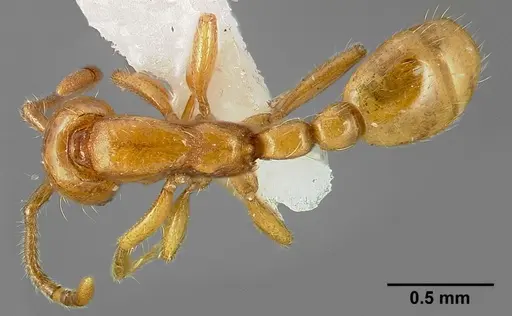
CASENT0249495
View on AntWeb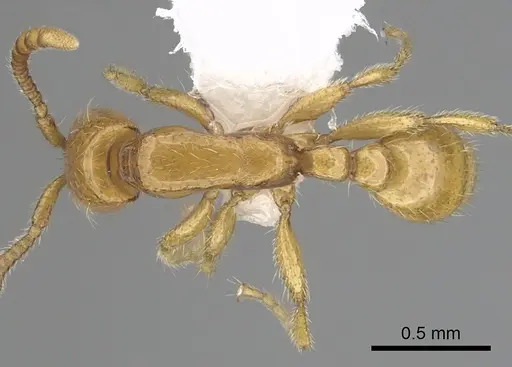
CASENT0249496
View on AntWeb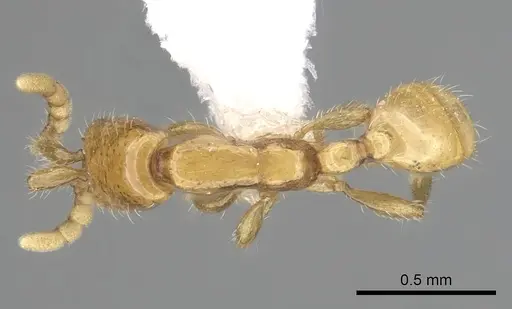
CASENT0902644
View on AntWeb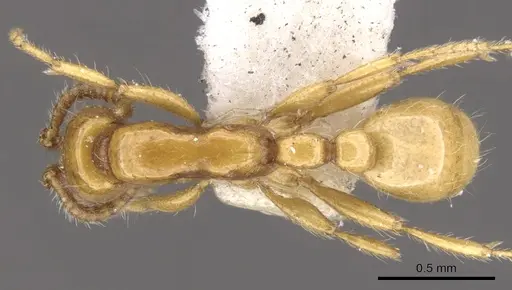
Literature
Loading distribution map...Loading products...