
Neivamyrmex manni
- Sci. Name
- Neivamyrmex manni
- Subfamily
- Dorylinae
- Author
- Wheeler, 1914
- Distribution
- Found in 1 countries
Introduction
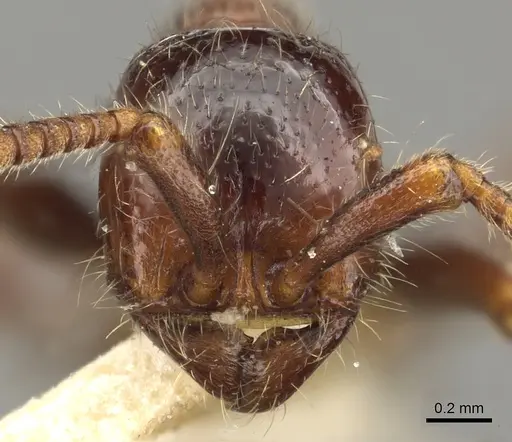
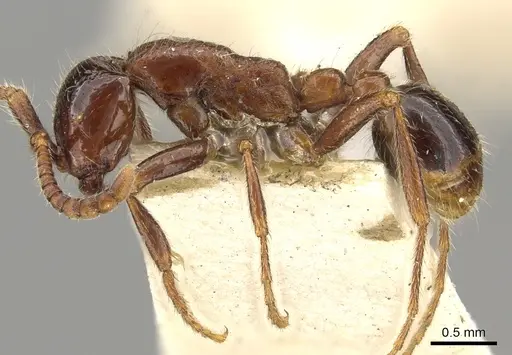
Neivamyrmex manni is a Neotropical army ant species native to central Mexico, specifically found in the Hidalgo region at elevations of 8500-9000 feet . The type locality is Guerrero Mill near Pachuca . Workers are small army ants - exact measurements are unavailable in the literature. As a member of the Dorylinae subfamily, this species belongs to the army ant group known for their nomadic lifestyle and predatory swarm-hunting behavior. The genus Neivamyrmex contains over 150 species of army ants distributed throughout the Americas. This species is one of the less documented Neivamyrmex species in terms of biological research.
Quick Summary
- Difficulty: Expert
- Origin & Habitat: Central Mexico (Hidalgo state) at high elevation (8500-9000 feet) [1]. The type locality is Guerrero Mill near Pachuca [2]. This is a Neotropical mountain habitat.
- Colony Type: Unknown, colony structure is unconfirmed for this species. Army ant colonies typically have single queens, but specific data for N. manni is lacking.
- Size & Growth:
- Queen: Size data unavailable, no measurements exist in the literature for this species
- Worker: Size data unavailable, the literature only documents that syntype specimens exist [2], without providing measurements
- Colony: Unknown, no colony size data exists for this species
- Growth: Unknown, development data is unavailable for this species
- Development: Unknown, no species-specific development data exists (Development is unstudied in this species. Related army ants may take several weeks to months, but exact timing for N. manni is unknown.)
- Antkeeping:
- Temperature: Unknown, no species-specific temperature data exists. Inferred from high-elevation Mexican habitat: keep warm (24-28°C) and stable.
- Humidity: Unknown, no species-specific humidity data exists. Provide moderate humidity based on typical army ant preferences.
- Diapause: Unknown, no data on dormancy requirements exists for this species. As a Mexican species from moderate elevation, it may not require true hibernation.
- Nesting: Unknown, no species-specific nesting data exists. Army ants typically form temporary bivouacs rather than permanent nests.
- Behavior: Behavior is unconfirmed for this species. Based on genus patterns, army ants are predatory, form raiding swarms, and establish temporary bivouaks. Workers are small and can escape through small gaps.
- Common Issues: this species has no captive care literature, all advice is inferred from genus patterns, insufficient live prey is likely fatal for army ant colonies, small worker size means excellent escape prevention is essential, disturbance to bivouac area may cause colony stress, proper humidity is critical for bivouac formation
Housing and Nest Setup
Neivamyrmex manni requires a setup that mimics the nomadic army ant lifestyle. Army ants form temporary bivouacs rather than permanent nests. Provide a dark, enclosed space where the colony can cluster. The foraging area should be spacious, army ants need room to organize raids. Avoid traditional formicarium setups with fixed tunnels, instead, provide flexible spaces. Test tube clusters with water reservoirs work well for the bivouac area, connected to a spacious foraging arena. Note: all housing recommendations are inferred from general army ant behavior, not species-specific data. [1]
Feeding and Diet
Based on genus patterns, N. manni is likely an obligate predator requiring live insects and arthropods. Feed small live prey such as fruit flies, small crickets, and mealworms. Army ant colonies consume large quantities of protein. They likely will not accept sugar water or honey. Remove uneaten prey after 24-48 hours to prevent mold. Note: all dietary recommendations are inferred from general army ant behavior, not species-specific data.
Temperature and Humidity
Maintain temperatures in the range of 24-28°C based on typical army ant preferences. The high-elevation Mexican habitat suggests they may tolerate slightly cooler conditions. Use a low-wattage heating cable on one side to create a thermal gradient. Humidity should be moderate to high. Avoid temperature fluctuations. Note: all temperature and humidity recommendations are inferred, as no species-specific data exists. [1]
Colony Behavior and Foraging
Based on genus patterns, Neivamyrmex manni likely exhibits classic army ant behavior: workers organize into raiding columns or swarms to hunt prey. Major workers may have enlarged mandibles for defense. The colony establishes a bivouac, forages extensively, then relocates. Workers are highly active and will explore the entire foraging space. They are not aggressive toward humans but will defend the colony if threatened. Small size allows navigation through tiny gaps, escape prevention is essential. Note: all behavioral observations are inferred from genus patterns, not species-specific data.
Growth and Development
Growth and development data is unavailable for this species. Based on related army ant species, colonies may grow from founding queen to several thousand workers over a year under optimal conditions. Brood development is likely synchronized. First workers (nanitics) are typically smaller than mature workers. Growth rate depends heavily on consistent feeding and proper temperature. Note: all development information is inferred from related species, not N. manni specifically.
Frequently Asked Questions
Can I keep Neivamyrmex manni in a test tube setup?
Army ants need more space than a simple test tube provides. Use a test tube cluster for the bivouac area connected to a large foraging arena. This recommendation is based on general army ant husbandry, not species-specific data.
What do Neivamyrmex manni eat?
Based on genus patterns, they are likely obligate predators needing live insect prey. Feed small live insects like fruit flies, pinhead crickets, and small mealworms. Provide prey regularly. This dietary advice is inferred from general army ant behavior.
How long does it take for first workers to appear?
Unknown for this species, no development data exists. Based on related army ant species, expect several weeks to months, but timing is unconfirmed for N. manni.
Are Neivamyrmex manni good for beginners?
No, this species is rated Expert difficulty due to specialized requirements and lack of captive care literature. Army ants need constant live prey, large foraging spaces, and specific humidity needs. Not recommended for beginners.
How big do Neivamyrmex manni colonies get?
Unknown, no colony size data exists for this species. Based on genus patterns, army ant colonies can reach several thousand workers, but this is unconfirmed for N. manni.
Do Neivamyrmex manni need hibernation?
Unknown, no dormancy data exists for this species. As a Mexican species from moderate elevation, they likely do not require true hibernation but should be maintained at stable temperatures.
Why is my colony declining despite feeding?
Common causes include: insufficient prey quantity, improper humidity, disturbance to bivouac area, or temperatures outside preferred range. Also check for escape, small workers slip through tiny gaps. This advice is general army ant knowledge.
Can I keep multiple queens together?
Unknown, no data exists on colony structure for this species. Most army ants are monogyne, but this is unconfirmed for N. manni.
When should I move them to a formicarium?
Army ants do best in setups allowing bivouac formation rather than traditional formicariums. A test tube cluster connected to a spacious foraging arena is ideal. This is general husbandry advice, not species-specific.
Report an Issue
The current care sheet is based fully on literature. See inconsistencies, or something that's incorrect? Please , it will be resolved after review from an admin. Contributing to the blogs tab also helps providing information, to make us be able to further improve the caresheets. Thank you for your support!
References

This caresheet is licensed under CC BY-SA 4.0 .
Community Blogs
CASENT0902639
View on AntWeb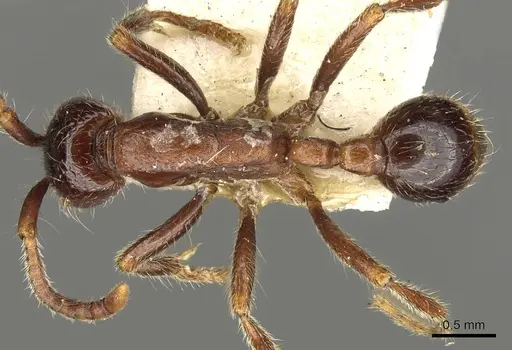
Literature
Loading distribution map...Loading products...