
Neivamyrmex goeldii
- Sci. Name
- Neivamyrmex goeldii
- Subfamily
- Dorylinae
- Author
- Forel, 1901
- Distribution
- Found in 2 countries
Introduction
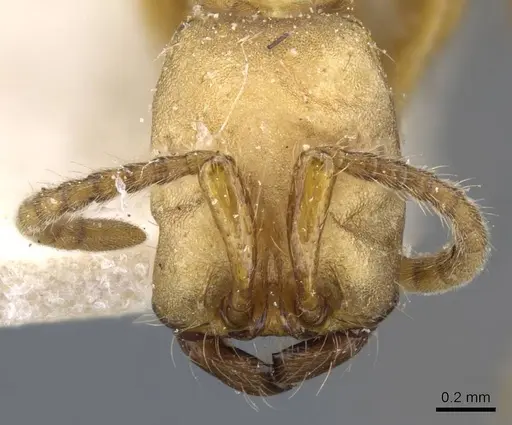
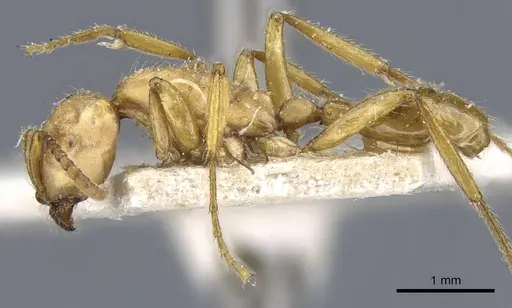
Neivamyrmex goeldii is a Neotropical army ant species native to Brazil, Argentina, and Paraguay . It is assigned to the Tropical Climate Specialists functional group, indicating a preference for warm, humid conditions . Size data is unavailable from research, but army ants are typically small ants. They are nomadic predators that form temporary bivouacs rather than permanent nests. As an army ant, N. goeldii exhibits nomadic raiding behavior, where workers form columns to hunt other ants and arthropods. This species is specialized for tropical climates and is part of the diverse ant fauna in South America.
Quick Summary
- Difficulty: Expert
- Origin & Habitat: Native to the Neotropical region: Brazil, Argentina, and Paraguay. Found in tropical and subtropical habitats including the Cerrado savanna [1][2].
- Colony Type: Colony structure is unconfirmed from research, but based on army ant patterns, likely polygyne with multiple queens.
- Size & Growth:
- Queen: Size data unavailable
- Worker: Size data unavailable
- Colony: Colony size is unknown, but army ants can form large colonies of thousands of workers [3].
- Growth: Fast, army ant colonies grow rapidly when well-fed [3].
- Development: Estimated 4-6 weeks based on related army ant species [3]. (Development is temperature-dependent, warmer conditions accelerate growth.)
- Antkeeping:
- Temperature: Keep at warm temperatures, roughly 24-28°C, with a gradient [3].
- Humidity: Maintain moist substrate, army ants are sensitive to drying out [3].
- Diapause: No, tropical species do not require hibernation [3].
- Nesting: Army ants do not build permanent nests, provide a large outworld with hiding spots for bivouacs [3].
- Behavior: Highly aggressive predators with raiding behavior. Workers forage in columns and will defend the colony. Escape prevention is critical due to small size and climbing ability [3].
- Common Issues: colonies fail without constant access to live prey., bivouac stress from inadequate space causes colonies to abandon enclosures., dry conditions quickly lead to colony collapse., escapes are common due to small size and climbing ability., transport stress during moves can cause queen loss and colony failure.
Housing and Enclosure Setup
Neivamyrmex goeldii requires a large outworld where the colony can move freely, as army ants form bivouacs rather than permanent nests. Provide a naturalistic setup with deep, moist substrate and multiple hiding structures like cardboard rolls or cork bark. Ensure excellent escape prevention with fluon on rim edges and fine mesh on ventilation [3].
Feeding and Nutrition
Army ants are obligate predators and require a constant supply of live prey, such as fruit flies, crickets, or other ant colonies. Feed small prey daily or larger prey 2-3 times per week, and remove uneaten items promptly [3].
Temperature and Seasonal Care
Maintain warm temperatures around 24-28°C with a gradient using a heating cable. Avoid cooling periods, as this is a tropical species that does not require diapause [3].
Colony Structure and Behavior
Colonies are likely polygyne with multiple queens, typical of army ants. Workers exhibit raiding behavior, forming columns to hunt prey. The colony moves its bivouac regularly to access new hunting grounds [3].
Bivouac Management
Provide dark, humid sites for bivouacs, such as cardboard tubes or cork bark. Do not interfere when the colony moves, ensure new locations have adequate humidity and prey access [3].
Frequently Asked Questions
Can I keep Neivamyrmex goeldii in a test tube setup?
No. Army ants require a large outworld or naturalistic enclosure for bivouac formation, not test tubes [3].
How often should I feed Neivamyrmex goeldii?
Feed small live prey daily or larger prey 2-3 times per week, as they are obligate predators [3].
How long does it take for first workers to appear?
Based on related species, expect first workers in 4-6 weeks at warm temperatures [3].
Can I keep multiple queens together in one colony?
This is likely normal for the species, but research is unconfirmed. Do not combine unrelated foundress queens [3].
Why is my army ant colony declining despite feeding?
Common causes include low humidity, temperatures below 22°C, insufficient space, or stress. Review environmental parameters [3].
Do Neivamyrmex goeldii need hibernation?
No. As a tropical species, they do not require hibernation and should be kept warm year-round [3].
Are Neivamyrmex goeldii good for beginners?
No. This species is rated Expert difficulty due to constant live prey needs and large enclosure requirements [3].
How big do Neivamyrmex goeldii colonies get?
Colony size is unknown, but army ants can form large colonies of thousands of workers [3].
When should I move them to a larger enclosure?
Provide a large enclosure from the start, as army ants expand naturally and do not transition like typical ants [3].
Report an Issue
The current care sheet is based fully on literature. See inconsistencies, or something that's incorrect? Please , it will be resolved after review from an admin. Contributing to the blogs tab also helps providing information, to make us be able to further improve the caresheets. Thank you for your support!
References

This caresheet is licensed under CC BY-SA 4.0 .
Community Blogs
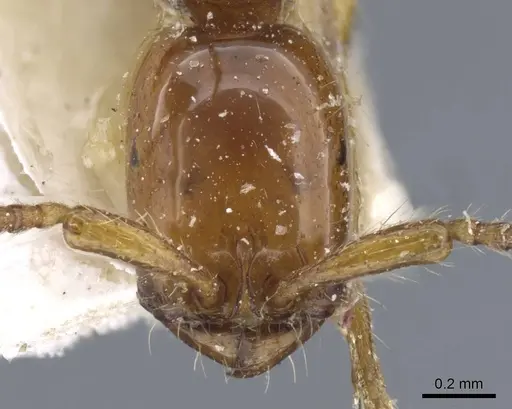
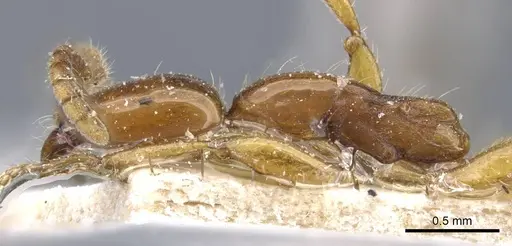
CASENT0173524
View on AntWeb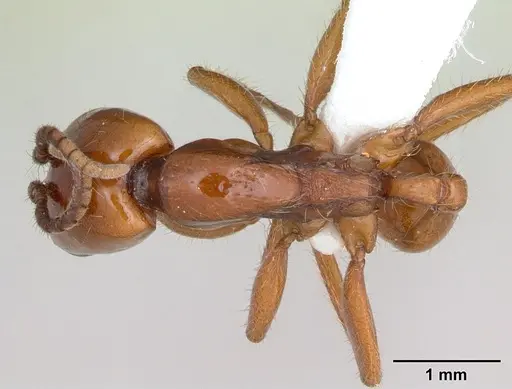
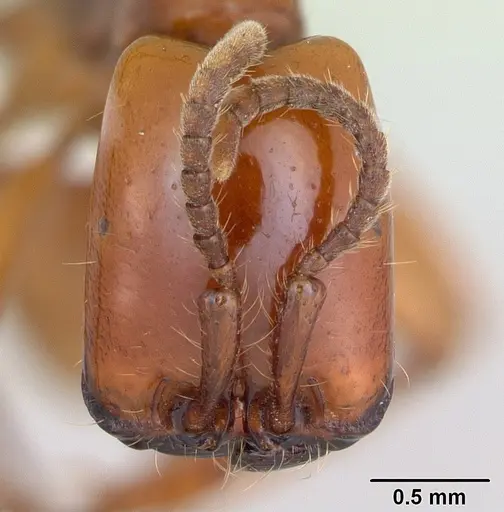
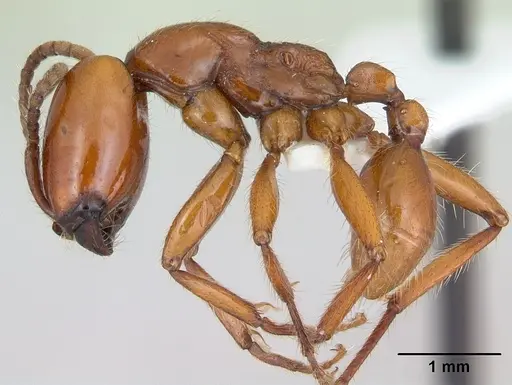
CASENT0173525
View on AntWeb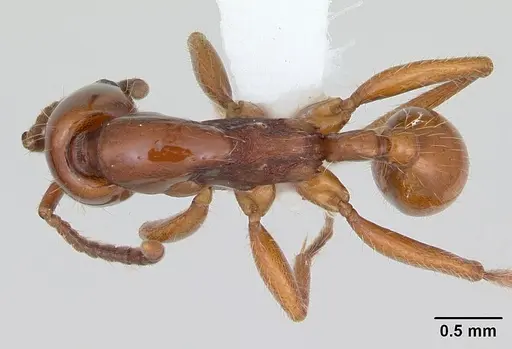
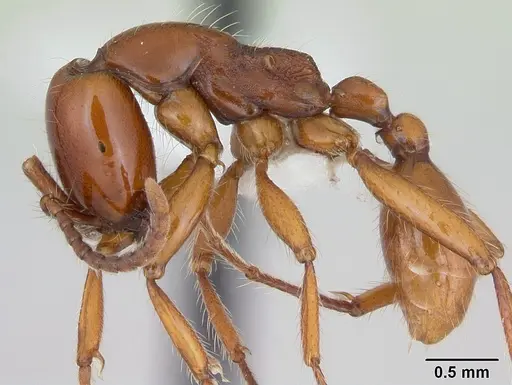
CASENT0249485
View on AntWeb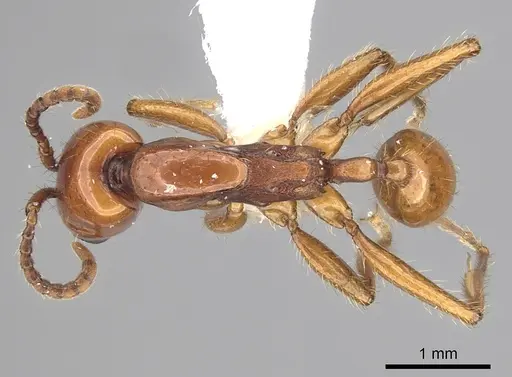
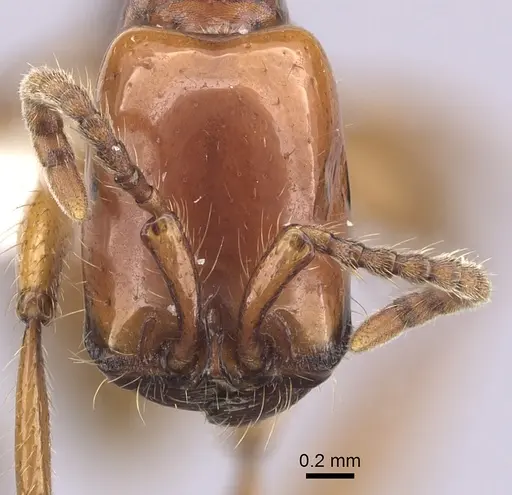
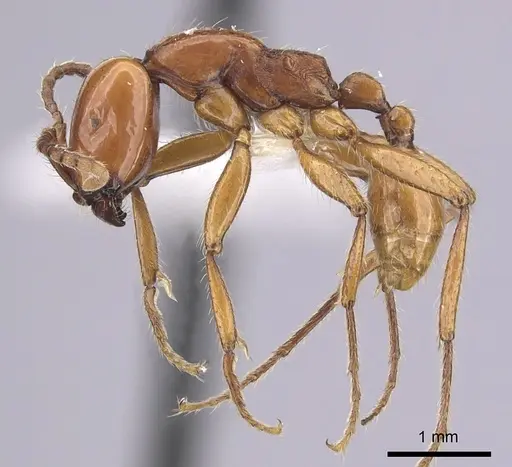
CASENT0905961
View on AntWeb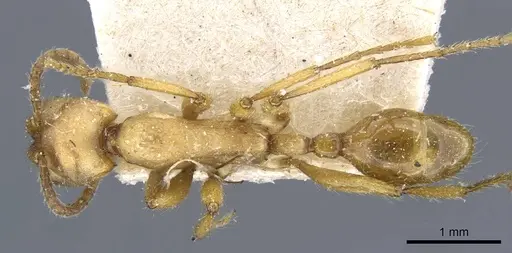
CASENT0905962
View on AntWeb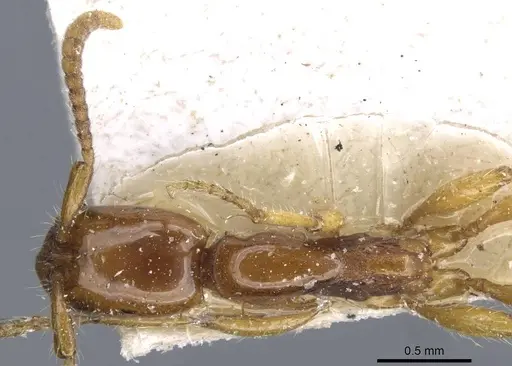
Literature
Loading distribution map...Loading products...