
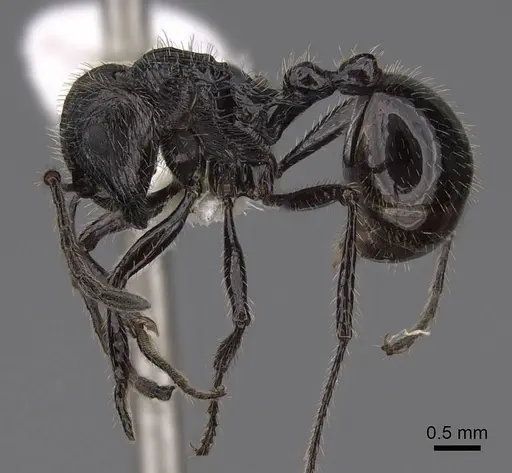
Black Droptail Ant
Myrmicaria nigra
- Sci. Name
- Myrmicaria nigra
- Tribe
- Solenopsidini
- Subfamily
- Myrmicinae
- Author
- Mayr, 1862
- Common Name
- Black Droptail Ant
- Distribution
- Found in 2 countries
Introduction
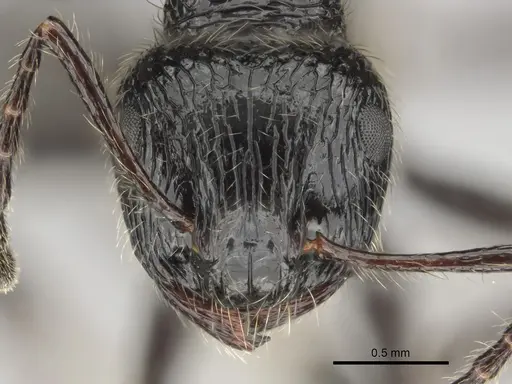
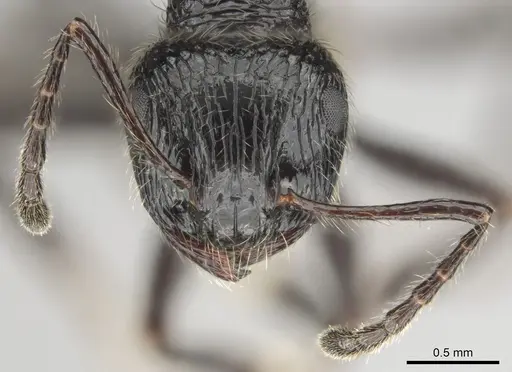
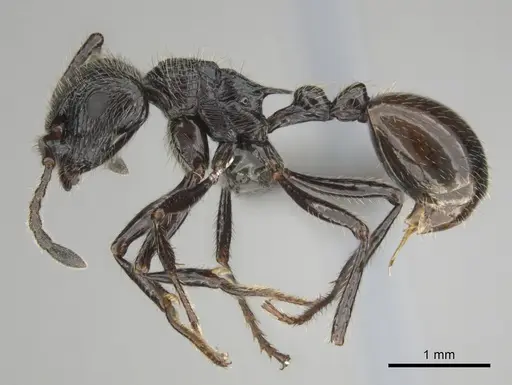
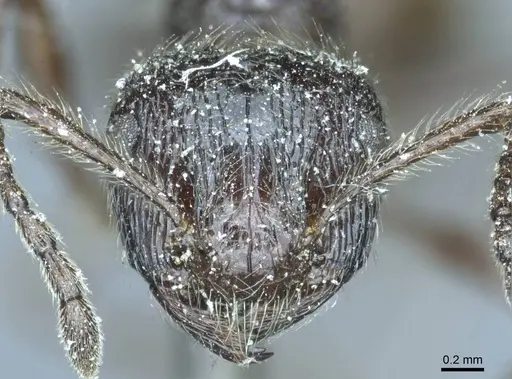
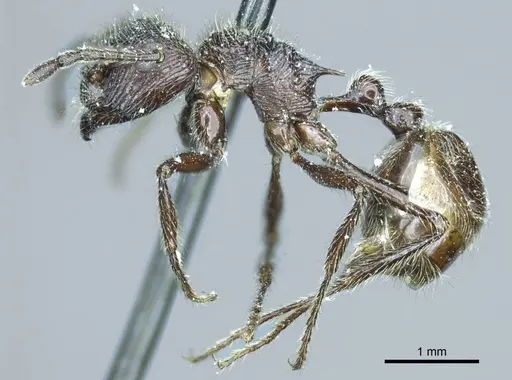
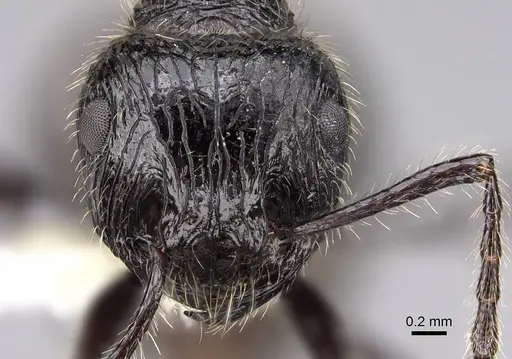
Myrmicaria nigra is a dark-colored ant species native to the Cape of Good Hope in South Africa . Workers are estimated to be around 4-7 mm in length, inferred from Myrmicaria genus patterns. They inhabit rocky, sheltered areas and have an obligate mutualistic relationship with lycaenid butterflies Chrysoritis oreas and Chrysoritis pyroeis, where ants tend larvae in exchange for honeydew . In captivity, they are moderately active with a calm temperament.
Quick Summary
- Difficulty: Medium
- Origin & Habitat: Native to the Cape region of South Africa, found in rocky, sheltered areas associated with butterfly partners [1][3].
- Colony Type: Colony structure is unconfirmed. Based on typical Myrmicaria patterns, likely single-queen (monogyne) colonies, though this requires verification.
- Size & Growth:
- Queen: Size data unavailable, inferred from Myrmicaria genus as ~8-10 mm
- Worker: Size data unavailable, inferred from Myrmicaria genus as ~4-7 mm
- Colony: Up to several hundred workers
- Growth: Moderate
- Development: Estimated 6-8 weeks at warm temperatures (Development time is estimated from genus patterns, specific data for Myrmicaria nigra is not available)
- Antkeeping:
- Behavior: Workers are moderately active and forage individually. They have a sting but are not aggressive unless threatened. Escape risk is moderate, standard barriers work well for this size class.
- Common Issues: escape risk is moderate due to size, use standard barriers, humidity control is important, avoid waterlogging or drying out, founding phase may be slow, be patient and avoid disturbance
Natural History and Butterfly Associations
Myrmicaria nigra has an obligate mutualistic relationship with two species of lycaenid butterflies, Chrysoritis oreas and Chrysoritis pyroeis. The ants attend and protect the butterfly larvae, and in return, the larvae produce honeydew that the ants feed on. This association is well-documented in the wild [2][3][4]. In captivity, this relationship does not affect care, but it highlights the species' ecological role.
Housing and Nest Setup
In captivity, Myrmicaria nigra does well in a naturalistic setup with a soil-based substrate, which mimics their natural ground-nesting behavior. A Y-tong nest or plaster nest with appropriately sized chambers also works well. Include a shallow water reservoir to maintain humidity. Use standard escape prevention with fluon on rim edges [5].
Feeding and Nutrition
Myrmicaria nigra ants are omnivorous. Offer a constant sugar source like sugar water or honey. Provide protein prey such as fruit flies or small insects 2-3 times per week. Remove uneaten prey after 24-48 hours to prevent mold [5].
Temperature and Seasonal Care
Maintain temperatures around 24-28°C for optimal colony activity. A temperature gradient with a warm end and cooler end allows ants to self-regulate. If colony activity decreases in winter, consider a mild cool period at 15-18°C for 2-3 months, but this is optional and not well-documented [5].
Colony Development and Growth
Colonies grow at a moderate pace. The queen lays eggs that develop through larval and pupal stages before workers emerge. First workers are smaller and help expand the colony. Patience is key during the founding phase, avoid overfeeding or disturbing the queen [5].
Frequently Asked Questions
How long does it take for Myrmicaria nigra to produce first workers?
Based on typical Myrmicaria development, expect first workers approximately 6-8 weeks after the queen lays eggs, assuming optimal temperatures around 26°C. This is an estimate since specific development data for Myrmicaria nigra is not available.
What do Myrmicaria nigra ants eat?
They are omnivorous. Offer a constant sugar source like sugar water or honey, and protein prey such as fruit flies or small insects 2-3 times per week. Remove uneaten prey after 24-48 hours [5].
What temperature is best for Myrmicaria nigra?
Keep them at 24-28°C with a temperature gradient. Warmth promotes activity and faster colony growth [5].
Is Myrmicaria nigra good for beginners?
This species is rated as Medium difficulty. While not the easiest for complete beginners, antkeepers with some experience should find them manageable. The main challenge is the limited species-specific care data available.
How big do Myrmicaria nigra colonies get?
Colonies likely reach up to several hundred workers, based on related species. Exact maximum size is unknown for this species.
Do Myrmicaria nigra need hibernation?
Winter dormancy is not confirmed for this species. South African populations may benefit from a mild cool period (15-18°C) for 2-3 months in winter if colony activity decreases, but this is optional.
What size nest should I use for Myrmicaria nigra?
Start with a test tube setup for the founding queen. Once the colony reaches 20-30 workers, move to a small formicarium or naturalistic setup with soil substrate. Chambers should be appropriately sized to the colony [5].
Can I keep multiple Myrmicaria nigra queens together?
Colony structure is unconfirmed for this species. Combining unrelated queens is not recommended since this has not been documented and could result in fighting.
Why is Myrmicaria nigra associated with butterflies?
In the wild, Myrmicaria nigra has an obligate mutualistic relationship with two butterfly species (Chrysoritis oreas and Chrysoritis pyroeis). The ants protect the butterfly larvae, and the larvae produce honeydew that the ants feed on. This is a well-documented natural history feature but does not affect captive care [2][3].
Report an Issue
The current care sheet is based fully on literature. See inconsistencies, or something that's incorrect? Please , it will be resolved after review from an admin. Contributing to the blogs tab also helps providing information, to make us be able to further improve the caresheets. Thank you for your support!
References

This caresheet is licensed under CC BY-SA 4.0 .
Community Blogs
CASENT0815953
View on AntWeb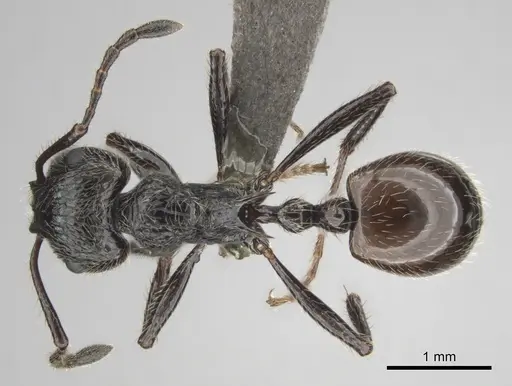
CASENT0900506
View on AntWeb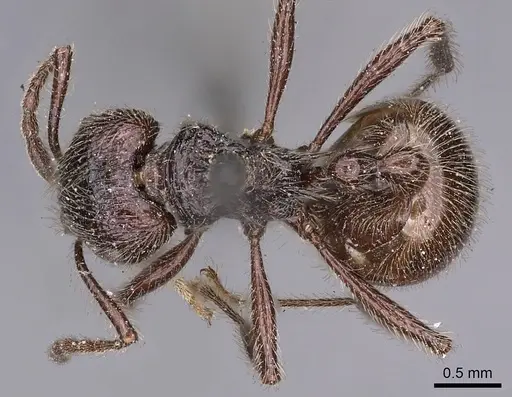
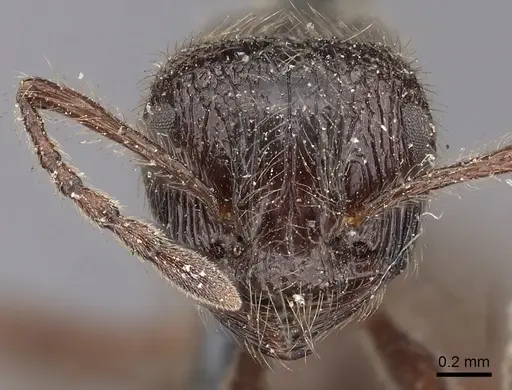
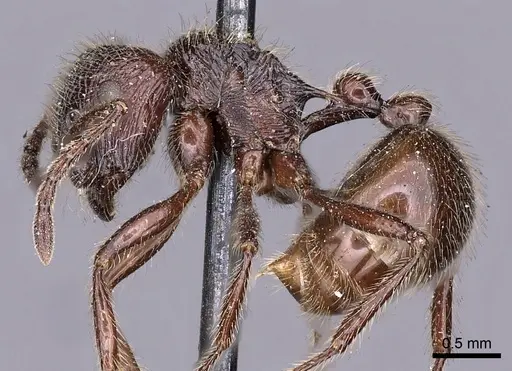
CASENT0919728
View on AntWeb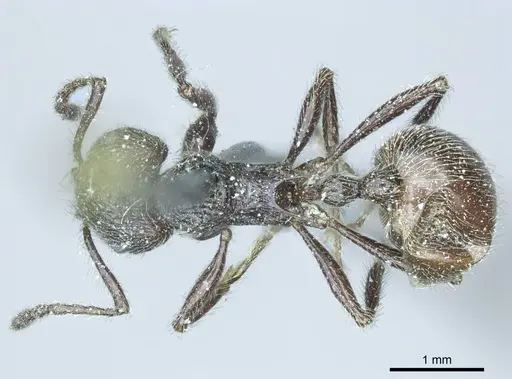
CASENT0923008
View on AntWeb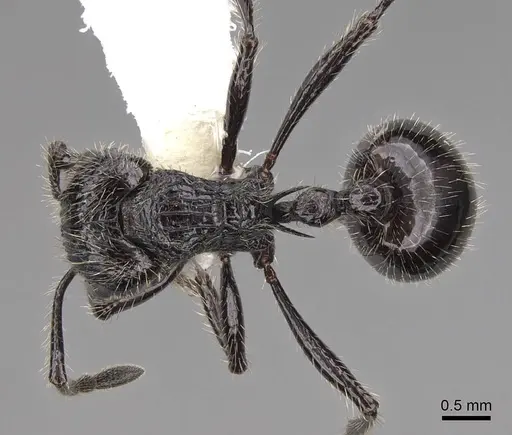
Literature
Loading distribution map...Loading products...