
Myrmica weberi
- Sci. Name
- Myrmica weberi
- Tribe
- Myrmicini
- Subfamily
- Myrmicinae
- Author
- Elmes & Radchenko, 2009
- Distribution
- Found in 1 countries
Introduction
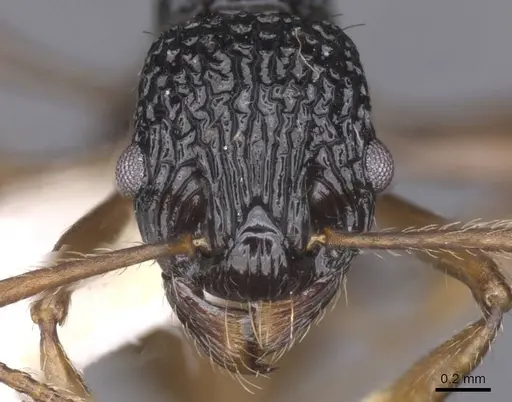
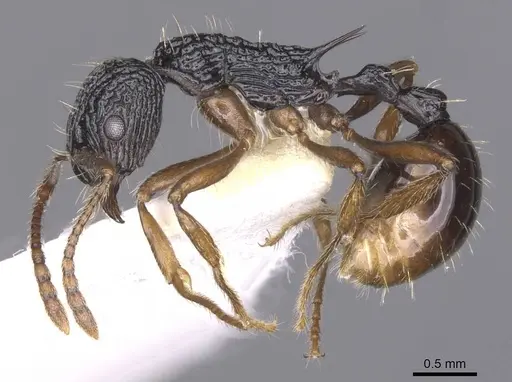
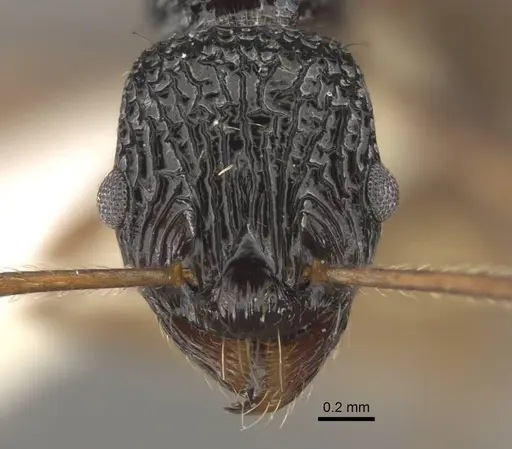
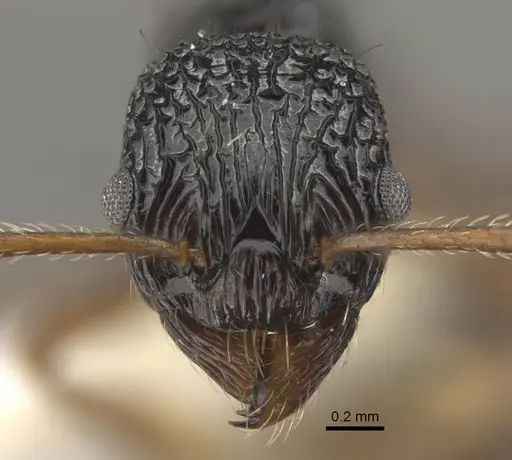
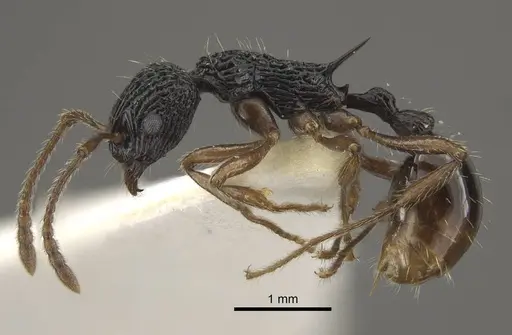
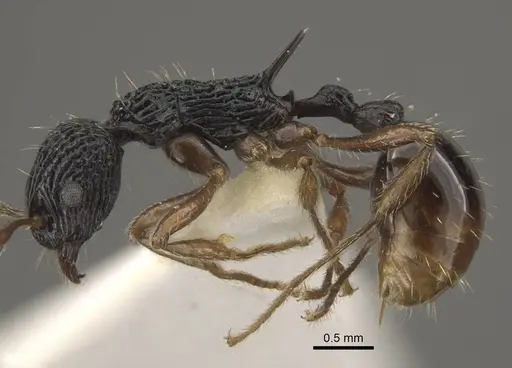
Myrmica weberi is a small, dark ant species native to the high altitudes of the Central Himalayan region (Nepal, India, and Bhutan) . Workers are small, inferred to be around 4-5mm based on Myrmica genus patterns . They have a distinctive appearance with very long, thin propodeal spines and a black to blackish-brown body with contrasting brownish-yellow legs and antennae . The species was described in 2009 and named in honor of Dr. N.A. Weber . It belongs to the ritae species group and is closely related to Myrmica indica and Myrmica alperti . This is a reclusive species that nests under moss, dead wood, and rocks, with colonies foraging close to the ground and in leaf litter .
Quick Summary
- Difficulty: Medium
- Origin & Habitat: High-altitude Himalayan region (Nepal, India, Bhutan) at elevations of 2000-3000 meters. Found in damp, cool mountainous areas with mossy undergrowth, typically in yak meadows and open forest clearings [1][2].
- Colony Type: Colonies have been documented with multiple queens (at least 2 queens observed in one colony sample) [3]. Queens are small and can be similar in size to the largest workers [3].
- Size & Growth:
- Queen: ~4-5 mm, inferred from Myrmica genus
- Worker: ~4-5 mm, inferred from Myrmica genus
- Colony: Colony size is not documented, but estimated to be moderate based on related species.
- Growth: Moderate
- Development: Estimated 8-12 weeks at optimal temperatures, inferred from Myrmica genus patterns. (Development likely slower due to high-altitude adaptation.)
- Antkeeping:
- Temperature: Keep colonies cool, around 18-22°C, based on their high-altitude habitat [1][2].
- Humidity: Keep the nest substrate consistently moist but not waterlogged, mimicking their natural damp mountain habitats [2].
- Diapause: As a high-altitude species, diapause is likely required. Reduce temperature to 5-10°C for 2-3 months during winter.
- Nesting: Prefers moist, cool nest conditions. Y-tong nests, plaster nests, or soil nests work well [2].
- Behavior: Workers are small (around 4mm), so escape prevention is crucial. Use Fluon barriers or similar. They are relatively docile but will defend the colony if threatened [3].
- Common Issues: temperature stress, this species is adapted to cool high-altitude conditions and can overheat easily at typical room temperatures above 25°C, drying out, being from damp mountain habitats, they need consistent moisture and can fail if kept too dry, slow growth, high-altitude species typically develop slower than lowland ants, requiring patience during founding, escape risk, their small size means gaps in equipment can allow escapes
Housing and Nest Setup
Myrmica weberi is a small ant that needs appropriately scaled housing. For founding colonies, a standard test tube setup works well, fill with water, plug with cotton, and wrap the portion with water in aluminum foil to block light. The ants will naturally stay in the dark, humid portion. For established colonies, Y-tong nests or plaster nests work well, as they allow you to control humidity easily. Given their high-altitude origin, avoid heated nests, these ants prefer cool conditions. A naturalistic setup with a soil substrate, moss, and small stones can mimic their natural habitat under rocks and in leaf litter. Ensure the outworld is connected properly and use Fluon or another barrier to prevent escapes [3][2].
Temperature Management
Temperature is critical for keeping Myrmica weberi successfully. This species is adapted to cool mountain conditions at 2000-3000m elevation and does not tolerate heat well. Keep the nest area at 18-22°C, this is cooler than many ant species require. Room temperature is often ideal. If your room is warmer than 22°C, consider moving the colony to a cooler location. Never place the nest in direct sunlight or near heat sources [1][2].
Feeding and Diet
Myrmica weberi is omnivorous and will accept both protein and sugar sources. Offer protein foods such as small insects (fruit flies, small crickets, mealworms), and sugar sources like sugar water, honey, or diluted jam. Feed protein 2-3 times per week, and keep a constant sugar source available. In the wild, these ants forage in leaf litter and likely catch small invertebrates. Remove uneaten food after 24-48 hours to prevent mold. During diapause, do not feed the colony [2].
Seasonal Care and Diapause
As a high-altitude Himalayan species, Myrmica weberi expects seasonal temperature changes. From roughly October to March, reduce the colony temperature to 5-10°C to provide a winter rest period (diapause). This is essential for the health of the colony and mimics their natural environment where temperatures drop significantly at altitude. During diapause, move the colony to a cool, dark location like an unheated garage or basement. Do not feed during this period. In spring, gradually warm the colony back to room temperature (18-22°C) and resume feeding [1][2].
Colony Structure and Multi-Queen Care
Myrmica weberi appears to naturally form colonies with multiple queens, with field samples showing at least 2 queens in a single colony [3]. If you obtain a colony with multiple queens, they can typically be kept together. However, if you are starting with a single queen, do not attempt to introduce additional unrelated queens, this has not been documented as successful for this species. The queens are notably small, even smaller than the largest workers [3].
Frequently Asked Questions
Is Myrmica weberi a good species for beginners?
Myrmica weberi is not typically recommended for complete beginners due to its specific temperature requirements and rarity in the antkeeping hobby [2].
What temperature should I keep Myrmica weberi at?
Keep Myrmica weberi at cool temperatures between 18-22°C, based on their high-altitude habitat [1][2].
How long does it take for Myrmica weberi to produce first workers?
Unknown, the research does not provide a development timeline for this species.
Do Myrmica weberi ants sting?
Yes, like other Myrmica species, they have a functional stinger [4].
Can I keep multiple Myrmica weberi queens together?
Yes, field samples show colonies with multiple queens [3].
Does Myrmica weberi need hibernation?
As a high-altitude species, diapause is likely beneficial [1][2].
What do Myrmica weberi eat?
Myrmica weberi is omnivorous, feeding on insects and sugar sources [2].
How big do Myrmica weberi colonies get?
Colony size is not documented, but estimated to be moderate based on related species.
Where is Myrmica weberi found in the wild?
Myrmica weberi is native to the Central Himalayan region at high elevations (2000-3000m), found in Nepal, India, and Bhutan [1][2].
When should I move Myrmica weberi from a test tube to a formicarium?
Unknown, no specific data on colony size for transfer.
Report an Issue
The current care sheet is based fully on literature. See inconsistencies, or something that's incorrect? Please , it will be resolved after review from an admin. Contributing to the blogs tab also helps providing information, to make us be able to further improve the caresheets. Thank you for your support!
References

This caresheet is licensed under CC BY-SA 4.0 .
Community Blogs
CASENT0913089
View on AntWeb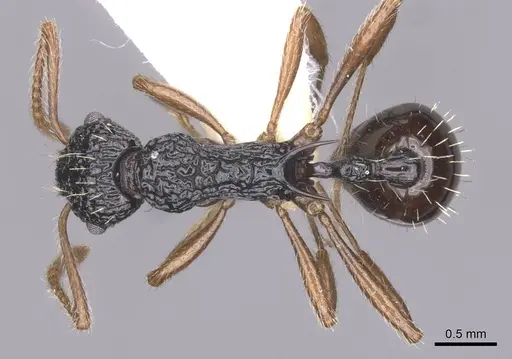
CASENT0917724
View on AntWeb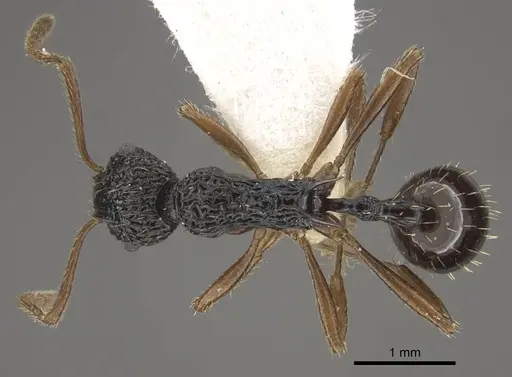
Literature
Loading distribution map...Loading products...