
Myrmica tenuispina
- Sci. Name
- Myrmica tenuispina
- Tribe
- Myrmicini
- Subfamily
- Myrmicinae
- Author
- Ruzsky, 1905
- Distribution
- Found in 1 countries
Introduction
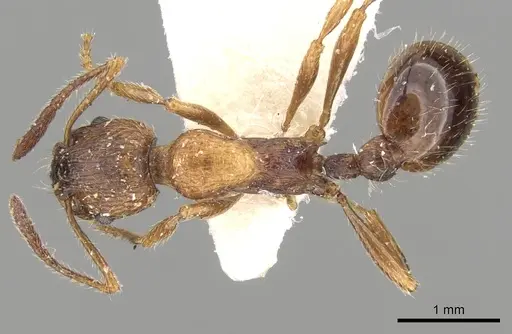
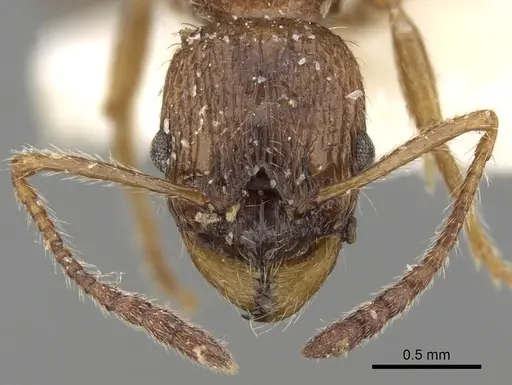
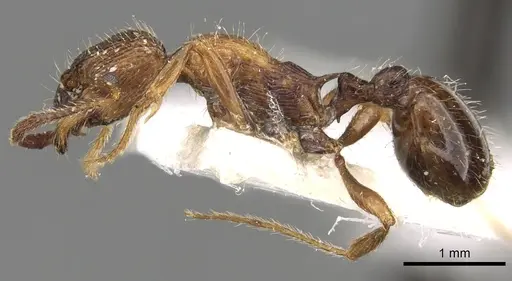
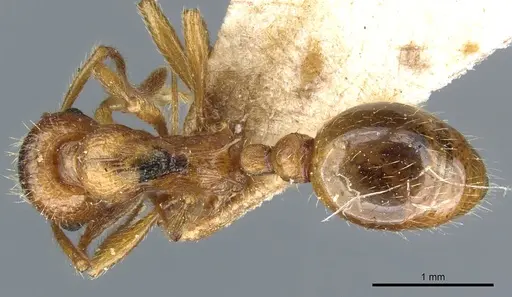
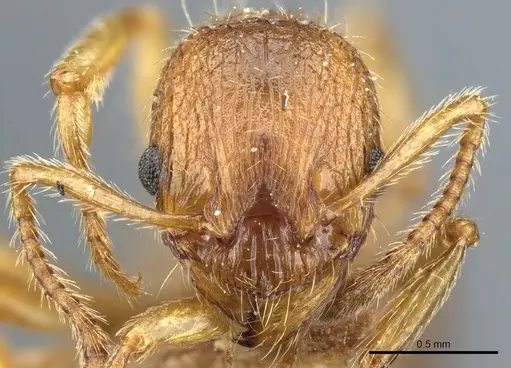
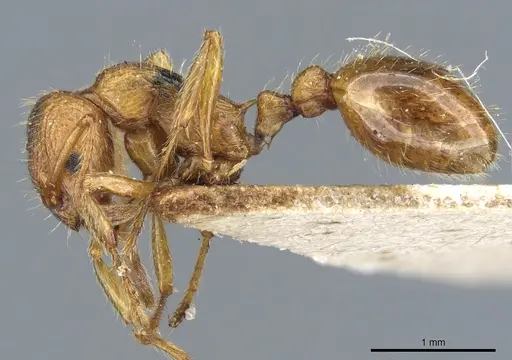
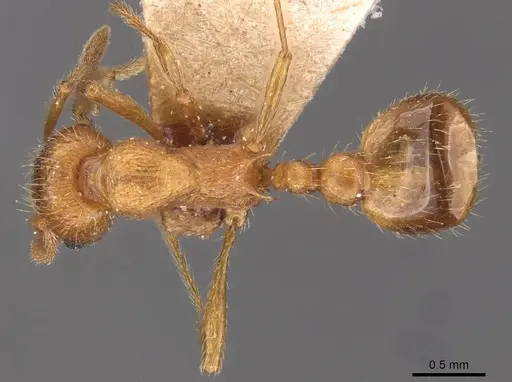
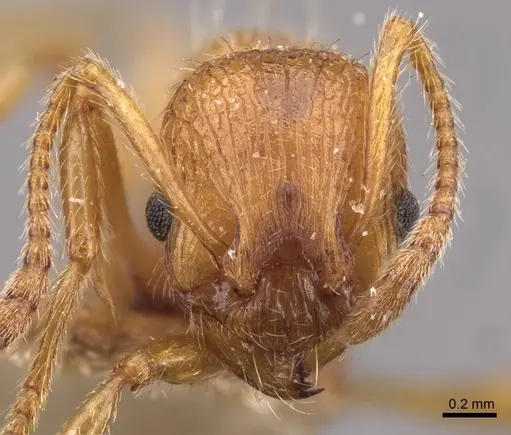
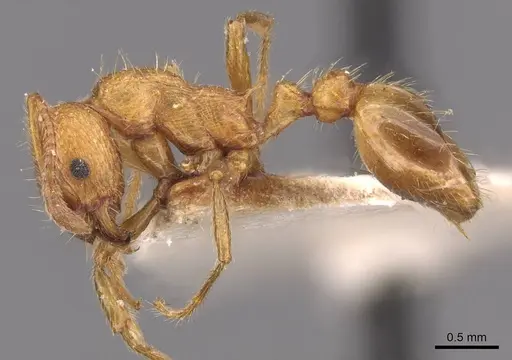
Myrmica tenuispina is a small Myrmica ant species native to the mountains of Central Asia and northeastern Afghanistan. Workers belong to the Myrmica tibetana species group and are distinguished by notably long propodeal spines - the species name 'tenuispina' means 'thin thorn' in Latin, referring to this feature . They are found at high elevations between 2400 and 4100 meters above sea level in subalpine meadow habitats, where they nest in soil and under stones . This is a cold-hardy mountain species adapted to harsh alpine conditions.
Quick Summary
- Difficulty: Medium
- Origin & Habitat: Mountains of Central Asia (Tajikistan, Uzbekistan, Kyrgyzstan, Turkmenistan) and northeastern Afghanistan at altitudes of 2400-4100m in subalpine meadows [2][3]
- Colony Type: Colony structure is not specifically documented for this species.
- Size & Growth:
- Queen: Size data unavailable, inferred from typical Myrmica genus patterns (~5-6mm)
- Worker: Size data unavailable, no specific measurements in research context
- Colony: Up to several hundred workers, typical for Myrmica species
- Growth: Moderate, slower than lowland species due to cold mountain habitat
- Development: Development timeline is unconfirmed for this species (Development is likely slower due to high-altitude cold adaptation.)
- Antkeeping:
- Temperature: Keep cool, aim for 15-20°C. This is a cold-hardy mountain species that naturally experiences cool temperatures. Room temperature is often suitable, but avoid overheating.
- Humidity: Moderate humidity. These ants naturally experience moisture from snowmelt and subalpine conditions. Keep the nest substrate moist but not waterlogged.
- Diapause: Yes, essential for this high-altitude species. Provide a winter rest period of 3-4 months at temperatures around 5-10°C (refrigerator temperatures). This mimics natural winter conditions at high elevations.
- Nesting: Naturalistic setup works well, they nest in soil and under stones in the wild. A Y-tong or plaster nest with a dirt chamber satisfies their need to burrow and nest under cover.
- Behavior: Generally non-aggressive for a Myrmica species. Workers are active foragers but not particularly defensive. They have a stinger but rarely use it against humans. Escape risk is moderate, use standard barrier methods. As a mountain species, they are more active in cooler conditions and may become sluggish in warm environments.
- Common Issues: cold sensitivity, warm temperatures above 25°C can stress or kill colonies, diapause failure, without proper winter rest, colonies may weaken or fail to produce reproductive castes, slow growth, beginners may lose patience with the slower development compared to tropical species, humidity balance, too wet causes mold, too dry causes desiccation, limited availability, this is not a common species in the antkeeping hobby
Natural History and Origin
Myrmica tenuispina is a high-altitude ant species found throughout the mountains of Central Asia, including Tajikistan, Uzbekistan, Kyrgyzstan, Turkmenistan, and northeastern Afghanistan [2]. They inhabit subalpine meadows at elevations between 2400 and 4100 meters above sea level, making them one of the more cold-adapted Myrmica species [3]. In the wild, they nest in soil and under stones, taking advantage of the rocky mountain terrain [2]. The species was originally described by Ruzsky in 1905 and was later elevated from variety to species status [4]. They belong to the Myrmica tibetana species group and are distinguished by their notably long propodeal spines, the Latin name 'tenuispina' literally means 'thin thorn' referring to this feature [1]. Interestingly, this ant has been associated with Polyommatus butterflies (Polyommatus icarus and Polyommatus celin), though it remains unclear if the association involves one or both species [1].
Temperature and Seasonal Care
This species requires cool conditions. In their natural habitat at high elevations, temperatures remain cold even during summer months. Keep the nest area between 15-20°C, this is cooler than most ant species and reflects their mountain origins. Room temperature is often suitable, but avoid placing the colony near heat sources or in warm rooms. During the active season, they can tolerate brief temperature increases but should not be kept above 25°C for extended periods. In winter, provide a diapause (hibernation) period of 3-4 months at refrigerator temperatures around 5-10°C. This winter rest is essential for colony health and reproduction, without it, colonies may fail to produce new queens and males. Reduce feeding during diapause and keep the colony barely moist.
Nesting Preferences
In the wild, Myrmica tenuispina nests in soil and under stones in subalpine meadows [2]. For captive care, a naturalistic setup works best, provide a nest chamber filled with soil or sandy substrate that allows the ants to dig and create their own tunnels. A Y-tong nest with a dirt insert also works well. The key is providing a compact, dark space they can seal themselves into during founding, and a connection to an outworld for foraging. Because they naturally nest under stones, they prefer nests with solid overhead cover rather than fully exposed observation chambers. Keep the nest humid but ensure adequate ventilation to prevent mold.
Feeding and Diet
Like other Myrmica species, Myrmica tenuispina is omnivorous. They naturally forage for small insects and tend aphids for honeydew. In captivity, offer protein sources such as small crickets, mealworms, fruit flies, and other small insects twice weekly. Sugar sources are also accepted, offer sugar water, honey, or diluted maple syrup on a regular basis. These ants are not specialized predators and will readily accept most standard ant foods. Remove uneaten prey after 24-48 hours to prevent mold. During diapause, reduce feeding significantly but do not stop entirely, occasional sugar water helps sustain the colony through winter. [1]
Growth and Development
Colony growth is moderate and slower than many lowland ant species. This is typical for cold-adapted mountain species that have evolved to make the most of short summer active periods. First workers will be smaller than mature workers. Colonies likely reach several hundred workers over several years. The slow growth rate means keepers need patience, do not overfeed in an attempt to speed up development, as excess food causes mold problems. A well-established colony with proper seasonal care (including diapause) will produce reproductive castes (new queens and males) over time.
Frequently Asked Questions
How long does it take for Myrmica tenuispina to produce first workers?
Development timeline is unconfirmed for this species. Expect slower development than lowland species due to their cold mountain adaptation. Be patient, rushing with higher temperatures often causes problems.
What temperature should I keep Myrmica tenuispina at?
Keep them cool at 15-20°C. This high-altitude species prefers cooler conditions than most ants. Room temperature is often ideal. Avoid temperatures above 25°C.
Does Myrmica tenuispina need hibernation?
Yes, a winter diapause is essential. Provide 3-4 months at refrigerator temperatures (5-10°C) during winter. This mimics their natural high-altitude conditions and is necessary for colony health and reproduction.
What do Myrmica tenuispina ants eat?
They are omnivorous. Feed small insects (crickets, mealworms, fruit flies) twice weekly as protein, and provide constant access to sugar water or honey. They will also tend aphids if available.
Are Myrmica tenuispina ants aggressive?
They are not particularly aggressive. Workers will defend the nest if threatened but rarely sting. They are considered one of the more docile Myrmica species.
How big do Myrmica tenuispina colonies get?
Likely up to several hundred workers over several years. This is typical for Myrmica species. Growth is slow, expect several years to reach maximum size.
Can I keep multiple Myrmica tenuispina queens together?
Colony structure is not specifically documented for this species. Combining unrelated queens is not recommended as they will likely fight.
What type of nest is best for Myrmica tenuispina?
A naturalistic setup with soil substrate or a Y-tong nest with a dirt chamber works best. They naturally nest in soil under stones, so they prefer a compact dark space they can burrow into.
Why is my Myrmica tenuispina colony growing slowly?
Slow growth is normal for this species. They are cold-adapted mountain ants with naturally slower development. Ensure proper diapause each winter and avoid overheating. Patience is key.
Do Myrmica tenuispina ants sting?
Yes, they have a stinger but rarely use it against humans. The sting is mild and comparable to other small Myrmica species. Most keepers report they are not aggressive stingers.
Report an Issue
The current care sheet is based fully on literature. See inconsistencies, or something that's incorrect? Please , it will be resolved after review from an admin. Contributing to the blogs tab also helps providing information, to make us be able to further improve the caresheets. Thank you for your support!
References

This caresheet is licensed under CC BY-SA 4.0 .
Community Blogs
Literature
Loading distribution map...Loading products...