
Myrmica stangeana
- Sci. Name
- Myrmica stangeana
- Tribe
- Myrmicini
- Subfamily
- Myrmicinae
- Author
- Ruzsky, 1902
- Distribution
- Found in 3 countries
Introduction
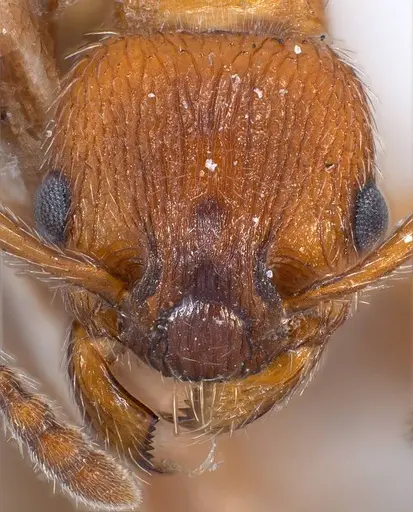
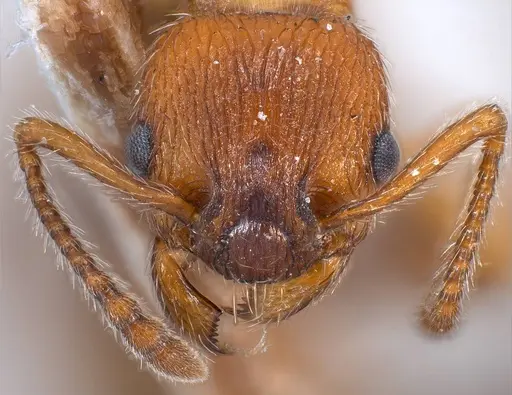
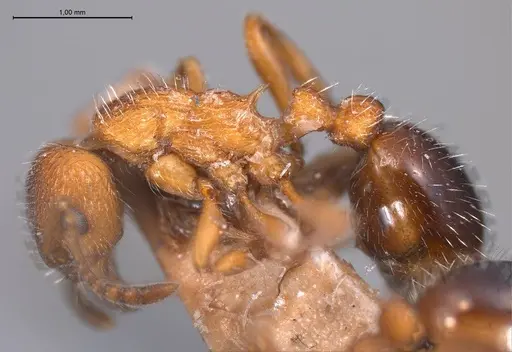
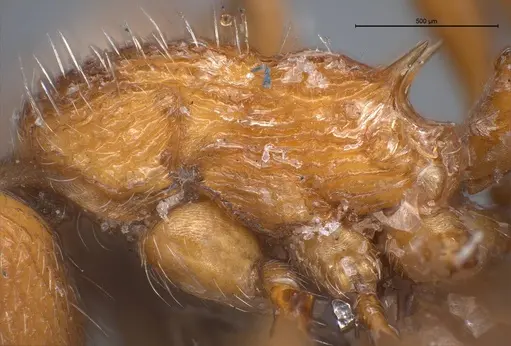
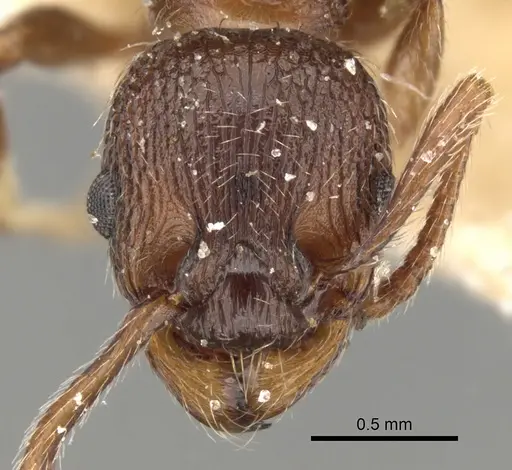
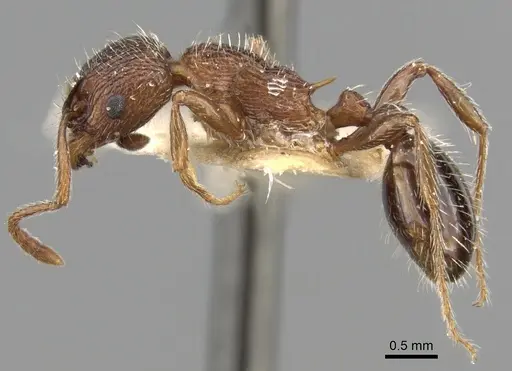
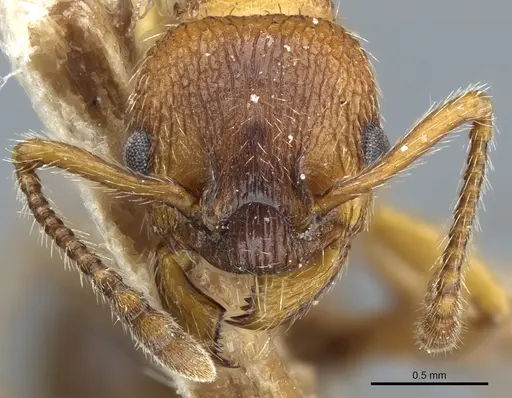
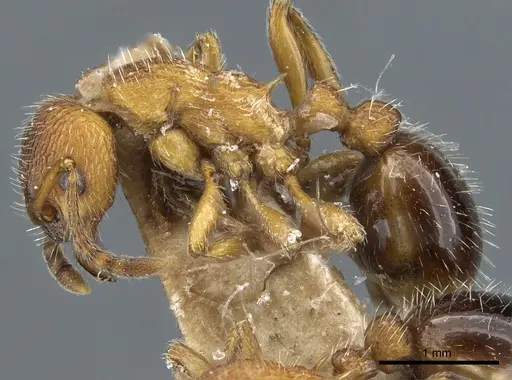
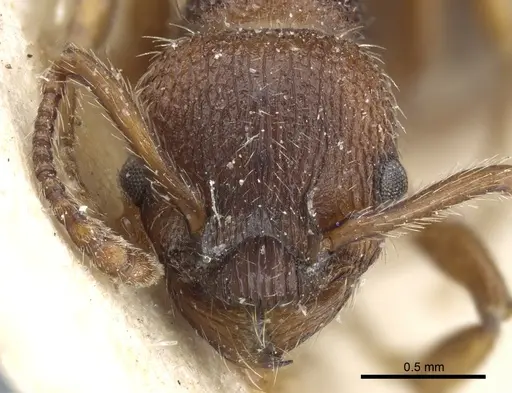
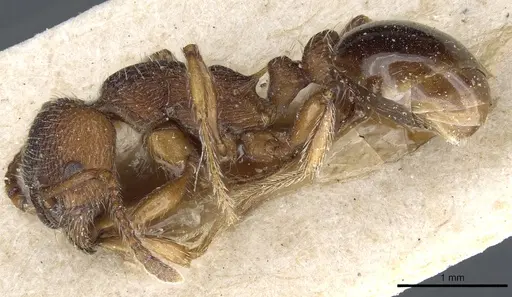
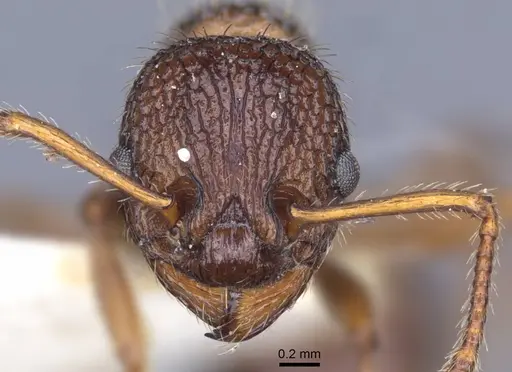
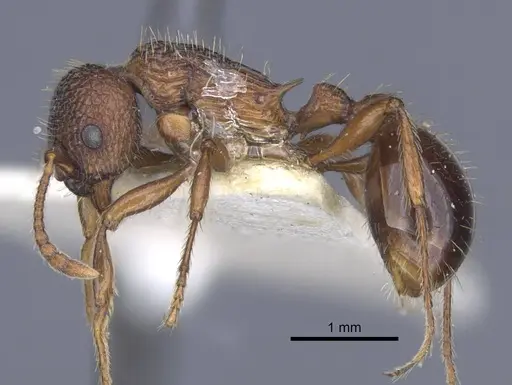
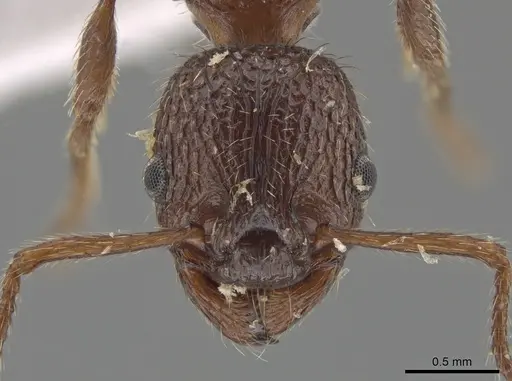
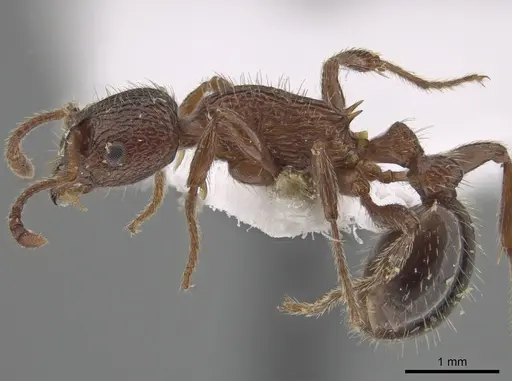
Myrmica stangeana is a small Myrmica ant native to the Palaearctic region, ranging from Eastern Europe through Central Asia to China. Workers have a reddish-brown body with relatively short, thin propodeal spines and coarse longitudinal rugae on the alitrunk. This species belongs to the schencki group, distinguished by its narrow antennal scape ridge at the base and dark brownish-red coloration. Despite being documented across multiple countries, it remains genuinely rare throughout its range, with poor representation in collections. The species was named after the Russian naturalist G.V. Stange who provided specimens to early myrmecologists.
Quick Summary
- Difficulty: Medium
- Origin & Habitat: Palaearctic region, found in Armenia, China, Czechia, Georgia, Kazakhstan, Kyrgyzstan, Romania, Russia, Slovakia, and Ukraine. This is a steppe zone species that inhabits intrazonal, wet, usually saline areas. Nests are built in soil, sometimes with small mounds but often with no visible constructions [1][2].
- Colony Type: Small colonies with up to several hundred workers. Colonies can be monogyne (single queen) or oligogyne (few queens) [1].
- Size & Growth:
- Queen: ~6-8mm, inferred from Myrmica genus
- Worker: ~4-6mm, inferred from Myrmica genus
- Colony: Up to several hundred workers [1]
- Growth: Moderate
- Development: 6-10 weeks, inferred from Myrmica genus patterns (This is an estimate based on typical Myrmica development as species-specific data is not available.)
- Antkeeping:
- Temperature: Keep at 20-24°C. Myrmica species generally thrive in moderate temperatures with a slight gradient allowing them to choose their preferred zone.
- Humidity: Moderate humidity preferred. This species naturally inhabits wetter areas within the steppe zone, so keep substrate consistently moist but not waterlogged.
- Diapause: Yes, Myrmica species require winter hibernation. Keep at 5-10°C for 3-4 months during winter.
- Nesting: Y-tong (AAC) nests or plaster nests work well. Provide a water tube for humidity. This species nests in soil in the wild, so a naturalistic setup with soil substrate is also suitable.
- Behavior: Myrmica stangeana has typical Myrmica temperament, moderately aggressive when disturbed. Workers are active foragers, primarily hunting for small invertebrates and collecting honeydew. They are not strong escape artists but standard escape prevention measures should still be used. Colonies are relatively peaceful and do not exhibit raiding or slave-making behaviors.
- Common Issues: colonies are quite small even at maturity, don't expect large colonies, rare in collections means limited availability and higher cost, may be difficult to establish from founding queen due to specialized habitat requirements, winter hibernation is essential, colonies that aren't cooled properly may fail to thrive, small colony size means less tolerance for mistakes, problems can quickly become fatal, this species is critically endangered in parts of its range, check local laws before acquiring
Natural History and Distribution
Myrmica stangeana is a genuinely rare species throughout its extensive range, which spans from Eastern Europe through Central Asia to China. Despite being documented across multiple countries including Russia, Ukraine, Kazakhstan, Kyrgyzstan, Georgia, Romania, and others, its poor representation in ant collections suggests it is quite uncommon in the wild. This species is classified as a steppe zone inhabitant but shows a strong preference for intrazonal wet areas, particularly those with saline soil conditions. In Ukraine, it is associated with the northern border of the steppe zone and is considered a Turano-steppe zoogeographic element. The species has been found at elevations up to 2300m in Kyrgyzstan, demonstrating some adaptability to altitude. In Austria, particularly Lower Austria, this species is classified as critically endangered (Category 1) and reaches its western distribution limit at only a few extreme sites such as Wachau, Steinfeld, and the eastern Danube valley. [1][2]
Nest Preferences and Housing
In the wild, Myrmica stangeana nests in soil, sometimes creating small mounds but frequently showing no visible nest constructions at all. This underground nesting behavior means they prefer dark, humid nest chambers away from direct light. For captive care, Y-tong (acrylic and cork) nests work well because they provide the dark, enclosed environment these ants prefer. Plaster nests with a water reservoir are also suitable and help maintain the moderate humidity this species requires. Test tube setups can work for founding colonies, but you should plan to move them to a proper formicarium once the colony reaches 20-30 workers. Avoid nests that dry out quickly, this species comes from wetter microhabitats within the steppe zone. [1]
Feeding and Diet
Like other Myrmica species, Myrmica stangeana is a generalist predator and scavenger. Offer a varied diet including small live prey such as fruit flies, pinhead crickets, and other tiny arthropods. They will also accept protein-based foods like boiled egg, fish flakes, or commercial ant protein mixes. Sugar sources are important for energy, offer sugar water, honey, or diluted maple syrup regularly. In the wild, they likely forage for small insects and tend aphids for honeydew, so replicating this varied diet in captivity supports healthy colony growth. Feed protein prey 2-3 times per week and keep sugar water constantly available. [1]
Temperature and Seasonal Care
Maintain nest temperatures around 20-24°C for optimal brood development. Myrmica species are adapted to temperate climates and require distinct seasonal cycles. During the active season (spring through fall), room temperature within this range is typically suitable. A heating cable on one side of the nest can create a gentle gradient if your room runs cool. Critically, these ants require a winter hibernation period, plan to reduce temperatures to 5-10°C for 3-4 months (typically November through February in the Northern Hemisphere). Failure to provide adequate hibernation can weaken colonies and reduce lifespan. Do not feed during hibernation but ensure some moisture is available. [1]
Colony Structure and Development
Myrmica stangeana colonies are relatively small compared to many Myrmica species, typically reaching only several hundred workers at maturity. Colonies can be either monogyne (single queen) or oligogyne (a few queens working together). This flexibility in colony structure is relatively uncommon among Myrmica and may reflect adaptation to variable habitat conditions. Founding behavior is unconfirmed for this specific species, though claustral founding is typical for the genus. First workers are typically smaller than mature workers. Growth is moderate, expect 6-10 weeks from egg to first worker under optimal conditions, with colonies taking several years to reach maximum size. [1][2]
Frequently Asked Questions
How long does it take for Myrmica stangeana to produce first workers?
Expect 6-10 weeks from egg to first worker at optimal temperatures around 20-24°C. This is based on typical Myrmica development patterns as species-specific data is not available. The first workers will be smaller than mature workers.
How big do Myrmica stangeana colonies get?
Colonies remain relatively small, reaching only several hundred workers at maturity. This is on the smaller end for Myrmica species, so don't expect massive colonies.
Do Myrmica stangeana ants sting?
Myrmica species can defend themselves if the nest is disturbed. The sting is mild and rarely penetrates human skin.
What temperature do Myrmica stangeana need?
Keep them at 20-24°C during the active season. They require a winter hibernation period at 5-10°C for 3-4 months. A heating cable on one side of the nest can create a temperature gradient.
Can I keep multiple Myrmica stangeana queens together?
This species is naturally oligogyne, meaning colonies can have a few queens. However, combining unrelated foundress queens is risky and not well-documented. If you want to try multi-queen colony setup, introduce them before founding and provide plenty of space.
Are Myrmica stangeana good for beginners?
This species is rated as medium difficulty. While Myrmica are generally hardy, this species is rare in the hobby and may have specialized requirements. Its small colony size also means less margin for error. Beginners may want to start with more common Myrmica species first.
What do Myrmica stangeana eat?
They are generalist predators and scavengers. Feed small live prey (fruit flies, pinhead crickets), protein foods (egg, fish flakes), and keep sugar water or honey available constantly. A varied diet supports best colony growth.
Do Myrmica stangeana need hibernation?
Yes, absolutely. Like all Myrmica species, they require a winter rest period of 3-4 months at 5-10°C. Without proper hibernation, colonies will not thrive long-term.
When should I move Myrmica stangeana from a test tube to a formicarium?
Move them once the colony reaches 20-30 workers or when the test tube becomes crowded. Have the formicarium ready with proper humidity levels before transferring.
Why is Myrmica stangeana so rare in ant collections?
This species is genuinely rare throughout its range in the wild, with poor representation in scientific collections. Its specialized habitat requirements (wet, saline areas within the steppe zone) likely make it uncommon and difficult to locate. This rarity also means limited availability from suppliers. Additionally, it is critically endangered in parts of its range like Austria.
Report an Issue
The current care sheet is based fully on literature. See inconsistencies, or something that's incorrect? Please , it will be resolved after review from an admin. Contributing to the blogs tab also helps providing information, to make us be able to further improve the caresheets. Thank you for your support!
References

This caresheet is licensed under CC BY-SA 4.0 .
Community Blogs
ANTWEB1008452
View on AntWeb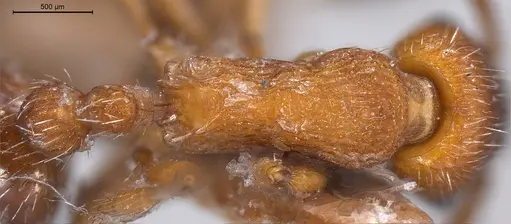
CASENT0280822
View on AntWeb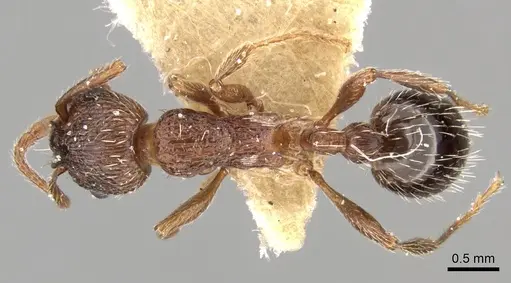
CASENT0904071
View on AntWeb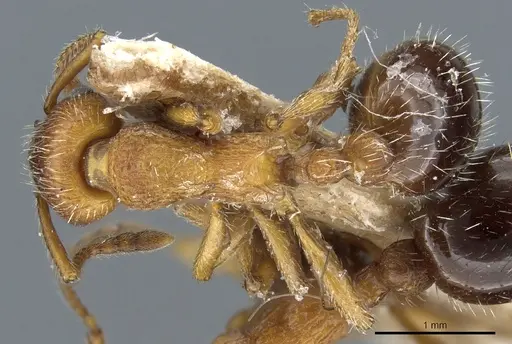
CASENT0904074
View on AntWeb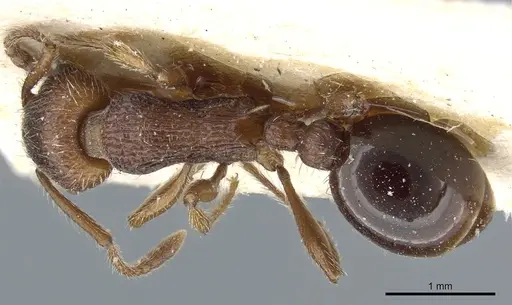
CASENT0916895
View on AntWeb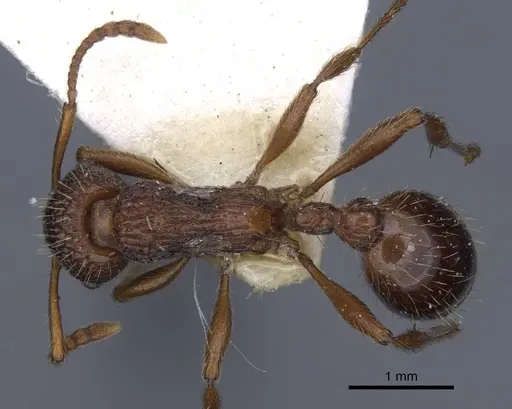
CSU
View on AntWeb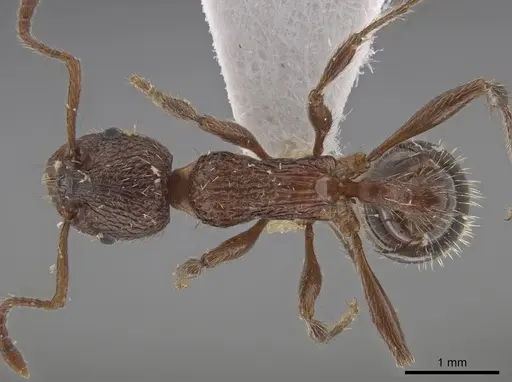
Literature
Loading distribution map...Loading products...