
Myrmica rhytida
- Sci. Name
- Myrmica rhytida
- Tribe
- Myrmicini
- Subfamily
- Myrmicinae
- Author
- Radchenko & Elmes, 1999
- Distribution
- Found in 1 countries
Introduction
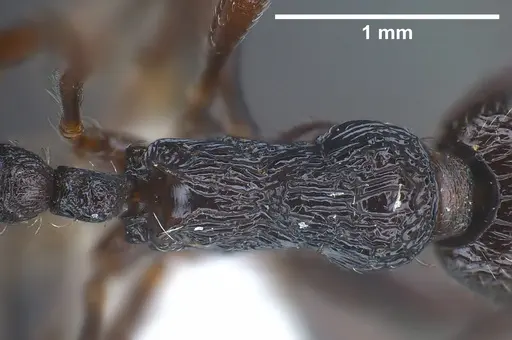
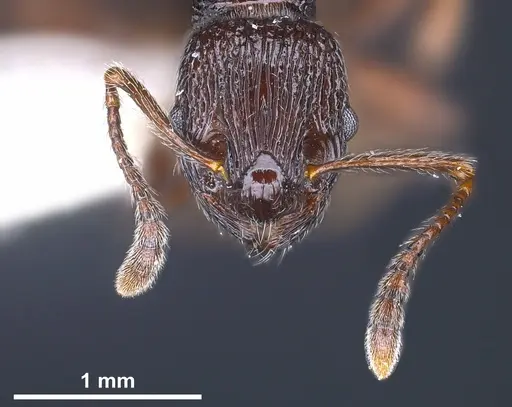
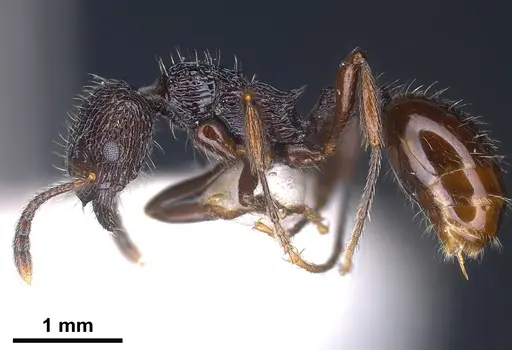
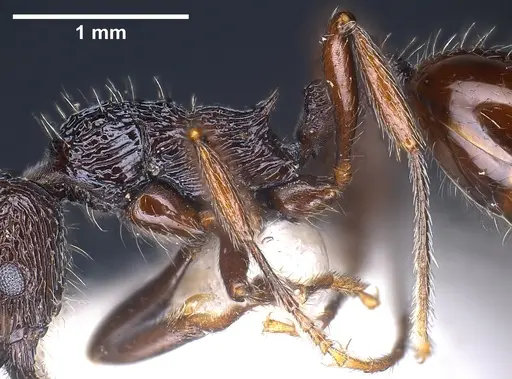
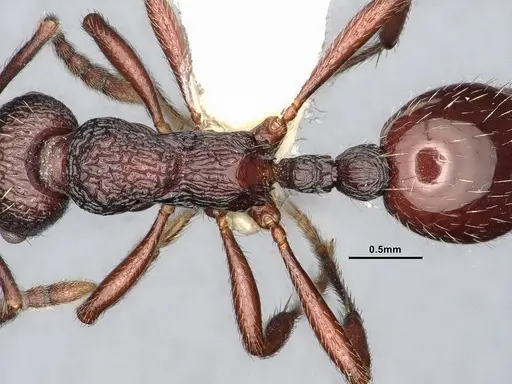
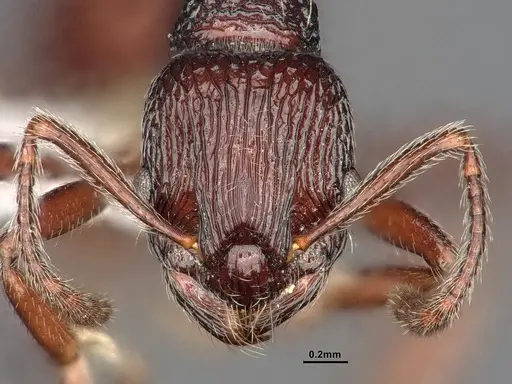
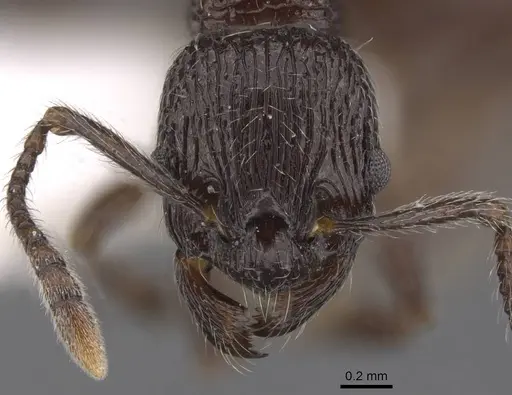
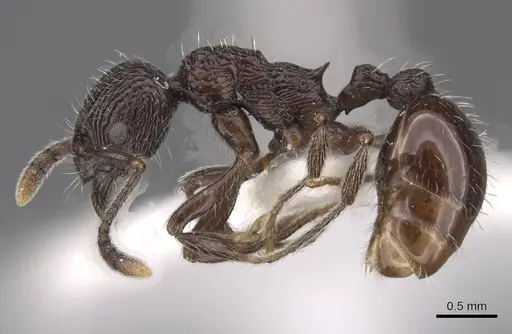
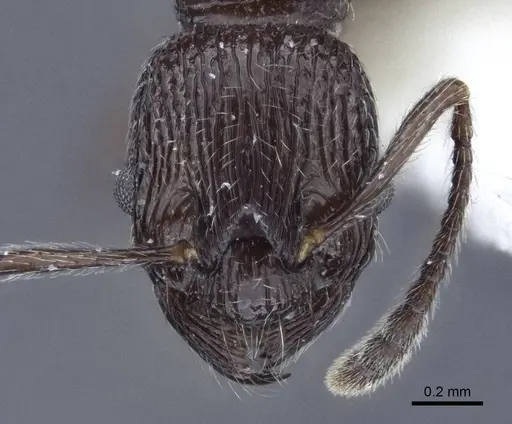
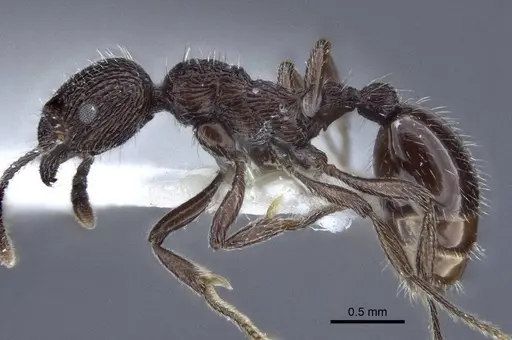
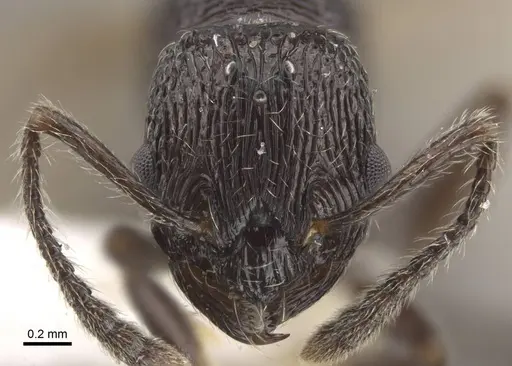
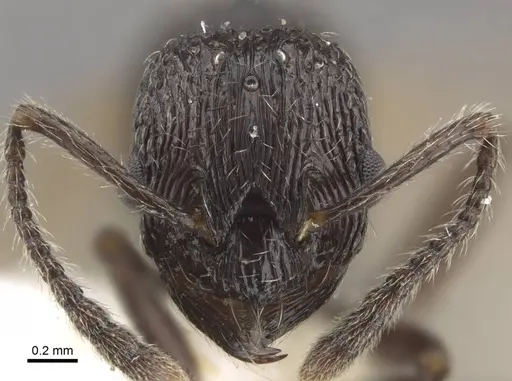
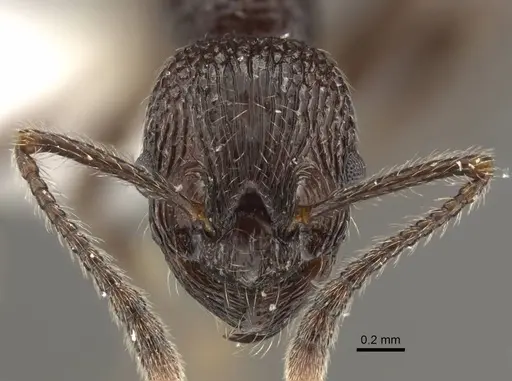
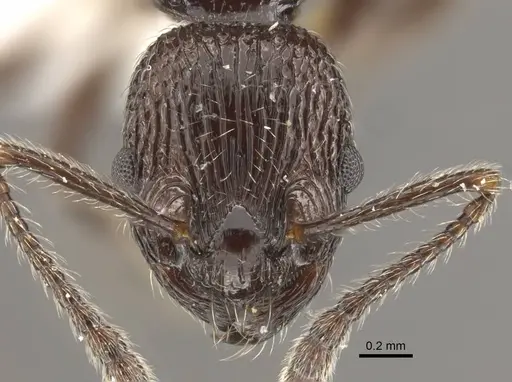
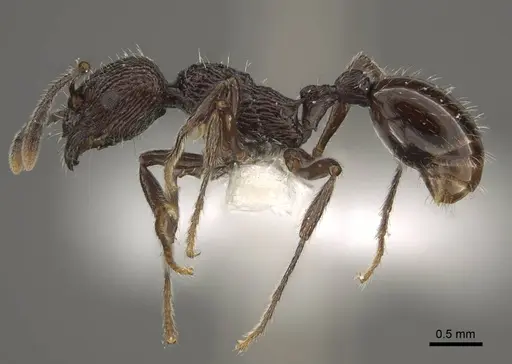
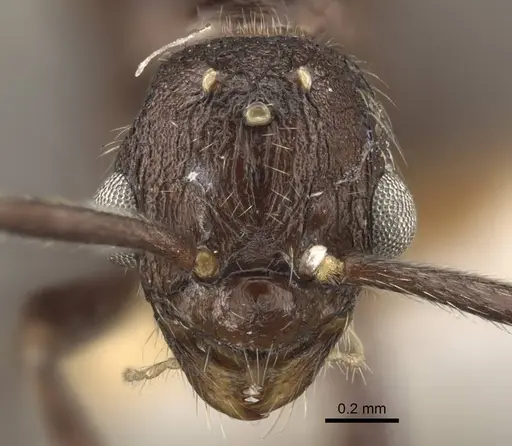
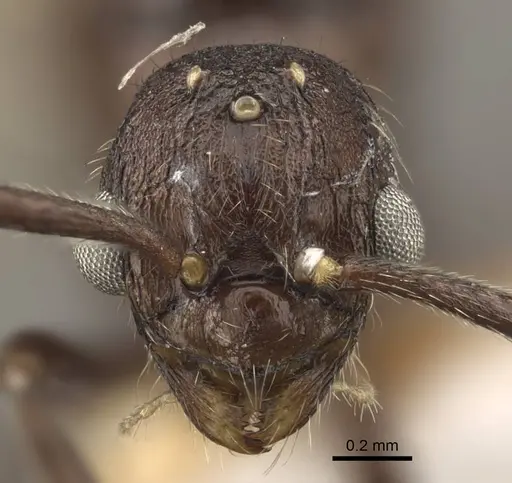
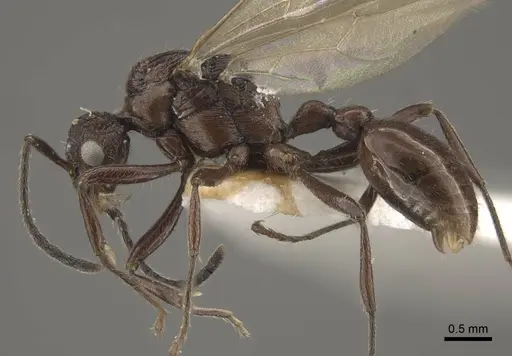
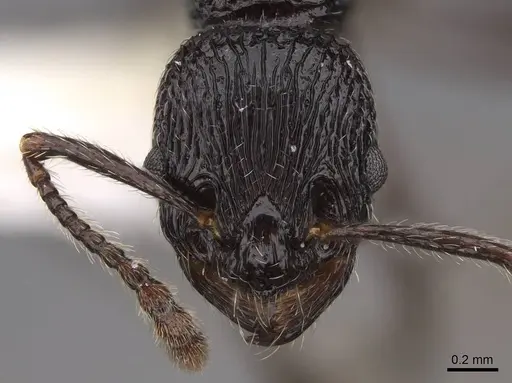
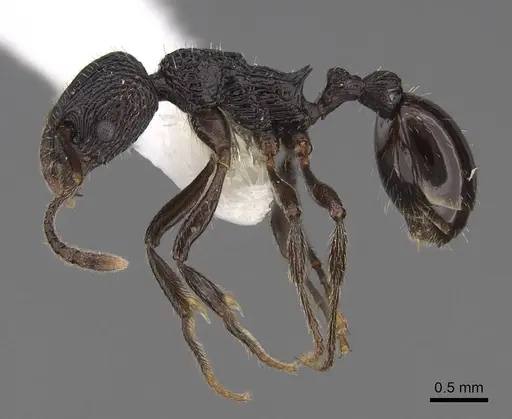
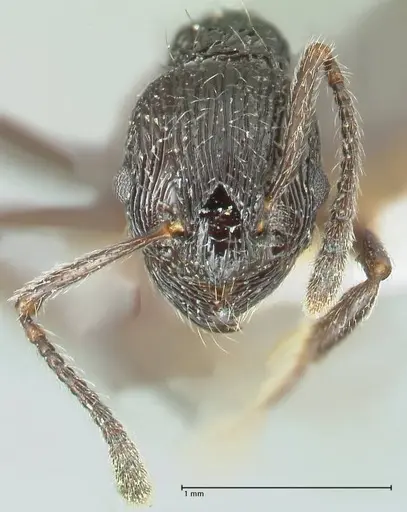
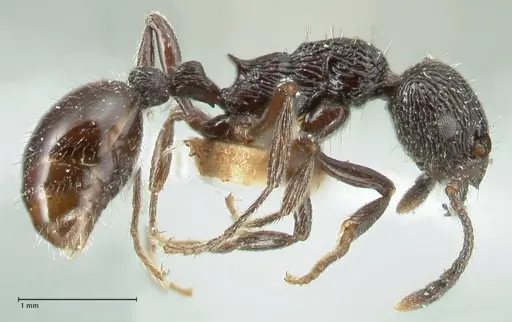
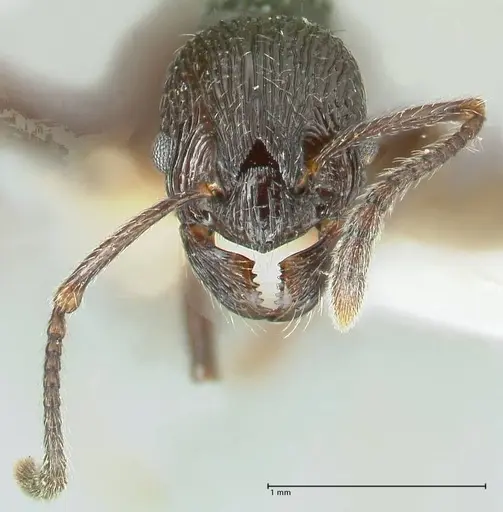
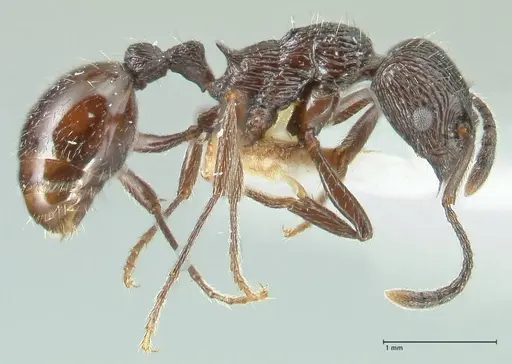
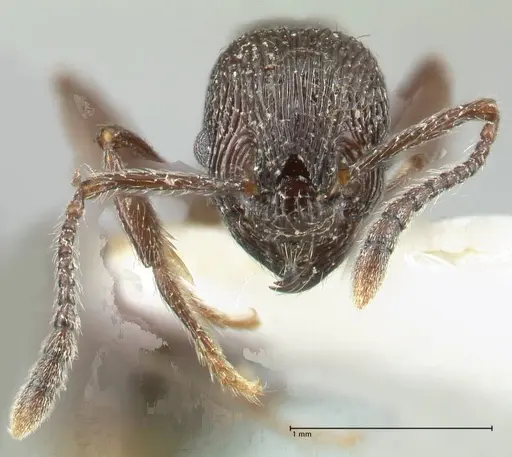
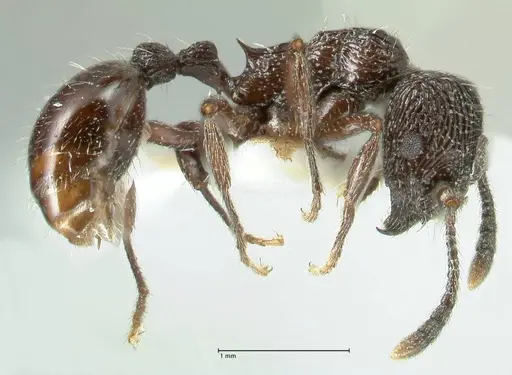
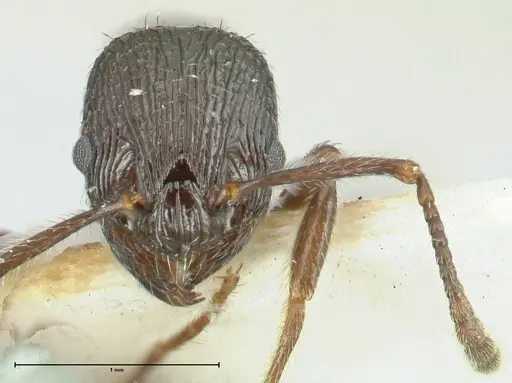
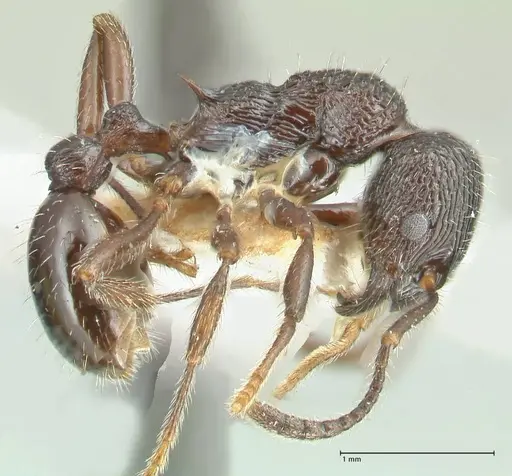
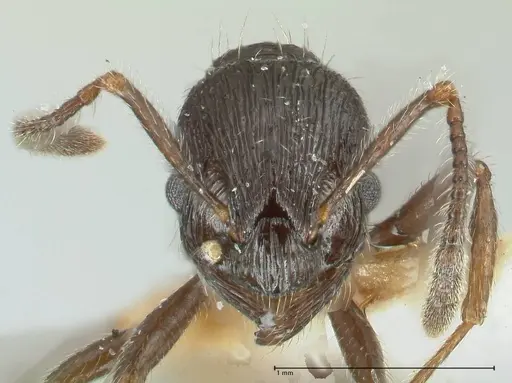
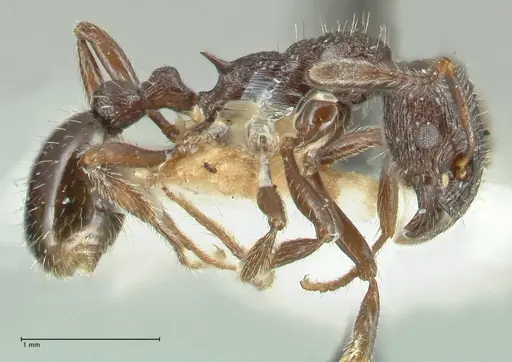
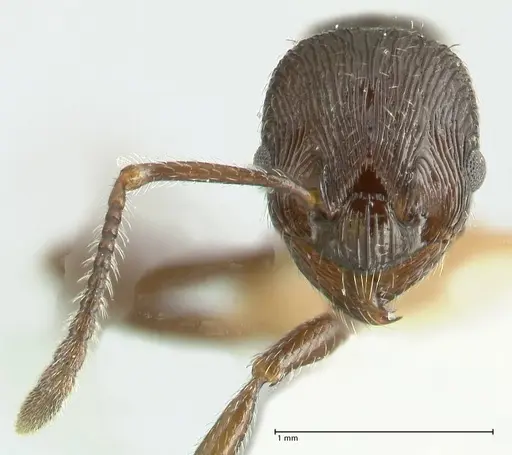
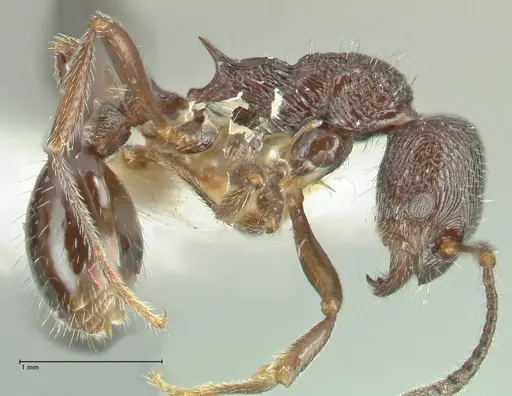
Myrmica rhytida is a small ant species endemic to the high altitudes of the Himalayan region in India. Workers have the characteristic Myrmica features including a well-developed stinger and relatively long antennae. This species is distinguished by its coarse rugosity (wrinkled texture) on the head, alitrunk, petiole and postpetiole, which helps separate it from related Himalayan Myrmica species . What makes M. rhytida particularly interesting is its extreme habitat specialization. It lives exclusively above the timberline in the cold desert regions of the Himalayas at altitudes between 2800-4200 meters, making it one of the highest-living ant species in the world. Unlike many ants that forage on plants, these ants stay cryptic and close to the soil surface, similar to the northern European Myrmica lobicornis. They tend root aphids inside their nests and construct nests in soil under stones or in rotting birch logs in alpine meadows . This species is classified as an opportunist forager .
Quick Summary
- Difficulty: Medium
- Origin & Habitat: Himalayan region of India (Jammu & Kashmir and Himachal Pradesh), found at extreme altitudes of 2800-4200 meters above sea level in cold, dry alpine meadows above the timberline [3][4][1]
- Colony Type: Colony structure has not been directly studied. Based on typical Myrmica patterns, likely single-queen colonies.
- Size & Growth:
- Queen: Size data unavailable, no specific measurements exist for this species
- Worker: Size data unavailable, no specific measurements exist for this species
- Colony: Colony size has not been directly documented in research
- Growth: Growth rate is not documented in available research
- Development: Development timeline is unconfirmed for this species (Based on related Myrmica patterns, development likely takes several months due to cold-origin biology.)
- Antkeeping:
- Temperature: Keep at room temperature around 20-25°C. One study recorded nest temperature at 31°C with 41% relative humidity, indicating this species can tolerate warmer conditions than typical cold-adapted ants [1]. Avoid prolonged exposure above 30°C.
- Humidity: Low to moderate humidity around 40-60%. The natural habitat has low pluviosity (rainfall) and nest humidity was recorded at 41% [1]. Allow the nest substrate to dry partially between waterings.
- Diapause: Likely yes, based on extreme high-altitude origin in the Himalayas where winters are severe, a winter rest period is probably necessary.
- Nesting: Provide a naturalistic setup with soil chambers or a Y-tong/plaster nest. They naturally nest in soil under stones and in rotting birch logs [1]. Keep the nest in a cool location away from direct heat.
- Behavior: This species is relatively docile and not aggressive. Workers are cryptic foragers that stay close to the soil surface and do not climb extensively. They are not known to be escape artists and can be kept in standard setups with moderate escape prevention. They tend root aphids for honeydew in their nests, so sugar sources are readily accepted [1]. The stinger is present but small, and the pain level is minimal for humans.
- Common Issues: overheating can be problematic despite some warmth tolerance, monitor for stress above 30°C, hibernation is likely required given their extreme high-altitude origin, colonies may grow slowly due to their cold-origin biology, dry conditions are acceptable but some moisture is still needed, wild-caught colonies from the Himalayas may have parasites or may not adapt well to captivity
Natural History and Distribution
Myrmica rhytida is endemic to the Himalayan regions of northern India, specifically found in Jammu & Kashmir and Himachal Pradesh [4]. This is an extremophile species that lives exclusively at extraordinary altitudes between 2800 and 4200 meters above sea level, primarily above the timberline in what are essentially cold desert conditions [1]. The species was described by Radchenko and Elmes in 1999 and is considered part of the rugosa species group, though its exact taxonomic placement remains uncertain due to some unique characteristics [1].
In the wild, these ants inhabit alpine meadows containing juniper species, dry alpine scrub, and birch forests at elevations where Rhododendron begin to appear. They construct nests in soil, often under stones, and sometimes in rotting birch logs [1]. One study recorded nest temperature at 31°C with relative humidity at just 41%, indicating they can tolerate warm conditions. They have been recorded living sympatrically (in the same areas) with Myrmica wardi, but M. rhytida tends to occupy the higher elevations (mean 3600m versus 2700m for M. wardi) [1]. This species is classified as an opportunist forager in functional group assessments [2].
Temperature Requirements
This species has more flexibility in temperature than typical cold-adapted ants. Research shows nest temperature was recorded at 31°C in their natural habitat [1], which is quite warm. However, they still originate from extreme altitudes where temperatures fluctuate significantly.
Keep the nest area at room temperature, roughly 20-25°C. This is warmer than the 18-22°C suggested in the original draft, based on the actual nest temperature data. Avoid allowing temperatures to exceed 30-35°C for extended periods.
During winter, you should still provide a cooler period. Based on their extreme high-altitude origin in the Himalayas, a winter hibernation period of 2-3 months at temperatures between 5-10°C is recommended. Place them in an unheated garage, basement, or refrigerator (dedicated for ant use only) during this period.
Feeding and Diet
Myrmica rhytida tends root aphids inside its nest in the wild, which means it readily accepts sugar sources and protein prey [1]. Feed them sugar water, honey, or diluted maple syrup as a constant sugar source. For protein, offer small insects like fruit flies, small mealworms, or cricket pieces.
Their foraging behavior is described as cryptic, they stay very close to the soil surface and have never been observed foraging on plants [1]. This means they are not active climbers, so place food directly on the substrate or in a shallow feeding dish at ground level. Remove uneaten protein prey within 24-48 hours to prevent mold.
The fact that they tend aphids suggests they have a strong sugar drive, so sweet liquids should be available at all times.
Nesting and Setup
In nature, Myrmica rhytida nests in soil (often under stones) and in rotting birch logs at high altitudes [1]. For captive care, a naturalistic setup with soil or a Y-tong/plaster nest works well. The key is providing appropriate temperature and humidity.
Because they stay close to the soil surface in the wild, they do not need deep nests. Provide a shallow setup with chambers they can easily access. If using a test tube setup, ensure it is kept in a cool location. The nest substrate should be kept moderately moist but allow some drying between waterings, remember their natural nest humidity was only 41% [1].
Escape prevention is not a major concern with this species as they are not particularly good climbers or escape artists. Standard barriers are sufficient.
Seasonal Care and Hibernation
Myrmica rhytida likely requires a winter rest period to thrive in captivity. This is based on their extreme Himalayan altitude origin where winters are extremely severe.
From approximately late October/November through February/March, reduce temperatures to 5-10°C and reduce feeding to nothing or very occasionally. Do not feed during hibernation. Keep them in a dark, quiet location during this period. A garage, basement, or dedicated refrigerator works well.
In spring, gradually warm them back to room temperature and resume normal feeding. The colony will become active again as temperatures rise.
Frequently Asked Questions
How difficult is Myrmica rhytida to keep?
This species is rated as medium difficulty. It requires specific conditions, primarily appropriate temperature and likely hibernation, that antkeepers must be prepared to provide.
What temperature does Myrmica rhytida need?
Keep them at room temperature around 20-25°C. Research recorded nest temperature at 31°C in the wild, showing they can tolerate warmer conditions than typical cold-adapted ants [1].
Do Myrmica rhytida need hibernation?
Yes, likely. Based on their extreme high-altitude origin in the Himalayas, a winter rest period of 2-3 months at 5-10°C is recommended.
How long does it take for first workers to appear?
Development timeline is unconfirmed for this species. Based on related Myrmica patterns, expect several months from egg to first worker.
What do Myrmica rhytida eat?
They accept sugar sources (honey, sugar water, maple syrup) and protein (small insects like fruit flies, mealworms). In the wild, they tend root aphids for honeydew, so sugar should be available at all times [1].
Can I keep multiple queens together?
This has not been studied for this specific species. Based on typical Myrmica behavior, single-queen colonies are most common. It is not recommended to combine unrelated foundress queens.
How big do colonies get?
Colony size is not directly documented in available research.
Where is Myrmica rhytida found in the wild?
This species is endemic to the Himalayas in India, specifically found in Jammu & Kashmir and Himachal Pradesh at altitudes between 2800-4200 meters, one of the highest-living ant species in the world [4][1][3].
Do Myrmica rhytida ants sting?
Yes, Myrmica species have stingers, but the sting is very mild for humans due to their small size. Most keepers report minimal to no pain from their stings.
What humidity level is best for Myrmica rhytida?
Keep humidity moderate at 40-60%. Their natural nest humidity was recorded at 41% [1]. Allow the substrate to partially dry between waterings, they prefer drier conditions than many ant species.
What type of nest should I use?
A naturalistic setup with soil or a Y-tong/plaster nest works well. They naturally nest under stones in soil, so a soil-based naturalistic setup closely mimics their natural conditions [1].
Are Myrmica rhytida good for beginners?
Not ideal for complete beginners due to their specific temperature and hibernation requirements. However, antkeepers who can provide appropriate conditions and proper winter care will find them manageable. Their docile temperament makes them easier to work with once their needs are met.
Report an Issue
The current care sheet is based fully on literature. See inconsistencies, or something that's incorrect? Please , it will be resolved after review from an admin. Contributing to the blogs tab also helps providing information, to make us be able to further improve the caresheets. Thank you for your support!
References

This caresheet is licensed under CC BY-SA 4.0 .
Community Blogs
ANTWEB1041283
View on AntWeb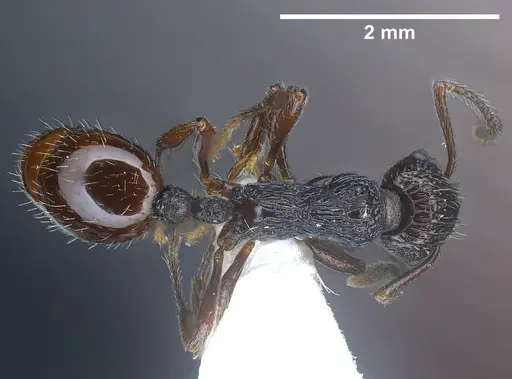
CASENT0884253
View on AntWeb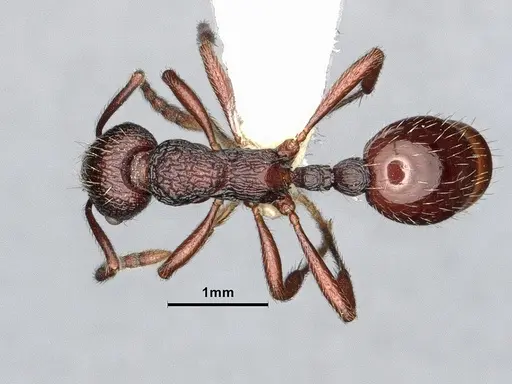
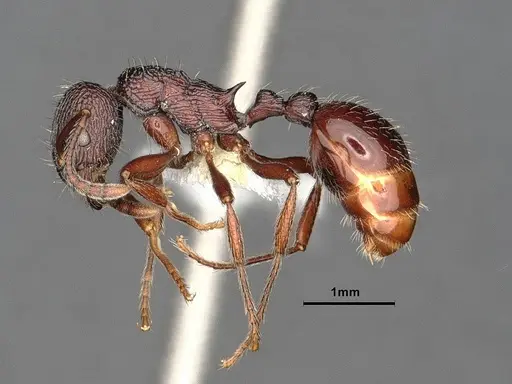
CASENT0900306
View on AntWeb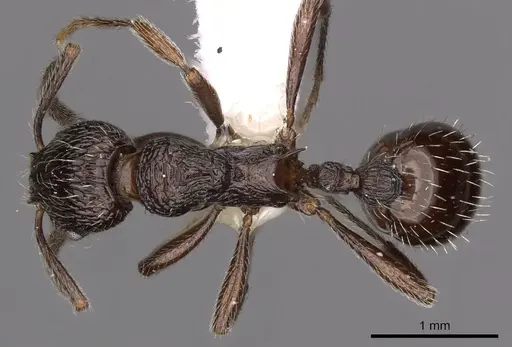
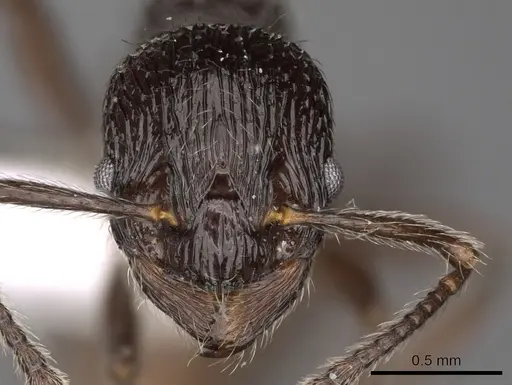
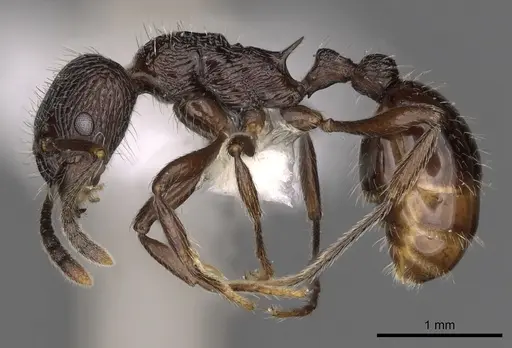
CASENT0915408
View on AntWeb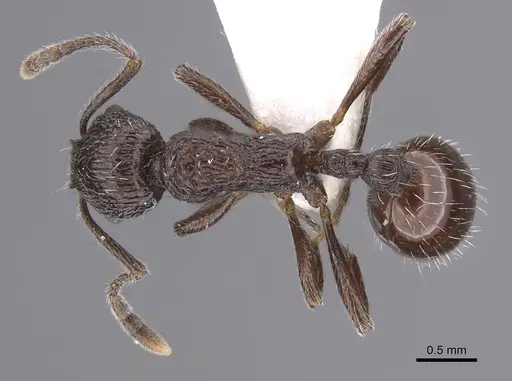
CASENT0916696
View on AntWeb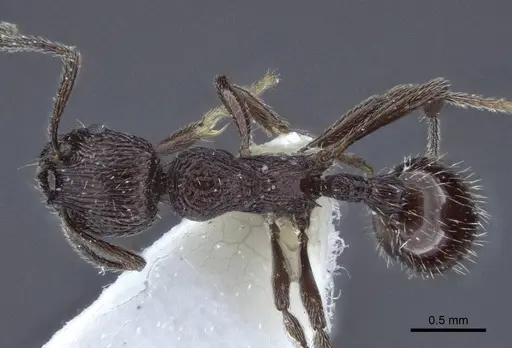
CASENT0917703
View on AntWeb
CASENT0917704
View on AntWeb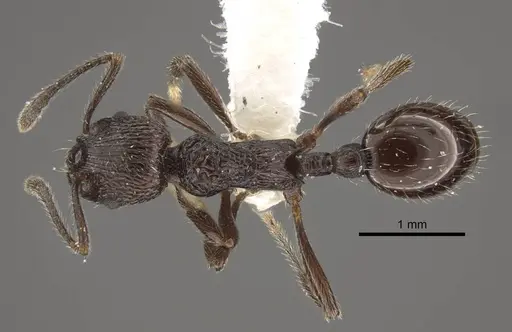
CASENT0917705
View on AntWeb
CASENT0922783
View on AntWeb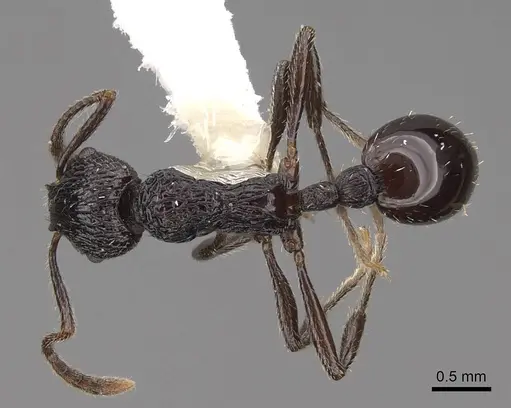
FOCOL1835-1
View on AntWeb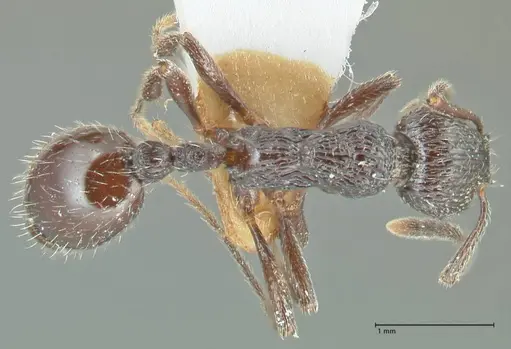
FOCOL1835-2
View on AntWeb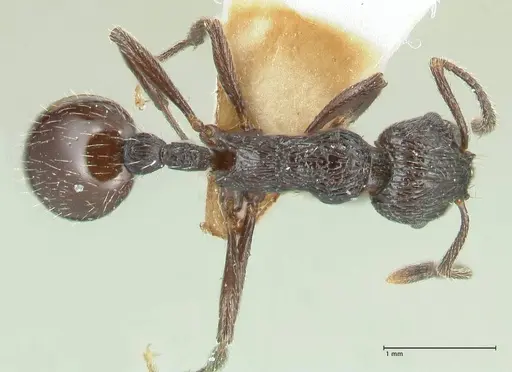
FOCOL1835-3
View on AntWeb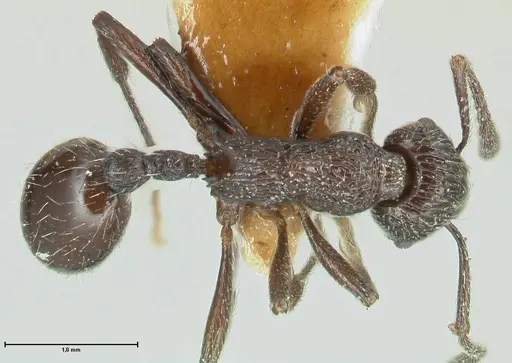
FOCOL1836-1
View on AntWeb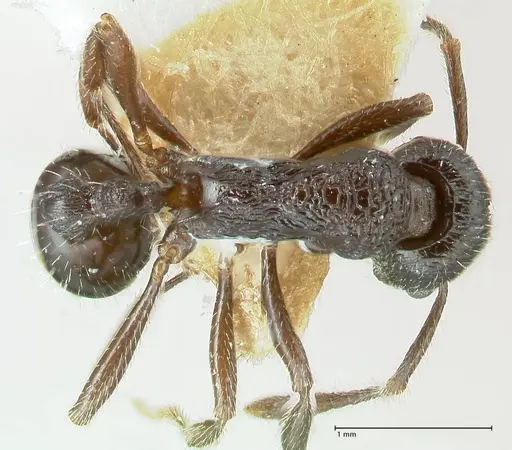
FOCOL1836-2
View on AntWeb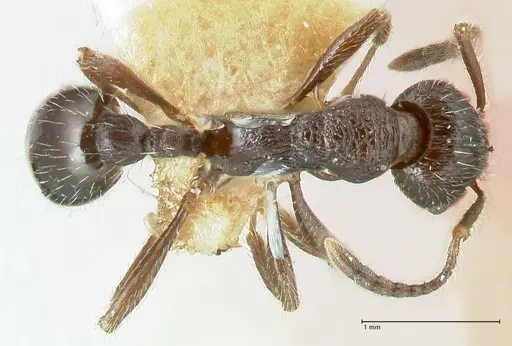
FOCOL1836-3
View on AntWeb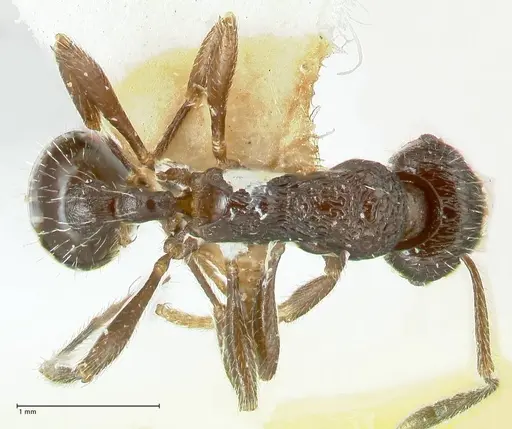
Literature
Loading distribution map...Loading products...