
Myrmelachista plebecula
- Sci. Name
- Myrmelachista plebecula
- Tribe
- Myrmelachistini
- Subfamily
- Formicinae
- Author
- Menozzi, 1927
- Distribution
- Found in 6 countries
Introduction
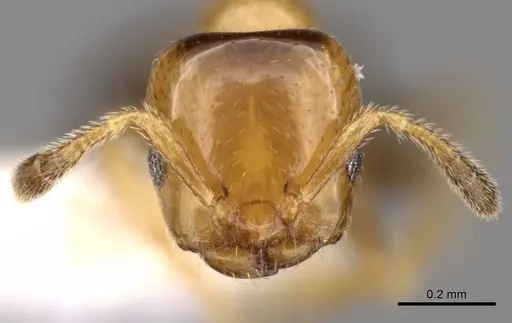
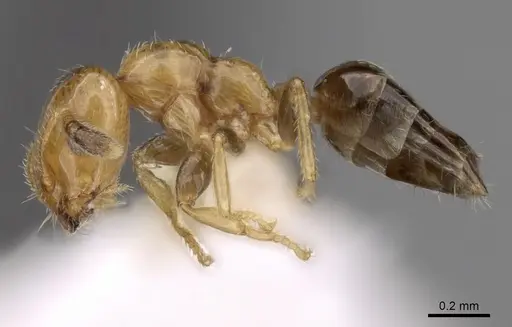
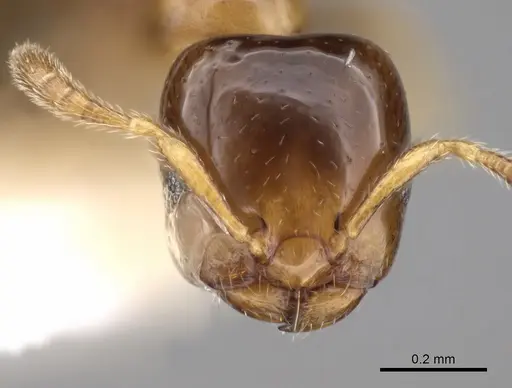
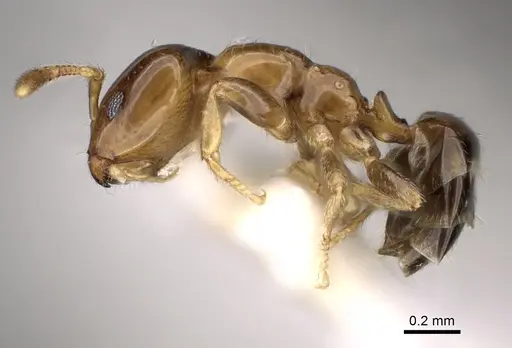
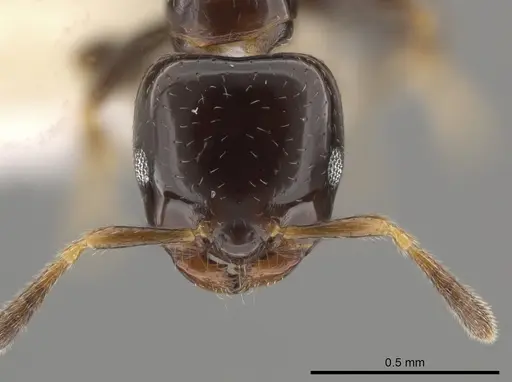
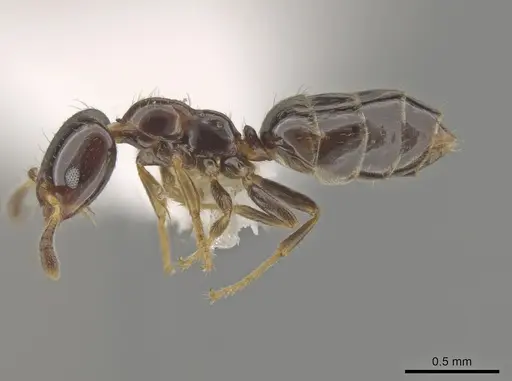
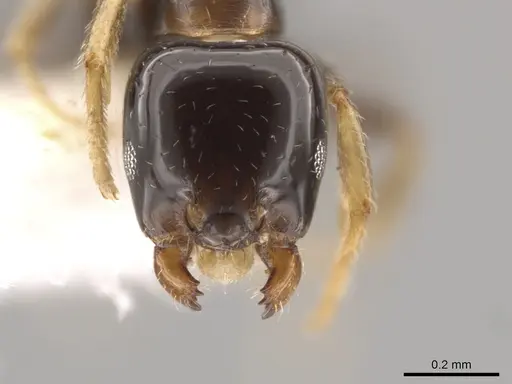
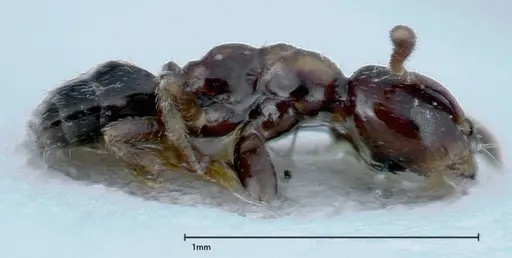
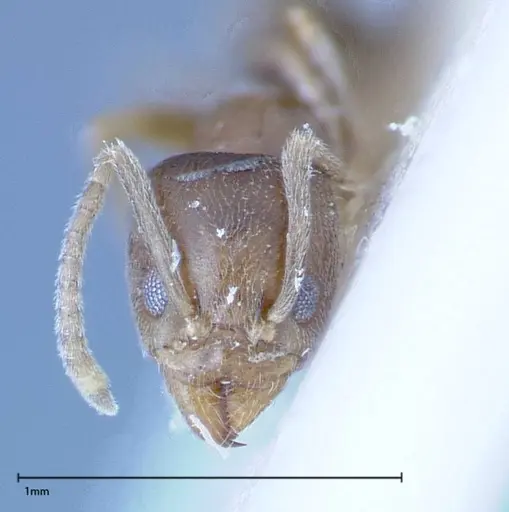
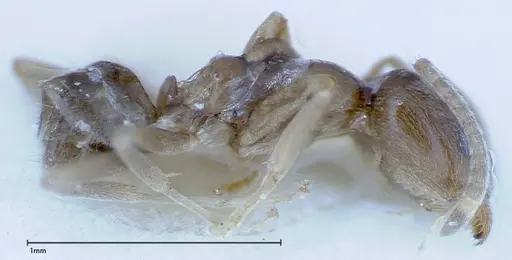
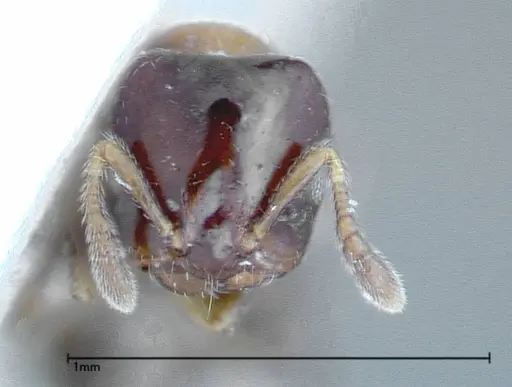
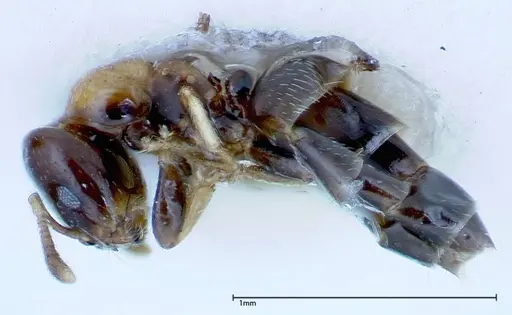
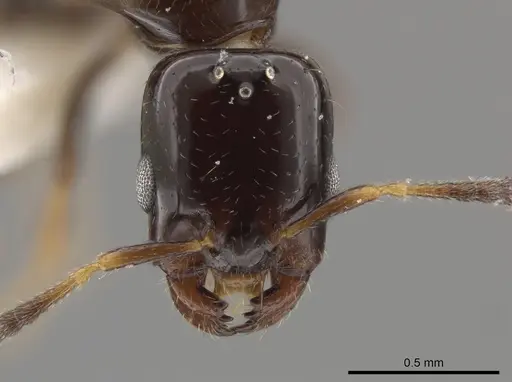
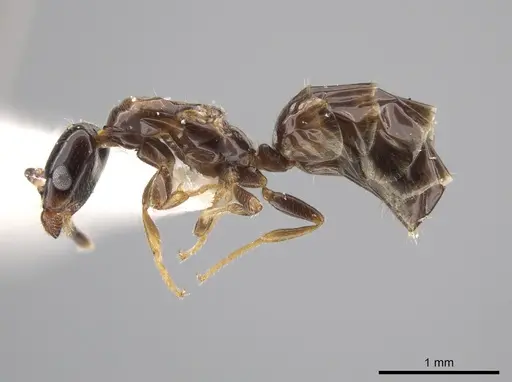
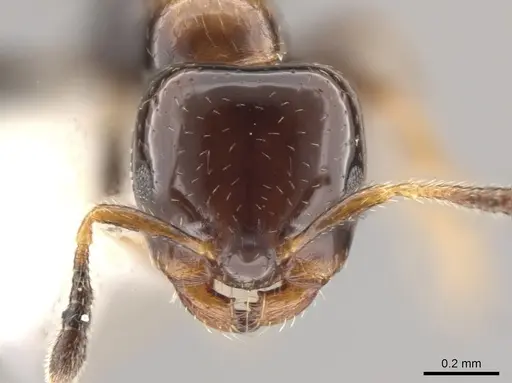
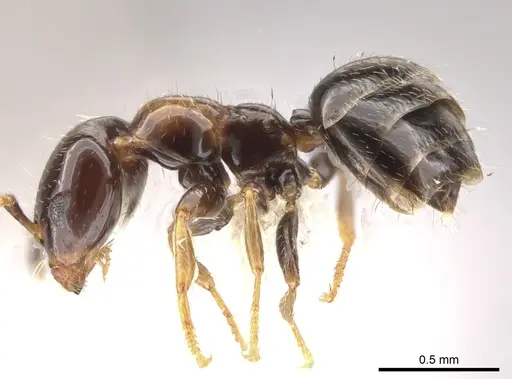
Myrmelachista plebecula is a tiny arboreal ant native to Central America, found throughout Costa Rica from sea level to 1400m elevation, as well as in Ecuador and Guatemala . Workers are extremely small, even among arboreal ants, and are typically bicolored with an orange-red head and mesosoma contrasting with a dark brown gaster, though some populations in montane wet forests appear uniformly dark red-brown . This species nests in narrow galleries within dead or living plant stems, often in highly sunlit areas . Workers forage on exposed stems and trunks in full sun, moving in characteristic files . Unlike ground-nesting ants, they are adapted to live in vertical stem-like chambers, which makes their captive care unique.
Quick Summary
- Difficulty: Medium
- Origin & Habitat: Neotropical region, Costa Rica, Ecuador, and Guatemala. Found from sea level to 1400m elevation in a variety of habitats: moist to wet forest, cloud forest, second growth, and weedy roadside vegetation. Nearly always in highly insolated areas [1][2].
- Colony Type: Polydomous, colonies occupy multiple dead or live stems within a single tree or shrub. Social structure (monogyne vs. polygyne) is not directly documented, but each colony likely has a single queen [1].
- Size & Growth:
- Queen: size data unavailable (only head measurements are known: head length 0.67-0.82mm, but total length not documented) [1]
- Worker: size data unavailable (only head measurements are known: head length 0.43-0.54mm, but total length not documented) [1]
- Colony: Unknown maximum, polydomous colonies can be large, occupying multiple stems [1]
- Growth: Moderate, estimated based on tropical arboreal ant patterns
- Development: Not directly studied, estimates based on related Formicinae are speculative (Development timeline not documented. Patience is required during colony founding.)
- Antkeeping:
- Temperature: Keep at 24-28°C, these are tropical ants from warm forests. A gentle heat gradient allows them to regulate temperature [1].
- Humidity: High humidity, keep the nest substrate consistently damp but not waterlogged. Naturally inhabit moist, live stems [1].
- Diapause: No, as a tropical species, they do not require hibernation. Maintain warm temperatures year-round [1].
- Nesting: Arboreal setup essential. Use narrow tubes (bamboo sections, acrylic tubes) or a Y-tong/plaster formicarium with narrow vertical chambers. Provide multiple connected chambers to accommodate their polydomous nature [1][2].
- Behavior: Calm and non-aggressive. Workers forage on exposed surfaces in full sun, moving in files. They are from the subfamily Formicinae, so they lack a functional sting (use acidopore). Their tiny size means they can squeeze through very small gaps, fine mesh and reliable barriers are essential. In the wild, they are often found with Pseudococcidae (scale insects) in their nests, suggesting they tend honeydew-producing insects [1].
- Common Issues: escape prevention is critical, tiny workers can fit through tiny gaps, use fine mesh on all openings, arboreal setup differs from typical ground-nesting ant keeping, requires vertical, stem-like chambers, polydomous colonies need multiple connected chambers to thrive, tropical species requires consistent warmth year-round, room temperature may drop below tolerance, wild-caught colonies may carry parasites or be stressed from habitat removal
Housing and Nest Setup
Myrmelachista plebecula requires an arboreal-style setup. In the wild, they nest in narrow galleries within dead or living plant stems, narrow gauge, hard, woody stems, not fibrous material [1]. For captivity, use bamboo sections, narrow acrylic tubes, or a Y-tong formicarium with narrow vertical chambers. Provide multiple connected chambers because colonies are polydomous (occupy multiple stems) [1]. Include some horizontal or diagonal tubes to mimic stem galleries. These ants do not need soil or deep substrate, they prefer tight-fitting chambers scaled to their tiny size. Ensure all openings are sealed with fine mesh (0.5mm or smaller) to prevent escape.
Feeding and Diet
Workers forage on exposed stem and trunk surfaces. They are often found with Pseudococcidae (scale insects) in their nest chambers, suggesting they tend honeydew-producing insects [1]. Offer sugar water or honey as a constant energy source. For protein, provide small insects like fruit flies, pinhead crickets, or mealworm pieces. Feed protein 2-3 times per week and keep sugar water available at all times. Remove uneaten prey after 24 hours to prevent mold. Based on their arboreal foraging, they may also accept honeydew if scale insects are offered [1].
Temperature and Humidity
As a tropical species from Costa Rica and surrounding regions, these ants need warm, stable conditions. Keep temperatures in the range of 24-28°C, matching their natural habitat [1]. A heating cable on one side of the nest creates a gentle gradient, allowing the colony to self-regulate. Place the heating element on the top of the nest to avoid evaporating moisture. For humidity, maintain high moisture levels, keep the nest substrate consistently damp but not waterlogged. These ants naturally inhabit moist plant stems in humid forests [1]. Mist occasionally but rely on substrate moisture rather than fixed schedules. Good ventilation helps prevent mold while retaining humidity.
Colony Structure and Growth
Myrmelachista plebecula forms polydomous colonies, meaning they occupy multiple nest sites (both dead and living plant stems) within a single shrub or tree [1]. This is unusual and affects how you house them, provide multiple connected chambers rather than a single large space. Queens are moderately larger than workers (their total length is not documented). Founding behavior is unconfirmed. Alate (winged) queens can be found in nests at any time of year in the wild [1]. Colony growth is moderate, expect several months to a year before a substantial worker population appears. Be patient with founding colonies as they establish slowly. The colony likely has a single queen (monogyne), but this is inferred from typical Formicinae patterns rather than direct evidence.
Behavior and Foraging
Workers are small but active foragers that move in files along exposed stems and trunks in full sun [1]. This is different from many ground-nesting ants that forage randomly. In captivity, they explore the outworld actively, searching for sugar sources and prey. They are not aggressive and do not pose a sting threat, they are from the subfamily Formicinae and use chemical defenses (acidopore) rather than a stinger. However, their tiny size means escape prevention must be excellent. Use fine mesh on any openings and apply Fluon or similar barriers. They are arboreal by nature and climb readily, expect them to explore any vertical surfaces in their enclosure.
Seasonal Care
As a tropical species, Myrmelachista plebecula does not require hibernation or diapause. Maintain warm temperatures year-round without seasonal cooling [1]. The key seasonal consideration is maintaining consistent warmth and humidity during cooler months, room temperature may drop below their tolerance. Monitor temperatures closely and use heating if needed. Alate queens may be produced year-round in established colonies based on wild observations [1]. There is no specific winter care protocol, just maintain their standard warm, humid conditions consistently.
Common Challenges
The biggest challenge with this species is providing appropriate arboreal housing, most antkeepers are used to ground-nesting setups. You need to think vertically and provide narrow, stem-like chambers. Escape prevention is also critical because their tiny size allows them to squeeze through gaps that larger ants cannot fit through. Use fine mesh (0.5mm openings or smaller) and reliable barriers. Wild-caught colonies may arrive stressed or with parasites, so quarantine and monitor new colonies carefully. Finally, their moderate growth rate requires patience, do not overfeed or disturb the colony during founding. Slow and steady wins the race with this species. [1][2]
Frequently Asked Questions
Can I keep Myrmelachista plebecula in a test tube?
Test tubes are not ideal for this species. They are arboreal ants that naturally nest in plant stems with narrow galleries. A test tube setup does not provide the vertical, stem-like chambers they need. Use a naturalistic setup with bamboo sections, narrow acrylic tubes, or a Y-tong formicarium with multiple connected chambers instead [1].
What do Myrmelachista plebecula ants eat?
They are omnivorous like most arboreal ants. Offer sugar water or honey constantly for energy, and provide protein sources like small insects (fruit flies, pinhead crickets, mealworm pieces) 2-3 times weekly. In the wild, they tend scale insects (Pseudococcidae) for honeydew, so they may accept honeydew if you can obtain scale insects [1].
How long until first workers with Myrmelachista plebecula?
The development timeline has not been directly studied for this species. Estimates based on related Formicinae suggest 6-8 weeks at optimal tropical temperatures (25-28°C), but this is speculative. Be patient during founding, the queen will seal herself in and raise the first workers alone [1].
Are Myrmelachista plebecula good for beginners?
This species is rated as Medium difficulty. While not the hardest species, they require an arboreal setup which is different from typical ground-nesting ant keeping. If you are comfortable with vertical housing and can maintain warm, humid conditions, they can be a rewarding species. Beginners might prefer more common species with straightforward care requirements [1].
Do Myrmelachista plebecula need hibernation?
No, they do not require hibernation. As a tropical species from Costa Rica and surrounding regions, they need warm temperatures year-round (24-28°C). There is no winter rest period, maintain consistent tropical conditions throughout the year [1].
How big do Myrmelachista plebecula colonies get?
Exact maximum colony size is unknown, but their polydomous structure (occupying multiple stems) suggests larger colonies are possible. They likely reach several hundred to over a thousand workers in mature colonies. The multiple-stem nesting behavior allows colonies to expand progressively across connected chambers [1].
When should I move Myrmelachista plebecula to a formicarium?
Wait until you have an established colony with at least 15-20 workers and the founding setup is becoming cramped. For this species, the formicarium should have narrow, vertical, stem-like chambers to match their natural nesting preferences. Move them when you see workers exploring beyond the founding tube or when condensation management becomes difficult [1].
Can I keep multiple queens together?
Colony structure details are limited for this species. They are believed to be monogyne (single queen) based on typical Formicinae patterns, and there is no documentation of pleometrosis (multiple queen founding) for this species. Do not combine unrelated foundresses, keep one queen per colony setup [1].
Why are my Myrmelachista plebecula dying?
Common causes include: temperatures below 24°C (they need tropical warmth), humidity too low (they need moist conditions), escape-related losses (tiny workers squeeze through gaps), or stress from disturbance during founding. Check your setup parameters first. Wild-caught colonies may also have parasites that affect captive survival. Ensure consistent warmth, humidity, and escape prevention [1][2].
Report an Issue
The current care sheet is based fully on literature. See inconsistencies, or something that's incorrect? Please , it will be resolved after review from an admin. Contributing to the blogs tab also helps providing information, to make us be able to further improve the caresheets. Thank you for your support!
References

This caresheet is licensed under CC BY-SA 4.0 .
Community Blogs
CASENT0280550
View on AntWeb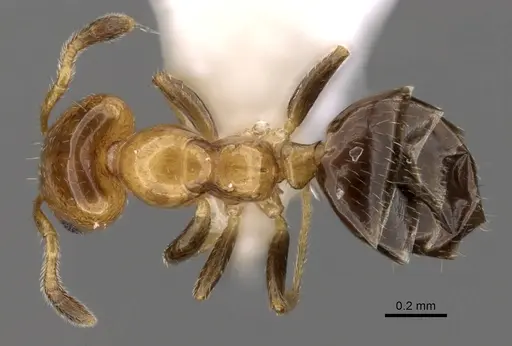
CASENT0280551
View on AntWeb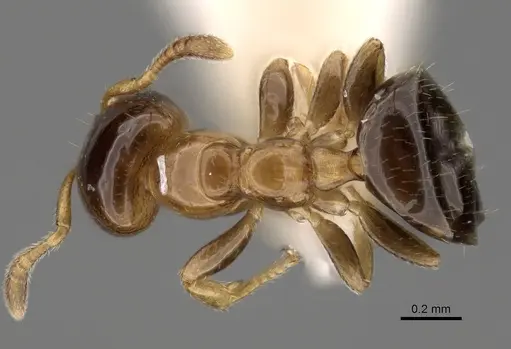
CASENT0627916
View on AntWeb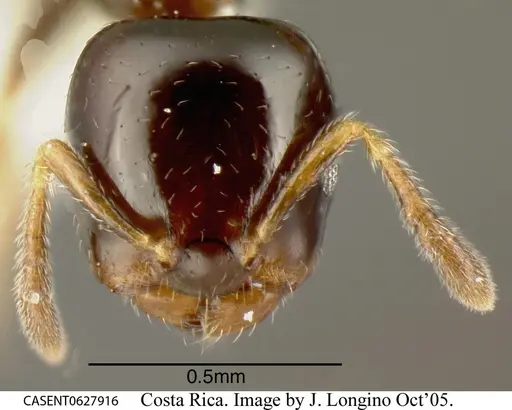
CASENT0637851
View on AntWeb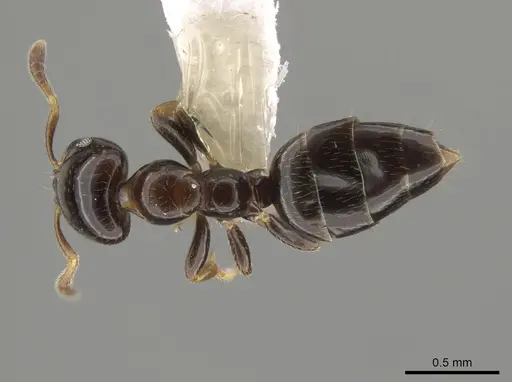
CASENT0650944
View on AntWeb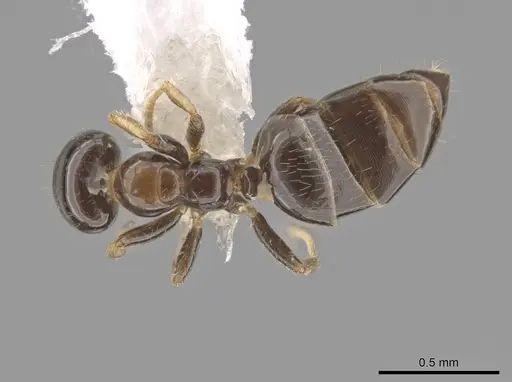
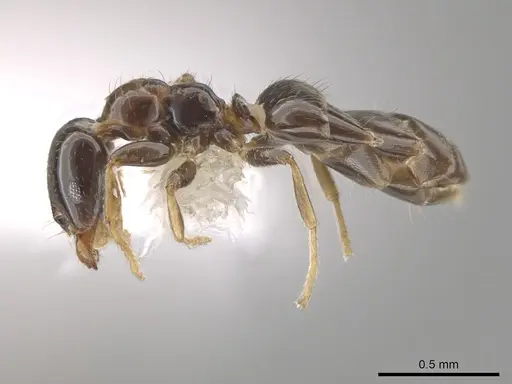
FOCOL0151
View on AntWeb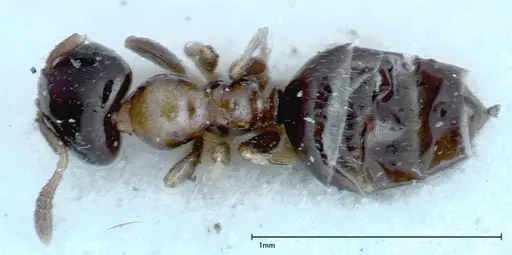
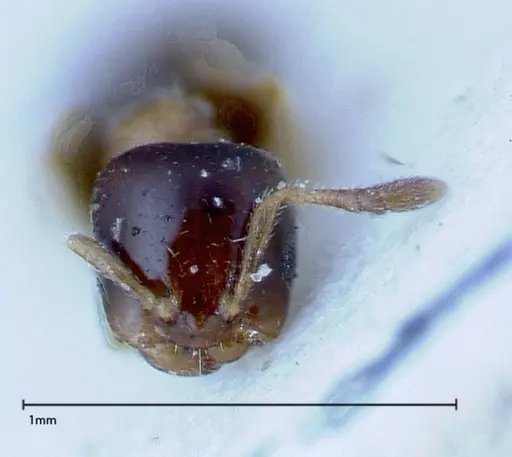
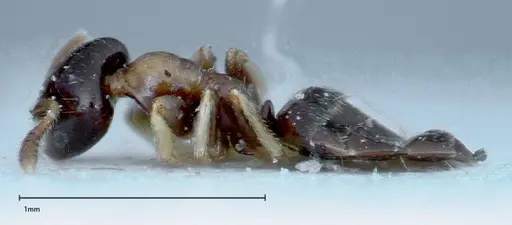
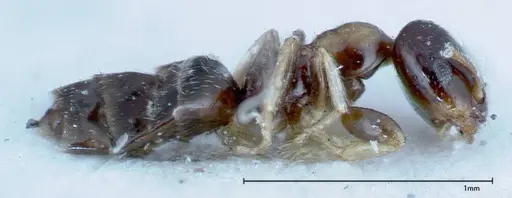
FOCOL0152-1
View on AntWeb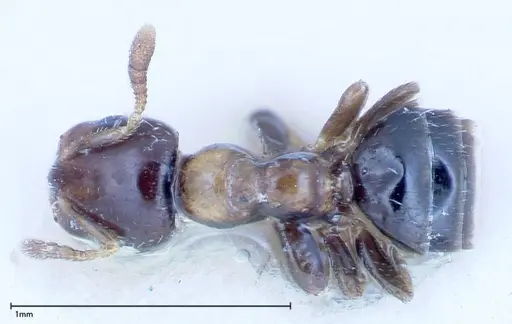
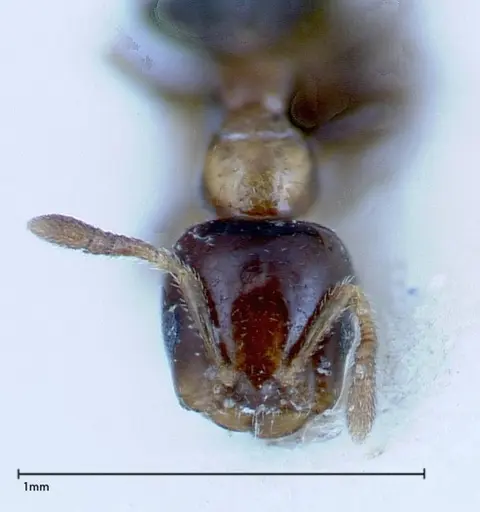
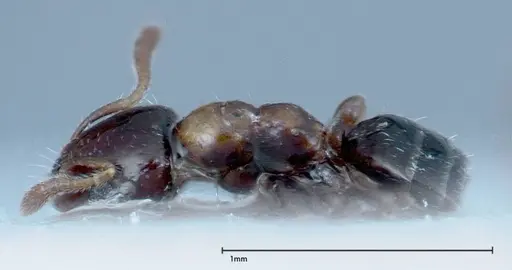
FOCOL0152-2
View on AntWeb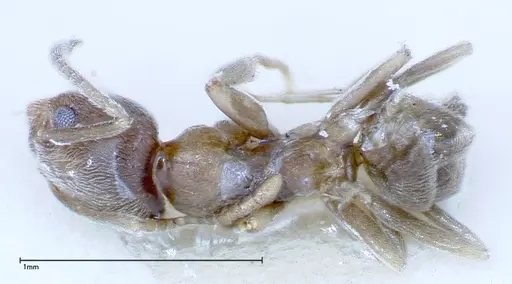
FOCOL0153-1
View on AntWeb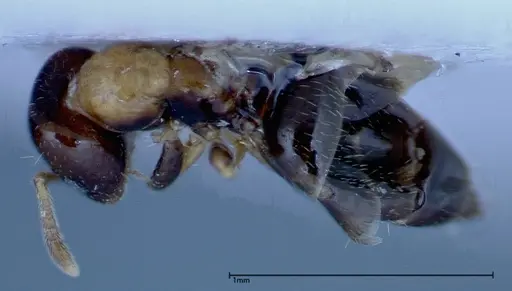
JTLC000002800
View on AntWeb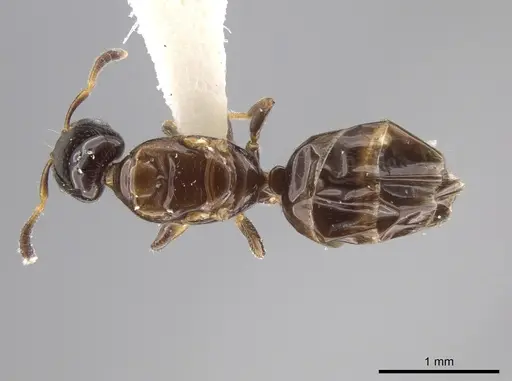
JTLC000005482
View on AntWeb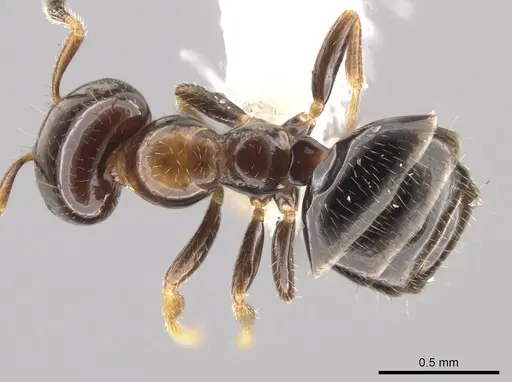
Literature
Loading distribution map...Loading products...