
Myrmelachista arthuri
- Sci. Name
- Myrmelachista arthuri
- Tribe
- Myrmelachistini
- Subfamily
- Formicinae
- Author
- Forel, 1903
- Distribution
- Found in 1 countries
Introduction
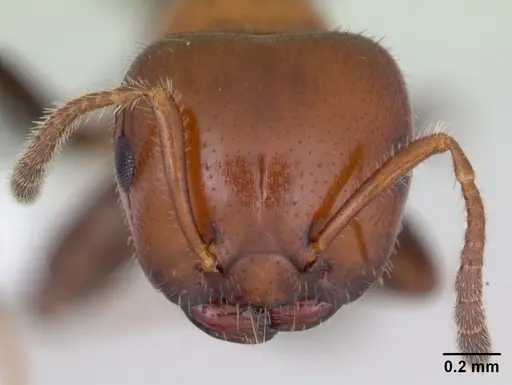
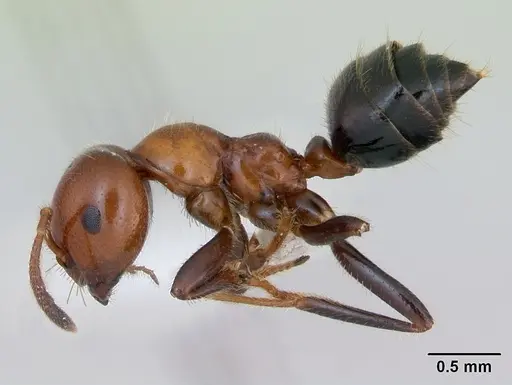
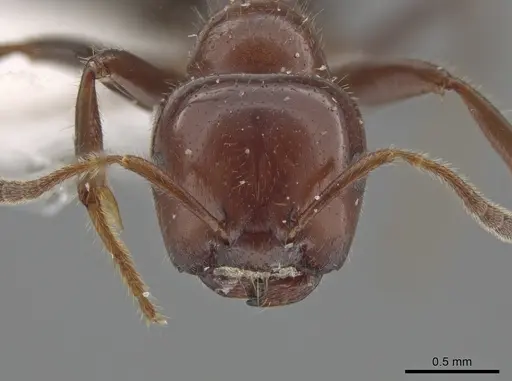
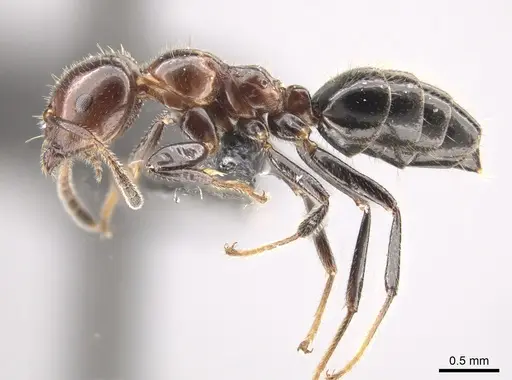
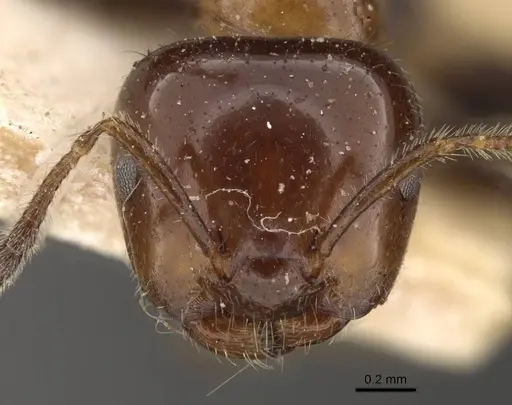
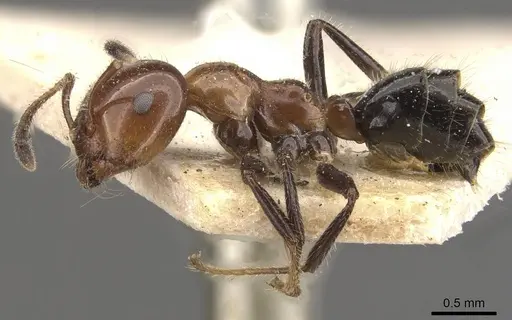
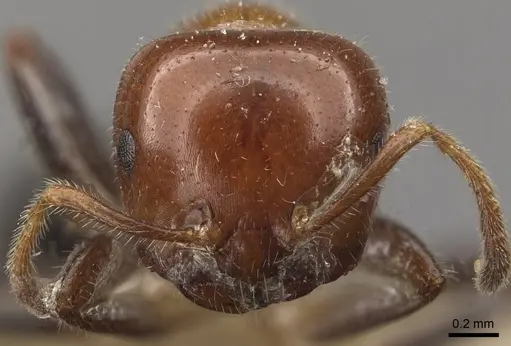
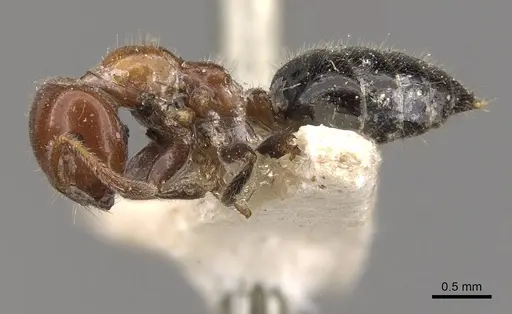
Myrmelachista arthuri is a small arboreal ant native to the Atlantic Forest of southeastern South America, including Brazil, Argentina, and Paraguay . Workers are dark in color and nest exclusively in the stems of standing live or dead trees, never in fallen twigs on the ground . Colonies can grow large, with over 1,000 workers, and create visible foraging trails along tree stems . This species has a unique diet where workers regularly prey on their own colony members, making up nearly half of their food items .
Quick Summary
- Difficulty: Medium
- Origin & Habitat: Atlantic Forest of southeastern Brazil, Argentina, and Paraguay. This species nests in wood or stems of live and dead standing plants, primarily tree trunks and branches [1][2][3].
- Colony Type: Likely single-queen colonies (monogyne) based on genetic data showing a single mitochondrial haplotype across colonies, suggesting interconnected populations [3].
- Size & Growth:
- Queen: Size data unavailable, no total length measurements in research context
- Worker: Size data unavailable, no total length measurements in research context
- Colony: Up to 1,000 workers in mature colonies [4]
- Growth: Moderate
- Development: Unknown, no direct development data available, estimated 6-8 weeks at optimal temperature based on related Formicinae patterns (Development time may vary with temperature and colony conditions)
- Antkeeping:
- Temperature: Keep colonies at 24-28°C. Worker activity increases with higher temperatures, supporting natural foraging behavior [2][3].
- Humidity: Maintain consistently moist substrate but avoid waterlogging. Lab colonies thrived at 70±10% humidity [2].
- Diapause: No, as a tropical species, they do not require hibernation. Maintain consistent warm temperatures year-round.
- Nesting: Arboreal nesting specialist. Provide vertical setups with access to wood, cork, or plant stems. Y-tong nests or wooden formicaria work well. Ensure climbing surfaces and multiple chambers [2][3].
- Behavior: Workers are aggressive and raise their gasters when disturbed as a defensive display [2][5]. They forage actively along tree stems, with activity peaking in the afternoon and during the cold/dry season [3]. Escape prevention is important due to their climbing agility. Intraspecific predation is normal behavior, with workers consuming injured or dead nestmates [3].
- Common Issues: workers dying outside the nest is normal, sick ants leave to protect the colony, colonies need vertical space and climbing surfaces to replicate arboreal lifestyle, foraging trails require adequate space to prevent stress and reduced activity, mold can develop if humidity is too high and ventilation is poor, small colony fragments may struggle without proper heat and humidity gradients
Nest Preferences and Housing
Myrmelachista arthuri is an obligate arboreal nester, colonizing standing live or dead tree stems but never fallen twigs in leaf litter [2][3]. In captivity, provide vertical-oriented housing such as Y-tong nests, wooden formicaria, or cork bark setups. Ensure multiple connected chambers and climbing structures, as colonies can occupy over 50 cm of trunk length in nature [2]. Escape prevention is critical due to their agility.
Feeding and Diet
This species is a generalist carnivore. In the wild,92% of their diet consists of arthropods or remains, with 47% being their own workers [3]. They also prey on springtails, insects, and small beetles [6]. In captivity, offer small insects like fruit flies or pinhead crickets, and sugar water. Intraspecific predation is normal and provides protein.
Temperature and Seasonal Care
Maintain temperatures between 24-28°C for optimal activity [2][3]. Worker foraging increases with temperature, so a heating gradient helps. Humidity should be kept moist but not waterlogged, as lab colonies thrived at 70±10% [2]. No diapause is needed for this tropical species.
Behavior and Colony Dynamics
Workers display aggression by raising their gasters when disturbed [2][5]. They establish clear foraging trails on tree stems, with activity peaking in the afternoon and during colder seasons [3]. Colonies can exceed 1,000 workers and may spread to nearby trees [4][3]. Expect active, visible workers constant on trails.
Reproduction and Nuptial Flights
Winged reproductives have been observed in laboratory colonies, with males appearing in August, September, and November [2]. Nuptial flights occurred in September over two years, with temperatures of 24-29°C [4]. Alate production may align with seasonal transitions in their native habitat.
Frequently Asked Questions
Can I keep Myrmelachista arthuri in a test tube setup?
Test tubes can work for founding, but this species prefers vertical spaces. Transfer to a arboreal setup once the colony has 20+ workers to support foraging trails [2].
How long until first workers appear?
No direct data available, estimated 6-8 weeks at optimal temperature based on related species patterns.
Are Myrmelachista arthuri good for beginners?
This species is better for intermediate keepers due to arboreal needs, humidity requirements, and unusual diet [3].
What do I feed Myrmelachista arthuri?
Offer small insects like fruit flies or springtails, and sugar water. Intraspecific predation is normal [3][6].
How big do colonies get?
Mature colonies can reach up to 1,000 workers [4].
Why do they eat their own workers?
Intraspecific predation is their primary food source, making up 47% of diet, targeting injured or weak workers [3].
When should I move them to a formicarium?
Move once the colony has 30-50 workers and constant activity, providing vertical space [2][3].
Can I keep multiple queens together?
Not recommended, genetic evidence suggests single-queen colonies [3].
Report an Issue
The current care sheet is based fully on literature. See inconsistencies, or something that's incorrect? Please , it will be resolved after review from an admin. Contributing to the blogs tab also helps providing information, to make us be able to further improve the caresheets. Thank you for your support!
References

This caresheet is licensed under CC BY-SA 4.0 .
Community Blogs
CASENT0173484
View on AntWeb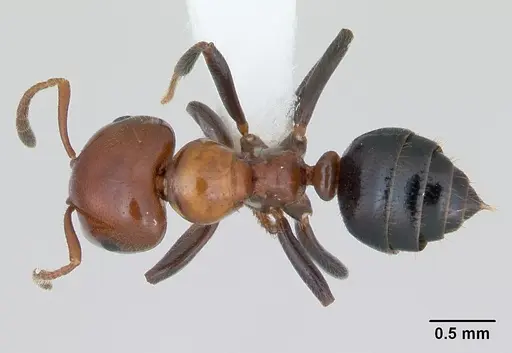
CASENT0647364
View on AntWeb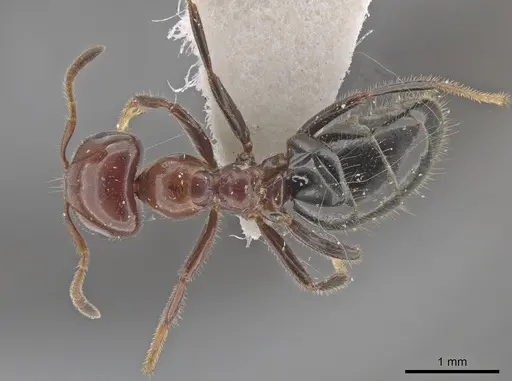
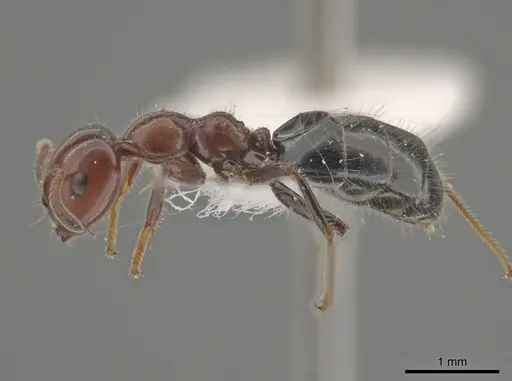
CASENT0654154
View on AntWeb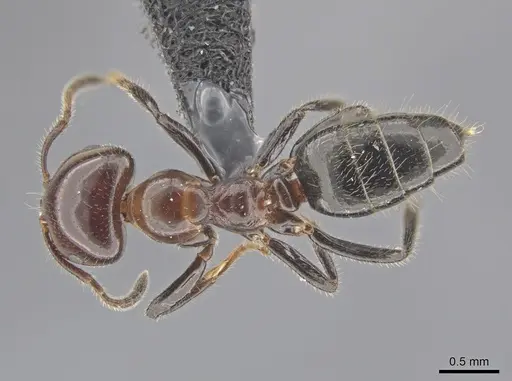
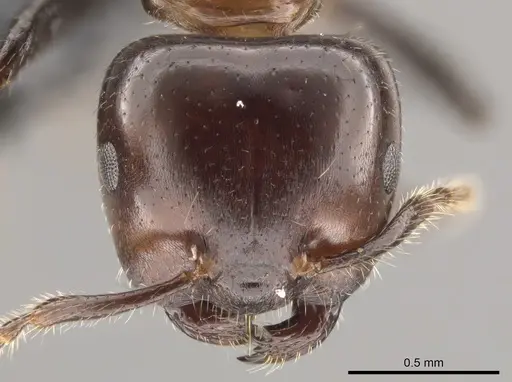
CASENT0909913
View on AntWeb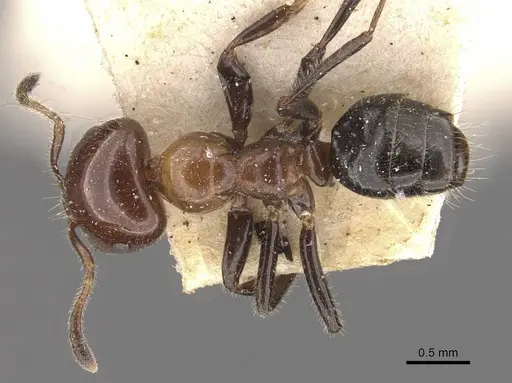
CASENT0909914
View on AntWeb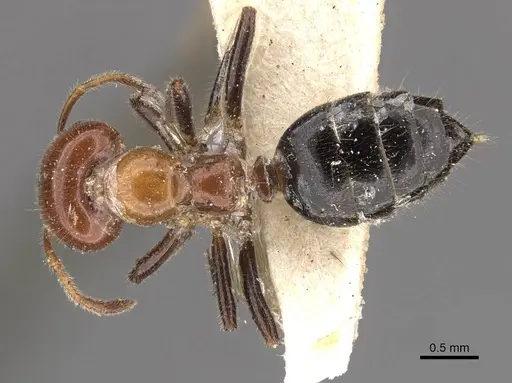
Literature
Loading distribution map...Loading products...