
Myrmecocystus tenuinodis
- Sci. Name
- Myrmecocystus tenuinodis
- Tribe
- Lasiini
- Subfamily
- Formicinae
- Author
- Snelling, 1976
- Distribution
- Found in 1 countries
Introduction
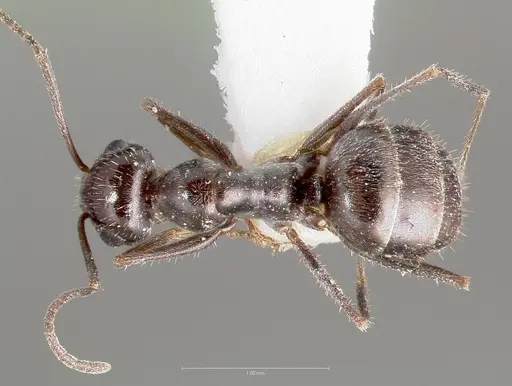
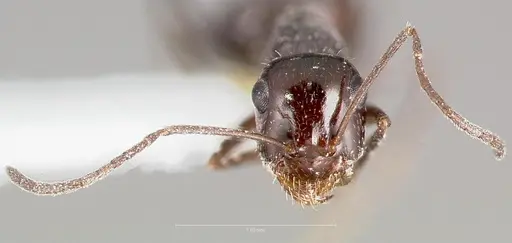
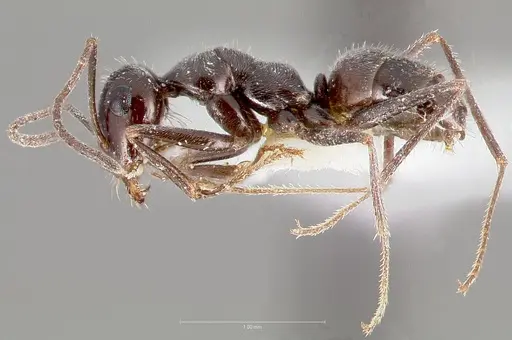
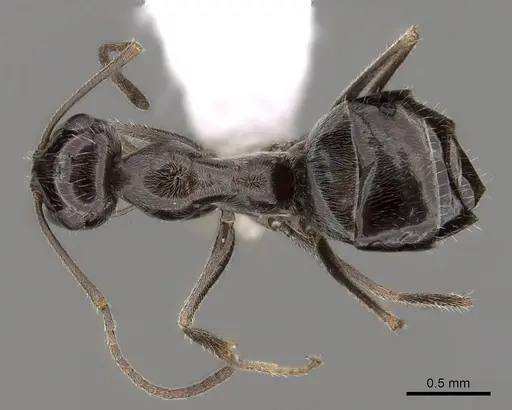
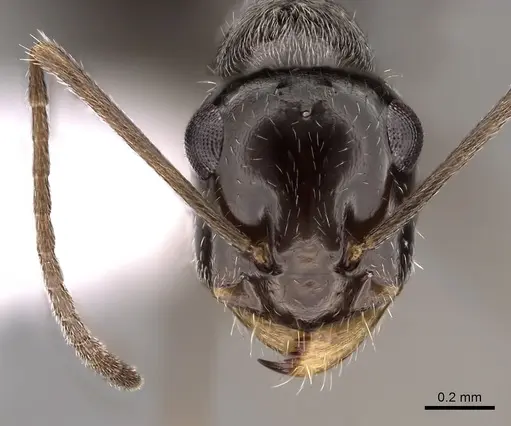
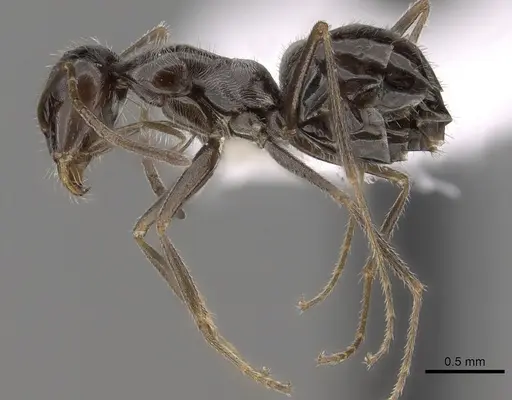
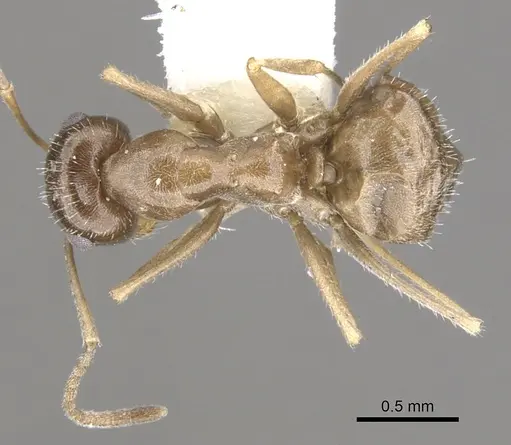
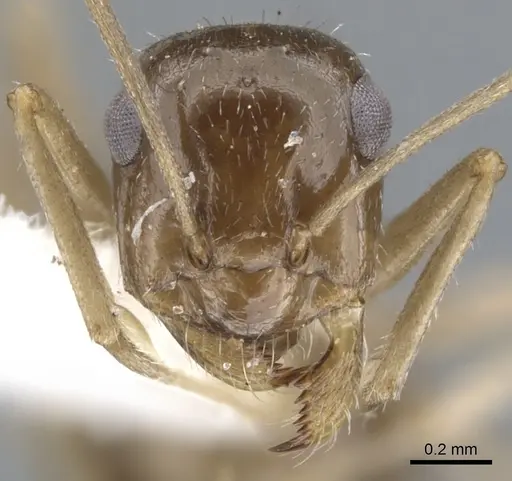
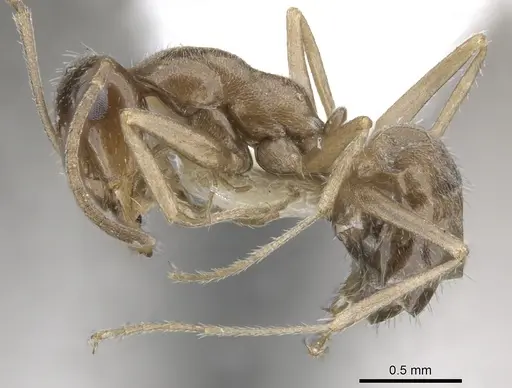
Myrmecocystus tenuinodis is a honey ant native to the hot deserts of the American Southwest and northern Mexico. Workers have a distinctly thin, compressed petiolar scale that gives them their scientific name (tenuinodis = 'thin knot'). They are light to dark brown with paler legs and appendages. This species is a hot climate specialist, living in the Mojave and Colorado Deserts where summer temperatures can exceed 40°C. Colonies are known for their repletes - workers that store nectar in their swollen abdomens to survive harsh desert conditions. They nest in fine sand soils in creosote bush habitat, building low crater mounds up to 20cm in diameter.
Quick Summary
- Difficulty: Medium
- Origin & Habitat: Mojave and Colorado Deserts, from southern Nevada to northern Sonora and likely northern Baja California. Found in creosote bush and creosote bush-bur sage desert habitat at elevations up to 4000 feet [1][2][3].
- Colony Type: Colony type unconfirmed, no specific data on queen number in research context.
- Size & Growth:
- Queen: ~4.5-5mm total length, inferred from Myrmecocystus genus patterns
- Worker: ~3-5mm total length, inferred from Myrmecocystus genus patterns
- Colony: Colony size data unavailable
- Growth: Growth rate data unavailable
- Development: Development timeline unconfirmed (No specific data available)
- Antkeeping:
- Temperature: Warm conditions required, keep nest area at 26-32°C with a thermal gradient. This is a hot desert species that thrives in temperatures that would kill many other ants. Provide a warm side and cooler side so ants can self-regulate [3].
- Humidity: Low to moderate. These are desert ants adapted to dry conditions. Keep nest substrate lightly moist but allow it to dry between waterings. Avoid damp, stagnant conditions that can cause mold.
- Diapause: No, instead they aestivate (summer dormancy) during the hottest months. In captivity, maintain warm temperatures year-round unless mimicking natural seasonal cycles [4].
- Nesting: Fine sand substrate works best, they naturally nest in exposed fine sand soils. A naturalistic setup with a sand chamber or a Y-tong/plaster nest with sand-filled areas works well. Avoid wet, compact substrates [4].
- Behavior: Generally peaceful and non-aggressive. Workers forage primarily during morning and evening hours (matinal and crepuscular), avoiding the hottest midday temperatures. They are nectar feeders and scavengers, with a particular fondness for sweet liquids. Workers will tend aphids for honeydew and collect nectar from flowers. They are not known for stinging and pose no danger to keepers. Escape risk is moderate, use standard barriers but no special escape prevention required beyond standard measures.
- Common Issues: summer aestivation confusion, colonies may appear inactive during summer months when they naturally estivate, leading keepers to think something is wrong, overheating risk, while they are heat-loving, direct heat sources can kill them if temperatures exceed 35°C, mold from overwatering, desert species are prone to mold in too-wet conditions, replete formation, colonies may not produce repletes (storage ants) unless well-established with abundant food
Natural History and Range
Myrmecocystus tenuinodis is found throughout the Mojave and Colorado Deserts, ranging from southern Nevada through Arizona and into the Mexican states of Sonora and Baja California [1][2]. This is one of the hottest, driest regions in North America, and the species has evolved remarkable adaptations to survive these extreme conditions. They inhabit creosote bush and creosote bush-bur sage desert scrub at elevations up to 4000 feet. Nests are characterized by low crater mounds about 20cm in diameter, built in areas of fine, exposed sand [4]. The species name tenuinodis refers to the distinctly thin petiolar node (the 'waist' between the thorax and abdomen), which is a key identification feature.
Seasonal Activity and Aestivation
This species has a fascinating seasonal cycle adapted to desert life. Unlike ants in temperate regions that hibernate in winter, M. tenuinodis aestivates during summer, becoming dormant from mid-May to mid-October when surface temperatures become extreme [4]. During this summer dormancy, nests are closed and the tumuli (mound structures) fall into disrepair. Active foraging occurs primarily during spring and autumn when temperatures are more moderate. Workers are matinal and crepuscular foragers, meaning they search for food in the early morning and evening hours, avoiding the hottest part of the day. In captivity, you may notice reduced activity during what would be their natural summer rest period, this is normal behavior, not a sign of illness.
Feeding and Diet
Myrmecocystus tenuinodis is primarily a nectar feeder, with workers collecting nectar from flowers of plants like Coldenia and Malacothrix that grow in their desert habitat [4]. They also scavenge and are known to hunt small insects, researchers have observed workers carrying immature cicadellids (leafhoppers) back to the nest, and arthropod fragments are commonly found in nest debris. In captivity, offer sugar water or honey water as a constant food source, along with small insects like fruit flies or small mealworms. They will readily accept sweet liquids and are not picky about protein sources. Like other honey ants, they may produce repletes, specialized workers that store nectar in their distended abdomens to feed the colony during lean times.
Temperature and Heating Requirements
As a hot desert species, M. tenuinodis requires warm temperatures that would be unsuitable for most other ant species. Keep the nest area at 26-32°C, with a thermal gradient allowing workers to move between warmer and cooler areas. A heating cable or mat placed on one side of the nest works well, just be careful not to overheat the entire setup. Temperatures above 35°C can be lethal, so always provide a cool zone. The warm temperatures are essential for brood development and colony activity. In cooler conditions, colonies become sluggish and brood development slows dramatically. These ants are well-adapted to desert heat but need the ability to escape from direct heat sources [3].
Nesting and Setup
In the wild, M. tenuinodis nests in fine, exposed sand soils, building characteristic low crater mounds [4]. For captive colonies, use a naturalistic setup with fine sand as the primary substrate, or a Y-tong/plaster nest with sand-filled chambers. The substrate should drain well and not stay waterlogged. Test tube setups can work for founding colonies but may need to be modified with sand fill for established colonies. Avoid compact, clay-like substrates, these desert ants need loose, sandy soil that mimics their natural nesting medium. Provide a water tube but don't overdo humidity, these are desert ants adapted to dry conditions.
Colony Structure and Development
Colony type and founding behavior are unconfirmed for this species. No specific data on queen number or founding method exists in the available research context. Like other Myrmecocystus species, colonies may produce repletes, specialized storage workers with distended abdomens filled with nectar, once established and well-fed. These repletes serve as living food reserves for the colony. [4]
Frequently Asked Questions
How long does it take for Myrmecocystus tenuinodis to produce first workers?
Development timeline is unconfirmed, no specific data available from research.
Do Myrmecocystus tenuinodis need hibernation?
No, this species aestivates (becomes dormant) during summer, not winter. In captivity, maintain warm temperatures year-round. Some keepers slightly reduce temperatures in winter but this is not required.
What do I feed Myrmecocystus tenuinodis?
Offer sugar water or honey water constantly, plus small insects like fruit flies or small mealworms 2-3 times per week. They are primarily nectar feeders and will readily accept sweet liquids.
Are Myrmecocystus tenuinodis good for beginners?
They are rated as medium difficulty. They require warm temperatures and careful watering (not too wet), but are generally peaceful and not aggressive. The main challenge is providing proper desert conditions.
When should I move my colony to a formicarium?
Move from test tube to a naturalistic or Y-tong setup once the colony reaches 30-50 workers. Ensure the new setup has fine sand substrate and maintain warm, dry conditions.
Why is my colony inactive during summer?
This is normal, M. tenuinodis aestivates (becomes dormant) during summer months, just like in the wild. Reduced activity from May to October is natural behavior, not a sign of illness.
How big do Myrmecocystus tenuinodis colonies get?
Colony size data is unavailable in the research context. Well-established colonies may produce repletes, specialized workers that store nectar in their swollen abdomens.
Can I keep multiple queens together?
Colony type is unconfirmed. Combining unrelated queens is not recommended as they would likely fight.
What temperature range is best for Myrmecocystus tenuinodis?
Keep nest area at 26-32°C with a thermal gradient. Provide a cooler area so ants can escape if it gets too warm. Never exceed 35°C.
Report an Issue
The current care sheet is based fully on literature. See inconsistencies, or something that's incorrect? Please , it will be resolved after review from an admin. Contributing to the blogs tab also helps providing information, to make us be able to further improve the caresheets. Thank you for your support!
References

This caresheet is licensed under CC BY-SA 4.0 .
Community Blogs
Literature
Loading distribution map...Loading products...