Myrmecia nigrocincta exhibits a clear seasonal flight window. Peak flight activity is concentrated in September, with the overall period spanning August to October.
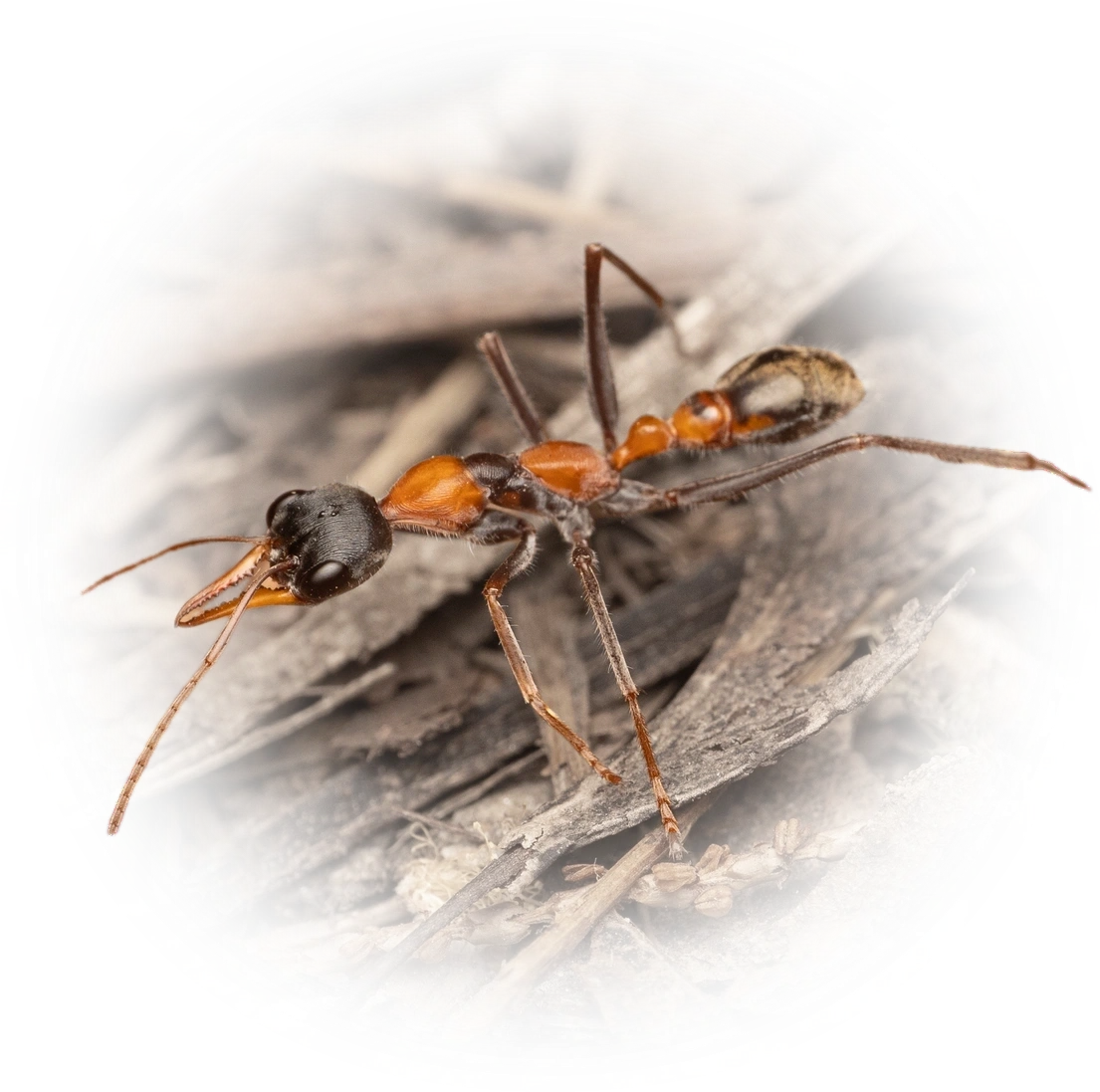
Jumping Jack Ant
Myrmecia nigrocincta
- Sci. Name
- Myrmecia nigrocincta
- Tribe
- Myrmeciini
- Subfamily
- Myrmeciinae
- Author
- Smith, 1858
- Common Name
- Jumping Jack Ant
- Distribution
- Found in 1 countries
- Nuptial Flight
- From August to October
- Peak flight Time
- 13:00
AI Identifiable
try →
Introduction
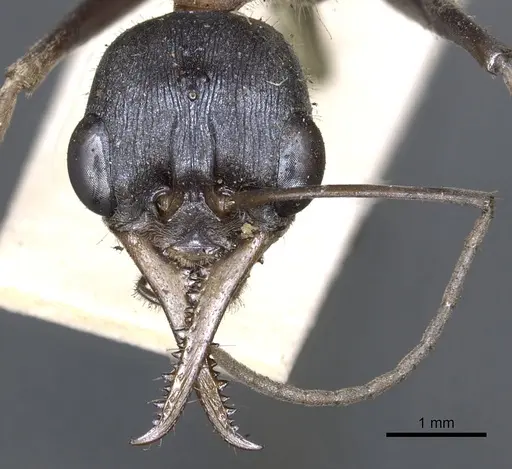
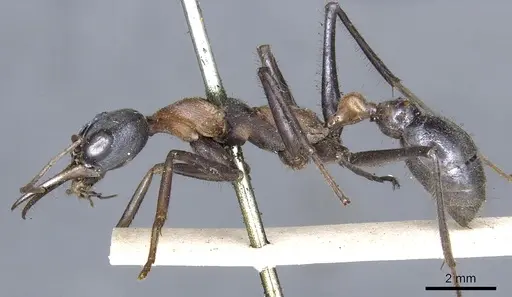
Myrmecia nigrocincta is a large bulldog ant native to eastern Australia, ranging from northern coastal New South Wales through to southeast Queensland. Workers measure 10-15 mm and are easily recognized by their bright red body segment(s) on an otherwise dark body - this is the key distinguishing feature from the related jack jumper ant (Myrmecia pilosula) . They belong to the nigrocincta species group, which contains three closely related species . Queens are brachypterous, meaning they have short non-functional wings and mate close to their natal colony, limiting dispersal distance . Colonies can grow quite large, with over 1000 workers documented in established nests . These ants are excellent visual hunters with outstanding eyesight. They are diurnal foragers, actively searching for nectar, plant saps, and arthropods on the ground and low vegetation . Like other Myrmecia species, they can deliver a very painful sting that causes long-lasting skin reactions, and their venom can trigger anaphylaxis in sensitive individuals - this makes them a species to respect rather than handle casually . They can also jump using their powerful middle and hind legs, using them synchronously for escape or prey capture .
Quick Summary
- Difficulty: Hard
- Origin & Habitat: Eastern Australia (coastal NSW to southeast Queensland), open forest habitats, ground-nesting species [9][10][1]
- Colony Type: Single-queen colonies (monogyne). One documented colony excavation revealed 1 queen,570 workers,75 cocoons plus brood [5]. Queens are brachypterous with short non-functional wings, mating occurs near the natal colony [5].
- Size & Growth:
- Queen: ~16-25 mm (inferred from Myrmecia genus, no direct data available).
- Worker: 10-15 mm [1]
- Colony: Up to 1000+ workers documented [6]
- Growth: Moderate
- Development: Approximately 8-12 weeks (inferred from typical Myrmecia development patterns). (Development time is temperature-dependent, warmer conditions accelerate growth. First workers may be smaller than mature workers.)
- Antkeeping:
- Temperature: Keep at typical room temperature (20-25°C) and provide a gradient so ants can choose their preferred zone. Avoid extremes. No precise temperature data available for this species.
- Humidity: Moderate, keep the nest substrate lightly moist but not waterlogged. These are open forest species, so avoid constant saturation.
- Diapause: Beneficial but not strictly required. As a subtropical species, a winter cool period of 2-3 months at 15-18°C can help maintain colony health and trigger natural cycles. Reduce feeding during this period.
- Nesting: Ground-nesting species that digs chambers and tunnels in soil [7]. In captivity, provide deep soil substrate (at least 5-10 cm) in naturalistic setups, or use Y-tong (aerated concrete) or plaster nests. Avoid acrylic nests.
- Behavior: These are diurnal, highly active ants with excellent vision. They are aggressive defenders and will readily sting if threatened, their sting is very painful and can cause anaphylaxis in sensitive individuals [7][2]. Workers forage individually, hunting small arthropods and collecting nectar. They can jump using synchronized middle and hind legs, with take-off acceleration of 21.43 m/s² and velocity of 0.44 m/s [8]. They are not escape artists in the sense of tiny ants squeezing through gaps, but their size and activity mean secure containment is still essential.
- Common Issues: Sting risk is significant, these ants will aggressively defend and their sting causes intense pain, people with insect venom allergies should avoid this species., Colony aggression means feeding and maintenance require care, use long forceps and work around the nest rather than inside it., Winter dormancy is recommended for long-term colony health, skipping diapause can weaken colonies over time, though it is not strictly required., Large colony size means they need spacious setups as they grow, a small formicarium will quickly become inadequate., Queens have limited dispersal (brachypterous) so nuptial flights happen near the natal colony, this affects how colonies establish in the wild and means queens are rarely encountered far from existing nests.
Nuptial Flight Activity Analysis 166 observations
Flight Activity by Hour 166 observations
Myrmecia nigrocincta nuptial flight activity peaks around 13:00 during the late morning to early afternoon. Activity is spread across a 11-hour window (07:00–17:00). A secondary activity peak occurs around 11:00. Times may be influenced by human observation patterns.
Housing and Nest Setup
Myrmecia nigrocincta is a ground-nesting species that needs space to accommodate growing colonies [7]. For founding colonies, a test tube setup works well for the queen alone, but once workers emerge, you'll need to transition to a more spacious formicarium. Naturalistic setups with deep soil substrate (at least 5-10 cm) work excellently, these ants like to dig chambers and tunnels. Y-tong (aerated concrete) or plaster nests are also suitable. The foraging area should be well-lit (they are visual hunters) and spacious enough for workers to patrol. Because these ants can sting and are aggressive defenders, position the nest where you can observe without disturbing them frequently. Escape prevention is straightforward since they are large ants, standard barrier tape or fluon on smooth surfaces is sufficient.
Feeding and Diet
In the wild, workers forage for nectar, plant saps, and arthropods [7]. In captivity, offer a varied diet: sugar water or honey as an energy source, and protein-rich foods like small insects (fruit flies, crickets, mealworms) for the brood. They are active hunters with good vision, so live prey triggers natural foraging behavior. Feed protein 2-3 times per week, and keep sugar water available at all times. Remove uneaten prey after 24 hours to prevent mold. Unlike some ants, they are not seed collectors, focus on insect prey and sugar sources. Young colonies will need smaller prey items, as the colony grows, larger insects can be offered.
Temperature and Seasonal Care
Maintain temperatures between 20-25°C during the active season. A temperature gradient is ideal, allow the ants to move between warmer and cooler areas of the nest. During winter (roughly June-August in the Southern Hemisphere), a cool rest period of 2-3 months at 15-18°C can be beneficial for colony health, though it is not strictly required for subtropical populations. Reduce feeding during this period and keep the nest drier but not bone-dry. Resume normal feeding and warming gradually over 1-2 weeks. Avoid sudden temperature changes. [7]
Defense and Sting Management
This is one of the most important aspects of keeping Myrmecia nigrocincta, they can and will sting. Their sting is very painful, causing long-lasting skin reactions, and the venom can trigger anaphylaxis in sensitive individuals [7][2]. The venom is actually quite different from jack jumper ant venom, so standard jack jumper ant allergy treatments may not work for M. nigrocincta allergies [2]. When working with the colony, use long forceps for feeding and maintenance, avoid sudden movements, and never put your hand near the nest. If you are stung, monitor for allergic reactions and seek medical attention if breathing difficulties or swelling occur. Keep epinephrine auto-injectors on hand if you have known insect venom allergies. These ants are not suitable for handling or for keepers who want hands-on interaction with their ants.
Colony Growth and Development
Colonies start with a single queen whose founding behavior is not fully documented. Queens are brachypterous, so they likely mate near their natal nest and disperse on foot [5]. A documented colony excavation showed one queen supporting 570 workers plus 75 cocoons, larvae, and eggs [5], and Gray (1974) recorded colonies with over 1000 workers [6]. Growth is moderate, expect several months before the first workers, then steady growth through the first year. Larger colonies become increasingly impressive foragers and defenders.
Frequently Asked Questions
Can I keep Myrmecia nigrocincta as a pet?
Yes, but with important caveats. This species is suitable only for experienced antkeepers who understand sting risks. They require careful handling, proper housing, and respect for their defensive capabilities. They are not suitable for beginners or for anyone with insect venom allergies.
How long does it take for the first workers to emerge?
Based on typical Myrmecia development, expect about 8-12 weeks from egg to first worker at temperatures around 20-25°C. The queen will remain sealed in her chamber until the first workers emerge, living on stored reserves.
What do Myrmecia nigrocincta eat?
They are omnivorous hunters. Offer sugar water or honey for energy, and small insects (fruit flies, crickets, mealworms) for protein. They are active visual hunters and will chase down prey. Remove uneaten prey after 24 hours.
Do they need hibernation or diapause?
A winter cool period is beneficial but not strictly required. Reduce temperature to 15-18°C for 2-3 months during the cooler months (June-August in Australia). This helps maintain colony health and triggers natural reproductive cycles. Reduce feeding during this time.
How big do colonies get?
Colonies can reach over 1000 workers [6]. A documented colony excavation showed 570 workers plus extensive brood, so expect large, impressive colonies given time and proper care.
When should I move them to a formicarium?
Move from test tube to a larger setup once the colony has around 20-30 workers or when the test tube becomes cramped. Myrmecia ants need space to dig and forage, a naturalistic setup with soil or a Y-tong/plaster nest works well.
Are they good for beginners?
No. This species is not recommended for beginners due to their sting risk, aggressive defense behavior, and specific care requirements. They are better suited for experienced antkeepers who can safely manage defensive ants.
Can I keep multiple queens together?
No. Myrmecia nigrocincta is monogyne, colonies have a single queen. Multiple unrelated queens would fight. Only keep one queen per colony.
What's the difference between Myrmecia nigrocincta and jack jumper ants?
Myrmecia nigrocincta is a separate species in the nigrocincta species group. The key distinguishing feature is bright red body segment(s) on M. nigrocincta [2]. Their venom is also very different from jack jumper ant (Myrmecia pilosula) venom [2]. They are similar in size and behavior.
When is the nuptial flight of Myrmecia nigrocincta?
The nuptial flight of Myrmecia nigrocincta typically occurs From August to October.
What time of day does Myrmecia nigrocincta fly?
The nuptial flight of Myrmecia nigrocincta peaks around 13:00 during the late morning to early afternoon, with most activity between 07:00 and 17:00. Times may be influenced by human observation patterns.
Report an Issue
The current care sheet is based fully on literature. See inconsistencies, or something that's incorrect? Please , it will be resolved after review from an admin. Contributing to the blogs tab also helps providing information, to make us be able to further improve the caresheets. Thank you for your support!
References

This caresheet is licensed under CC BY-SA 4.0 .
Community Blogs
ANTWEB1041845
View on AntWeb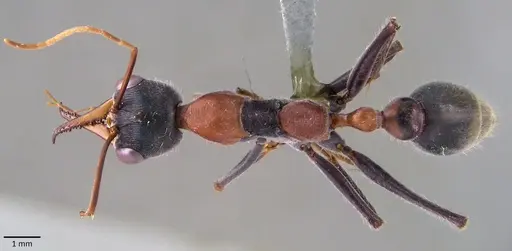
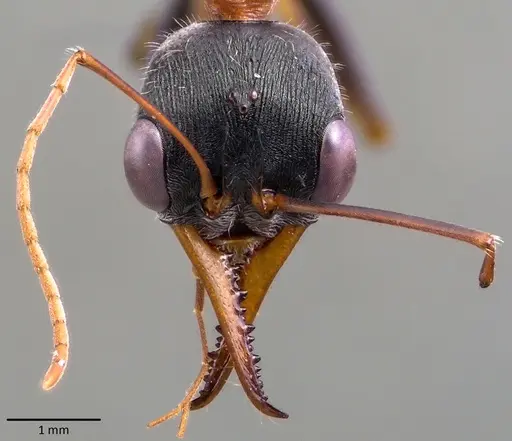
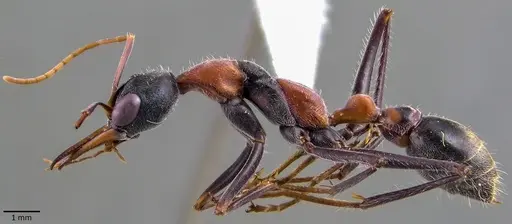
CASENT0902805
View on AntWeb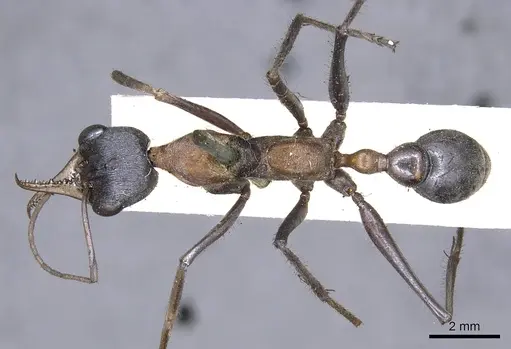
Literature
Loading distribution map...Loading products...