Myrmecia nigriceps shows a March to August flight window. Peak activity occurs in March, with nuptial flights distributed across 3 months.
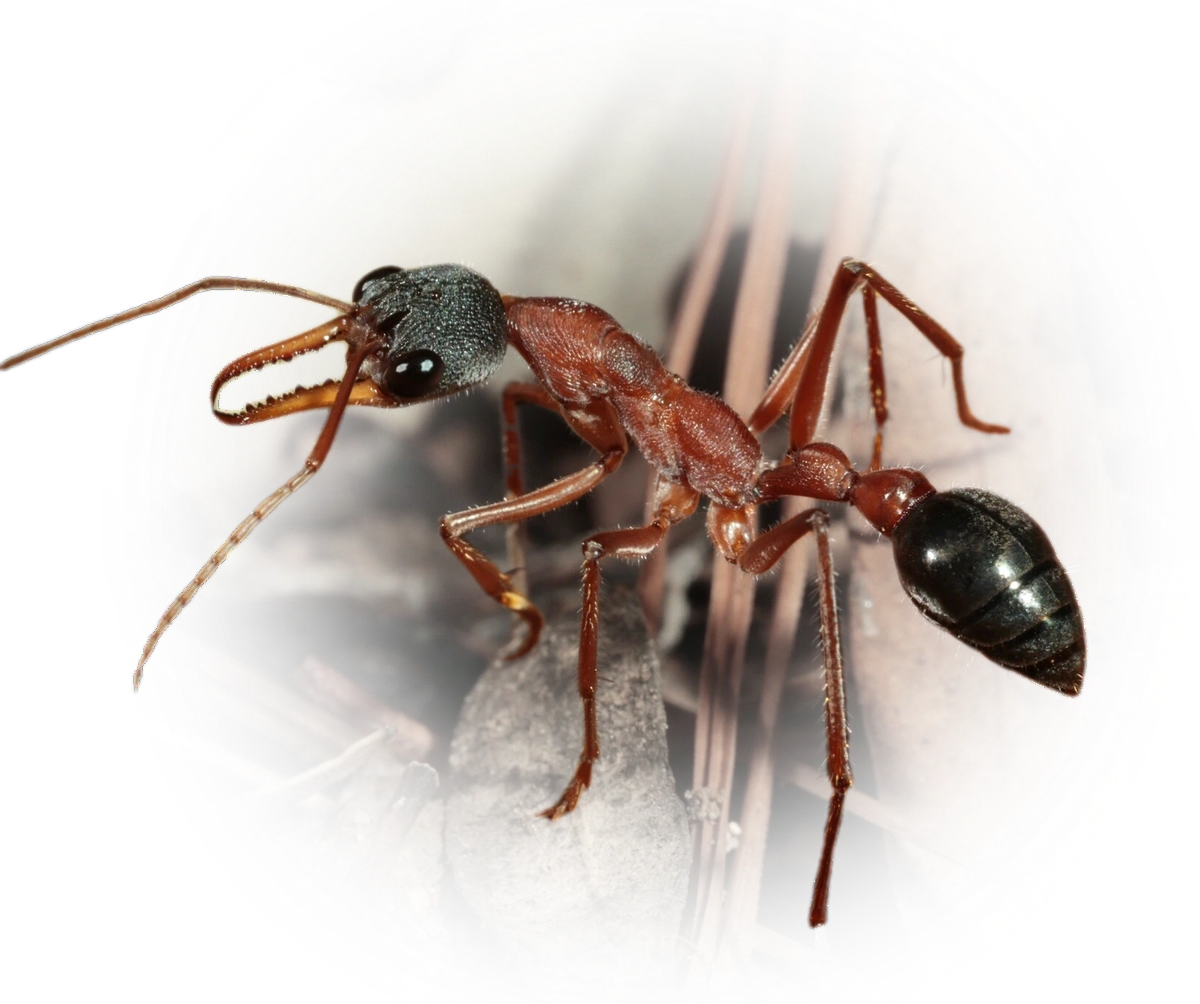
Black-headed Bull Ant
Myrmecia nigriceps
- Sci. Name
- Myrmecia nigriceps
- Tribe
- Myrmeciini
- Subfamily
- Myrmeciinae
- Author
- Mayr, 1862
- Common Name
- Black-headed Bull Ant
- Distribution
- Found in 1 countries
- Nuptial Flight
- From March to August
- Peak flight Time
- 18:00
AI Identifiable
try →
Introduction
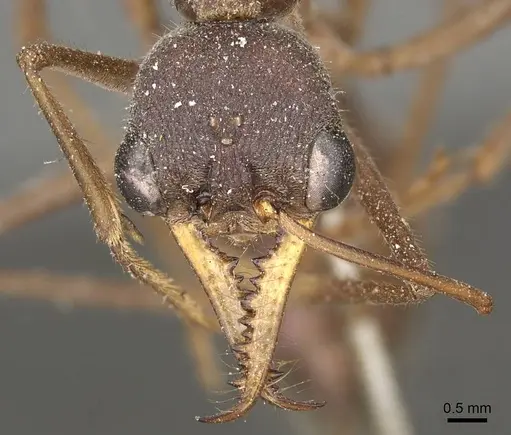
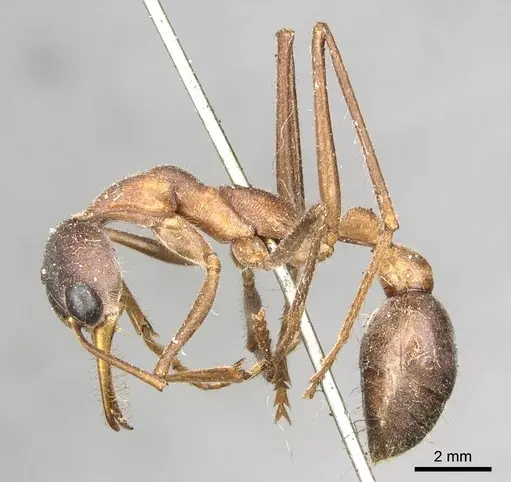
Myrmecia nigriceps is a large to very large ant species native to Australia, measuring approximately 27mm for workers . They belong to the Myrmecia gulosa species group and are characterized by their reddish to dark brown body with a distinctive black abdomen (gaster) . These ants are visual predators with excellent eyesight adapted for crepuscular and nocturnal foraging . They construct underground nests in open woodland habitats, creating characteristic gravel mounds . This species is notable for its aggressive temperament and powerful sting, which can cause severe allergic reactions in humans . They are also a known host species for the social parasite Myrmecia inquilina .
Quick Summary
- Difficulty: Medium
- Origin & Habitat: Native to Australia, widely distributed in the southern half of the continent including NSW/ACT, SA, Victoria, and WA. Found in open woodland habitats characterized by Acacia and Eucalyptus tree species [7].
- Colony Type: Facultatively polygynous, colonies can have single or multiple queens (average 1.10 ± 0.32 queens per colony, range 1-2). Both monogynous and oligogynous colonies exist in the wild. Polyandrous (multiple fathers per colony, average 2.20 ± 0.63) [4].
- Size & Growth:
- Queen: Larger than workers, alate females are significantly larger than workers and males [8]. Size data unavailable, inferred from genus patterns (~25-30mm+).
- Worker: Approximately 27mm total length [1].
- Colony: A few hundred workers [4].
- Growth: Moderate, based on typical Myrmecia development patterns.
- Development: Development time is unconfirmed for this species. Based on typical Myrmecia patterns, expect several months from egg to first worker. (Queens have documented lifespan up to 7.2 years [9]. Development time is temperature-dependent.)
- Antkeeping:
- Temperature: Keep at moderate room temperature. As an Australian species from temperate regions, they prefer moderate temperatures. Avoid temperatures above 30°C.
- Humidity: These ants nest underground. Provide a water tube for humidity but avoid overly damp nesting areas.
- Diapause: Based on geographic range (temperate southern Australia), likely requires a winter rest period. Reduce temperature for 2-3 months during winter.
- Nesting: Underground nesters requiring depth. Use a naturalistic setup with soil or a digging formicarium. They construct earth nests with characteristic gravel mounds in the wild [4]. Test tubes work for founding but transfer to a larger setup with soil substrate as colony grows.
- Behavior: Extremely aggressive towards other ant species and intruders [4]. Workers are crepuscular-nocturnal, foraging starting about one hour before sunset with peak activity during twilight hours [1]. They are solitary foragers and visual predators [10]. Despite aggression toward other species, they show general absence of aggression toward conspecific nest-intruders from different colonies [4]. They have excellent vision adapted for low-light conditions, with large compound eyes containing around 3210 facets [3]. Escape prevention is important due to their large size and strength, secure lids are essential. Their sting is potent and can cause anaphylaxis in susceptible individuals [5].
- Common Issues: sting hazard, these ants have powerful stings that can cause severe allergic reactions or anaphylaxis in humans [5]. Handle with extreme caution., aggressive temperament makes them difficult to handle and requires secure housing., colonies can be slow to establish, patience is needed during the founding phase., queen loss during founding is common, queens may fail if disturbed., winter dormancy requirements are often misunderstood by beginners, improper diapause can weaken or kill colonies.
Nuptial Flight Activity Analysis 82 observations
Flight Activity by Hour 82 observations
Myrmecia nigriceps nuptial flight activity peaks around 18:00 during the evening. Activity is spread across a 14-hour window (08:00–21:00). Times may be influenced by human observation patterns.
Housing and Nesting
Myrmecia nigriceps are underground nesters that require space to dig and create their colony chambers. In captivity, a naturalistic setup with a deep soil layer works best, these ants construct earth nests with characteristic gravel mounds in the wild [4]. A digging formicarium or a tank filled with 5-10cm of soil allows them to create natural tunnel systems. For founding colonies, a test tube setup can work initially, but transfer to a larger soil-based setup once the colony reaches 10-15 workers. Provide a water tube for humidity but ensure ventilation prevents mold. The nest should be kept in darkness or dim conditions since these ants are crepuscular-nocturnal and sensitive to bright light [3]. Place the nest in a quiet area with minimal disturbance.
Feeding and Diet
Myrmecia nigriceps are visual predators that hunt small prey in the wild [2]. They are solitary foragers that actively search for insects and other small arthropods [10]. In captivity, offer live insects such as crickets, mealworms, and other small invertebrates appropriate to their size. They have powerful mandibles and can tackle prey much larger than many other ant species. Occasional sugar water or honey can be offered as an energy source, though protein-rich prey should form the bulk of their diet. Feed every 2-3 days for established colonies, removing uneaten prey after 24 hours. Young colonies may need more frequent feeding with smaller prey items.
Temperature and Seasonal Care
Keep Myrmecia nigriceps at moderate room temperature during the active season. These ants are crepuscular-nocturnal, meaning they are most active during twilight hours and at night [3]. They have specialized eye adaptations for low-light conditions, including large facet lenses and wide photoreceptors [3]. During winter, provide a diapause period by reducing temperatures for 2-3 months. This mimics their natural seasonal cycle in Australia's temperate regions. Do not feed during diapause but ensure water is available. Gradually warm the colony in spring to resume normal activity. Avoid temperatures above 30°C as this can stress and potentially kill the colony.
Behavior and Handling
Myrmecia nigriceps is one of the more aggressive ant species kept in captivity. Workers are extremely aggressive toward hetero-specific intruders [4] and will readily attack threats. They have excellent vision and will respond to movement outside their enclosure. The most significant concern is their powerful sting, these ants can cause severe allergic reactions and anaphylaxis in susceptible individuals [5]. All sera in one study were positive to M. nigriceps venom among others, confirming its potency [5]. When working with this species, always use protective equipment and never handle them with bare hands. Despite their aggression toward other species, studies show general absence of aggression toward conspecific ants from different colonies [4], though some instances of avoidance have been observed.
Colony Structure and Reproduction
Myrmecia nigriceps shows flexible colony structure with both monogynous (single queen) and oligogynous (2-5 queens) colonies documented in the wild. The average is 1.10 queens per colony with a range of 1-2 [4]. They are also polyandrous, meaning colonies have multiple fathers, averaging 2.20 males per colony [4]. Sexual forms (alates) fly from the vicinity of the nest and mating occurs on hilltops [8]. This is one of two known host species for the social parasite Myrmecia inquilina [6]. Colonies are monodomous (single nest site) rather than polydomous (multiple connected nests) [4]. The species shows facultative polygyny, meaning you may keep either single-queen or small multi-queen colonies.
Visual Adaptations and Foraging
One of the most fascinating aspects of Myrmecia nigriceps is their specialized visual system adapted for low-light conditions. Workers are crepuscular-nocturnal, meaning they forage during twilight and night [3]. Their compound eyes contain approximately 3210 facets with large lens diameters and extremely wide photoreceptors [3]. This gives them exceptional optical sensitivity for gathering light in dim conditions. Outbound foraging begins about one hour before sunset, with incoming traffic peaking during twilight and around sunrise the next morning [1]. A few foragers return throughout the night. This schedule means you may not see much activity during typical daytime hours, observe them in the evening or early morning to see their foraging behavior.
Frequently Asked Questions
How long does it take for Myrmecia nigriceps to produce first workers?
Development time is unconfirmed for this species. Based on typical Myrmecia patterns, expect several months from egg to first worker. Be patient during founding as queens rely on stored reserves.
Can I keep multiple Myrmecia nigriceps queens together?
Yes, this species is facultatively polygynous, both single-queen (monogynous) and multi-queen (oligogynous, typically 1-2 queens) colonies exist naturally [4]. However, introducing unrelated queens in captivity can be risky. If combining colonies, do so carefully and monitor for aggression.
What do Myrmecia nigriceps eat?
They are visual predators that hunt live insects. Feed them appropriately sized live prey such as crickets, mealworms, and other small invertebrates. They can tackle surprisingly large prey due to their powerful mandibles. Occasional sugar water or honey can be offered for energy, but protein should form the main diet.
Are Myrmecia nigriceps good for beginners?
No, this species is not recommended for beginners. They are aggressive, have a dangerous sting that can cause anaphylaxis, and require specific care including winter diapause. Their large size and strength also require secure housing. Only experienced antkeepers should attempt this species.
Do Myrmecia nigriceps need hibernation?
Yes, based on geographic range (temperate southern Australia), they likely require a winter diapause period. Reduce temperatures for 2-3 months during winter. Do not feed during this period but ensure water is available. Gradually warm the colony in spring to resume activity.
When should I move Myrmecia nigriceps to a formicarium?
Move them from a test tube to a larger setup once the colony reaches 10-15 workers. A naturalistic setup with deep soil (5-10cm) works best since they are underground nesters that construct earth nests. A digging formicarium allows them to create natural tunnel systems.
How big do Myrmecia nigriceps colonies get?
Colonies reach a few hundred workers in the wild [4]. This is moderate compared to some other Myrmecia species. The average colony has 1-2 queens and shows facultative polygyny and polyandry.
Why is my Myrmecia nigriceps colony not active during the day?
This is normal behavior, Myrmecia nigriceps is crepuscular-nocturnal, meaning they are most active during twilight and night [3]. Their specialized eye adaptations are designed for low-light conditions. You will see most activity in the evening hours and around sunrise.
When is the nuptial flight of Myrmecia nigriceps?
The nuptial flight of Myrmecia nigriceps typically occurs From March to August.
What time of day does Myrmecia nigriceps fly?
The nuptial flight of Myrmecia nigriceps peaks around 18:00 during the evening, with most activity between 08:00 and 21:00. Times may be influenced by human observation patterns.
Report an Issue
The current care sheet is based fully on literature. See inconsistencies, or something that's incorrect? Please , it will be resolved after review from an admin. Contributing to the blogs tab also helps providing information, to make us be able to further improve the caresheets. Thank you for your support!
References

This caresheet is licensed under CC BY-SA 4.0 .
Community Blogs
CASENT0217498
View on AntWeb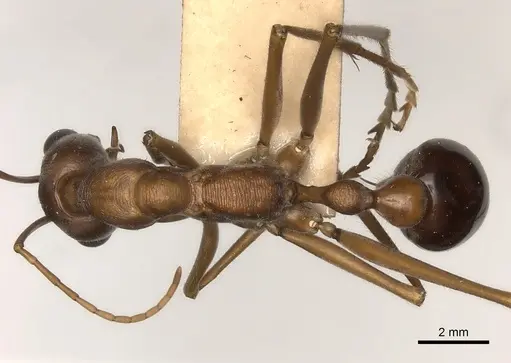
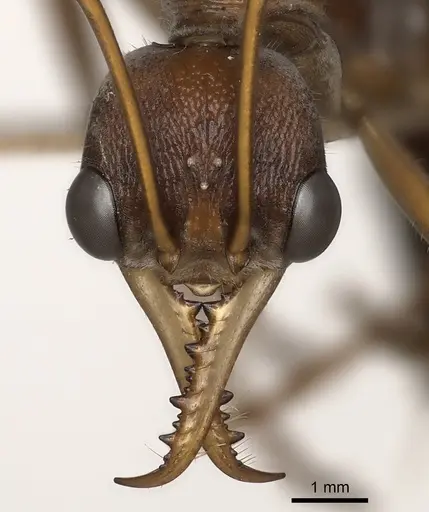
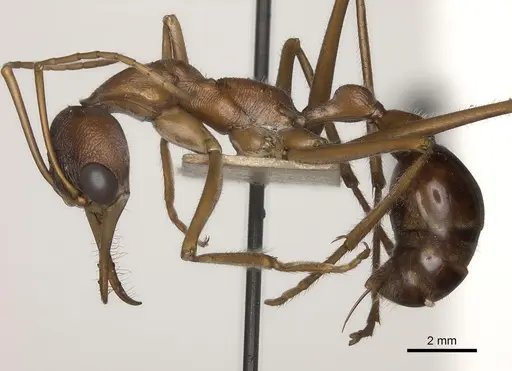
CASENT0915833
View on AntWeb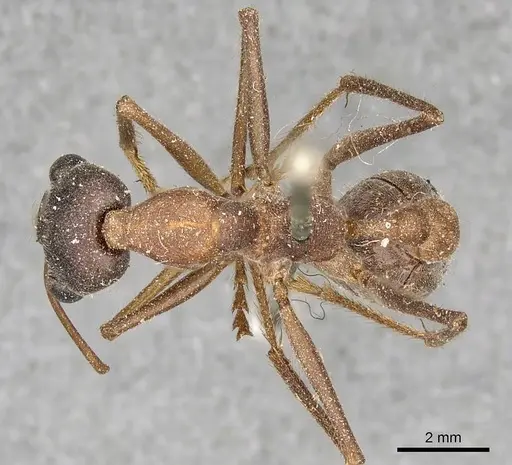
Literature
Loading distribution map...Loading products...