Myrmecia forficata exhibits a clear seasonal activity window. Peak activity is concentrated in March, with the overall period spanning March to April. The concentrated timeframe makes peak months critical for sightings.
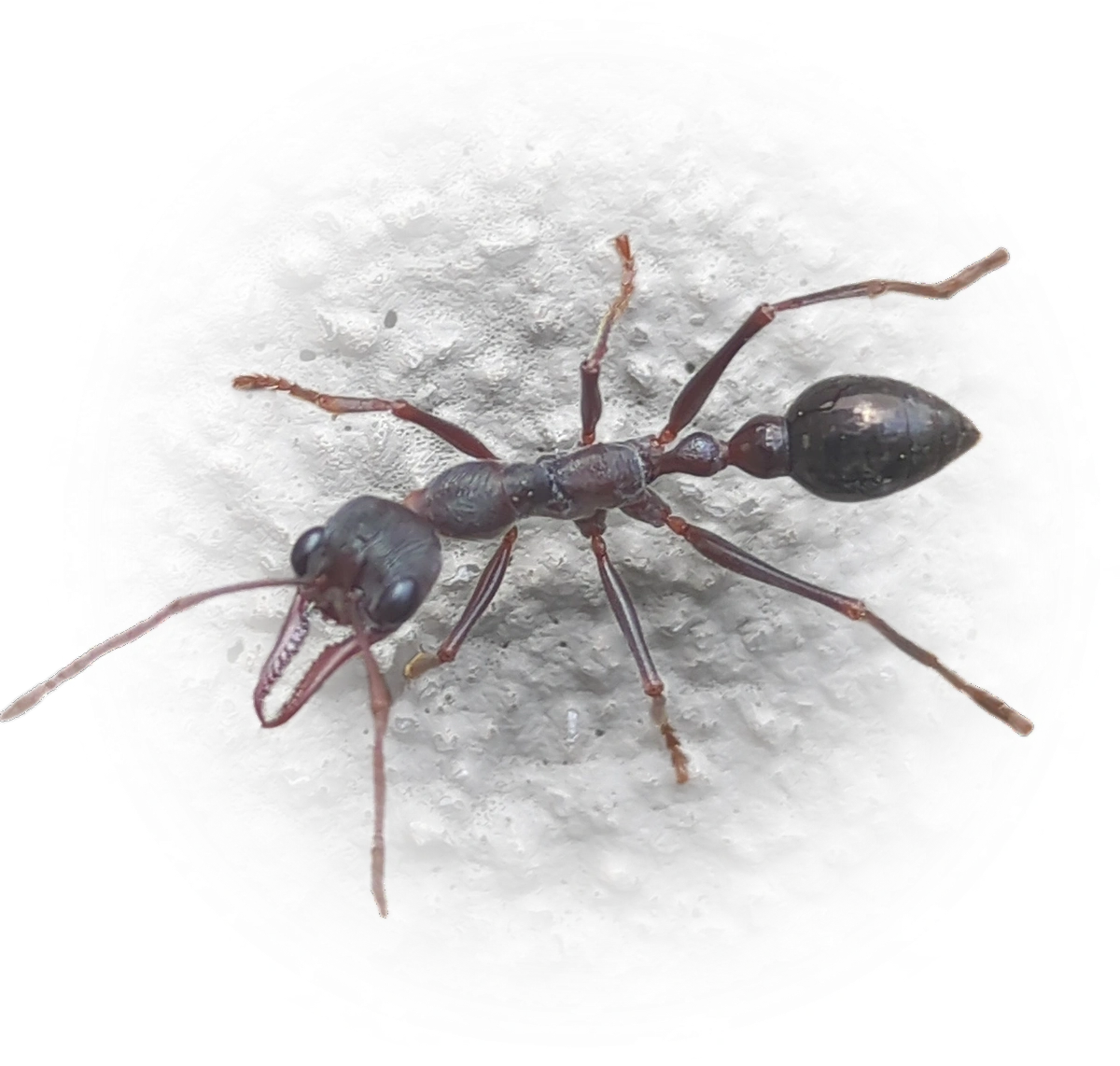
Inchman Ant
Myrmecia forficata
- Sci. Name
- Myrmecia forficata
- Tribe
- Myrmeciini
- Subfamily
- Myrmeciinae
- Author
- Fabricius, 1787
- Common Name
- Inchman Ant
- Distribution
- Found in 1 countries
- Queen Activity
- From March to April
- Peak Time
- 11:00
AI Identifiable
try →
Introduction
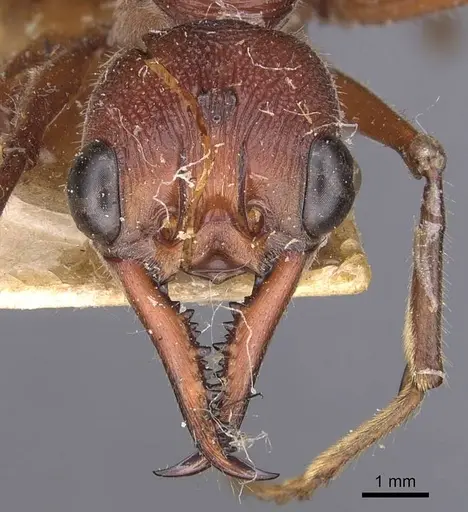
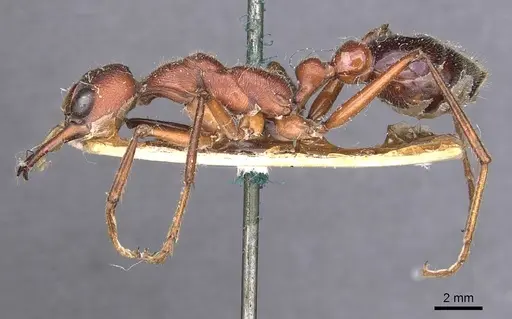
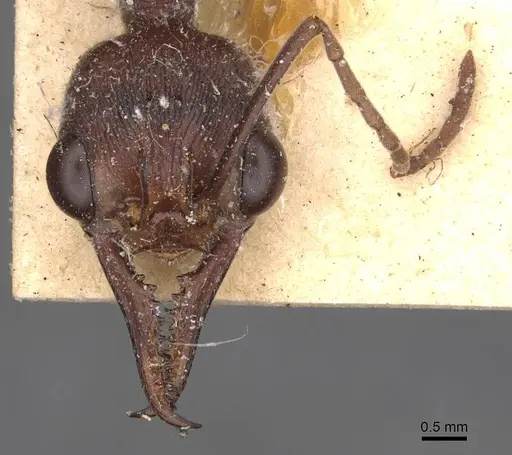
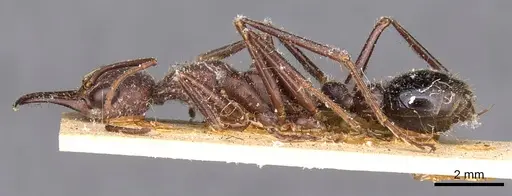
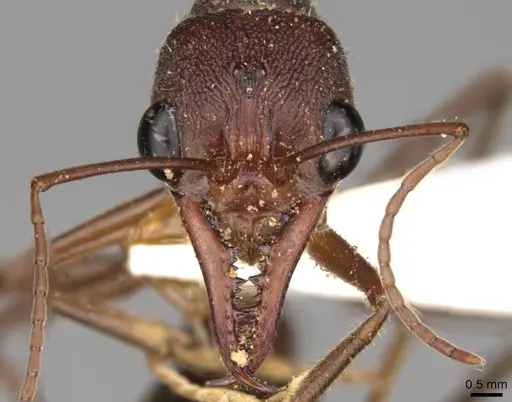
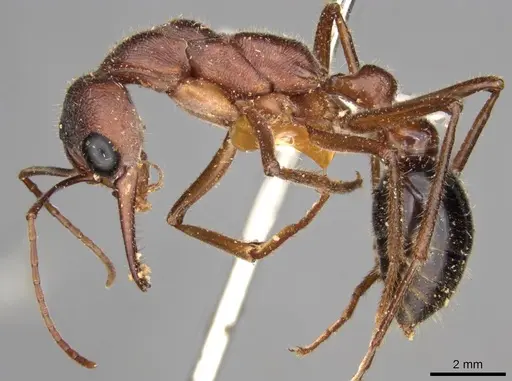
Myrmecia forficata is a large bulldog ant native to southeastern Australia, especially Tasmania where it predominates among bulldog ants . Workers are 20–30 mm long and belong to the Myrmecia gulosa species group . They have powerful mandibles, a distinct petiole, and a large stinger. These ants live in sclerophyll forest communities in Tasmania, Victoria, and South Australia . Unlike many ants, their queens found colonies non-claustral (semi-claustral) – the queen must leave the nest to hunt for food during the founding stage rather than sealing herself in . They also have antimicrobial metapleural gland secretions that help protect the colony .
Quick Summary
- Difficulty: Expert
- Origin & Habitat: Southeastern Australia – primarily Tasmania, also Victoria and South Australia. Inhabits sclerophyll forest communities [3].
- Colony Type: Single-queen colonies (monogyne) – typical for the genus Myrmecia. Queens are larger than workers and founding is semi-claustral (non-claustral) [5].
- Size & Growth:
- Queen: Size data unavailable – estimated larger than workers (likely ~25–35 mm based on related Myrmecia species).
- Worker: 20–30 mm [1][2]
- Colony: Unknown – likely moderate, typical for Myrmecia genus (several hundred workers).
- Growth: Unknown – estimated moderate from related species.
- Development: Unknown – no direct studies for this species. Inferred 8–12 weeks based on related Myrmecia at warm temperatures. (All development time estimates are from genus-level data, specific research on Myrmecia forficata is lacking.)
- Antkeeping:
- Temperature: Likely 20–28°C, maintain a gradient. Specific requirements unknown – inferred from temperate Australian climate. Avoid extremes below 15°C except during winter rest.
- Humidity: Moderate – keep nest substrate moist but not waterlogged. Inferred from sclerophyll forest floor habitat.
- Diapause: Likely required – a winter rest period (June–August in Australia) with reduced temperature (~15–18°C) and minimal feeding. Specific details unknown.
- Nesting: Ground-nesting – provide soil-based formicarium or digging chamber with dark, enclosed spaces. Connect to a spacious outworld for foraging.
- Behavior: Myrmecia forficata is aggressive and will defend the colony fiercely with a potent sting. This species is one of the main causes of ant sting anaphylaxis in Australia [1][2]. Workers are specialist predators [8] that hunt individually, without chemical trails. They react to disturbances with immediate attack. Escape prevention is important – these large ants can climb smooth surfaces. Their venom is medically significant, handle with extreme caution.
- Common Issues: sting risk is serious – venom can cause anaphylaxis in sensitive people, always wear protective gear when working with the colony., semi-claustral founding means the queen must leave the nest to hunt – providing small live prey regularly during founding is critical., founding success rate is lower than for claustral species – the queen needs frequent feeding and minimal disturbance., aggressive defense makes nest moves and maintenance challenging – use smoke or gentle techniques to calm workers., winter rest is likely needed but poorly studied – without a proper cooling period the colony may weaken over time.
Queen Ant Activity Analysis 206 observations
Queen Activity by Hour 206 observations
Myrmecia forficata queen activity peaks around 11:00 during the late morning to early afternoon. Activity is spread across a 14-hour window (08:00–21:00). Times may be influenced by human observation patterns.
Housing and Nest Setup
Because Myrmecia forficata has semi-claustral founding, you need a setup that lets the queen hunt during the founding stage. Use a test tube connected to a small foraging area so she can catch live prey. She cannot survive on fat stores alone like claustral queens. Once the first workers (nanitics) appear, move the colony to a larger formicarium with a soil-based digging chamber. These ants are ground-nesters that prefer dark, enclosed spaces. The outworld should be roomy enough for workers to hunt and dispose of waste. Apply a secure escape barrier like fluon to the rim of the formicarium – these large ants are good climbers. [5]
Feeding and Diet
Myrmecia forficata is a specialist predator [8] that needs a protein-rich diet of live insects. Offer prey like crickets, mealworms, and roaches that are no larger than the ants themselves (20–30 mm workers can take moderate-sized insects). During founding, provide the queen with small live prey every 2–3 days. For established colonies, feed 2–3 times per week with larger prey. Sugar water or honey can be offered as a supplement, but protein is essential. Remove uneaten prey to prevent mold.
Temperature and Seasonal Care
Keep the nest at 20–28°C with a warm zone around 26°C. Specific temperature needs are not studied, so provide a gradient so workers can choose. During the Australian winter (June–August in the southern hemisphere), give the colony a rest period. Reduce temperature to 15–18°C and cut back feeding – stop feeding during the coldest month. Gradually warm up and increase food in spring.
Sting Safety and Handling
This is the most important safety point. Myrmecia forficata venom is one of the three major bulldog ant venoms that cause anaphylaxis in Australia [1][2]. The venom shares allergens with other Myrmecia species [1]. Anyone allergic to bee or wasp stings should not keep this ant. When working with the colony, wear long sleeves, gloves, and eye protection. Use a small amount of smoke near the nest entrance to calm workers before opening. Have antihistamine cream or ice handy for local reactions. If you get stung and feel dizzy, have trouble breathing, or swelling spreads, seek emergency medical help right away.
Colony Development and Growth
Because founding is semi-claustral, growth is slower at first. The queen must hunt for prey while also laying eggs and caring for brood. This raises the chance of failure during founding. Once the first workers appear, she can focus on egg-laying while workers take over foraging. Colony growth is moderate – Myrmecia colonies typically reach several hundred workers over 1–3 years. To improve founding success, give the queen a steady supply of small live prey and disturb her as little as possible. Check the setup only when necessary. [5]
Defense and Colony Behavior
Workers are aggressive and attack immediately when the nest is disturbed – they burst out with mandibles open, ready to sting. There is no warning behaviour. This makes routine maintenance harder than with docile species. Workers hunt alone as specialist predators [8] and do not use chemical recruitment trails. They will investigate any vibration or disturbance in the foraging area. Their metapleural glands produce antimicrobial secretions that help fight pathogens [6][7]. Also, a parasitic wasp (Eucharis myrmiciæ) has been found inside Myrmecia forficata cocoons [9].
Frequently Asked Questions
Is Myrmecia forficata dangerous to keep?
Yes, it has a potent sting that can cause anaphylaxis. Only experienced keepers comfortable with venomous ants should consider it. Anyone with a history of hymenoptera allergy should avoid this species entirely.
How do I start a Myrmecia forficata colony?
Use a semi-claustral setup: a test tube connected to a small foraging area. The queen must hunt live prey during founding, so provide small insects (fruit flies, small crickets) every 2–3 days. Keep the setup dark and undisturbed. Once nanitics appear, move the colony to a larger formicarium.
What do Myrmecia forficata eat?
They are specialist predators that need live insects – crickets, mealworms, roaches. Prey should be no larger than the ant itself. Sugar water or honey can supplement, but protein is the main requirement.
Do Myrmecia forficata need hibernation?
They likely need a winter rest period. Reduce temperature to 15–18°C during Australian winter (June–August) and stop feeding or feed very little. Gradually warm up in spring. Specific details are not studied.
How long until first workers in Myrmecia forficata?
No direct studies exist. Based on related Myrmecia species, estimate 8–12 weeks from egg to worker at warm temperatures. Semi-claustral founding takes longer because the queen must forage.
Are Myrmecia forficata good for beginners?
No. This is an expert-level species due to its venom, semi-claustral founding, aggression, and specific diet. Beginners should start with easier ants like Lasius or Tetramorium.
What temperature do Myrmecia forficata need?
Aim for 20–28°C with a warm zone around 26°C. Provide a gradient so workers can choose. Avoid temperatures below 15°C except during winter rest. Specific optimal temperatures are not known.
How big do Myrmecia forficata colonies get?
Colony size is not documented for this species. Myrmecia colonies typically reach several hundred workers, so expect a moderate-sized colony, not thousands of ants.
Can I keep multiple Myrmecia forficata queens together?
No evidence supports polygyny in this species. Myrmecia are usually monogyne. Keeping multiple queens together will likely result in fighting and death.
Why is my founding colony failing?
Semi-claustral founding has higher failure rates. Common causes: not enough live prey, too much disturbance, wrong humidity, or temperature out of range. Make sure the queen gets small live prey regularly and is disturbed as little as possible.
When do Myrmecia forficata queens forage?
Queen activity of Myrmecia forficata typically occurs From March to April. Times may be influenced by human observation patterns.
What time of day are Myrmecia forficata queens most active?
Queen activity of Myrmecia forficata peaks around 11:00 during the late morning to early afternoon, with most activity between 08:00 and 21:00. Times may be influenced by human observation patterns.
Report an Issue
The current care sheet is based fully on literature. See inconsistencies, or something that's incorrect? Please , it will be resolved after review from an admin. Contributing to the blogs tab also helps providing information, to make us be able to further improve the caresheets. Thank you for your support!
References

This caresheet is licensed under CC BY-SA 4.0 .
Community Blogs
CASENT0907080
View on AntWeb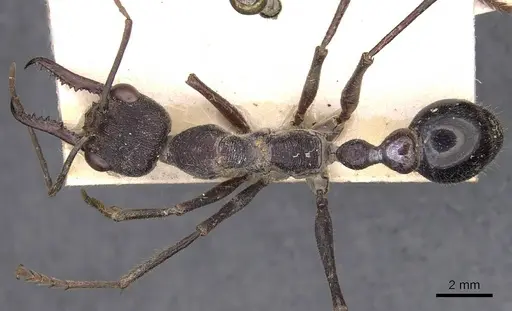
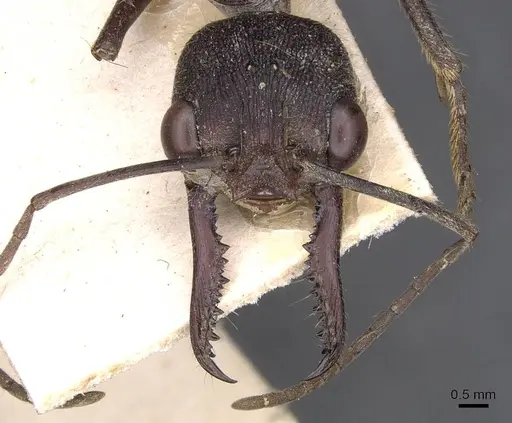
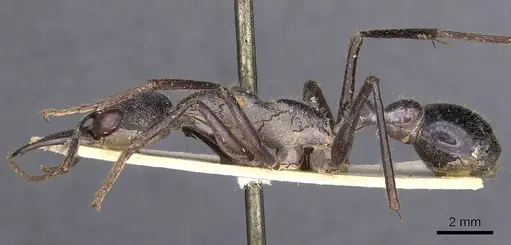
CASENT0907082
View on AntWeb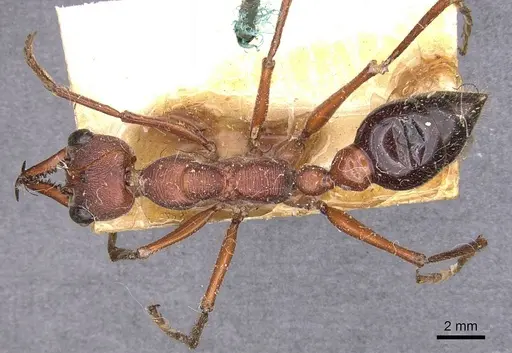
CASENT0907086
View on AntWeb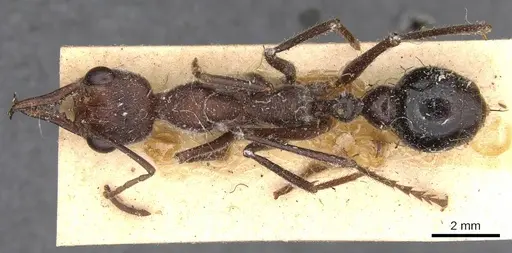
CASENT0914026
View on AntWeb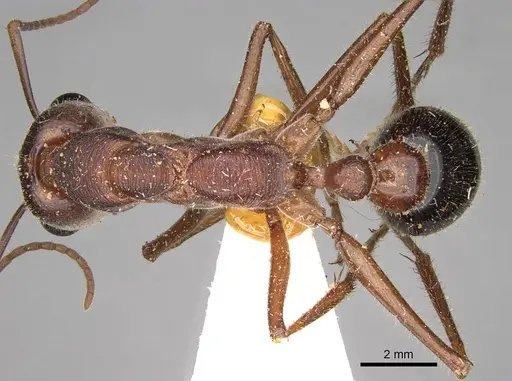
Literature
Loading distribution map...Loading products...