
Myrmecia callima
- Sci. Name
- Myrmecia callima
- Tribe
- Myrmeciini
- Subfamily
- Myrmeciinae
- Author
- Clark, 1943
- Distribution
- Found in 1 countries
Introduction
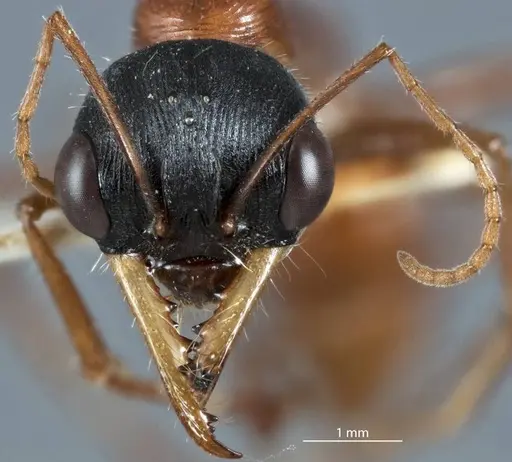
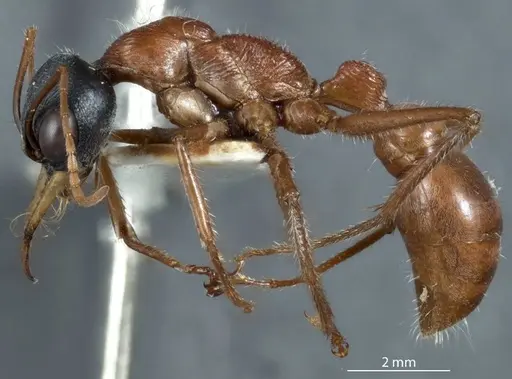
Myrmecia callima is a large ant species native to southern Australia, belonging to the cephalotes species group. Workers are robust ants with powerful mandibles and a painful sting. A key diagnostic feature separating this group from other Myrmecia is the non-pectinate tibial spur on the hind leg. Distribution includes Victoria (Kiata) and Western Australia (Corrigin, Southern Cross). This species is part of the Myrmecia genus, known for their aggressive defensive behavior and active hunting style. Unlike many ants that rely on chemical recruitment, Myrmecia foragers use their excellent vision to locate prey individually. They are a rewarding species for experienced antkeepers who can provide proper care and respect their defensive nature.
Quick Summary
- Difficulty: Medium
- Origin & Habitat: Southern Australia, primarily Victoria and Western Australia. Based on typical Myrmecia habitat preferences, these ants likely inhabit dry sclerophyll forest and woodland areas, nesting underground. [1]
- Colony Type: Likely single-queen colonies (monogyne) based on typical Myrmecia colony structure, multiple queens have not been documented in this species. [1]
- Size & Growth:
- Queen: Approximately 20-25mm, inferred from Myrmecia genus patterns
- Worker: Approximately 12-18mm, inferred from Myrmecia genus patterns
- Colony: Likely reaches several hundred workers at maturity, inferred from Myrmecia genus patterns
- Growth: Moderate, Myrmecia colonies typically develop over 1-2 years to first workers, then grow steadily
- Development: Approximately 8-12 weeks at optimal temperature, inferred from Myrmecia genus patterns (Development time is temperature-dependent, warmer conditions accelerate development but should not exceed species tolerance)
- Antkeeping:
- Temperature: Keep nest area at 22-26°C during active season. Based on typical Myrmecia tolerance ranges, they can tolerate 18-28°C but prefer moderate warmth. Provide a temperature gradient so ants can self-regulate. [1]
- Humidity: Moderate humidity of 50-60%. Nest substrate should be slightly moist but not waterlogged. These ants likely prefer dry to moderately damp conditions, reflecting their Australian habitat. [1]
- Diapause: Yes, based on geographic range (temperate southern Australia), Myrmecia require a winter rest period. Reduce temperature to 10-15°C for 2-3 months during winter months (typically June-August in Southern Hemisphere). Do not feed during diapause but provide a water source. [1]
- Nesting: Underground nests in soil with small crater entrances. In captivity, a naturalistic setup with deep soil (at least 10-15cm) or a Y-tong/plaster nest works well. Provide digging medium and ensure darkness for the nest chamber. [1]
- Behavior: Myrmecia callima are active, aggressive foragers with excellent vision. Workers hunt individually rather than using chemical recruitment trails. They are highly defensive of their nest and will readily attack intruders. Their sting is painful and can cause allergic reactions in sensitive individuals. Escape prevention is important but these are large ants that cannot squeeze through standard barrier setups. [1]
- Common Issues: stinging incidents, handle with extreme care and use protective gear when servicing the colony, colonies may be slow to establish, patience is required during the founding phase, overheating can kill colonies, never expose to direct sunlight or temperatures above 30°C, wild-caught colonies may have parasites, quarantine and monitor new colonies carefully, queen loss during founding, claustral queens sometimes die if stressed or if conditions are unsuitable
Housing and Nest Setup
Myrmecia callima requires spacious housing that accommodates their large size and burrowing behavior. For founding colonies, a test tube setup works for the queen alone, but once workers emerge (8-12 workers), transfer to a formicarium. A naturalistic setup with deep soil (at least 10-15cm) is ideal, as these ants naturally nest underground. Alternatively, a Y-tong or plaster nest with chambers scaled to their size works well. The nest area must be dark, Myrmecia are photosensitive and will abandon brightly lit nest chambers. Provide an outworld for foraging with a water station and feeding area. Use fluon or other barriers on the rim to prevent escapes, though their large size makes escape less likely than with tiny ants. [1]
Feeding and Diet
Myrmecia callima are predatory ants that hunt live prey in nature. In captivity, offer a varied diet including live insects (crickets, mealworms, roaches) 2-3 times per week. Remove uneaten prey after 24 hours to prevent mold. They also accept sugar sources, offer honey water or sugar water once or twice weekly. Fresh water must always be available. Unlike some ants, they do not collect honeydew from aphids as a primary food source. Feed more frequently during colony growth phases and reduce feeding during diapause. Young colonies may take smaller prey items, adjust prey size to worker size. [1]
Temperature and Seasonal Care
Maintain temperatures between 22-26°C during the active season (spring through autumn). A heating cable on one side of the nest creates a gradient allowing ants to self-regulate. Never exceed 30°C as this can be fatal. During winter (roughly June-August), simulate natural conditions by reducing temperature to 10-15°C for diapause. This rest period is essential for colony health and triggers reproductive behavior in spring. Do not feed during diapause but maintain a water source. Gradual temperature changes are important, avoid sudden shifts that stress the colony. Room temperature within range is acceptable, additional heating is only needed if your environment is consistently cooler. [1]
Behavior and Handling
Myrmecia callima workers are aggressive defenders of their nest. They have excellent vision and will actively pursue perceived threats. Their sting is notably painful and can cause allergic reactions ranging from mild swelling to anaphylaxis in sensitive individuals. When working with this species, use red light for observation, move slowly, and wear protective gloves. Never blow on the ants or tap the nest as this triggers defensive behavior. They forage individually rather than in groups, hunting by sight. Workers may wander extensively in the outworld looking for prey. This species is not suitable for beginners due to their defensive nature and sting risk. However, established colonies can become somewhat tolerant of routine maintenance if done calmly and consistently. [1]
Colony Development
A claustral queen will seal herself in a chamber and lay eggs without leaving to forage. She feeds on stored fat reserves and metabolic byproducts to produce the first brood. The first workers (nanitics) are typically smaller than mature workers but will immediately begin foraging. Colony growth is moderate, expect 8-12 weeks to first workers, then several months to reach 20-30 workers. Growth accelerates as the colony establishes. Mature colonies may contain several hundred workers over several years. Queens can live for many years, with Myrmecia queens known to live 15+ years in some cases. Requeening events are rare in monogyne colonies. [1]
Frequently Asked Questions
How long does it take for Myrmecia callima to produce first workers?
Expect 8-12 weeks from egg to first worker at optimal temperature (22-26°C). This timeline varies based on temperature, warmer conditions speed development while cooler temperatures slow it. The claustral queen will remain sealed in her chamber until the first workers emerge. [1]
What do Myrmecia callima eat?
They are predatory ants that primarily eat live insects. Offer crickets, mealworms, roaches, and other appropriate-sized prey 2-3 times per week. They also accept sugar sources like honey water or sugar water. Fresh water must always be available. [1]
Are Myrmecia callima good for beginners?
No, this species is not recommended for beginners. Their painful sting and aggressive defensive behavior make them challenging to handle. They require specific care including diapause, spacious housing, and live prey. Experienced antkeepers with proper handling equipment and understanding of their behavior should attempt this species. [1]
Do Myrmecia callima need hibernation?
Yes, they require a winter diapause period based on their geographic range in temperate southern Australia. Reduce temperatures to 10-15°C for 2-3 months during winter (typically June-August). Do not feed during this period but maintain access to water. This rest period is essential for colony health. [1]
Can I keep multiple Myrmecia callima queens together?
This species is likely monogyne (single queen). Multiple unrelated queens will likely fight. In nature, Myrmecia colonies typically have one queen. Do not attempt to house multiple queens together. [1]
How big do Myrmecia callima colonies get?
Mature colonies likely reach several hundred workers over several years based on typical Myrmecia colony sizes. Growth is moderate, expect 1-2 years to reach 50-100 workers, with continued growth over many years. Queens can live 15+ years. [1]
What temperature should I keep Myrmecia callima at?
Keep nest temperatures between 22-26°C during the active season. Provide a temperature gradient so ants can self-regulate. Never exceed 30°C. Room temperature within this range is acceptable, use a heating cable only if needed. [1]
When should I move Myrmecia callima to a formicarium?
Move the colony once you see 8-12 workers foraging in the test tube setup. They need more space for foraging and brood development. A naturalistic setup with deep soil or a Y-tong nest works well. Ensure the nest area remains dark. [1]
Why is my Myrmecia callima colony dying?
Common causes include: temperature stress (too hot or sudden changes), improper humidity (too wet or too dry), lack of live prey, disturbance during founding, or parasites. Check that temperatures are stable (22-26°C), humidity is moderate, and they have regular access to live prey. Ensure the queen is still present and laying eggs. [1]
Report an Issue
The current care sheet is based fully on literature. See inconsistencies, or something that's incorrect? Please , it will be resolved after review from an admin. Contributing to the blogs tab also helps providing information, to make us be able to further improve the caresheets. Thank you for your support!
References

This caresheet is licensed under CC BY-SA 4.0 .
Community Blogs
JDM32-002400
View on AntWeb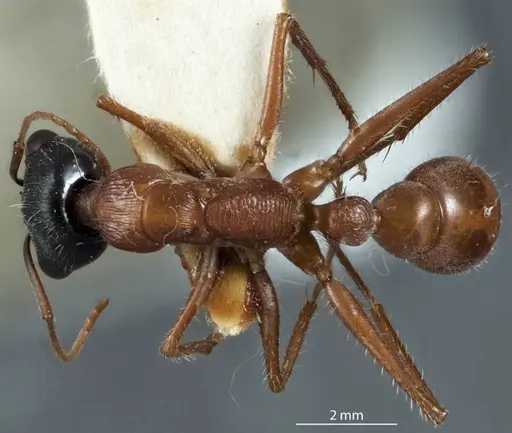
Literature
Loading distribution map...Loading products...