
Mycetomoellerius ixyodus
- Sci. Name
- Mycetomoellerius ixyodus
- Tribe
- Attini
- Subfamily
- Myrmicinae
- Author
- Mayhé-Nunes & Brandão, 2007
- Distribution
- Found in 1 countries
Introduction
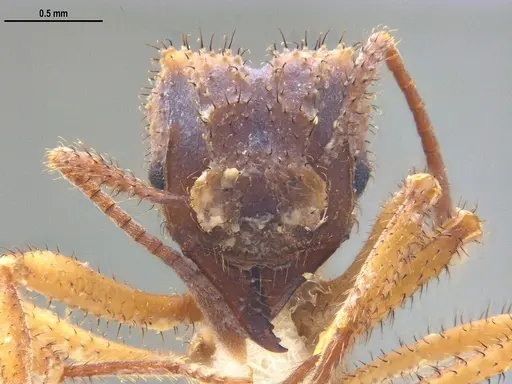
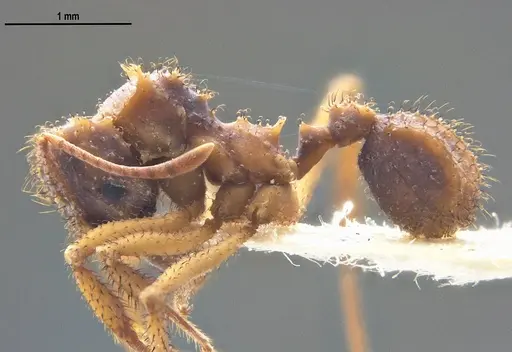
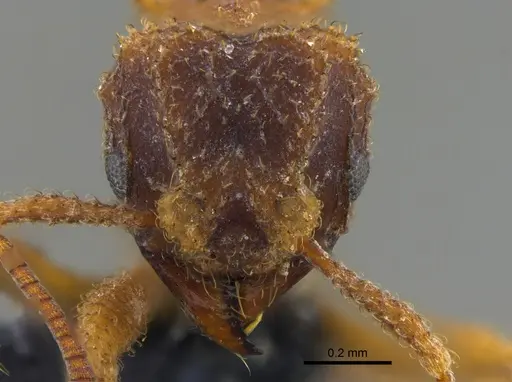
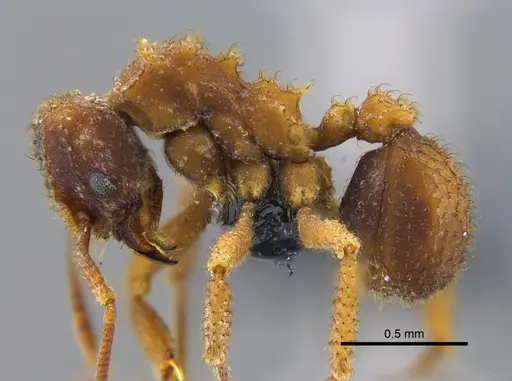
Mycetomoellerius ixyodus is a small fungus-growing ant in the tribe Attini, native to the northern Amazon basin of South America. Workers measure 4.4-5.1 mm total length and have a distinctive appearance with a large triangular tooth on the katepisternum, long pronotal spines, and light ferruginous coloration . This species belongs to the Jamaicensis group, characterized by antennal scrobes that reach the posterior margin of the head . Found across Brazil, Suriname, French Guiana, and Venezuela, these ants live in leaf-litter habitats in tropical rainforests . As a fungus-growing ant, M. ixyodus cultivates a fungal garden for food, unlike most ants that hunt or scavenge. This specialized lifestyle requires unique care in captivity, focusing on maintaining their fungal garden with organic plant material.
Quick Summary
- Difficulty: Medium
- Origin & Habitat: Tropical rainforests of northern Brazil (Amazonas), Suriname, French Guiana, and southern Venezuela. They live in leaf-litter habitats on the forest floor [4][5].
- Colony Type: Colony structure is unconfirmed. No specific data on queen number available [2].
- Size & Growth:
- Queen: Size data unavailable, no measurements in literature
- Worker: 4.4-5.1 mm total length [2]
- Colony: Colony size data unavailable in literature
- Growth: Moderate, based on genus patterns
- Development: Unknown, no specific data available (Development time may vary with temperature and fungus garden establishment)
- Antkeeping:
- Temperature: Keep warm, roughly 24-28°C, based on tropical habitat.
- Humidity: Keep nest substrate consistently moist but not waterlogged.
- Diapause: No, tropical species do not require hibernation.
- Nesting: Nest in leaf-litter and rotting wood. In captivity, use moist substrate setups like soil-peat mixes.
- Behavior: Workers are relatively docile and not aggressive. As a member of Myrmicinae, they possess a sting, but it is less medically significant. Escape risk is moderate due to small size, standard barriers are sufficient.
- Common Issues: Fungus garden collapse due to low humidity or contamination, keep substrate moist, Inappropriate feeding, they only eat cultivated fungus, not sugar or insects, Slow colony growth can lead to keeper impatience and overfeeding, Wild-caught colonies may have damaged fungus gardens and fail to establish
Understanding Fungus-Growing Ants
Mycetomoellerius ixyodus belongs to the tribe Attini, a group of ants that evolved a unique agricultural lifestyle [1]. Unlike most ants, Attini ants cultivate fungus gardens inside their nests. They feed the fungus with leaf fragments and other organic material, then eat the fungal structures [1]. This relationship is obligate, the ants cannot survive without their fungus, and the fungus cannot survive without the ants [1].
For antkeepers, this means M. ixyodus cannot be fed like typical ants. They will not accept sugar water, honey, or insects. Their entire diet comes from the fungal garden, so you must provide organic plant material regularly.
Housing and Nest Setup
These ants do best in naturalistic setups that mimic their leaf-litter habitat. Use a moist substrate layer with soil, peat, and rotting wood fragments. Keep the substrate damp but not waterlogged, and add a layer of leaf litter for foraging.
Test tubes are not suitable for established colonies, they need space for fungus cultivation. Use formicariums with humidity chambers or naturalistic terrariums. Escape prevention is important but not critical for 4-5mm workers, standard barriers work.
Feeding and Fungus Garden Care
The key to keeping M. ixyodus is maintaining a healthy fungus garden. Provide fresh leaf fragments, flower petals, or small fruit pieces regularly in the foraging area. The ants will transport this material to their fungus chamber [1].
Do not offer sugar water, honey, or protein sources, these will contaminate the nest. The fungus garden appears as a white, cottony mass, if it turns dark or smells bad, check humidity and substrate quality.
Temperature and Humidity Requirements
As tropical ants, M. ixyodus needs warm conditions year-round. Keep temperatures around 24-28°C with a slight gradient. Humidity is critical, keep the nest substrate consistently moist but not wet.
These ants do not require hibernation due to their tropical origin.
Colony Establishment and Growth
Establishing a colony can be challenging because the queen must raise workers and cultivate a fungus garden simultaneously. Founding behavior is unconfirmed, but growth is slow as resources go to both worker population and fungus garden.
If obtaining a wild-caught colony, look for one with an active, healthy fungus mass. Patience is essential, these are not fast-growing ants.
Frequently Asked Questions
What do Mycetomoellerius ixyodus ants eat?
They only eat the fungus they cultivate. Provide organic material like leaf fragments or flower petals for their fungus garden. They will not eat sugar water, honey, or insects [1].
Can I keep Mycetomoellerius ixyodus in a test tube?
No, test tubes are not suitable for established colonies. They need space for fungus cultivation and a foraging area for plant material.
How long does it take for first workers to appear?
Development time is unknown, no specific data available. It may vary with temperature and fungus garden establishment.
Are fungus-growing ants good for beginners?
They are considered medium difficulty due to specialized fungal diet and humidity needs. Beginners may prefer more forgiving species.
Do Mycetomoellerius ixyodus need hibernation?
No, they are tropical ants and do not require hibernation. Keep them warm year-round.
Why is my colony dying?
Most likely due to fungus garden collapse from low humidity, temperature swings, or contamination. Check nest moisture and avoid inappropriate foods.
How big do colonies get?
Colony size data is unavailable in literature. Based on genus patterns, they may reach moderate sizes over time.
When should I move them to a formicarium?
Move them when the founding setup becomes crowded or the fungus garden needs more space. Wait until the colony is established with active fungus.
Can I keep multiple queens together?
Colony structure is unconfirmed. Based on related species, they likely form single-queen colonies, but combining queens is not recommended as it is unstudied.
Report an Issue
The current care sheet is based fully on literature. See inconsistencies, or something that's incorrect? Please , it will be resolved after review from an admin. Contributing to the blogs tab also helps providing information, to make us be able to further improve the caresheets. Thank you for your support!
References

This caresheet is licensed under CC BY-SA 4.0 .
Community Blogs
ANTWEB1047931
View on AntWeb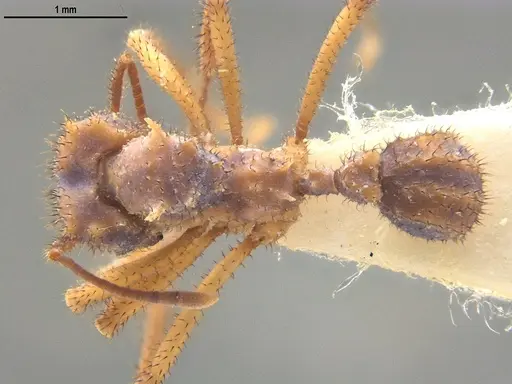
CBUMAGENT41976
View on AntWeb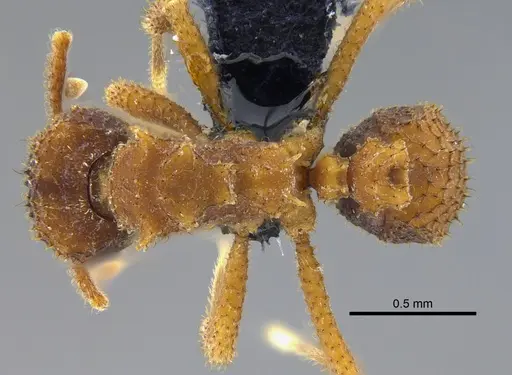
Literature
Loading distribution map...Loading products...