
Monomorium symmotu
- Sci. Name
- Monomorium symmotu
- Tribe
- Solenopsidini
- Subfamily
- Myrmicinae
- Author
- Bolton, 1987
- Distribution
- Found in 3 countries
Introduction
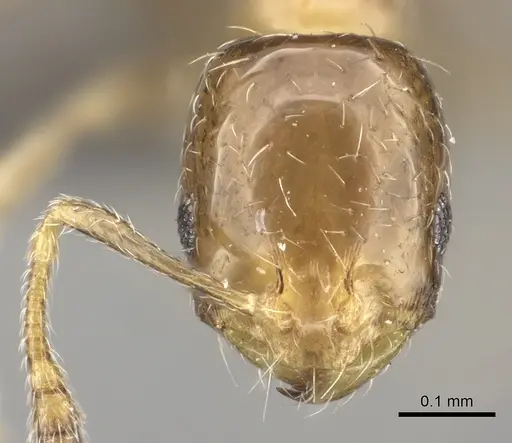
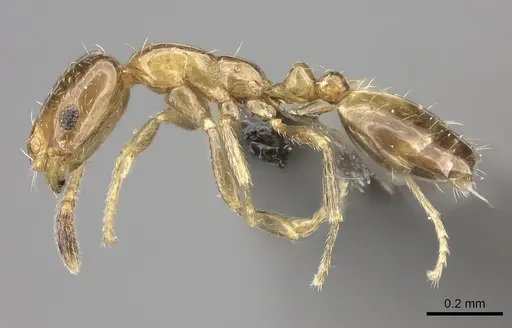
Monomorium symmotu is a small ant species recently documented in Rwanda's Akagera National Park . This species was identified as part of biodiversity surveys in eastern Africa, representing a new record for Rwanda's ant fauna. Workers are tiny, with the genus characterized by compact bodies and relatively short antennae. Little is known about this specific species' behavior in the wild, but members of the Monomorium genus are generally adaptable omnivores that can thrive in various habitats from savanna to forest edges. The genus includes both single-queen and multi-queen species, though the exact colony structure for M. symmotu remains unconfirmed.
Quick Summary
- Difficulty: Medium
- Origin & Habitat: Akagera National Park, Rwanda, a savanna ecosystem in eastern Africa [1]. The park features mixed grassland, woodland, and wetland habitats along the Kagera River.
- Colony Type: Unconfirmed, colony structure has not been documented for this species.
- Size & Growth:
- Queen: Size data unavailable, inferred from Monomorium genus patterns (~5-7mm)
- Worker: Size data unavailable, inferred from Monomorium genus patterns (~2-3mm)
- Colony: Maximum colony size unknown for this species
- Growth: Unknown
- Development: Unknown for this specific species (Development time cannot be confirmed due to lack of species-specific research)
- Antkeeping:
- Temperature: Keep at 24-28°C. This aligns with Rwanda's tropical climate and typical Monomorium preferences.
- Humidity: Moderate humidity around 50-70%. Provide a water tube and allow the nest to dry slightly between rehydrations.
- Diapause: Unlikely required, Rwanda has minimal seasonal temperature variation. A slight cool period (20-22°C) during winter months may be beneficial but is not necessary.
- Nesting: Based on genus preferences, they likely nest in soil or under stones in nature. Test tubes work well for founding colonies, Y-tong or plaster nests suit established colonies.
- Behavior: Based on genus patterns, this species is likely active and moderately aggressive in defending their nest. Workers forage for sugar and protein sources. Their small size means escape prevention is important, use fine mesh and tight-fitting lids. They are not known to be particularly stinging or dangerous to humans.
- Common Issues: very small size makes escape likely without proper barriers, limited species-specific information means care is largely inferred from genus, slow founding phase may discourage beginners, wild-caught colonies may carry parasites or diseases, overfeeding can lead to mold issues in small nests
Nest Preferences
In the wild, Monomorium species typically nest in soil, under stones, or in decaying wood. For captive care, a test tube setup works well for founding colonies, the queen seals herself into a chamber and raises her first workers there. Once the colony reaches 20-30 workers, you can transition to a Y-tong or plaster nest. These ants do not require elaborate setups, simple chambers with moderate humidity suit them well. Avoid overly large spaces too early, smaller, snugger chambers help the colony feel secure. A water tube connected to the nest helps maintain humidity without daily misting.
Feeding and Diet
Monomorium ants are omnivorous. Offer sugar water, honey, or diluted maple syrup as a constant energy source. For protein, provide small insects like fruit flies, pinhead crickets, or mealworm pieces. Given their tiny size, prey items should be appropriately small, fruit flies are an excellent choice. Feed protein every 2-3 days, replacing uneaten items within 24 hours to prevent mold. Sugar water can be offered continuously via a cotton wick or small container. Some Monomorium species also accept seeds or plant matter, but protein should form the primary diet for colony growth.
Temperature and Care
Maintain temperatures between 24-28°C for optimal colony development. This species originates from Rwanda's warm climate, so they do not require heating if your room stays within this range. A heating cable on one side of the nest can create a temperature gradient if needed, place it on top of the nest material to avoid excessive drying. Room temperature around 22-24°C is acceptable, but growth may slow below 22°C. Unlike temperate species, they do not require true hibernation, but a slight reduction to 20-22°C during winter months may simulate natural seasonal changes. Monitor colony activity, if workers cluster near heat sources, increase temperature slightly.
Behavior and Temperament
Based on genus patterns, Monomorium symmotu workers are likely active foragers that search for food both in and around the nest area. They are not typically aggressive toward humans but will defend their nest if threatened. Their small size means they can squeeze through surprisingly small gaps, excellent escape prevention is essential. Use tight-fitting lids, apply Fluon or similar barriers to container rims, and ensure any ventilation holes are covered with fine mesh. Workers likely have functional stingers but are too small to cause significant pain to humans. Observation is key, watch how your colony responds to feeding and temperature to fine-tune their care.
Colony Founding
The founding behavior of Monomorium symmotu has not been directly observed. claustral founding is common in the Monomorium genus, but this cannot be confirmed for this specific species. The queen may seal herself into a small chamber after mating, using stored fat reserves to survive while she lays eggs and raises the first brood alone. The first workers (nanitics) are typically smaller than mature workers and may appear within several weeks under warm conditions. During this founding phase, the queen needs complete darkness and minimal disturbance. Do not check on the colony frequently, excessive vibrations or light can cause the queen to abandon or consume her brood. Once workers emerge, you can begin offering tiny amounts of sugar water near the nest entrance.
Frequently Asked Questions
How long does it take for Monomorium symmotu to produce first workers?
Unknown for this specific species. Based on genus-level data from related species, expect first workers to emerge in approximately 6-8 weeks at optimal temperatures of 24-28°C, but this timeline cannot be confirmed.
Can I keep Monomorium symmotu in a test tube?
Yes, test tubes work well for founding colonies. Use a standard test tube setup with a water reservoir sealed with cotton, this provides humidity without flooding the chamber. Once the colony reaches 20-30 workers, consider transitioning to a larger nest.
What do Monomorium symmotu ants eat?
They are omnivorous. Offer sugar water or honey as a constant energy source, and protein (small insects like fruit flies, pinhead crickets, or mealworm pieces) every 2-3 days. Remove uneaten protein within 24 hours to prevent mold.
Are Monomorium symmotu good for beginners?
This species is rated as Medium difficulty. While not the most challenging ant species, the limited species-specific information means you may need to adjust care based on colony behavior. Their small size also requires attention to escape prevention.
How big do Monomorium symmotu colonies get?
Maximum colony size is unknown for this species. Based on similar species in the genus, colonies may reach several hundred workers, but this cannot be confirmed.
Do Monomorium symmotu need hibernation?
Probably not. Originating from Rwanda's tropical climate, they do not require true hibernation. A slight temperature reduction to 20-22°C during winter months may be beneficial but is not mandatory.
When should I move my colony to a formicarium?
Transition from test tube to a larger nest (Y-tong, plaster, or naturalistic setup) when the colony reaches 20-30 workers or the test tube becomes crowded. Ensure the new nest has appropriately sized chambers for their small size.
Why are my Monomorium symmotu dying?
Common causes include: poor escape prevention (tiny ants escaping), mold from overfeeding or excessive moisture, temperatures outside their 24-28°C range, or stress from excessive disturbance during founding. Check these factors and adjust accordingly.
Can I keep multiple queens together?
The colony structure of this species is unconfirmed. Combining unrelated queens has not been documented and is not recommended. If you obtain a multi-queen colony, keep them together only if they are already established as a group.
Report an Issue
The current care sheet is based fully on literature. See inconsistencies, or something that's incorrect? Please , it will be resolved after review from an admin. Contributing to the blogs tab also helps providing information, to make us be able to further improve the caresheets. Thank you for your support!
References

This caresheet is licensed under CC BY-SA 4.0 .
Community Blogs
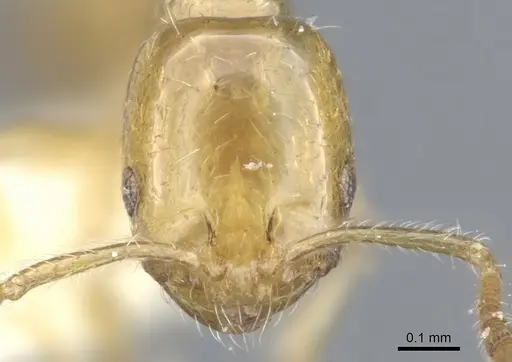
CASENT0235919
View on AntWeb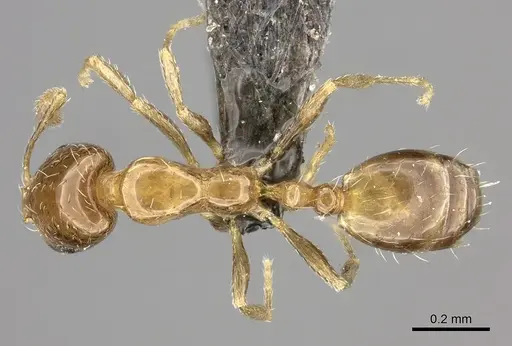
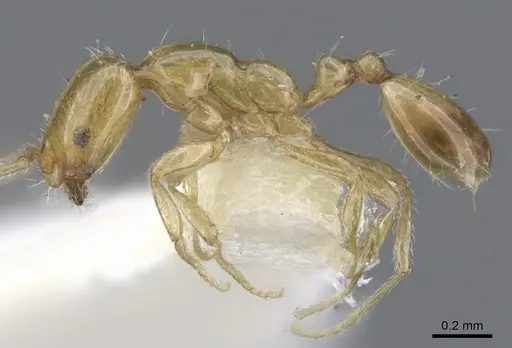
CASENT0902237
View on AntWeb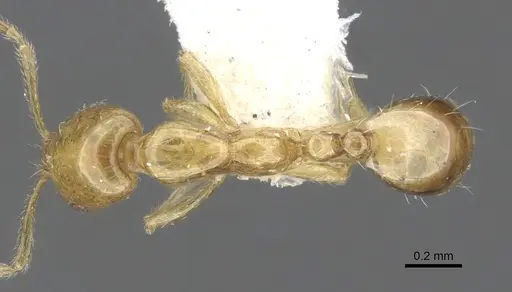
Literature
Loading distribution map...Loading products...