
Monomorium nanum
- Sci. Name
- Monomorium nanum
- Tribe
- Solenopsidini
- Subfamily
- Myrmicinae
- Author
- Heterick, 2001
- Distribution
- Found in 1 countries
Introduction
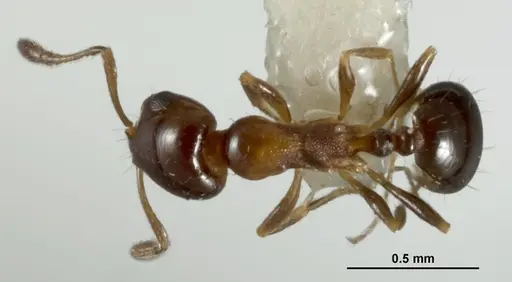
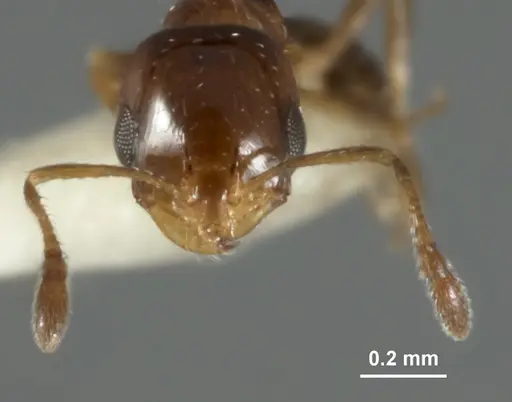
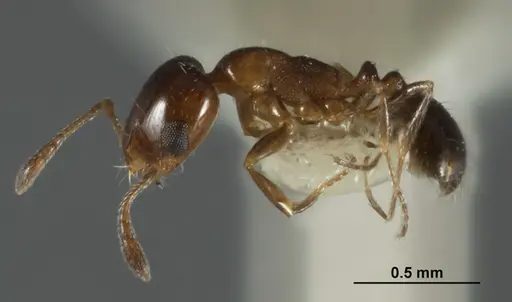
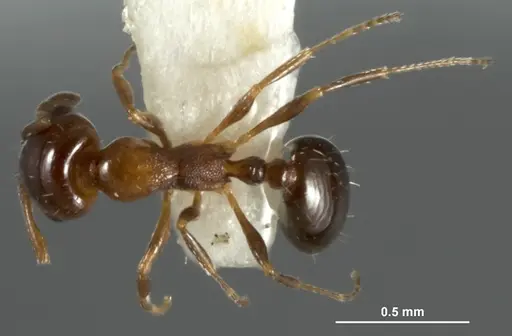
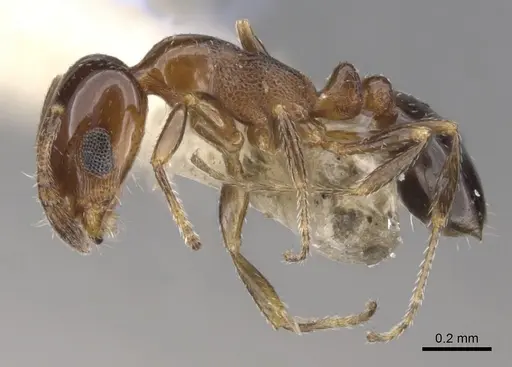
Monomorium nanum is a tiny ant species native to arid and semi-arid regions of Australia, including South Australia, Western Australia, Northern Territory, New South Wales, and Queensland. Workers measure approximately 0.88-1.42mm in total body length, making them among the smallest ants in the genus - 'nanum' means 'dwarf' in Latin. Coloration varies widely from pale yellowish to dark brown, often with the head and abdomen slightly darker than the middle body. These ants have distinctive kidney-shaped eyes and show significant variation in sculpture and body form across their range, leading researchers to suspect they may actually be a complex of multiple similar species. Despite being abundant in the wild, almost nothing is known about their biology in captivity or even their basic colony structure - all specimens collected have been lone foragers, with no nest series ever documented .
Quick Summary
- Difficulty: Unknown
- Origin & Habitat: Arid and semi-arid environments of South Australia, Western Australia, Northern Territory, New South Wales, and Queensland. Found across southern Australia in dry regions [1].
- Colony Type: Unconfirmed, no nest series have ever been documented, so colony structure is unknown
- Size & Growth:
- Antkeeping:
- Temperature: Start around 22-26°C and observe colony activity. As an Australian arid-zone species, they likely tolerate warmer conditions but specific requirements are unconfirmed
- Humidity: Likely prefer drier conditions given their arid habitat preference. Keep substrate moderately moist but allow drying periods between waterings
- Diapause: Unknown, Australian arid-zone species typically do not require formal hibernation, but cool period may be beneficial
- Nesting: No specific data exists. Based on related Australian Monomorium, likely nest in soil or under stones in natural habitat. Small test tubes likely work well for their tiny size
- Behavior: Temperament is unknown but related Monomorium species are generally non-aggressive and shy. Their tiny size makes them vulnerable and they likely avoid confrontation. Escape prevention is critical, at under 1.5mm, they can squeeze through extremely small gaps. Foraging style is likely generalist scavenging and hunting small prey, consistent with their suspected role as small predators and scavengers in arid ecosystems [1].
- Common Issues: escape prevention is critical due to their extremely tiny size, use fine mesh and tight-fitting barriers, virtually no biological data exists, keepers are essentially pioneering captive care for this species, colony structure is completely unknown, you may not know if you have a single-queen or multi-queen colony, no documented diet preferences, experimental feeding will be necessary, significant intraspecific variation may exist, what works for one population may not work for another
Why Keep Monomorium Nanum
Monomorium nanum represents a genuine frontier in antkeeping. This is a species that has essentially never been kept in captivity, with virtually no biological data available. This makes them an exciting challenge for experienced antkeepers who want to contribute to our understanding of Australian arid-zone ants. Their tiny size and variable appearance also make them interesting for those interested in observing natural variation. That said, the lack of documented care information means you will be experimenting with husbandry, and success is not guaranteed. This species is best suited for experienced antkeepers who enjoy the process of discovery and can adapt their care based on colony behavior rather than fixed protocols. [1]
Appearance and Identification
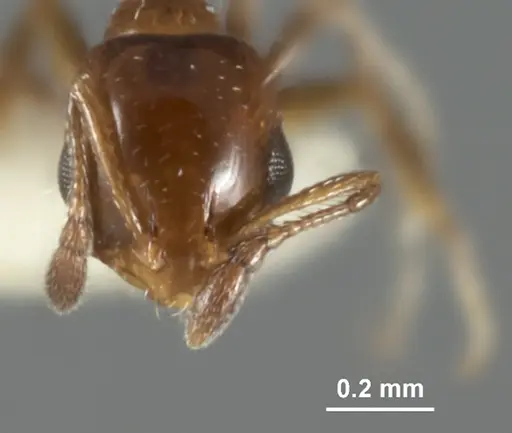
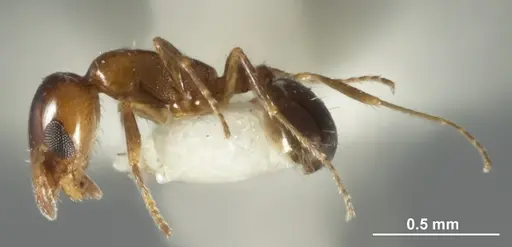
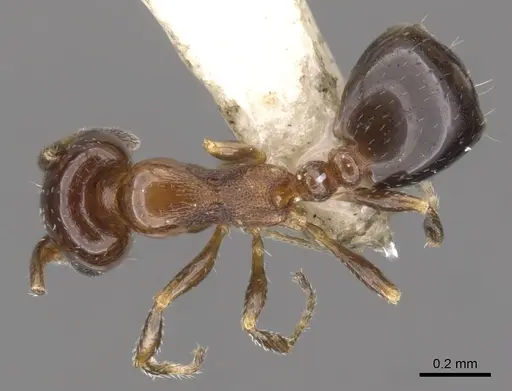
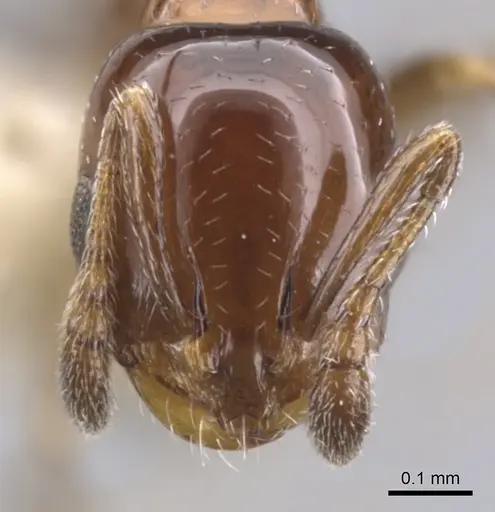
Workers of Monomorium nanum are among the smallest ants you will encounter, measuring just 0.88-1.42mm in total body length. Their most distinctive feature is their large, kidney-shaped eyes, which are set toward the bottom of the head. Color is highly variable, specimens range from pale yellowish to dark brown, with the head and abdomen often darker than the middle body. The surface texture varies too: some specimens have smooth, shiny surfaces while others show striated or microreticulate sculpture, particularly on the middle body region. The clypeus has distinctive longitudinal carinae that may appear as small teeth or denticles in some specimens. This variation is so significant that researchers suspect M. nanum may actually represent multiple similar species lumped together [1].
Natural Distribution and Habitat
This species occurs across much of arid and semi-arid Australia, from Western Australia through South Australia, the Northern Territory, New South Wales, and into Queensland. They may also occur in northern Victoria. They are particularly common in drier regions of southern Australia, where they make up a significant portion of the Monomorium biomass alongside similar species like Monomorium aithoderum and Monomorium stictonotum. As small generalist predators and scavengers, they likely play an important ecological role in these often-overlooked arid ecosystems. Despite their abundance in pitfall trap samples, no one has ever documented a nest, so their exact nesting preferences remain unknown [1].
Housing and Escape Prevention
Because of their extremely small size, workers are under 1.5mm, escape prevention is your most critical concern. Standard test tube setups may work, but you must ensure all connections are sealed with cotton or appropriate barriers. Fine mesh is essential for any outworld access points. Given their tiny size, they can squeeze through gaps that would contain much larger ants. Consider using small nests with appropriately scaled chambers. Test tube setups with small diameter tubes may be more suitable than standard formicarium setups designed for larger species.
Feeding and Diet
No specific dietary studies exist for M. nanum, but based on their suspected role as small generalist predators and scavengers, they likely accept small protein sources like micro-arthropods, springtails, and tiny insects. Related Australian Monomorium species are known to forage for honeydew and small prey. Start by offering tiny live prey and sugar water or honey diluted with water. Given their minute size, food particles must be extremely small. Monitor closely to remove uneaten food before it molds. Experimental feeding will be necessary to determine their preferences. [1]
Temperature and Seasonal Care
As an Australian arid-zone species, Monomorium nanum likely prefers warmer conditions, but specific thermal requirements are completely unconfirmed. Start with temperatures in the 22-26°C range and observe colony behavior. If workers cluster near heat sources, increase slightly. If they avoid heated areas, reduce temperature. Australian Monomorium species from arid regions typically do not require formal hibernation, but a slight cooling period during winter months may be appropriate. Avoid temperature extremes in either direction until you understand their preferences.
Defense Mechanism
Monomorium nanum belongs to the subfamily Myrmicinae and tribe Solenopsidini. Like other members of this group, they possess a stinger and can inject venom composed of piperidine alkaloids. However, given their extremely tiny size, workers are under 1.5mm, any sting would be negligible even if used. The stinger is typically too small to penetrate human skin effectively.
Challenges and Experimental Care
Keeping Monomorium nanum successfully will require experimentation and careful observation. The complete lack of documented captive care means you are essentially pioneering husbandry for this species. Key challenges include: determining appropriate colony structure, establishing feeding protocols through trial and error, finding appropriate housing scaled to their minute size, and managing humidity in a way that suits their likely arid preferences. Document your observations carefully. Any successful colony could contribute significantly to our understanding of this poorly known species. [1]
Frequently Asked Questions
How long does it take for Monomorium nanum to develop from egg to worker?
This is completely unknown. No species-specific development data exists.
What do Monomorium nanum ants eat?
No specific dietary studies exist. Based on their suspected role as small generalist predators and scavengers, they likely accept tiny live prey and may also forage for honeydew. Start with small live protein sources and diluted sugar water or honey. Experimental feeding will be necessary.
Are Monomorium nanum good for beginners?
No. This species is not recommended for beginners. Almost no biological or husbandry information exists, making successful captive care extremely challenging. The tiny size also creates significant practical difficulties with housing and escape prevention.
What temperature should I keep Monomorium nanum at?
Specific requirements are unknown. Start around 22-26°C and adjust based on colony activity. As an Australian arid-zone species, they likely tolerate warmer conditions, but observe your colony to determine their preferences.
How big do Monomorium nanum colonies get?
Unknown. No colony size data exists. No nest series have ever been documented, so we have no information about typical or maximum colony sizes.
Can I keep multiple queens together?
Unknown. Colony structure has never been documented for this species. No information exists about whether they found colonies singly or in groups.
What is the best nest type for Monomorium nanum?
No specific data exists. Given their tiny size, small test tubes with narrow diameters would be most suitable. Focus on escape prevention regardless of nest type chosen.
Do Monomorium nanum need hibernation or diapause?
Unknown. No seasonal biology has been documented. Australian arid-zone Monomorium typically do not require formal hibernation, but a slight cooling period during winter may be appropriate.
Why are my Monomorium nanum dying?
Without any documented care information, diagnosing problems is extremely difficult. Common issues likely include: escape, inappropriate humidity, temperature stress, or starvation due to unsuitable food sizes. Document your conditions and experiment with adjustments.
Report an Issue
The current care sheet is based fully on literature. See inconsistencies, or something that's incorrect? Please , it will be resolved after review from an admin. Contributing to the blogs tab also helps providing information, to make us be able to further improve the caresheets. Thank you for your support!
References

This caresheet is licensed under CC BY-SA 4.0 .
Community Blogs
Literature
Loading distribution map...Loading products...