
Monomorium drapenum
- Sci. Name
- Monomorium drapenum
- Tribe
- Solenopsidini
- Subfamily
- Myrmicinae
- Author
- Bolton, 1987
- Distribution
- Found in 2 countries
Introduction
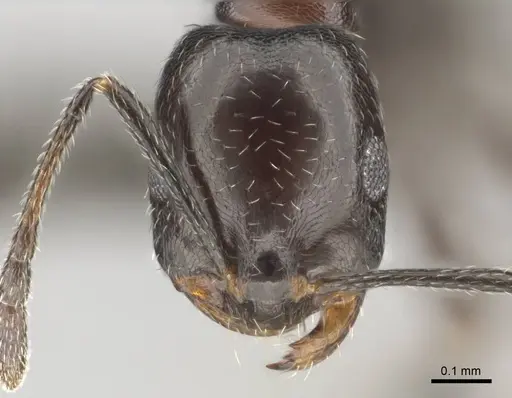
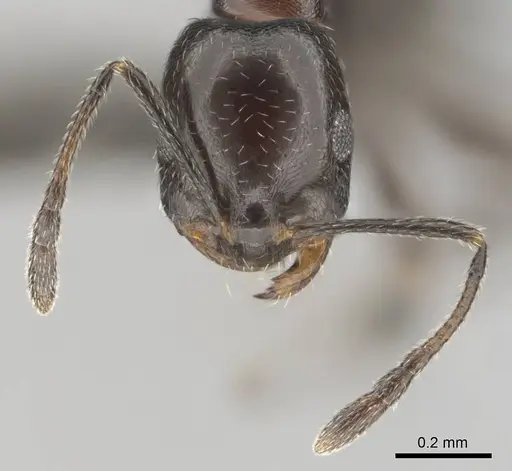
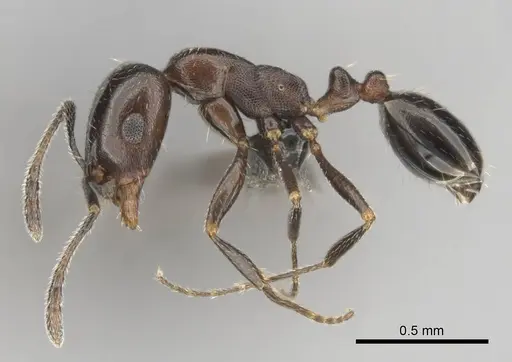
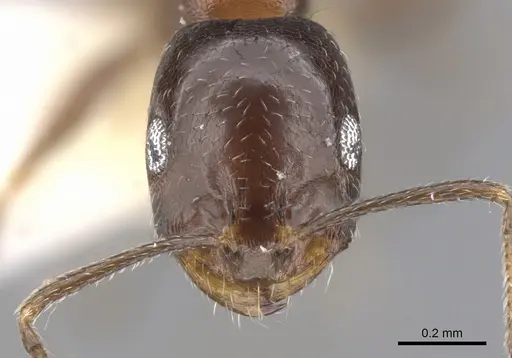
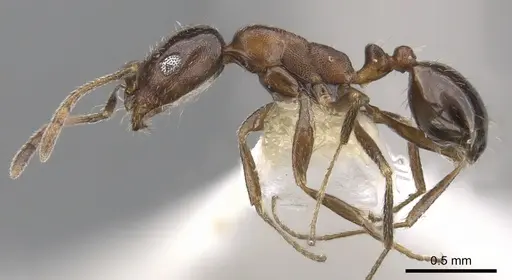
Monomorium drapenum is a tiny ant species documented in Afromontane regions of Africa. Workers are exceptionally small, with a characteristic light brown to yellowish coloration typical of the genus. This species has been recorded in elevation gradient studies showing it prefers lower elevation habitats, becoming less common above 1200m . Colonies are relatively small. Like other Monomorium species, they are generalist foragers that readily accept sugar sources and small protein prey.
Quick Summary
- Difficulty: Easy
- Origin & Habitat: Afromontane regions of Africa, documented in elevation gradient studies showing preference for lower elevations up to around 1200m [1]. In nature, they likely nest in soil or under stones in warm, shaded areas.
- Colony Type: Colony structure is unconfirmed. Based on typical genus patterns, likely single-queen colonies.
- Size & Growth:
- Queen: Size data unavailable, inferred from Monomorium genus (~5-7mm)
- Worker: Size data unavailable, inferred from Monomorium genus (~2-3mm)
- Colony: Estimated up to a few hundred workers based on typical colony sizes for the genus
- Growth: Moderate, typical for small Myrmicinae ants
- Development: Estimated 6-8 weeks at warm temperatures based on related species in the genus (Development time is inferred from genus-level data since species-specific measurements are not available.)
- Antkeeping:
- Temperature: Keep at 24-28°C. The Afromontane origin suggests they prefer warm conditions but not extreme heat. A slight temperature gradient allows workers to self-regulate.
- Humidity: Moderate humidity. They prefer somewhat damp nest substrate but can tolerate drier conditions. Keep the nest substrate lightly moist, not waterlogged.
- Diapause: Likely a mild winter slowdown based on African mountain climate patterns, but full hibernation is probably not required. Reduce feeding and lower temperatures slightly for 2-3 months in winter.
- Nesting: Small test tubes or Y-tong nests work well. Their tiny size means chambers should be appropriately scaled. They do well in formicaria with tight-fitting barriers.
- Behavior: Generally peaceful and non-aggressive. Workers are active foragers that readily search for sugar sources and small prey. As members of the tribe Solenopsidini, they possess a sting but it is not potent enough to pose danger to keepers. Their small size means escape prevention is important, they can squeeze through small gaps. They are fast-moving and curious, often exploring the outworld actively.
- Common Issues: tiny size makes escape prevention critical, use fine mesh barriers and check for gaps, slow colony growth can frustrate beginners, patience is key with small species, overfeeding can lead to mold in small nests, remove uneaten food promptly, test tube setups work well but ensure water reservoirs are appropriately sized to prevent flooding, wild-caught colonies may contain parasites, quarantine and observe new colonies
Housing and Nest Setup
Monomorium drapenum is a tiny ant that requires appropriately scaled housing. Test tube setups work excellently for founding colonies, use small-diameter tubes with cotton barriers and a water reservoir. For established colonies, Y-tong nests with narrow chambers are ideal. The chambers should be sized appropriately for their small workers, overly large spaces can stress them. Because of their minute size, escape prevention is critical. Use fine mesh on any ventilation holes and check all connection points regularly. A small outworld for foraging completes the setup. [1]
Feeding and Diet
Like other Monomorium species, these ants are generalist feeders that accept both sugar and protein sources. Offer sugar water or diluted honey as a constant sugar source. For protein, small soft-bodied prey works best, fruit flies, pinhead crickets, small mealworms, or other tiny insects. They are not aggressive hunters, so prey should be small enough to subdue easily. Feed protein 2-3 times per week, removing any uneaten prey within 24 hours to prevent mold. A varied diet helps support healthy colony growth.
Frequently Asked Questions
How long does it take for Monomorium drapenum to produce first workers?
Expect first workers to emerge in 6-8 weeks under warm conditions (24-28°C). This timeline is based on genus-level data since species-specific development times have not been documented.
What do Monomorium drapenum ants eat?
They accept both sugar and protein foods. Offer sugar water or diluted honey as a constant sugar source. For protein, feed small soft-bodied insects like fruit flies, small mealworms, or pinhead crickets. Remove uneaten food promptly to prevent mold.
What temperature do Monomorium drapenum ants need?
Keep them at 24-28°C for optimal growth. They prefer warm conditions but should be kept away from direct heat sources. A slight temperature gradient in the nest allows workers to regulate their own temperature.
Do Monomorium drapenum ants need hibernation?
A mild winter rest period is beneficial but full hibernation is not required. Reduce temperatures slightly and feed less for 2-3 months during winter months to mimic their natural seasonal cycle.
How big do Monomorium drapenum colonies get?
Colony size typically reaches a few hundred workers at maturity. This is relatively small compared to many other ant species, but colonies are still active and rewarding to watch.
Can I keep Monomorium drapenum in a test tube?
Yes, test tubes work excellently for this species, especially for founding colonies. Use small-diameter tubes appropriately scaled to their tiny size. Ensure the cotton barrier is secure and the water reservoir is properly sized.
Why are my Monomorium drapenum ants escaping?
Their tiny size allows them to squeeze through very small gaps. Check all ventilation holes, lid seals, and connection points. Use fine mesh and inspect the setup regularly for any gaps or wear.
Are Monomorium drapenum ants good for beginners?
Yes, they are an excellent beginner species. They are small, peaceful, and have modest care requirements. Their main challenges are escape prevention due to tiny size and relatively slow colony growth, which requires patience.
When should I move Monomorium drapenum to a formicarium?
Move them when the test tube becomes crowded or the water reservoir needs frequent refilling. For Monomorium drapenum, this is typically when the colony reaches 50-100 workers. A small Y-tong nest or appropriately scaled formicarium works well.
Report an Issue
The current care sheet is based fully on literature. See inconsistencies, or something that's incorrect? Please , it will be resolved after review from an admin. Contributing to the blogs tab also helps providing information, to make us be able to further improve the caresheets. Thank you for your support!
References

This caresheet is licensed under CC BY-SA 4.0 .
Community Blogs
CASENT0814144
View on AntWeb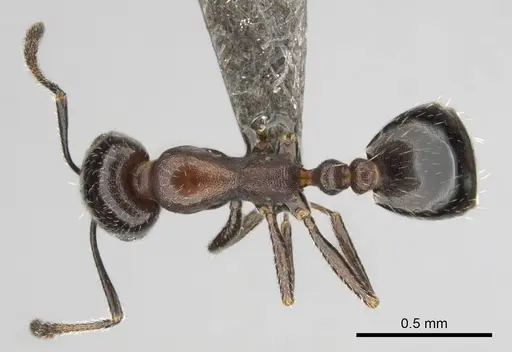
CASENT0902201
View on AntWeb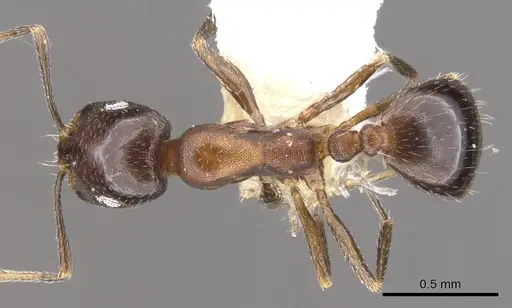
Literature
Loading distribution map...Loading products...