
Monomorium delagoense
- Sci. Name
- Monomorium delagoense
- Tribe
- Solenopsidini
- Subfamily
- Myrmicinae
- Author
- Forel, 1894
- Distribution
- Found in 3 countries
Introduction
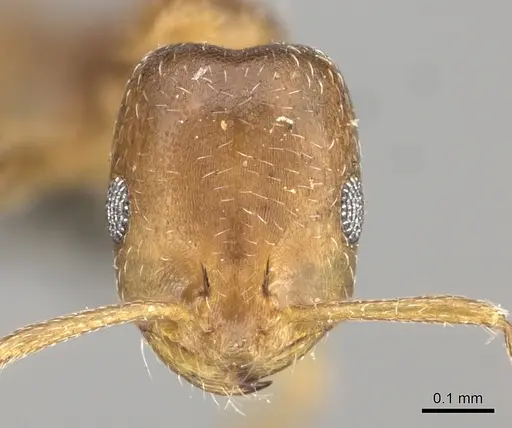
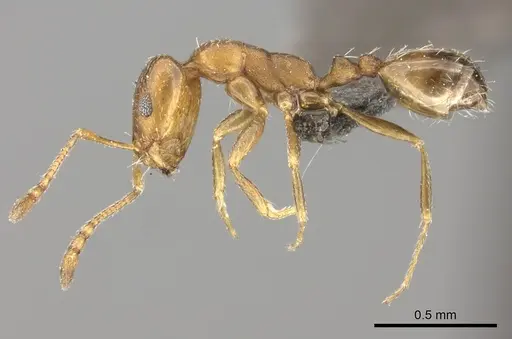
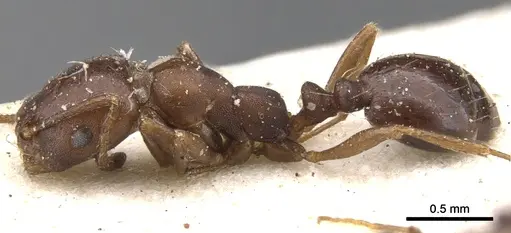
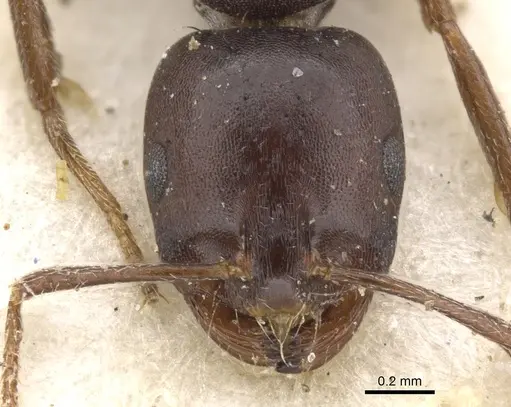
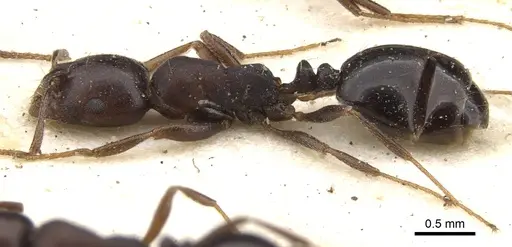
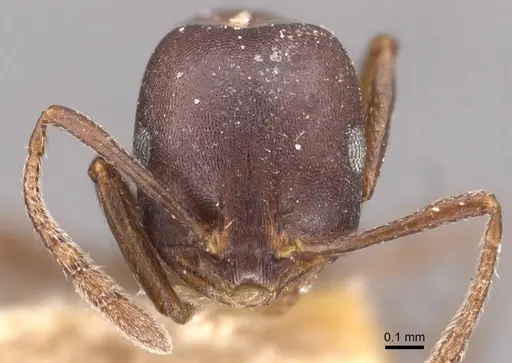
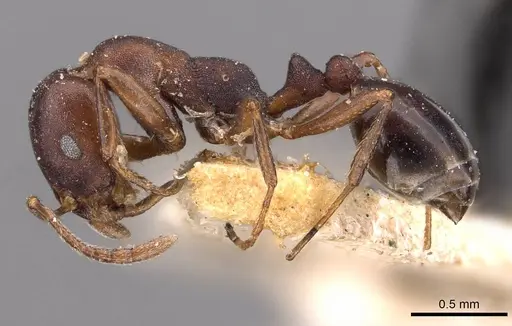
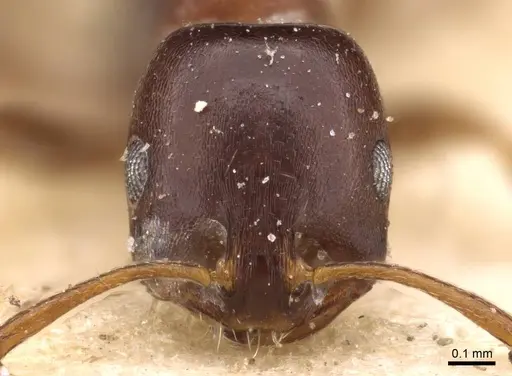
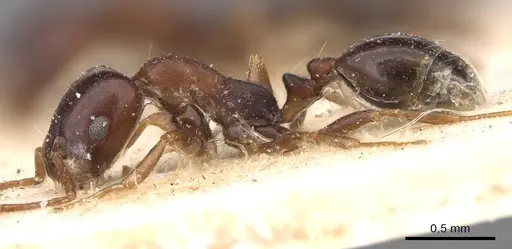
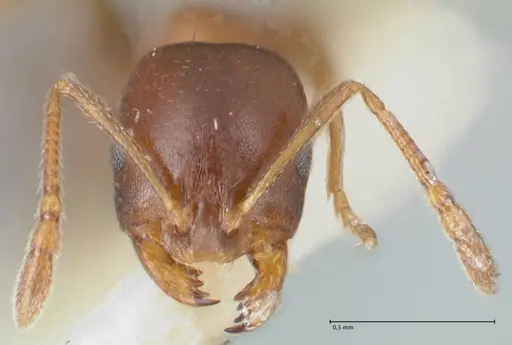
Monomorium delagoense is a small ant measuring 3.1-3.9mm in total length, with a uniform medium to dark brown coloration . This species belongs to the Monomorium salomonis species group, specifically the subopacum complex, and is native to southern Africa where it is found in South Africa, Mozambique, and Eswatini . The species is notable for being the only member of its complex to possess standing hairs on the dorsal alitrunk, which helps distinguish it from the closely related Monomorium junodi . These ants are typically found in Bushveld habitats and represent a relatively understudied species in the antkeeping hobby.
Quick Summary
- Difficulty: Medium
- Origin & Habitat: Native to southern Africa (South Africa, Mozambique, Eswatini), found in Bushveld habitats [1]
- Colony Type: Colony structure is not well-documented for this species. Based on typical Monomorium genus patterns, likely single-queen colonies.
- Size & Growth:
- Queen: Size data unavailable for this species
- Worker: 3.1-3.9mm total length [1]
- Colony: Colony size data unavailable for this species
- Growth: Moderate
- Development: Development time is unconfirmed for this species (Specific development data is not available. Based on typical Monomorium genus patterns, expect several months from egg to first worker.)
- Antkeeping:
- Temperature: Keep at 22-26°C. Based on their southern African origin, they prefer warm conditions. A heating cable on one side of the nest can create a temperature gradient.
- Humidity: Moderate humidity. Keep the nest substrate slightly moist but not waterlogged. These ants are from semi-arid to bushveld habitats and tolerate drier conditions better than excessive moisture.
- Diapause: Likely no true diapause required, southern African species experience mild winters rather than cold dormancy. However, a slight reduction in temperature during winter months (down to 18-20°C) may be beneficial.
- Nesting: Test tubes or Y-tong nests work well. These are small ants that do well with compact nesting chambers. Provide a small outworld for foraging. Natural nesting occurs in soil and under stones in bushveld areas [1].
- Behavior: Monomorium delagoense is a generally calm species. Workers are active foragers that likely scavenge for small insects and tend honeydew-producing insects. Their small size means they can escape through tiny gaps, excellent escape prevention is essential. This species has a sting (common to Myrmicinae, Solenopsidini tribe) that injects piperidine alkaloids, though their small size means they pose minimal danger to keepers [2].
- Common Issues: escape prevention is critical due to their very small size, use fine mesh and tight-fitting lids, slow colony growth may cause beginners to lose patience and overfeed, wild-caught colonies may have parasites that can decimate the colony in captivity, overheating can be fatal, avoid temperatures above 30°C, too much moisture leads to mold problems, balance humidity carefully
Nest Preferences
Monomorium delagoense naturally nests in soil and under stones in Bushveld habitats of southern Africa [1]. For captive care, test tube setups work excellently for founding colonies, fill a test tube one-third with water, plug with cotton, and place the queen in a dark space. For established colonies, Y-tong or plaster nests provide good visibility and humidity control. Keep chambers appropriately sized for their small worker size. A small outworld area allows workers to forage. Avoid naturalistic setups with large open spaces they cannot navigate.
Feeding and Diet
Like other Monomorium species, these ants are omnivorous and will accept a variety of foods. Offer sugar water or honey as a constant energy source. For protein, provide small insects like fruit flies, pinhead crickets, or mealworm pieces. They are not specialized predators and prefer scavenging. Feed protein 2-3 times per week, and keep sugar water available at all times. Remove uneaten prey after 24-48 hours to prevent mold. Fresh water should always be accessible. [1]
Temperature and Care
As a southern African species, Monomorium delagoense prefers warm conditions in the 22-26°C range. Room temperature within this range is usually sufficient. If your colony is in a cooler environment, a heating cable placed on one side of the nest can provide gentle warmth. Never exceed 30°C as this can be fatal. These ants tolerate drier conditions better than excessive moisture, making them relatively forgiving for beginners who occasionally forget to rehydrate. A slight temperature reduction during winter months (down to 18-20°C) mimics their natural seasonal cycle. [1]
Behavior and Temperament
This species is known for being relatively calm and non-aggressive compared to some other Myrmicinae. Workers are active foragers that readily explore their surroundings in search of food. They possess a sting common to the Solenopsidini tribe, injecting venom composed of piperidine alkaloids [2]. However, their very small size means they are unlikely to penetrate human skin and pose minimal danger to keepers. Their very small size (workers are 3.1-3.9mm total length) means they are excellent escape artists. You must use excellent escape prevention including fine mesh, tight-fitting lids, and barrier gel or fluon on any potential escape routes.
Colony Development
Queens likely seal themselves in a chamber and raise the first brood alone using stored fat reserves, which is typical for claustral founding in the genus. The founding process typically takes several months from egg to first nanitic workers, though specific timing for this species is not documented. Initial worker batches are usually smaller (nanitics) as the queen invests limited resources. Growth rate is moderate, once workers emerge, the colony expands gradually. Patience is key, as Monomorium species are not fast growers. [1]
Frequently Asked Questions
How long does it take for Monomorium delagoense to produce first workers?
Specific development time is unconfirmed for this species. Based on typical Monomorium genus development, expect several months from egg to first workers. Patience is required during the founding stage.
What do Monomorium delagoense ants eat?
They are omnivorous. Offer sugar water or honey constantly for energy, and protein sources like small insects (fruit flies, pinhead crickets, mealworm pieces) 2-3 times per week. They are not specialized predators and prefer scavenging.
What temperature do Monomorium delagoense ants need?
Keep them at 22-26°C. Southern African origin means they prefer warm conditions. Room temperature in this range works well, or use a gentle heating cable on one side of the nest.
Are Monomorium delagoense ants good for beginners?
They are a good intermediate species. They are relatively forgiving of minor care mistakes, not aggressive, and do not require complex setups. However, their small size requires excellent escape prevention, which beginners sometimes overlook.
Do Monomorium delagoense ants need hibernation?
Likely no true hibernation required. As a southern African species, they experience mild winters. A slight temperature reduction to 18-20°C during winter months is sufficient if desired, but not strictly necessary.
How big do Monomorium delagoense colonies get?
Colony size is not well documented for this species. Based on related Monomorium species, colonies may reach several hundred workers over time.
Can I keep multiple Monomorium delagoense queens together?
Not recommended. Colony structure is unconfirmed for this species, but combining unrelated queens would likely result in fighting.
Why are my Monomorium delagoense ants escaping?
Their very small size (3.1-3.9mm workers) means they squeeze through tiny gaps. Use fine mesh, tight-fitting lids, and apply barrier gel or fluon around the nest entrance.
When should I move my colony to a formicarium?
Wait until the colony has 20-30 workers and is actively using the outworld. Moving too early can stress the colony. Test tubes work well for colonies up to 100+ workers.
Report an Issue
The current care sheet is based fully on literature. See inconsistencies, or something that's incorrect? Please , it will be resolved after review from an admin. Contributing to the blogs tab also helps providing information, to make us be able to further improve the caresheets. Thank you for your support!
References

This caresheet is licensed under CC BY-SA 4.0 .
Community Blogs
CASENT0235916
View on AntWeb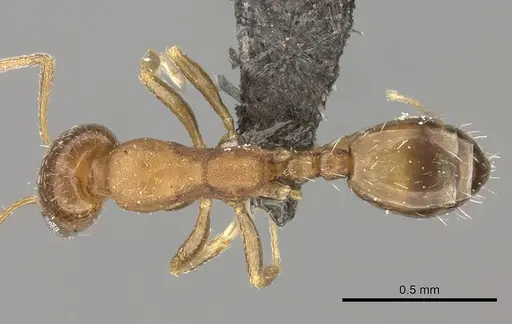
CASENT0252688
View on AntWeb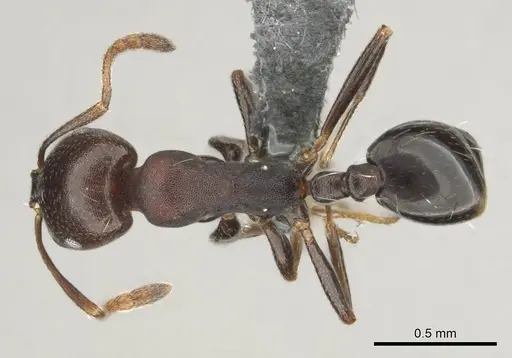
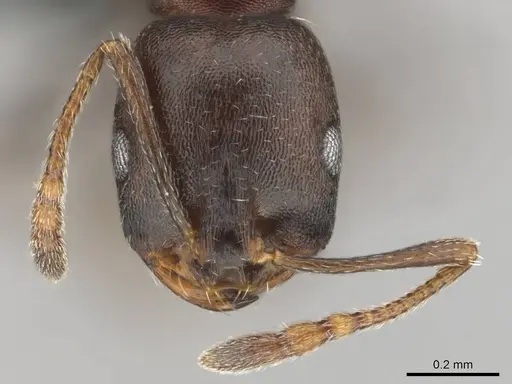
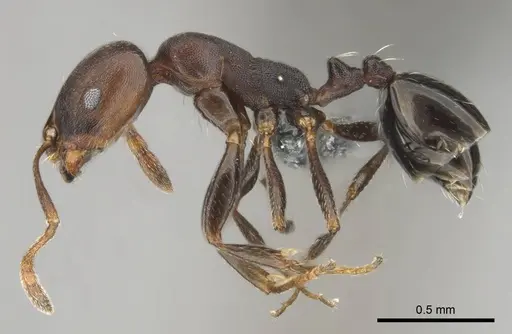
CASENT0902196
View on AntWeb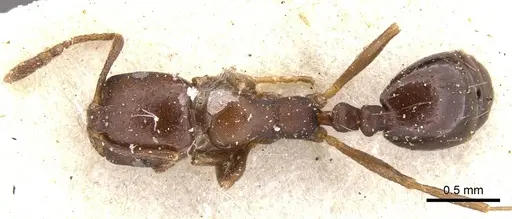
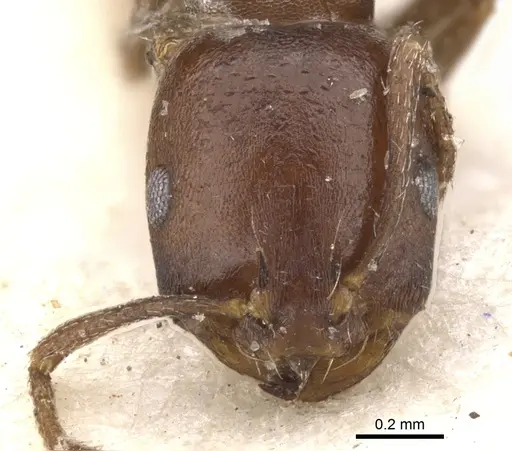
CASENT0902197
View on AntWeb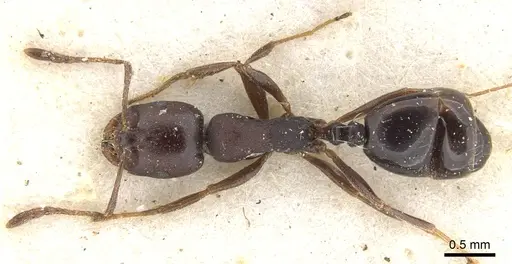
CASENT0908737
View on AntWeb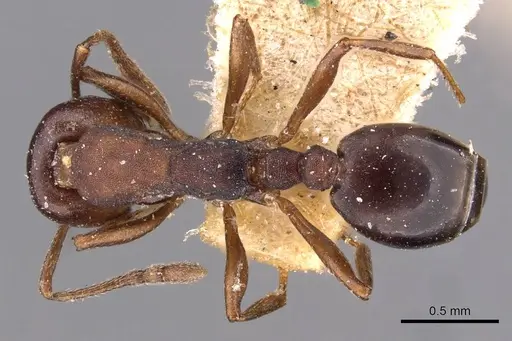
CASENT0908738
View on AntWeb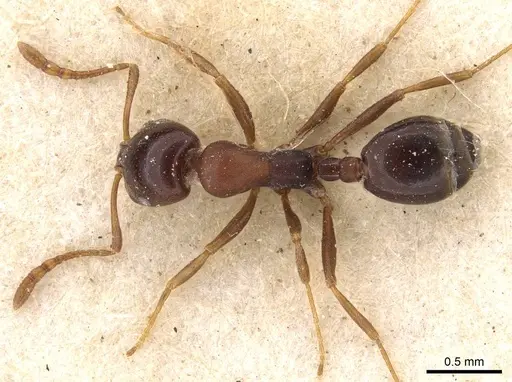
FOCOL1740
View on AntWeb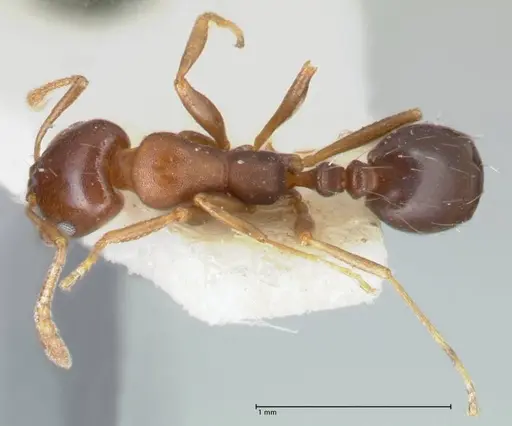
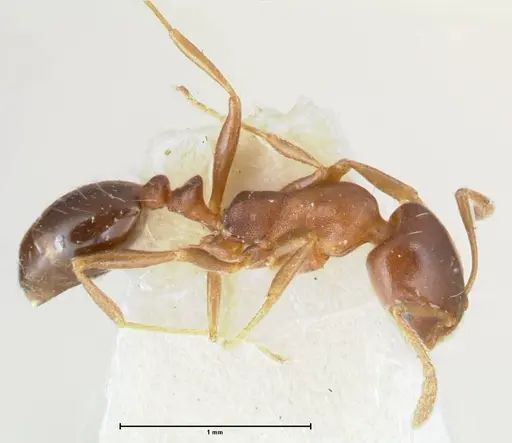
FOCOL1741
View on AntWeb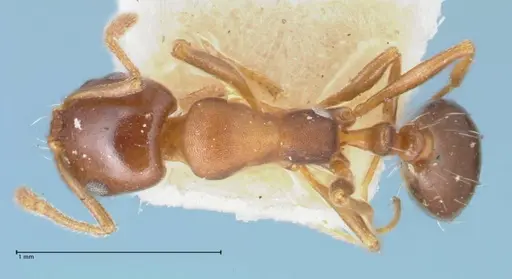
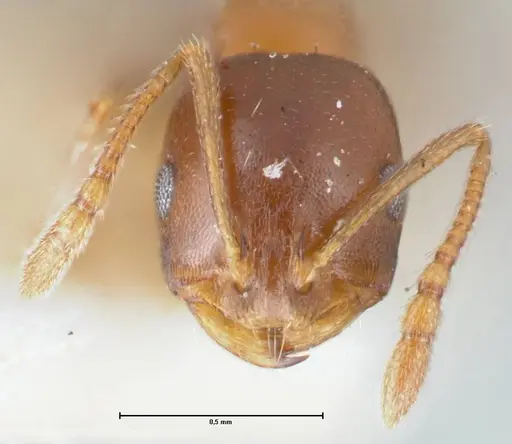
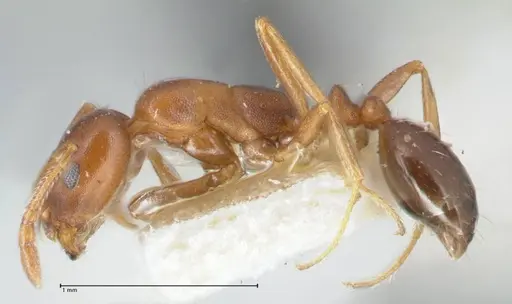
Literature
Loading distribution map...Loading products...