
Monomorium crawleyi
- Sci. Name
- Monomorium crawleyi
- Tribe
- Solenopsidini
- Subfamily
- Myrmicinae
- Author
- Santschi, 1930
- Distribution
- Found in 2 countries
Introduction
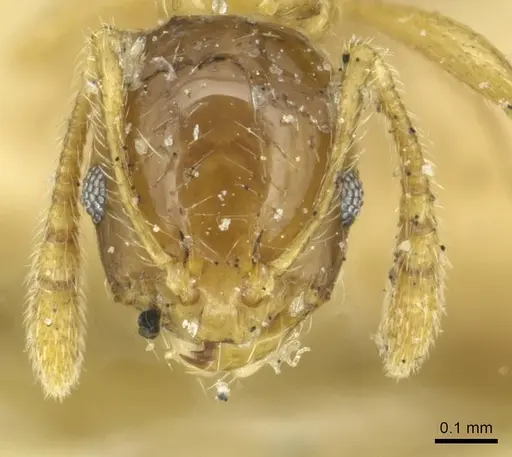
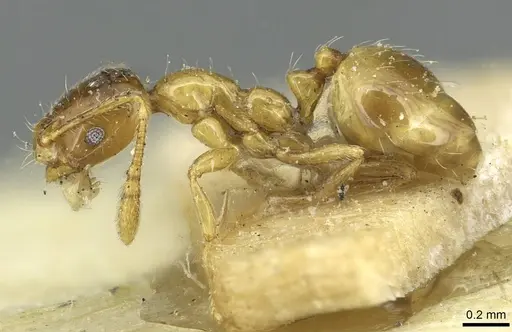
Monomorium crawleyi is a tiny yellow ant species native to the Afrotropical region, specifically found in Ethiopia and Rwanda. Workers measure 2.3-2.4mm in total length, making them one of the smaller ant species kept in captivity. They belong to the Monomorium monorium species group (schultzei complex) and are recognized by their distinctive alitrunk shape and relatively large propodeal spiracle. The species was described by Santschi in 1930 from specimens collected in the Djem-Djem Forest of Ethiopia at approximately 2400m elevation. In the wild, they have been found nesting in dead parts of Euphorbia plants, suggesting they prefer dry, plant-based nesting sites. This is a rarely kept species in the antkeeping hobby with limited available care information.
Quick Summary
- Difficulty: Medium, limited care data available
- Origin & Habitat: Afrotropical region, Ethiopia and Rwanda. Found in highland forest at elevations around 2400m in Ethiopia, and in tropical rainforest sites in Rwanda (Kitabi, Igishigishigi, Karamba) [1][2].
- Colony Type: Colony structure is unconfirmed. Based on genus patterns, likely single-queen (monogyne) colonies, though this has not been directly documented.
- Size & Growth:
- Queen: Size data unavailable, no documented measurements for this species
- Worker: 2.3-2.4mm total length [1]
- Colony: Unknown, likely small colonies typical of the genus
- Growth: Unknown
- Development: Unconfirmed, no specific development data exists for this species (No direct development data exists for this species.)
- Antkeeping:
- Temperature: Based on their Ethiopian highland origin (2400m elevation), they likely prefer cooler conditions than typical tropical ants. Start around 20-24°C and observe colony activity.
- Humidity: Moderate humidity likely preferred given their forest habitat in Rwanda. Keep nest substrate lightly moist but not waterlogged, with some drier areas available.
- Diapause: Unknown, highland origin suggests they may tolerate cooler winter conditions, but specific diapause requirements are unconfirmed.
- Nesting: In the wild, they have been found nesting in dead Euphorbia plant material, a dry, plant-based substrate. In captivity, a small test tube setup or Y-tong nest with tight chambers scaled to their tiny size works well.
- Behavior: Behavior is not well documented. As a small Monomorium species, they are likely generalist foragers that scavenge and collect honeydew. Their tiny size means escape prevention is critical, they can squeeze through very small gaps. Handle with care as they may be easily crushed. Like other Myrmicinae, they possess a stinger but their small size makes them unlikely to penetrate human skin effectively.
- Common Issues: tiny size makes escape likely without fine mesh barriers and tight-fitting lids, limited available care information means keepers must adapt from related species, wild-caught colonies may have unknown parasites or health issues, small colony size means they are sensitive to disturbance during founding, highland origin suggests temperature sensitivity, avoid overheating
Nest Preferences and Housing
Monomorium crawleyi has been collected from dead Euphorbia plant material in Ethiopia, suggesting they naturally nest in dry, pithy plant stems or similar cavities. In captivity, provide a small, snug nest with chambers appropriately sized for their tiny workers. Test tube setups work well for founding colonies, while Y-tong nests with narrow passages suit established colonies. Avoid large, open formicaria designed for bigger ants, these tiny ants can feel exposed and stressed in oversized spaces. Ensure the nest has some darkness and privacy, as they likely prefer dim conditions similar to their forest floor habitat. Escape prevention is essential due to their minute size, use fine mesh barriers and check all connections regularly. [1]
Feeding and Diet
Like other Monomorium species, these ants are likely generalist feeders that accept both sugar sources and protein. Offer sugar water or honey water as a constant energy source. For protein, small live prey such as fruit flies, pinhead crickets, or small mealworms are appropriate given their tiny worker size. They may also collect honeydew if you have aphids on plants. Feed small amounts of protein 2-3 times per week, removing any uneaten prey after 24 hours. Because of their small size, even tiny prey items represent significant meals, avoid overfeeding which can lead to mold issues in the nest.
Temperature and Seasonal Care
This species comes from high-altitude Ethiopian forests (around 2400m elevation), suggesting they prefer cooler temperatures than typical tropical ants. Aim for a temperature range of 20-24°C in the nest area. A heating cable on one side of the nest can create a gentle gradient, but monitor carefully as overheating can be fatal. Room temperature in many homes may be suitable if it falls within this range. Specific diapause requirements are unknown, but their highland origin suggests they may tolerate cooler winter conditions. If your colony shows reduced activity in winter, reduce feeding and avoid disturbing them. Do not assume they need hibernation like temperate species, their native climate is milder year-round. [1]
Defense Mechanism
Like other members of the subfamily Myrmicinae and tribe Solenopsidini, Monomorium crawleyi possesses a stinger. They can inject venom composed of piperidine alkaloids to hunt prey and defend the colony. However, their tiny worker size (2.3-2.4mm) means they would be unable to penetrate human skin effectively, they are not considered dangerous to humans.
Behavior and Handling
Detailed behavior observations for Monomorium crawleyi are limited in scientific literature. As a small Myrmicinae species, they likely exhibit typical ant behaviors: workers forage individually, tend aphids for honeydew, and may defend their nest if threatened. Their tiny size makes them vulnerable, handle nests gently and avoid sudden movements that could crush workers. When observing your colony, watch for foraging activity patterns and how workers respond to food offerings. Each colony may develop its own unique behaviors over time.
Frequently Asked Questions
How long does it take for Monomorium crawleyi to produce first workers?
The exact development timeline is unconfirmed for this species. Based on related Monomorium species, expect approximately 6-10 weeks from egg to first worker at optimal temperature (around 20-24°C). Patience is key during the founding stage, do not disturb the queen unnecessarily.
What do Monomorium crawleyi ants eat?
They likely accept both sugar and protein foods. Offer sugar water or honey water as a constant carbohydrate source. For protein, small live prey like fruit flies, small mealworms, or pinhead crickets work well. Feed protein 2-3 times per week in small amounts.
Can I keep Monomorium crawleyi in a test tube setup?
Yes, test tubes work well for this tiny species, especially during colony founding. Ensure the water reservoir is appropriately sized and the cotton is packed tightly to prevent flooding. Once the colony grows beyond 20-30 workers, consider moving to a small Y-tong nest with properly scaled chambers.
What temperature do Monomorium crawleyi ants need?
Based on their Ethiopian highland origin, they prefer cooler conditions than many tropical ants. Keep them at 20-24°C. A gentle temperature gradient allows workers to regulate their own conditions. Avoid temperatures above 28°C.
How big do Monomorium crawleyi colonies get?
Colony size is not well documented. Based on similar Monomorium species, colonies likely reach several hundred workers at maximum. They are not among the largest ant species, so expect moderately sized colonies.
Are Monomorium crawleyi good for beginners?
This species is rarely kept in the antkeeping hobby, and limited care information exists. While not inherently difficult, the lack of established care guides means keepers must be prepared to adapt and observe their colony closely. Consider starting with more common species if you are new to antkeeping.
Do Monomorium crawleyi need hibernation?
Diapause requirements are unconfirmed for this species. Their highland Ethiopian origin suggests they may tolerate cooler winter conditions, but they likely do not require true hibernation like temperate species. Monitor your colony's activity and adjust care seasonally if needed.
Why are my Monomorium crawleyi escaping?
Their tiny size means they can squeeze through remarkably small gaps. Use fine mesh barriers (at least 0.5mm mesh or tighter), ensure all lid connections are tight, and check for any tiny gaps in your setup. Escape prevention must be excellent for this species.
Can I keep multiple queens together?
Colony structure is unconfirmed for this species. Combining unrelated queens has not been documented and is not recommended. If you obtain a multi-queen colony, monitor closely for aggression and separate if needed.
Report an Issue
The current care sheet is based fully on literature. See inconsistencies, or something that's incorrect? Please , it will be resolved after review from an admin. Contributing to the blogs tab also helps providing information, to make us be able to further improve the caresheets. Thank you for your support!
References

This caresheet is licensed under CC BY-SA 4.0 .
Community Blogs
CASENT0902233
View on AntWeb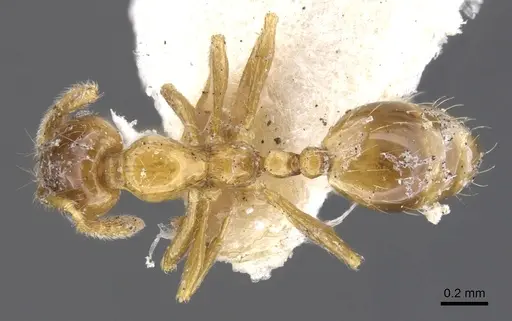
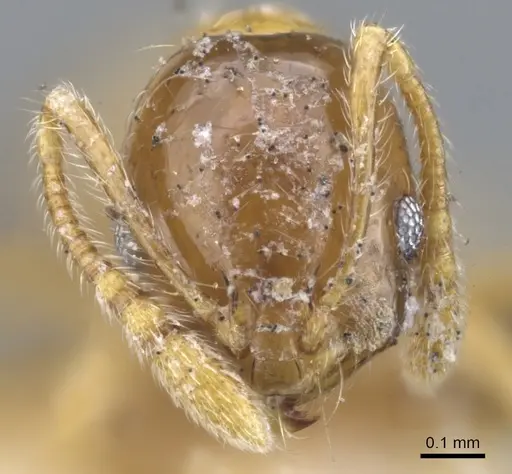
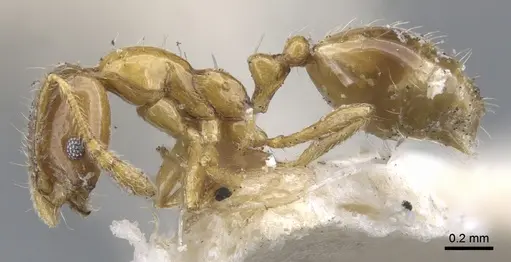
CASENT0913569
View on AntWeb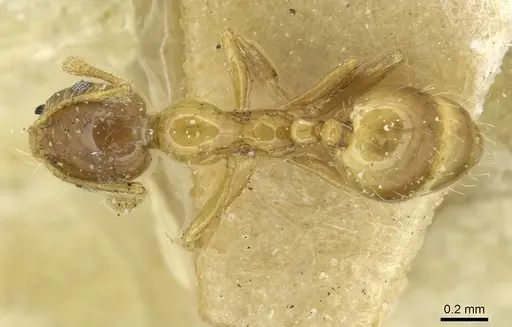
Literature
Loading distribution map...Loading products...