
Monomorium brasiliense
- Sci. Name
- Monomorium brasiliense
- Tribe
- Solenopsidini
- Subfamily
- Myrmicinae
- Author
- Forel, 1908
- Distribution
- Found in 1 countries
Introduction
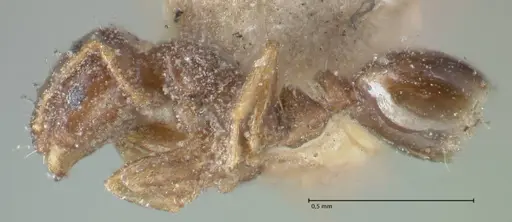
Monomorium brasiliense is a small to moderate-sized ant native to Brazil, originally described in 1908 from Rio de Janeiro specimens. Workers are relatively small but robust for the genus, with the typical Monomorium body shape featuring a distinct two-segmented petiole and a rounded gaster. The species was initially classified as a subspecies of Monomorium minutum before being elevated to full species status. This ant inhabits the Neotropical region of Brazil, though there is speculation it may represent a tramp species inadvertently spread through human commerce. The genus belongs to the Solenopsidini tribe, whose members possess a sting capable of injecting piperidine alkaloid venom.
Quick Summary
- Difficulty: Medium
- Origin & Habitat: Native to Brazil, specifically the Rio de Janeiro region in the Neotropical zone. Natural habitat preferences are not well documented. [1][2]
- Colony Type: Colony structure is unconfirmed for this species.
- Size & Growth:
- Queen: Size data unavailable, no direct measurements exist for this species
- Worker: Moderate to large for the genus, inferred from Monomorium patterns [1]
- Colony: Unknown for this species
- Growth: Unknown
- Development: Unknown, no species-specific data available (Development time likely varies with temperature, as with related Monomorium species.)
- Antkeeping:
- Temperature: Keep nest area at 24-28°C. This is a tropical Brazilian species, so warmth is important. A heating cable on one side of the nest creates a suitable gradient.
- Humidity: Moderate to high humidity. Keep the nest substrate consistently moist but not waterlogged.
- Diapause: Unlikely, as a tropical species from Brazil, they probably do not require true hibernation.
- Nesting: Accepts most standard nest types. Y-tong (AAC) nests, plaster nests, or test tube setups work well. Provide damp substrate if using a naturalistic setup.
- Behavior: Workers are active foragers. Based on genus patterns, they are probably moderately aggressive when defending the nest. Escape risk is moderate due to their small size, use standard barriers. They likely use chemical trails to recruit nestmates to food sources.
- Common Issues: limited data means care requirements are not fully understood, monitor colony response closely, tropical species may decline if kept too cool, maintain warm temperatures year-round, small size makes escape prevention important, use fine mesh and tight-fitting lids, wild-caught colonies may carry parasites or diseases that can cause colony failure in captivity
Defense Mechanism
Monomorium brasiliense belongs to the Solenopsidini tribe, whose members possess a functional sting. They can inject venom composed primarily of piperidine alkaloids, used for hunting prey and defending the colony. For an ant of this small size, the sting is not considered dangerous to humans, though some discomfort may occur. [2]
Nest Preferences
Monomorium brasiliense originates from Brazil's warm, humid Neotropical environment. In captivity, they adapt well to various nest types. Y-tong (AAC) nests work well, the narrow chambers suit their small size and allow observation. Plaster nests or test tube setups are also suitable. If using a naturalistic setup, provide damp soil or sand substrate with some stones or pieces of wood for cover. The key is maintaining consistent moisture without flooding. Place the nest in a warm area of your setup, ideally with a temperature gradient so workers can choose their preferred microclimate. [1][2]
Feeding and Diet
Like most Monomorium species, M. brasiliense is likely a generalist feeder. Offer a varied diet including protein sources such as small insects like fruit flies, pinhead crickets, or mealworms. Carbohydrates in the form of sugar water, honey, or diluted maple syrup are typically accepted. In the wild, they probably forage for honeydew from aphids and scale insects. Feed protein several times per week and keep a sugar source available at all times. Remove uneaten prey after 24-48 hours to prevent mold.
Temperature and Seasonal Care
This is a tropical Brazilian species, so warmth is important for colony health. Keep the nest area at 24-28°C. Temperatures below 20°C may slow activity and affect brood development. A small heating cable or heat mat placed on one side of the nest creates a thermal gradient. Unlike temperate species, they do not require hibernation. However, avoid overheating, temperatures above 32°C can be harmful. Room temperature in most homes may be sufficient, but monitoring with a thermometer is recommended.
Behavior and Colony Dynamics
Monomorium brasiliense workers are active foragers that likely use chemical pheromone trails to recruit nestmates to food discoveries. They are probably moderate in aggression, willing to defend the nest but not particularly large or dangerous. Workers are small enough that they could potentially escape through small gaps, so check your setup regularly. The colony will grow over months to years, with the queen producing workers continuously. Watch for behavioral changes, healthy colonies should show consistent worker activity and brood at various stages.
Acquiring and Establishing Colonies
This species is not commonly available in the antkeeping hobby, so finding a colony may require connecting with specialized breeders or collectors. If you obtain a wild-caught colony, quarantine and observe it carefully for the first few weeks, wild colonies can carry parasites or diseases. For founding colonies, place the queen in a small test tube setup with water reservoir. Keep the setup warm and undisturbed until the first workers emerge. Do not disturb the queen during founding, stress can cause her to abandon or consume her brood.
Frequently Asked Questions
How long does it take for Monomorium brasiliense to produce first workers?
This is unknown, no species-specific development data exists. Related Monomorium species typically require several weeks from egg to worker at optimal temperatures.
What temperature do Monomorium brasiliense ants need?
Keep them warm at 24-28°C. This is a tropical Brazilian species that thrives in warmth. A heating cable on part of the nest creates a gradient. Avoid temperatures below 20°C for extended periods.
What do Monomorium brasiliense ants eat?
They are generalist feeders. Offer small insects for protein, and sugar water, honey, or maple syrup for carbohydrates. Feed protein several times per week with a constant sugar source available.
Can I keep multiple Monomorium brasiliense queens together?
Not recommended. While colony structure is not confirmed for this species, most Monomorium species are single-queen. Combining unrelated queens typically results in fighting.
Do Monomorium brasiliense need hibernation?
No. As a tropical species from Brazil, they do not require hibernation. Maintain warm temperatures year-round.
How big do Monomorium brasiliense colonies get?
Exact colony size is unknown for this species. Related Monomorium species can reach several hundred to a few thousand workers over several years.
Is Monomorium brasiliense a good species for beginners?
This species is not well-documented in the antkeeping hobby, making it more suitable for intermediate keepers who can adapt care based on colony behavior. The main challenges are maintaining warm temperatures and the limited available care information.
What size nest do Monomorium brasiliense need?
Start with a small setup for founding colonies. As the colony grows, transfer to a larger nest like a Y-tong or plaster formicarium. They do well in nests with narrow chambers scaled to their small size.
Why are my Monomorium brasiliense dying?
Common causes include: temperatures too cool, improper humidity, stress from disturbance during founding, parasites from wild-caught colonies, or insufficient food. Review temperature, humidity, and feeding. If the colony was wild-caught, parasites are a likely cause.
Report an Issue
The current care sheet is based fully on literature. See inconsistencies, or something that's incorrect? Please , it will be resolved after review from an admin. Contributing to the blogs tab also helps providing information, to make us be able to further improve the caresheets. Thank you for your support!
References

This caresheet is licensed under CC BY-SA 4.0 .
Community Blogs
CASENT0908705
View on AntWeb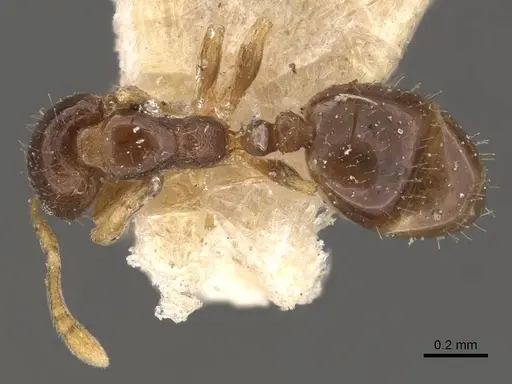
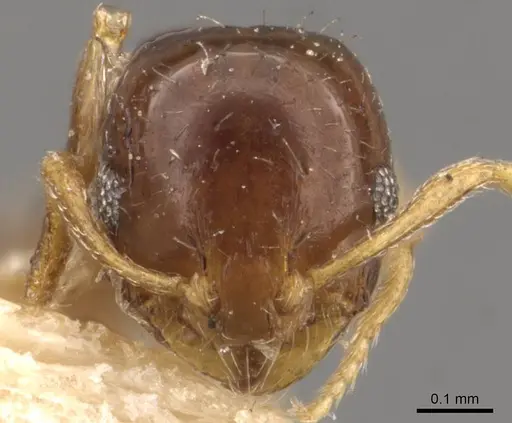
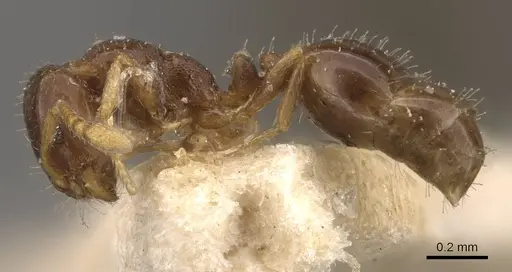
FOCOL1691
View on AntWeb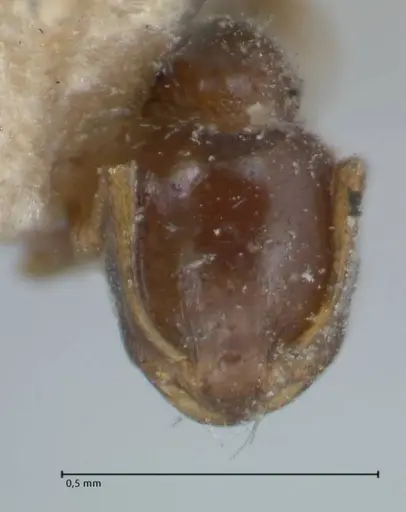
Literature
Loading distribution map...Loading products...