
Monomorium annamense
- Sci. Name
- Monomorium annamense
- Tribe
- Solenopsidini
- Subfamily
- Myrmicinae
- Author
- Donisthorpe, 1941
- Distribution
- Found in 1 countries
Introduction
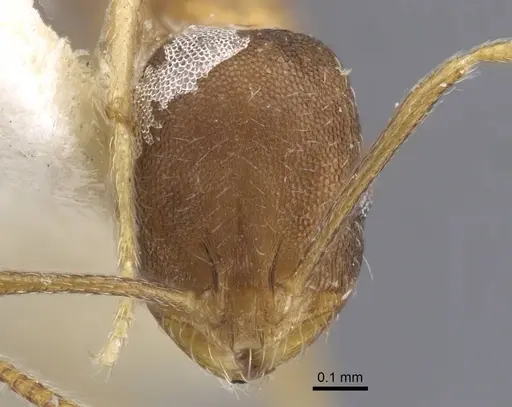
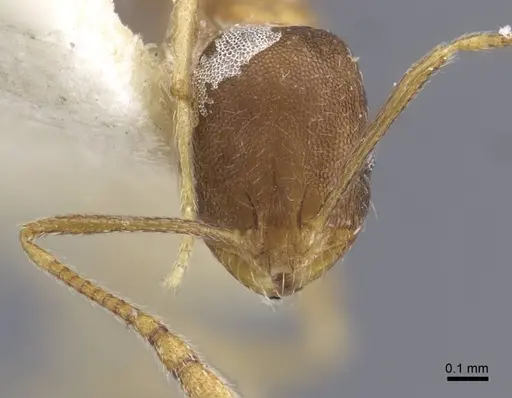
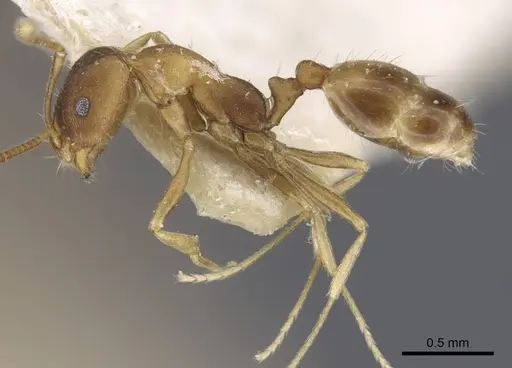
Monomorium annamense is a small ant species in the Myrmicinae subfamily, tribe Solenopsidini. Originally described as Monomorium longiceps in 1935 from Vietnam, it was renamed in 1941 when the name was found to be already in use. Workers were collected from Lang Biang mountain near Da Lat at 1500m elevation. This species remains poorly documented with limited research on its biology, behavior, or captive care requirements.
Quick Summary
- Difficulty: Unknown
- Origin & Habitat: Da Lat region in the Vietnamese highlands at approximately 1500m elevation, part of the Indomalaya region. The area has a tropical highland climate with distinct wet and dry seasons [1]. The species is restricted to the monsoonal zone [2].
- Colony Type: Colony structure is unconfirmed. No data on whether this species is single-queen or multi-queen.
- Size & Growth:
- Queen: Size data unavailable, no measurements for this species
- Worker: Size data unavailable, only the original worker type specimens were described without measurements [1]
- Colony: Unknown, no colony size data available
- Growth: Unknown
- Development: Unknown, development timeline has not been documented for this species (Development timeline is unconfirmed.)
- Antkeeping:
- Temperature: Based on the type locality in the Vietnamese highlands at 1500m elevation, they likely prefer moderate temperatures. Start around 24-26°C and observe colony activity.
- Humidity: Unknown for this specific species. The Da Lat region is humid tropical highlands. Keep nest substrate moderately moist, damp but not waterlogged. Provide a moisture gradient so ants can choose their preferred spot.
- Diapause: Unknown, no research on overwintering requirements. The Vietnamese highlands may experience cooler temperatures seasonally.
- Nesting: Unknown, no documented nesting preferences for this species. Many Monomorium species nest in soil or under stones. A naturalistic setup with soil or a Y-tong/plaster nest with moderate moisture would be a reasonable starting point.
- Behavior: Behavior is unconfirmed. The genus Monomorium includes both peaceful and moderately aggressive species. Most are generalist foragers that scavenge for small insects, honeydew, and seeds. This is a small ant species, so escape prevention should be practiced. As a member of Solenopsidini, this species has a sting mechanism using piperidine alkaloids, though the potency against humans is unknown.
- Common Issues: lack of documented care information makes proper husbandry difficult, no confirmed temperature or humidity requirements, keepers must experiment, colony structure unknown, uncertain if single or multiple queens, development timeline unknown, difficult to assess if colony is progressing normally, size data unavailable, cannot provide accurate measurements for housing or feeding
Species Background and Nomenclature
Monomorium annamense has a complicated taxonomic history. It was first described as Monomorium annamense by Karavaiev in 1935 from worker specimens collected in Vietnam (then French Indochina). However, the name longiceps was already in use, Wheeler had described a different ant species with that name in 1934. When this junior primary homonym was discovered, Donisthorpe renamed the Vietnamese species to annamense in 1941. The species name refers to Annam, the historical name for central Vietnam. Type specimens were collected from Lang Biang mountain near Dalat at 1500m elevation. [1]
Known Distribution
This species is known only from Vietnam, specifically the highland region around Da Lat in southern Vietnam. The type locality at 1500m elevation gives clues about their potential climate preferences, higher elevation means cooler temperatures than lowland tropical areas. The region experiences a tropical highland climate with monsoonal patterns, distinct wet season from May through November and dry season from December through April. The species is listed as restricted to the monsoonal zone [2].
Care Considerations
Because this species has almost no documented care information, keepers will need to rely on general Monomorium husbandry and make educated guesses based on the type locality. Start with moderate temperatures around 24-26°C and moderately humid conditions. Use a test tube setup for founding colonies, transitioning to a formicarium once the colony reaches a stable number of workers. Since exact requirements are unknown, observe colony behavior closely, if workers cluster in cooler or warmer areas, adjust accordingly. This is a species for experienced keepers comfortable with experimentation.
Defense Mechanism
As a member of the tribe Solenopsidini, Monomorium annamense possesses a sting mechanism. The venom is composed primarily of piperidine alkaloids, used for hunting prey and defending the colony. The potency of this venom against humans is unknown for this specific species.
Frequently Asked Questions
How do I care for Monomorium annamense ants?
Care requirements are not well documented for this species. Based on the type locality in the Vietnamese highlands, start with moderate temperatures around 24-26°C and moderately humid nest conditions. Use a standard setup (test tube for founding, formicarium for established colonies) and adjust based on observed colony behavior.
What do Monomorium annamense ants eat?
Diet is unconfirmed for this species. Most Monomorium are generalist scavengers that eat small insects, honeydew, and occasionally seeds. Offer small live prey and sugar sources. Adjust based on what your colony accepts.
How long does it take for Monomorium annamense to produce first workers?
The egg-to-worker development timeline is unknown for this species. No specific data is available.
Do Monomorium annamense ants need hibernation?
Diapause requirements are unknown. The Vietnamese highlands at 1500m elevation may experience seasonal temperature changes, but there is no research on whether this species requires a winter rest period.
Are Monomorium annamense ants aggressive?
Behavior and temperament are unconfirmed. Most Monomorium species are not particularly aggressive but will defend their nest if threatened. This species is too poorly documented to provide accurate behavior information.
Can I keep multiple Monomorium annamense queens together?
Colony structure is unconfirmed. We do not know if this species is single-queen or multi-queen. Do not combine unrelated foundress queens unless you are prepared for potential fighting.
What size colony does Monomorium annamense reach?
Maximum colony size is unknown. No research has documented colony sizes for this species in the wild or captivity.
Is Monomorium annamense a good species for beginners?
This species is not recommended for beginners due to the complete lack of documented care information. The keeper will essentially be experimenting with husbandry. Experienced keepers comfortable with trial-and-error may attempt to keep this species.
Where is Monomorium annamense found?
This species is known only from the Da Lat region in southern Vietnam, at approximately 1500m elevation in the Vietnamese highlands.
Report an Issue
The current care sheet is based fully on literature. See inconsistencies, or something that's incorrect? Please , it will be resolved after review from an admin. Contributing to the blogs tab also helps providing information, to make us be able to further improve the caresheets. Thank you for your support!
References

This caresheet is licensed under CC BY-SA 4.0 .
Community Blogs
CASENT0916995
View on AntWeb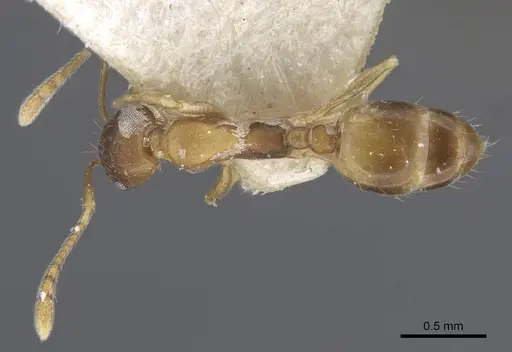
Literature
Loading distribution map...Loading products...