
Monomorium afrum
- Sci. Name
- Monomorium afrum
- Tribe
- Solenopsidini
- Subfamily
- Myrmicinae
- Author
- André, 1884
- Distribution
- Found in 18 countries
Introduction
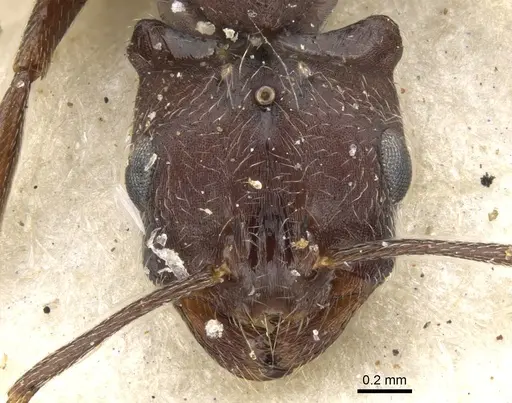
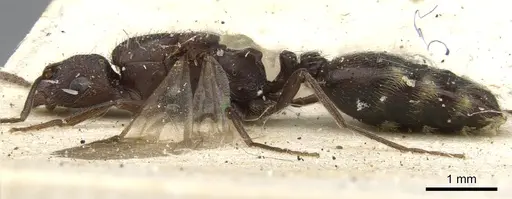
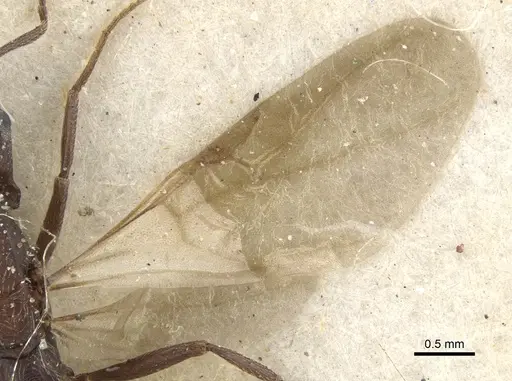
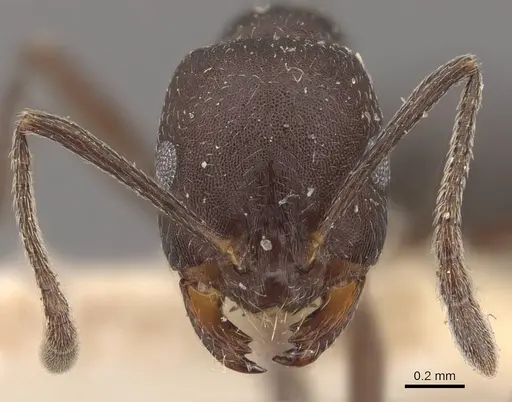
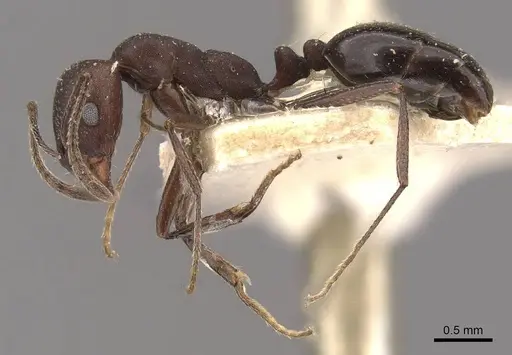
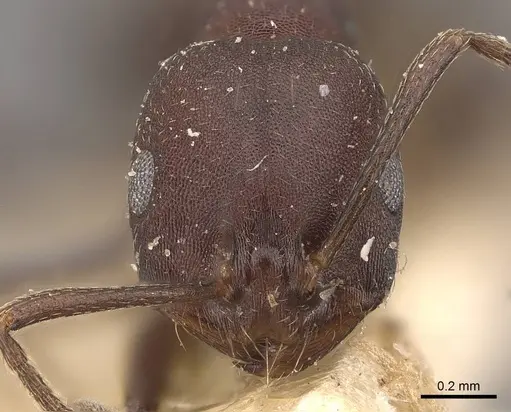
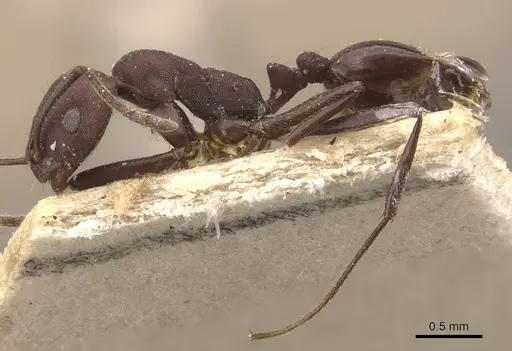
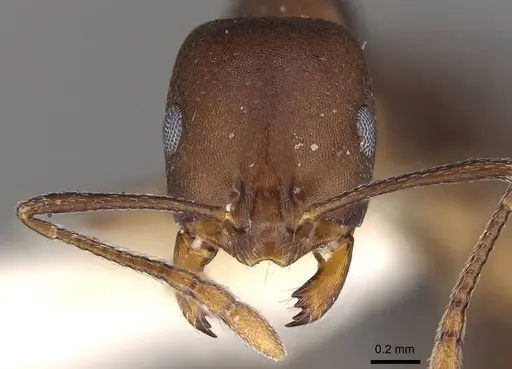
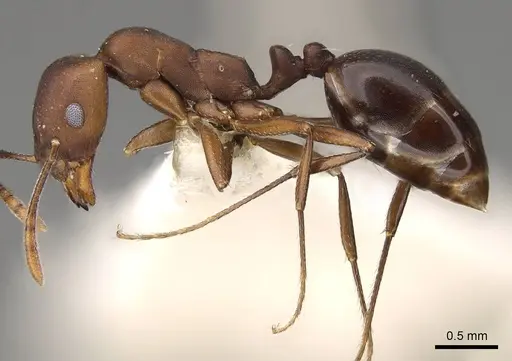
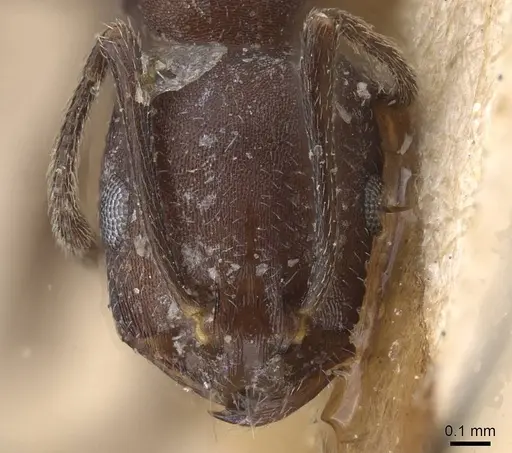
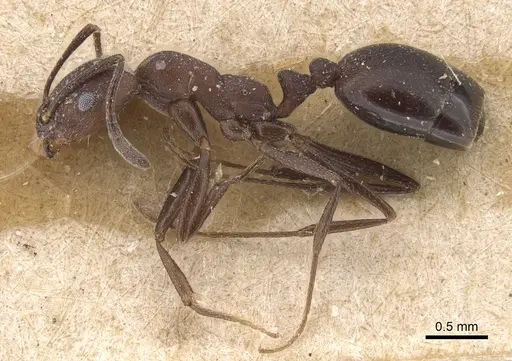
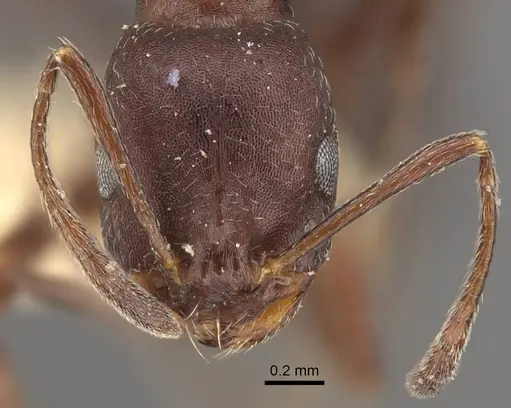
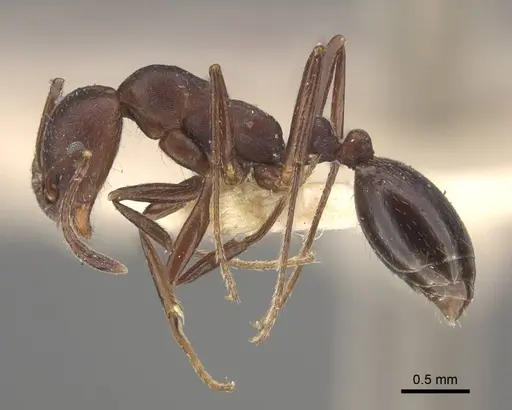
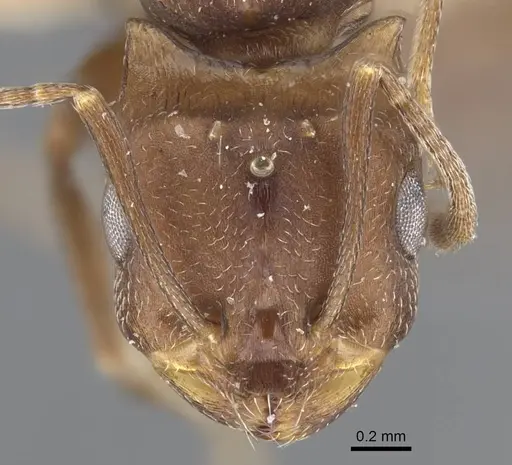
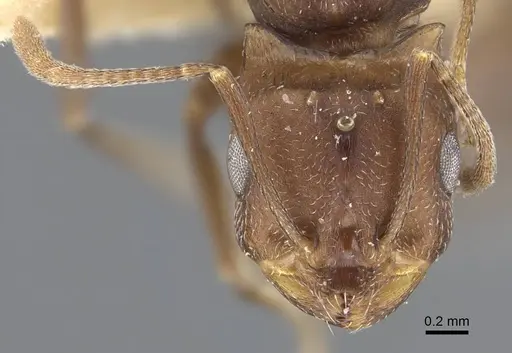
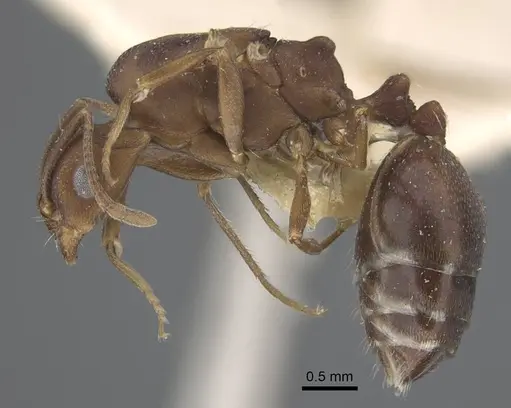
Monomorium afrum is a small, dark brown ant with workers measuring 3.6-4.3 mm in total length . It belongs to the Myrmicinae subfamily and Solenopsidini tribe. This species is part of the Monomorium salomonis species group and is easily identified by the unique shape of its posteroventral occipital angles, which are prominent and acute rather than broadly convex . It is widely distributed across subsaharan Africa and the Arabian Peninsula, from Senegal and Gambia in the west through the Sahel to East Africa and down to South Africa . Workers are a uniform medium to dark brown, sometimes with a darker gaster. Colonies are ground-nesting, forming populous nests in exposed, sunny soil locations . The female shows modifications characteristic of socially parasitic species and may found new colonies through temporary social parasitism .
Quick Summary
- Difficulty: Medium
- Origin & Habitat: Native to the Sahel and East Africa, found across Benin, Burkina Faso, Central African Republic, Democratic Republic of Congo, Eritrea, Ethiopia, Gambia, Ghana, Ivory Coast, Kenya, Nigeria, Rwanda, Sudan, Tanzania, Zimbabwe, and also in Saudi Arabia [1][4]. Inhabits savannah environments and does not enter dense rainforest [5]. Commonly found in mango orchards, near rivers, and associated with Acacia and Terminalia trees [1]. Ground-nesting species that builds populous colonies in exposed, sunny soil locations [1].
- Colony Type: Colony structure is not fully documented. The queen shows morphological modifications similar to socially parasitic species, suggesting flexible founding strategies including temporary social parasitism [1]. Whether colonies are monogyne or polygyne is unknown. Colonies are known to be populous, with multiple chambers in soil nests.
- Size & Growth:
- Queen: Size data unavailable, queen not measured in available literature.
- Worker: 3.6-4.3 mm [1]
- Colony: Populous colonies with several hundred workers or more, based on ground-nesting savannah species patterns [1]
- Growth: Moderate, slow initially due to potential parasitic founding, then faster once established.
- Development: Estimated 5-8 weeks at 26°C based on genus patterns (species-specific data unavailable) (Development time is inferred from typical Monomorium patterns as species-specific data is not available)
- Antkeeping:
- Temperature: Keep at 24-28°C, these are tropical/subtropical ants from warm African climates. Room temperature (22-25°C) is suitable, but a slight heat gradient benefits brood development. Avoid prolonged exposure below 20°C
- Humidity: Moderate humidity around 50-70%. As a ground-nesting species of exposed sunny areas, they prefer drier conditions than forest-dwelling ants. Allow substrate to dry partially between waterings, and provide a moisture gradient so ants can choose their preferred zone.
- Diapause: No, being a tropical/subtropical species from central Africa, they do not require hibernation. Maintain warm temperatures year-round.
- Nesting: Ground-nesting species that prefers sunny, exposed locations. In captivity, a Y-tong (AAC) nest with sand or soil substrate works well, or a plaster nest with chambers. Provide a moisture gradient so ants can choose their preferred humidity. Test tube setups work for founding colonies, but transition to a more naturalistic setup as the colony grows.
- Behavior: Workers are moderately active and forage both individually and in groups. The species is an opportunistic scavenger and predator, they appeared in large numbers at a bird carcass in one observation [1]. They likely also engage in active predation when possible. Workers have a functional sting (typical of Solenopsidini) and will defend their nest. Escape risk is moderate due to small size, use standard barrier methods. Founds by temporary social parasitism, which requires careful management in captivity.
- Common Issues: tropical species requires consistent warmth, cold temperatures below 20°C can slow or stop brood development, founding through temporary social parasitism adds complexity, queens may fail without a suitable host colony, small colony size at founding means vulnerable to stress and should be left undisturbed, small workers (under 5 mm) can escape through tiny gaps, ensure tight sealing, ground-nesting species needs appropriate nesting material, they may not accept fully artificial nests without soil/sand substrate, opportunistic scavenging means they readily accept protein but avoid overfeeding which can cause mold
Housing and Nest Setup
Monomorium afrum is a ground-nesting species that naturally forms colonies in soil, typically in exposed sunny locations [1]. For captive care, provide a nest setup with appropriate substrate, a Y-tong (AAC) nest filled with a sand/soil mix works well, or a plaster nest with chambers. Test tube setups are suitable for founding colonies, but because founding involves temporary social parasitism, you may need to provide workers from a host colony (unknown which species) to help the queen establish. The key is providing a moisture gradient so workers can regulate their own humidity by moving between wetter and drier areas. Since they come from sunny, exposed habitats, they tolerate and prefer drier conditions compared to forest-dwelling ants. A simple outworld for foraging completes the setup. Ensure escape prevention is adequate, their small size means they can slip through small gaps.
Feeding and Diet
This species is an opportunistic scavenger and predator. In the wild, they have been observed feeding voraciously on carrion, Wheeler (1922) recorded them appearing in large numbers at a bird carcass [1]. They likely supplement their diet with active predation on small invertebrates when available. In captivity, offer protein sources such as small insects (fruit flies, small crickets, mealworms), and provide sugar sources like honey water or sugar water. They are not specialized feeders and should accept a variety of foods. Feed small amounts 2-3 times per week for established colonies, removing any uneaten food within 24 hours to prevent mold. Founding colonies may be fed less frequently.
Temperature and Seasonal Care
As a species from tropical and subtropical Africa [5][4], Monomorium afrum requires warm conditions year-round. Maintain temperatures between 24-28°C for optimal colony health and brood development. They can tolerate brief periods slightly above or below this range but should not be exposed to temperatures below 20°C for extended periods. No hibernation or diapause is required, these are active year-round ants from warm climates. Room temperature within the low-to-mid 20s°C is typically suitable. If your room is cooler, a small heating cable on one side of the nest can provide additional warmth. Avoid placing the entire nest on heating as excessive heat can dry out the substrate and stress the colony.
Colony Development
Workers measure 3.6-4.3 mm, making this a small but not tiny ant species [1]. Colonies are described as populous in the wild, suggesting they can reach several hundred workers with good care. Development from egg to worker is estimated at 5-8 weeks at optimal temperatures based on typical Monomorium genus patterns, though specific timing for this species has not been documented. The queen size is not recorded in available literature. Founding behavior is unique: the queen likely employs temporary social parasitism, meaning she may need to infiltrate a host colony of another Monomorium species [1]. This is challenging in captivity, you may need to provide workers from a suitable host. Once established, the colony will grow steadily. Be patient with founding colonies as they develop slowly at first.
Behavior and Temperament
Monomorium afrum workers are moderately active foragers with a scavenging lifestyle. They are not particularly aggressive toward keepers but will defend their nest if threatened. They have a functional sting (typical of Solenopsidini) and can deliver a mild venom. The species is known to host the myrmecophile beetle Cossyphodinus beccarii, which lives in their nests as a guest [6][7]. In the wild, they have been found in the stomach of toads (Bufo regularis) in Congo, indicating they are preyed upon by various predators [8]. Their small size and moderate activity level make them interesting to observe without being difficult to contain, but escape prevention is important.
Natural History
This species is widely distributed across subsaharan Africa and the Arabian Peninsula, making it one of the more common savannah ants in its range [2][3][4]. It is commonly found in agricultural areas including mango orchards and is associated with trees like Acacia gourmaensis and Terminalia laxiflora [1]. Unlike some forest-dwelling ants, M. afrum is a savannah species that does not enter dense rainforests [5]. The species was originally described by André in 1884 from Sudan [1] and has since been recorded across many African nations. It belongs to the Monomorium salomonis species group, which contains many similar-looking African and Middle Eastern species. The female shows morphological modifications similar to socially parasitic species, suggesting it may employ temporary social parasitism during colony founding [1]. This is important for keepers to consider when attempting to establish captive colonies.
Frequently Asked Questions
Is Monomorium afrum good for beginners?
This species is not recommended for beginners due to its likely temporary social parasitic founding strategy. The queen may require a host colony to establish, which adds complexity. If you can provide a suitable host species, they are otherwise hardy, non-aggressive, and do not require hibernation. Medium difficulty.
How long does it take for Monomorium afrum to produce first workers?
Based on typical Monomorium development patterns, expect 5-8 weeks from egg to first worker at optimal temperatures (around 26°C). This is an estimate as specific development timing for this species has not been documented. Founding colonies require patience, the queen will likely need a host colony to start.
What do Monomorium afrum ants eat?
They are opportunistic scavengers that accept both protein and sugar. Feed small insects like fruit flies, pinhead crickets, or mealworms 2-3 times weekly. Also provide sugar water or honey water as a constant carbohydrate source. They have been observed feeding on carrion in the wild [1].
What temperature do Monomorium afrum ants need?
Keep them at 24-28°C. These are tropical African ants that require warm conditions year-round [5][4]. Room temperature in the low-to-mid 20s°C is typically suitable. Avoid temperatures below 20°C for extended periods. No hibernation or winter cooling is required.
How big do Monomorium afrum colonies get?
Colonies are described as populous in the wild, with the potential to reach several hundred workers or more with good care. Workers measure 3.6-4.3 mm [1]. Growth rate is moderate, expect steady expansion over the first year or two.
Can I keep multiple Monomorium afrum queens together?
Not recommended. Colony structure is unconfirmed, and the species may be monogyne or polygyne. Since queens likely use temporary social parasitism, they may be aggressive toward each other. It is best to attempt single-queen colonies initially.
What type of nest is best for Monomorium afrum?
Ground-nesting species do best with nests that contain soil or sandy substrate. A Y-tong (AAC) nest filled with a sand/soil mix works well. Plaster nests with chambers are also suitable. Test tubes work for founding colonies but may need to be transitioned to a more naturalistic setup as the colony grows. Provide a moisture gradient for self-regulation.
Do Monomorium afrum ants need humidity?
Moderate humidity is suitable, around 50-70%. As a species from exposed sunny areas, they prefer drier conditions than forest-dwelling ants. Allow the substrate to dry partially between waterings. Provide a moisture gradient so workers can choose their preferred zone.
Where is Monomorium afrum native to?
This species is native across subsaharan Africa and the Arabian Peninsula. It is found in countries including Senegal, Gambia, Ghana, Ivory Coast, Nigeria, Benin, Burkina Faso, Sudan, Ethiopia, Kenya, Tanzania, Rwanda, Democratic Republic of Congo, South Africa, and Saudi Arabia [1][2][3][4]. It inhabits savannah environments and is commonly found in agricultural areas.
Report an Issue
The current care sheet is based fully on literature. See inconsistencies, or something that's incorrect? Please , it will be resolved after review from an admin. Contributing to the blogs tab also helps providing information, to make us be able to further improve the caresheets. Thank you for your support!
References

This caresheet is licensed under CC BY-SA 4.0 .
Community Blogs
CASENT0810817
View on AntWeb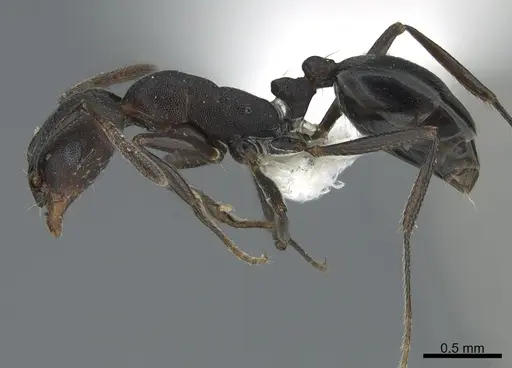
CASENT0902191
View on AntWeb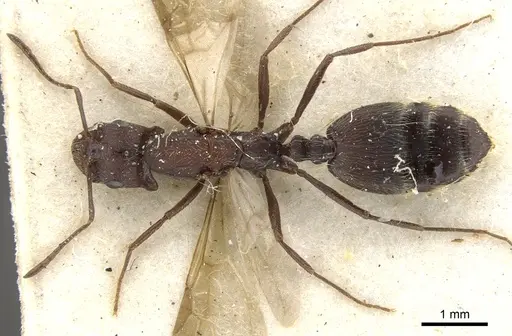
CASENT0908723
View on AntWeb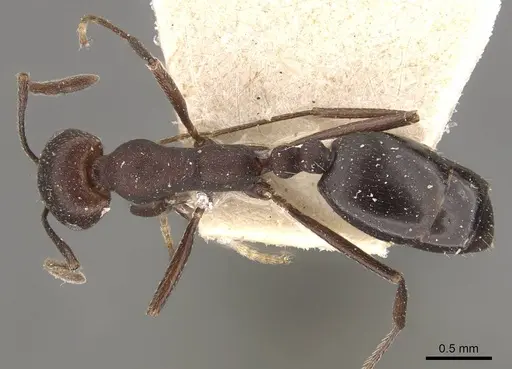
CASENT0908724
View on AntWeb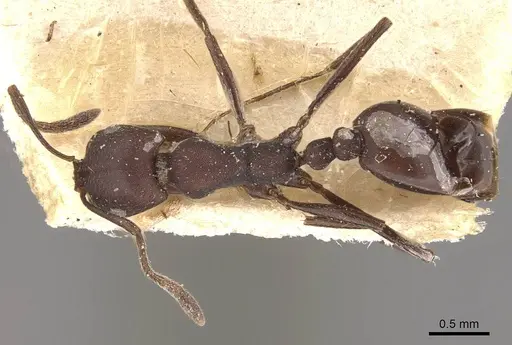
CASENT0914160
View on AntWeb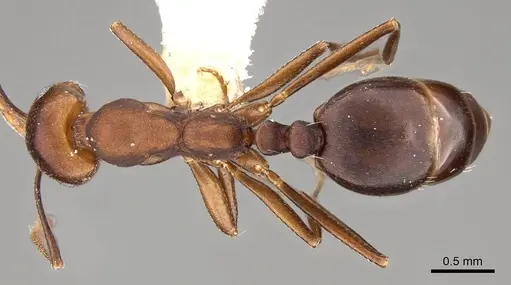
CASENT0915412
View on AntWeb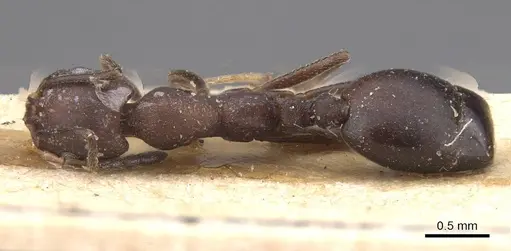
CASENT0916998
View on AntWeb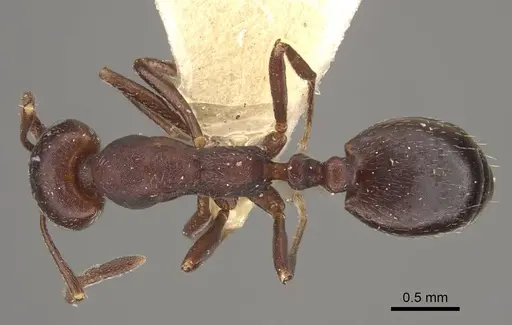
CASENT0916999
View on AntWeb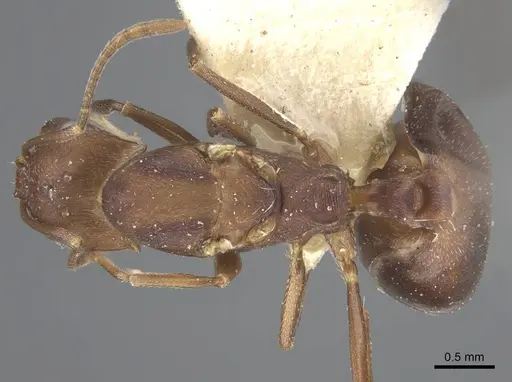
Literature
Loading distribution map...Loading products...