
Microdaceton exornatum
- Sci. Name
- Microdaceton exornatum
- Tribe
- Attini
- Subfamily
- Myrmicinae
- Author
- Santschi, 1913
- Distribution
- Found in 4 countries
Introduction
Microdaceton exornatum is an ant speciesof the genusMicrodaceton , belonging to the subfamily Myrmicinae and tribe Attini . It is documented in 4 countries , including Malawi, Mozambique, Tanzania .
Frequently Asked Questions
What kind of enclosure is best for Microdaceton exornatum?
For Microdaceton exornatum, a formicarium that replicates their natural leaf litter or subterranean nesting environment is ideal. Think acrylic or Ytong nests with excellent moisture retention. A naturalistic setup featuring a deep, moist substrate mix of sand and loam would also be a fantastic choice. The key is to provide a good humidity gradient and secure the setup, as these tiny ants can be quite adept at escaping.
What do Microdaceton exornatum eat?
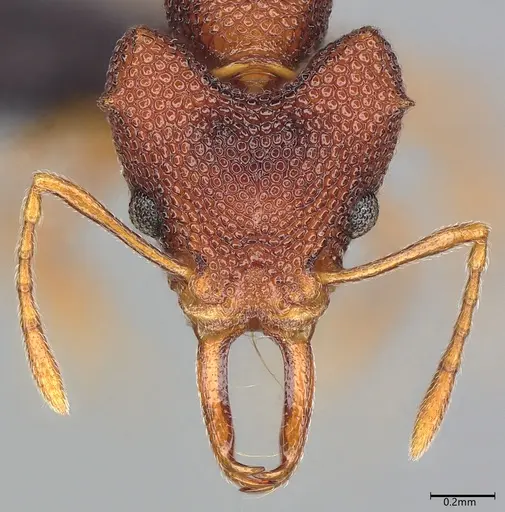
While specific dietary details for Microdaceton exornatum in captivity are sparse, their trap-jaw mandibles strongly suggest they are predatory. Focus on offering a variety of tiny live feeder insects, such as small springtails, fruit flies, or other minute arthropods. Supplement with a small amount of sugar water or honey solution to provide carbohydrates.
Are Microdaceton exornatum difficult to keep?
Microdaceton exornatum is rated as 'Medium' difficulty. This isn't because they're inherently fragile, but rather due to the limited information available on their specific care requirements. You'll need to be observant and willing to fine-tune conditions like humidity and diet. They’re a great choice for keepers looking for a rewarding challenge and to contribute to the antkeeping knowledge base.
Do Microdaceton exornatum sting?
No, Microdaceton exornatum are not known to sting. Their primary defense and hunting mechanism relies on their specialized trap-jaw mandibles, which are used to snap at prey rather than for stinging.
What is the typical colony size for Microdaceton exornatum?
Microdaceton exornatum colonies are generally considered small, likely reaching up to hundreds of individuals. They won't form massive supercolonies, making them a more manageable species for many ant keepers interested in observing unique ant behaviors.
How fast do Microdaceton exornatum colonies grow?
Colony growth for Microdaceton exornatum is typically slow. Patience is key when keeping these ants, as their colony will expand gradually. Consistent care and proper feeding will help ensure steady, albeit slow, development of the brood and increase in worker numbers.
Do Microdaceton exornatum need diapause?
No, Microdaceton exornatum do not require diapause. They originate from tropical and subtropical regions of Africa, where temperatures are consistently warm year-round, so a cooling period is not necessary for their life cycle.
How big do Microdaceton exornatum workers get?
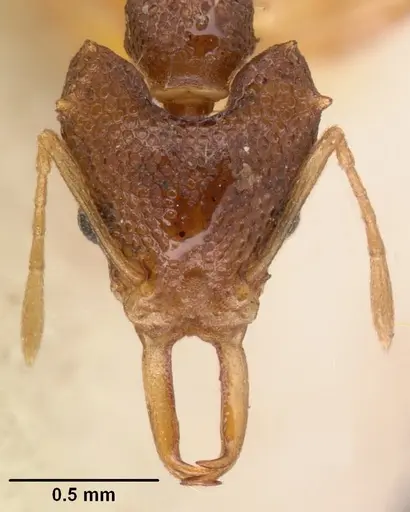
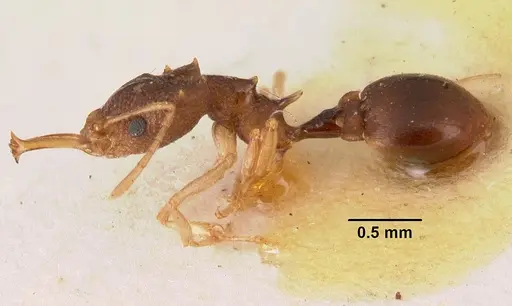
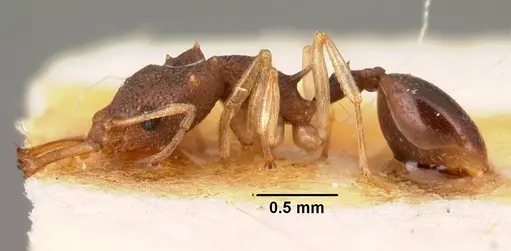
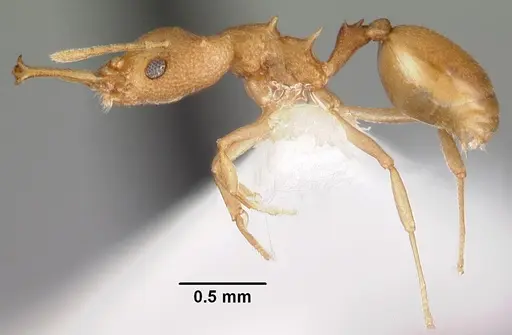
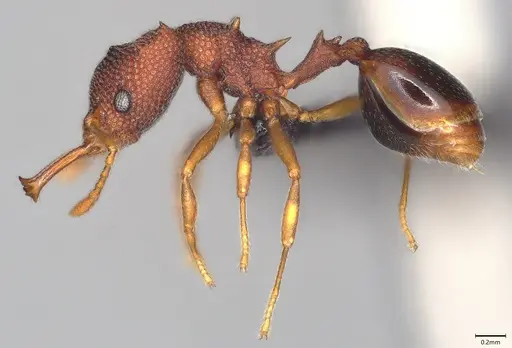
Microdaceton exornatum workers are quite small, typically measuring between 3.0 and 4.0 mm in length. This diminutive size contributes to their ability to navigate and thrive within leaf litter environments.
What is unique about Microdaceton exornatum?
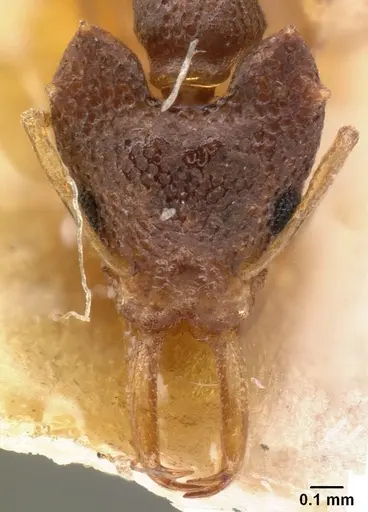
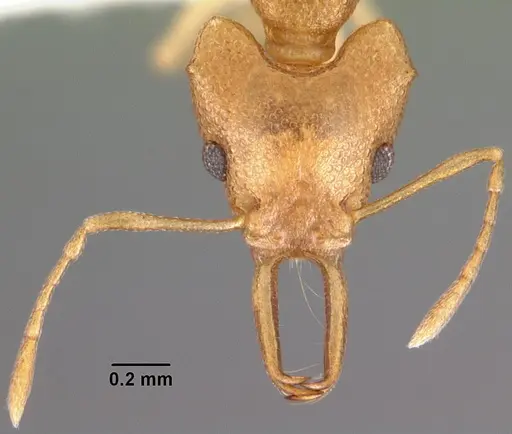
The most unique feature of Microdaceton exornatum is undoubtedly their trap-jaw mandibles. These highly specialized mouthparts can snap shut at incredible speeds, used for catching fast-moving prey. Additionally, their yellow coloration and the lack of standing hairs on certain body segments make them visually distinct among ant species.
Where can I find Microdaceton exornatum for sale?
Finding Microdaceton exornatum for sale can be challenging due to their specialized care and less common presence in the antkeeping hobby. You might have to search dedicated exotic ant retailers or look for private breeders. Availability can vary, so keeping an eye on antkeeping forums or specialized shops is your best bet.

This caresheet is licensed under CC BY-SA 4.0 .
Community Blogs
CASENT0101453
View on AntWeb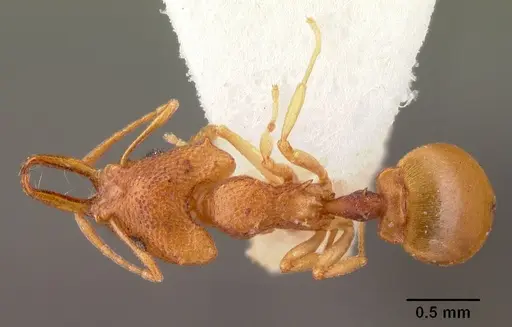
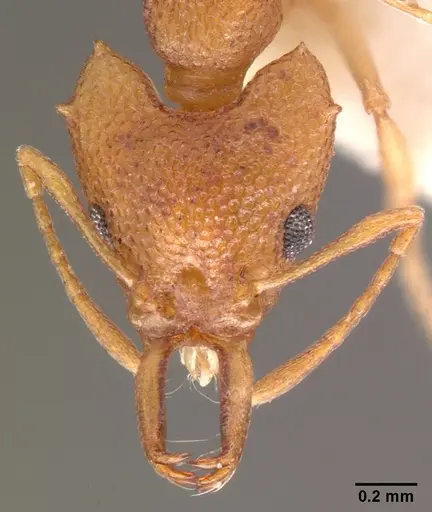
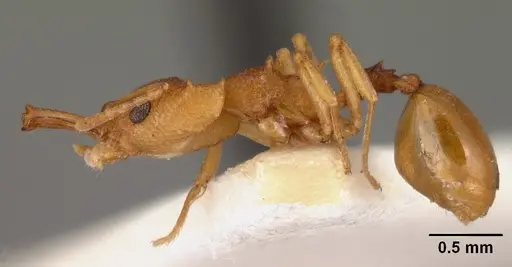
CASENT0101457
View on AntWeb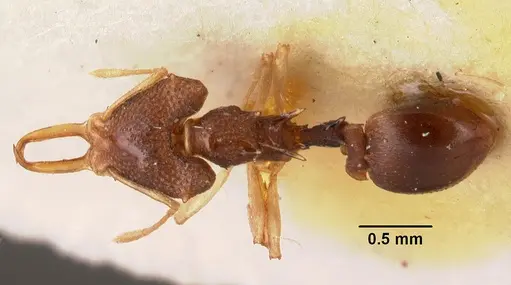
CASENT0101459
View on AntWeb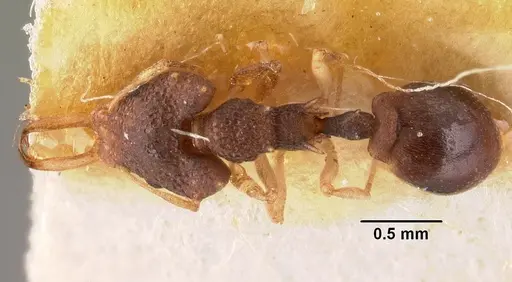
CASENT0102250
View on AntWeb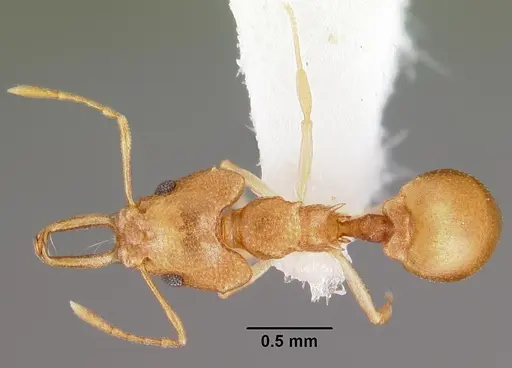
CASENT0235521
View on AntWeb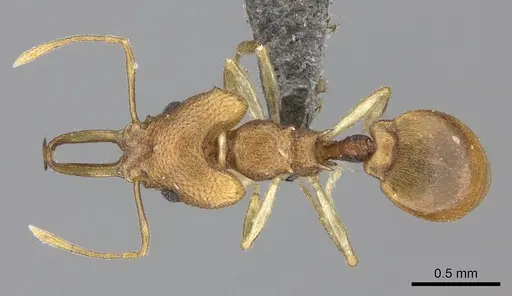
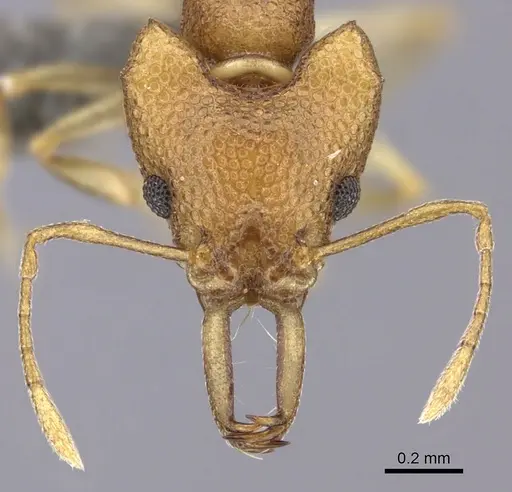
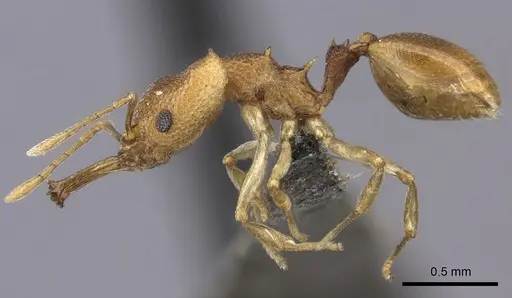
CASENT0395869
View on AntWeb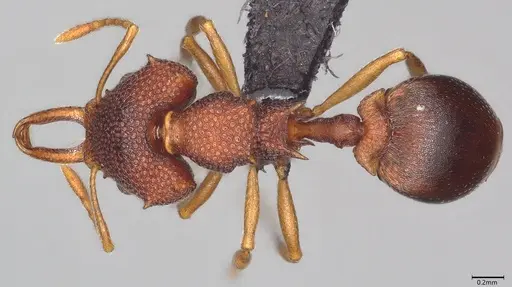
CASENT0781343
View on AntWeb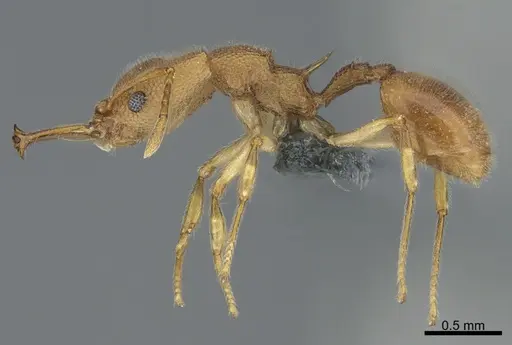
Literature
Loading distribution map...Loading products...