
Messor rugosus
- Sci. Name
- Messor rugosus
- Tribe
- Stenammini
- Subfamily
- Myrmicinae
- Author
- André, 1881
- Distribution
- Found in 1 countries
Introduction
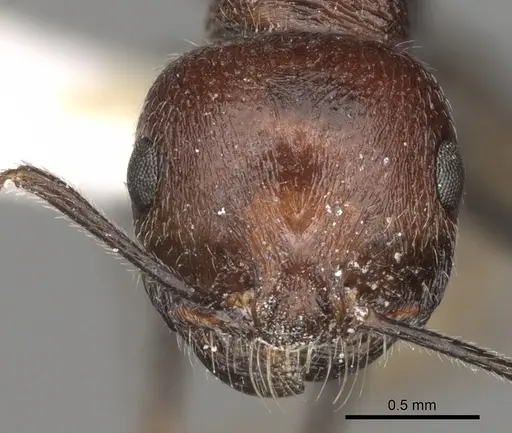
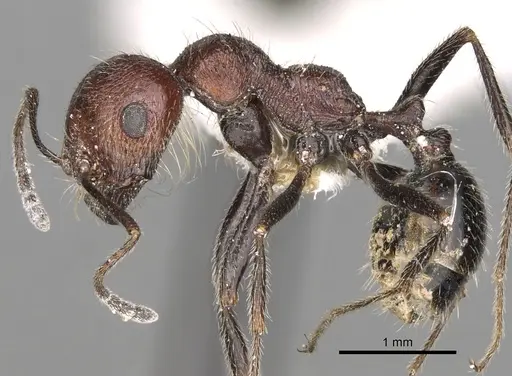
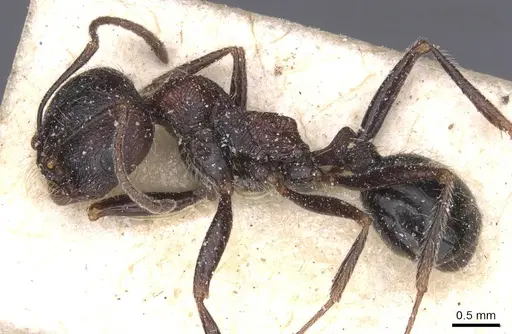
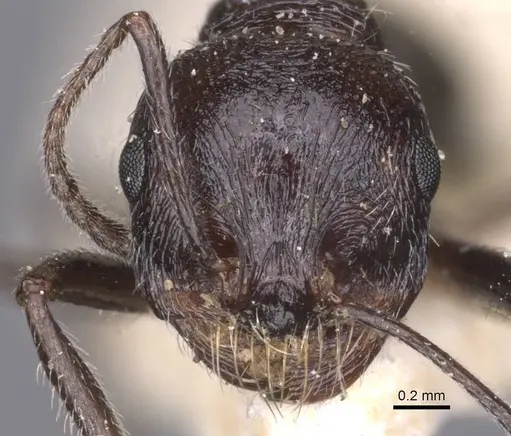
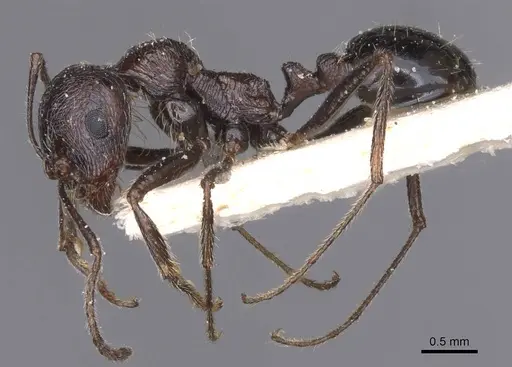
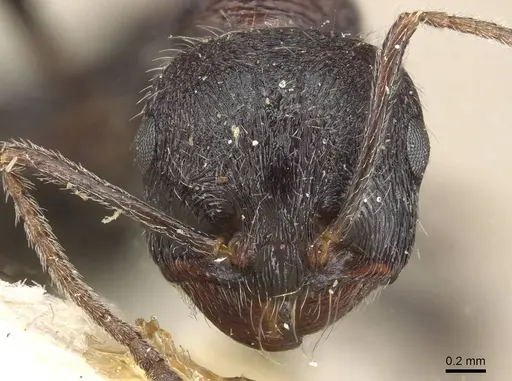
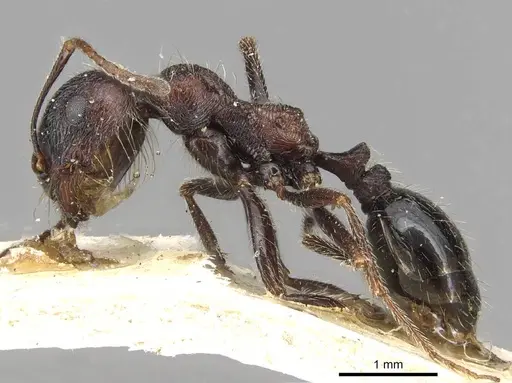
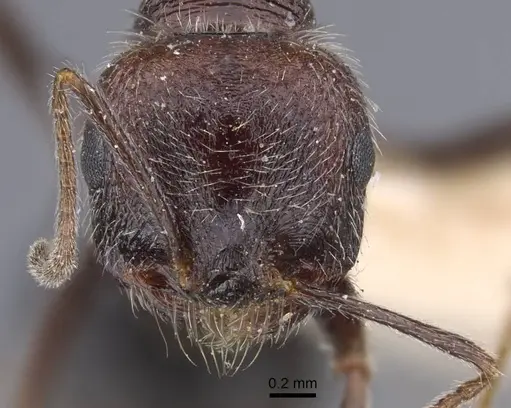
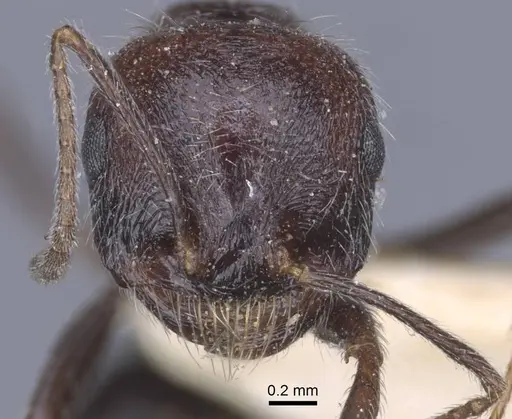
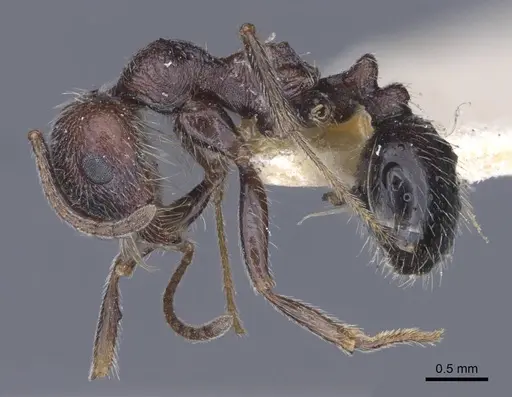
Messor rugosus is a small seed-harvesting ant native to the Middle East and eastern Mediterranean. Workers display weak size polymorphism between minor and major castes. The species has a well-developed psammophore - a special brush of hairs on the underside of the head that helps move sand particles while digging . They are pale to reddish-brown in color and relatively slender compared to other Messor species. This ant inhabits sandy soils across desert loess plains and coastal areas, found in Egypt, Israel, Kuwait, Syria, and Turkey . What makes M. rugosus interesting is its foraging strategy. Unlike some seed-harvesters that work alone, these ants use recruitment trails - when a forager finds a good seed patch, it returns to the nest and leads nestmates to the food source . They are also adapted to extremely dry habitats, being confined to sandy soils in the southern and coastal regions of Israel where other ant species struggle to survive .
Quick Summary
- Difficulty: Easy
- Origin & Habitat: Native to the Palaearctic region, found in Egypt, Israel, Kuwait, Syria, and Turkey. Inhabits sandy soils of desert loess plains and coastal areas, particularly in the southern and Coastal Plain regions of Israel. In Israel, found in the Lower Galilee, Jordan Valley, southern Golan, central Coastal Plain, Dead Sea area, and Arava Valley [2][1][5].
- Colony Type: Colony structure is unconfirmed, specific data on queen number is not available in the research literature.
- Size & Growth:
- Queen: Size data unavailable, no specific measurements found in research
- Worker: Small workers with weak size polymorphism [6]
- Colony: Estimated several hundred workers at maturity based on related species
- Growth: Moderate
- Development: Development time is unconfirmed for this species, estimates based on genus patterns suggest 6-10 weeks at warm temperatures (Development time is temperature-dependent within acceptable ranges)
- Antkeeping:
- Temperature: Keep at 22-28°C. They tolerate warm, dry conditions well given their desert origin. A temperature gradient allows workers to choose their preferred zone.
- Humidity: Low to moderate. These ants prefer dry conditions, think sandy desert floor, not damp soil. Provide a dry outworld and a slightly moist nest area, but avoid excessive moisture.
- Diapause: Winter diapause requirements are unconfirmed for this species. Based on the temperate latitude of their range (~35°N in Israel), a winter rest period is likely beneficial but not definitively documented.
- Nesting: Y-tong (AAC) nests work well, or a plaster nest with dry to slightly moist conditions. They do well in formicariums with compact chambers. Avoid overly humid setups.
- Behavior: These are peaceful ants that focus on seed collection. Workers are active foragers that establish recruitment trails to seed patches [3]. They are not aggressive and rarely sting. Their small size means they can escape through tiny gaps, use fine mesh and tight-fitting lids. They are diurnal and quite active in the outworld during warmer months.
- Common Issues: escape prevention is critical due to their small size, use fine mesh barriers and check lid seals regularly, overfeeding can lead to mold in the nest, remove uneaten seeds and protein after 24-48 hours, colonies may struggle if humidity is too high, they prefer dry conditions, slow growth compared to tropical species can frustrate beginners, be patient during founding, test tube setups must have proper water reservoir size to avoid flooding the colony
Nest Preferences
In the wild, Messor rugosus nests in sandy soils, particularly in desert loess plains and coastal sandy areas of the Middle East [1][4]. They prefer areas with loose, well-draining sand where they can easily excavate chambers. The psammophore (hair brush on their head) is an adaptation that helps them move sand particles while digging [1]. They are found in kurkar and brown red sandy soil habitats [4].
For captive care, Y-tong (AAC) nests work very well for this species. The compact chambers mimic their natural underground tunnels, and the material allows for some humidity control. Plaster nests are also suitable if kept relatively dry. Avoid setups with large, open water reservoirs that could flood the colony. The nest should have chambers sized appropriately for their worker size, not too large or too small. A naturalistic setup with a sand-filled area can also work well, though watch for escape attempts.
Feeding and Diet
As seed-harvesting ants, Messor rugosus primarily collects and stores seeds. In the wild, they gather seeds from various desert and coastal plants, grinding them up to create 'ant bread', a processed seed mash that feeds the colony [3]. They are granivores by nature, though they will also collect other organic matter.
In captivity, offer a variety of seeds as their primary food. Millet, sunflower seeds, and grass seeds are all readily accepted. Provide a constant supply of seeds in the outworld, they will store excess in the nest. Additionally, offer small amounts of protein occasionally, such as small pieces of mealworms or other insects. Sugar water or honey can be offered but is not a primary food source for this species. Remove uneaten seeds and protein after 24-48 hours to prevent mold.
Temperature and Care
Messor rugosus originates from warm, dry regions and tolerates temperatures in the low-to-mid 20s°C well. Keep the nest area at 22-28°C for optimal colony development. They can tolerate brief periods higher or lower, but consistent temperatures in this range work best. A heating cable on one side of the nest creates a gradient that lets workers choose their preferred temperature.
Because they come from desert and semi-desert environments, these ants handle dry conditions better than most. The outworld can be quite dry, think arid rather than humid. The nest should have some moisture available, but avoid damp conditions. A small water test tube connected to the nest provides drinking water without adding humidity to the nest chambers.
Behavior and Temperament
These are peaceful, non-aggressive ants that are a pleasure to keep. Workers are active foragers that search the outworld for seeds and other food. One of their interesting behaviors is recruitment trailing, when a forager discovers a good seed patch, it returns to the nest and leads other workers to the food source in a trail [3].
They are not defensive and rarely attempt to sting. Their small size means they pose no danger to keepers. However, this small size also means they are excellent escape artists. Always use fine mesh on any ventilation holes, check that lid seals are tight, and consider using fluon or other barrier methods on the edges of the outworld. They are diurnal and most active during daylight hours in the warmer months.
Seasonal Care and Overwintering
As a species from temperate latitudes (around 35°N latitude in Israel), Messor rugosus likely experiences seasonal changes in the wild and may benefit from a winter rest period [7]. During autumn, reduce feeding and allow the colony to slow down. In late fall, consider moving the colony to a cool location (10-15°C) for a rest period.
The winter rest may be important for colony health and can help trigger reproductive behavior in spring. Do not feed during diapause, but ensure the colony has access to water. After the rest period, gradually warm the colony back to room temperature and resume normal feeding. Queens may produce alates (reproductives) in spring following the winter rest, which may then conduct nuptial flights.
Colony Growth and Development
Like all Messor species, M. rugosus starts slowly. The claustral queen seals herself in a chamber and raises the first brood alone, living on her stored fat reserves until the first workers (nanitics) emerge. These first workers are smaller than normal workers but immediately begin foraging to support the colony.
Growth is moderate. After that, the colony grows steadily as the queen continues laying eggs. The colony will remain relatively small compared to some Messor species, likely reaching several hundred workers at maturity rather than thousands [6]. The weak polymorphism means you will not see dramatically different major workers, though some size variation exists between minor and major workers.
Frequently Asked Questions
Can I keep Messor rugosus in a test tube?
Yes, test tubes work well for founding colonies. Use a standard test tube setup with a water reservoir sealed with cotton. The queen will seal herself in and raise her first brood in the tube. Once the colony reaches 20-30 workers, consider moving to a Y-tong or formicarium setup.
When should I move my Messor rugosus colony to a formicarium?
Move them when the test tube becomes crowded or the water reservoir runs low, typically when the colony reaches 20-40 workers. A Y-tong (AAC) nest works well for this species. Make sure the new setup has appropriate chamber sizes and escape prevention.
How long does it take for Messor rugosus to produce first workers?
Development time is unconfirmed for this species. Based on genus patterns for seed-harvesting ants, expect 6-10 weeks from egg to first worker at optimal temperature (22-28°C). The exact timing depends on temperature, warmer conditions within the acceptable range speed development.
What do Messor rugosus ants eat?
They are primarily seed-eaters. Offer a variety of seeds like millet, sunflower seeds, and grass seeds. They will also accept small amounts of protein like mealworms or other insects. Remove uneaten food after 24-48 hours to prevent mold.
Do Messor rugosus ants sting?
They are not aggressive and rarely sting. Their small size means any sting would be negligible even if they did attempt it. They are completely safe to handle and pose no danger to keepers.
Are Messor rugosus good for beginners?
Yes, they are a good beginner species. They are peaceful, easy to feed (seeds are simple to provide), and tolerate dry conditions well. The main challenges are escape prevention due to their small size and the need for winter diapause.
Do Messor rugosus need hibernation?
Winter diapause requirements are unconfirmed for this species. Based on the temperate latitude of their range in Israel, a winter rest period of 2-3 months at 10-15°C is likely beneficial but not definitively documented in research literature.
Why are my Messor rugosus escaping?
Their small size makes them excellent escape artists. Use fine mesh on all ventilation, check lid seals regularly, and apply barrier methods like fluon to the edges of the outworld. Even tiny gaps that other ants could not fit through, these can escape through.
How big do Messor rugosus colonies get?
Colonies typically reach several hundred workers at maturity, not thousands like some other Messor species. They have relatively weak polymorphism and smaller colony sizes compared to their relatives [6].
Can I keep multiple Messor rugosus queens together?
Colony structure is unconfirmed for this species. Only keep one queen per colony initially. Multiple unrelated queens will likely fight, and only one will survive to head the colony.
Why is my Messor rugosus colony growing slowly?
Growth is naturally moderate for this species. They are not fast growers like some tropical ants. Ensure proper temperature (22-28°C), adequate but not excessive humidity, and proper feeding. Patience is key during the founding phase.
Report an Issue
The current care sheet is based fully on literature. See inconsistencies, or something that's incorrect? Please , it will be resolved after review from an admin. Contributing to the blogs tab also helps providing information, to make us be able to further improve the caresheets. Thank you for your support!
References

This caresheet is licensed under CC BY-SA 4.0 .
Community Blogs
CASENT0281599
View on AntWeb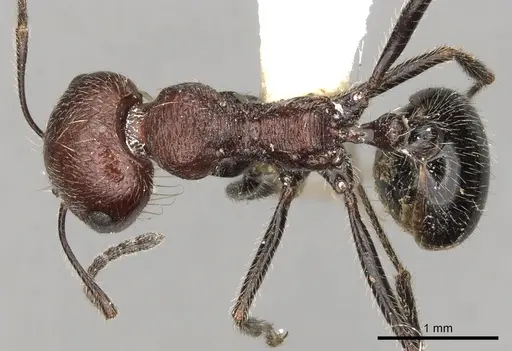
CASENT0907755
View on AntWeb
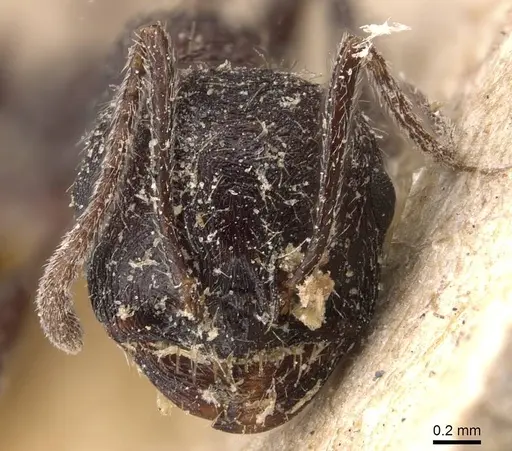
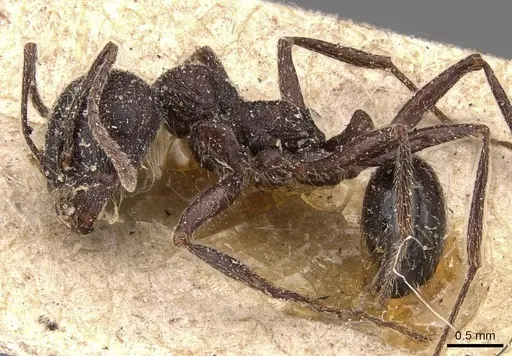
CASENT0913214
View on AntWeb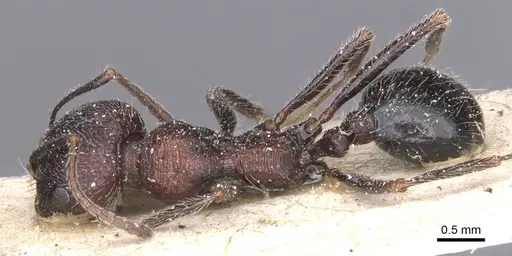
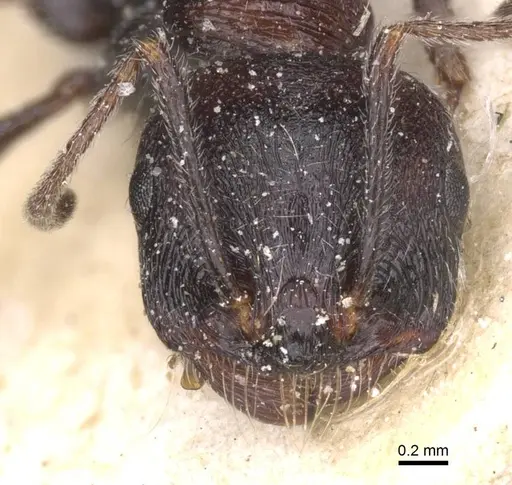
CASENT0913215
View on AntWeb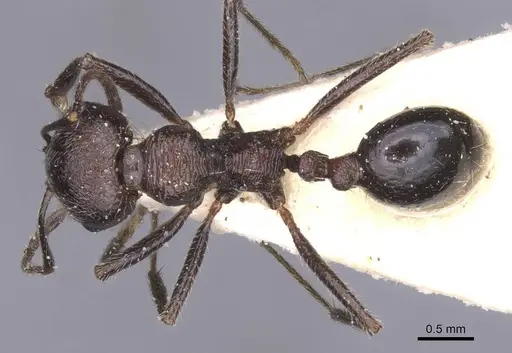
CASENT0915452
View on AntWeb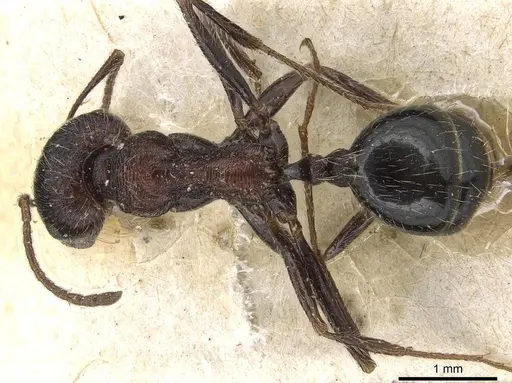
CASENT0916923
View on AntWeb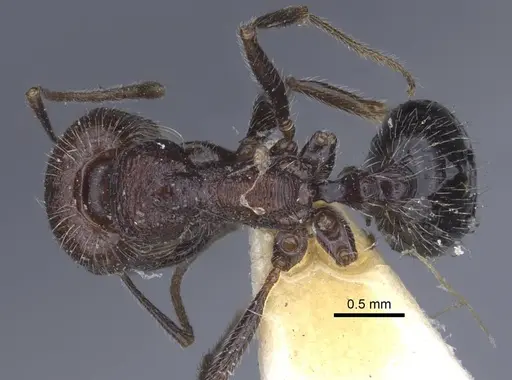
Literature
Loading distribution map...Loading products...