
Oertzen's Harvester Ant
Messor oertzeni
- Sci. Name
- Messor oertzeni
- Tribe
- Stenammini
- Subfamily
- Myrmicinae
- Author
- Forel, 1910
- Common Name
- Oertzen's Harvester Ant
- Distribution
- Found in 3 countries
Introduction
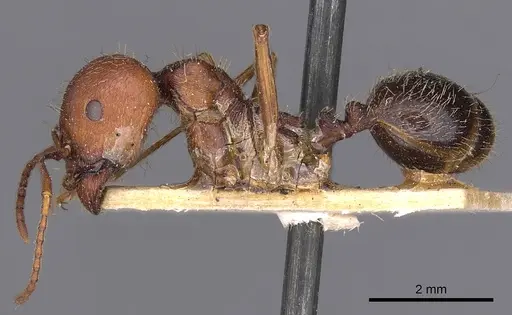
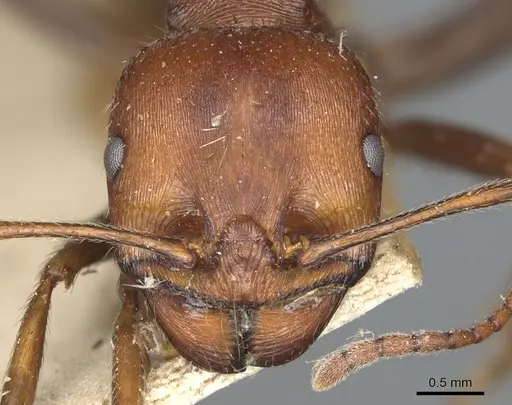
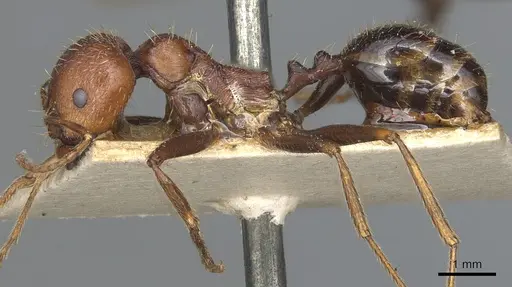
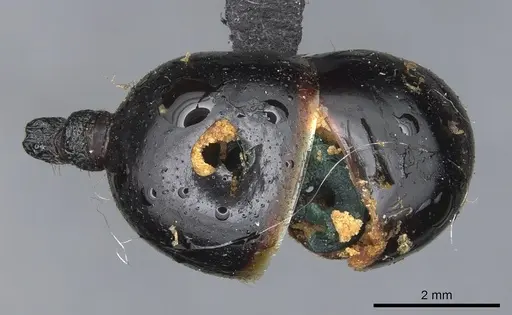
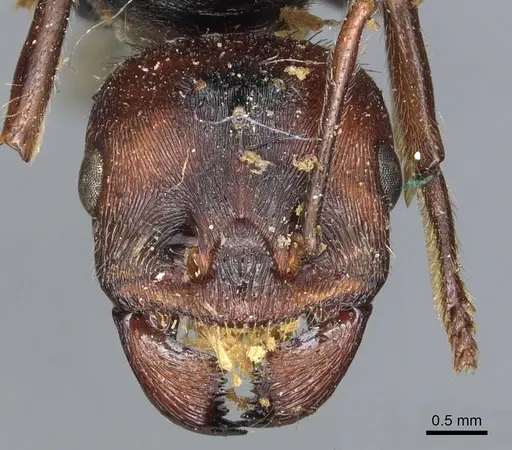
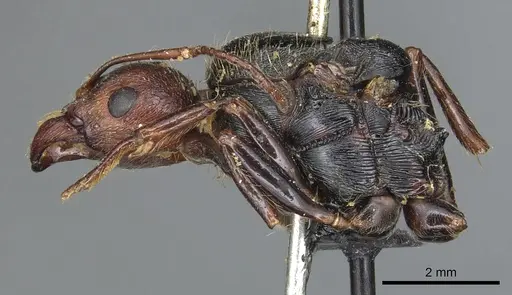
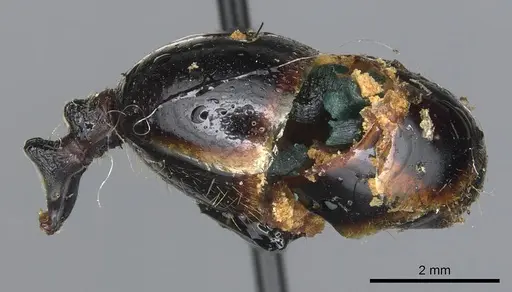
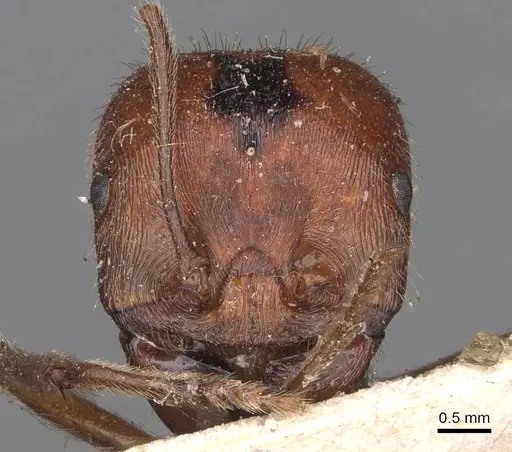
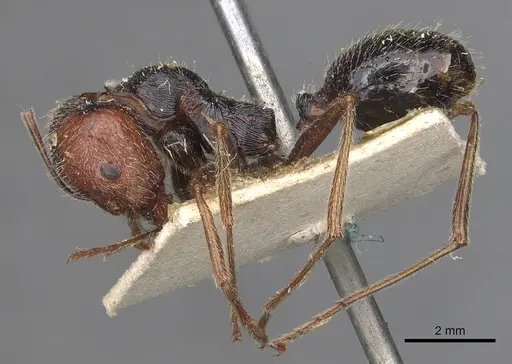
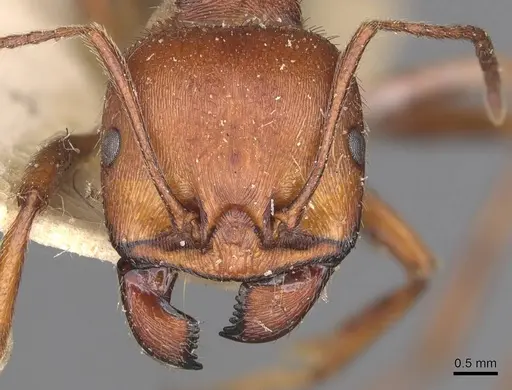
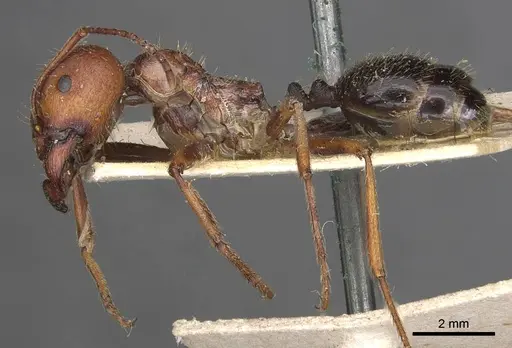
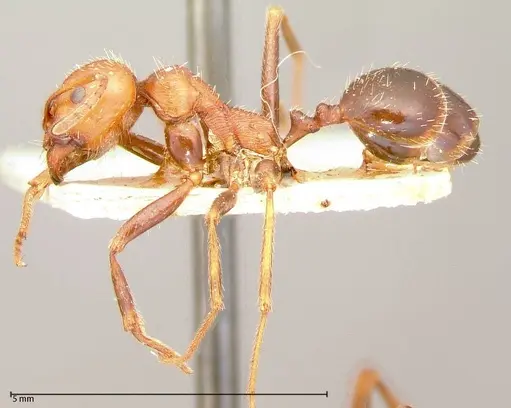
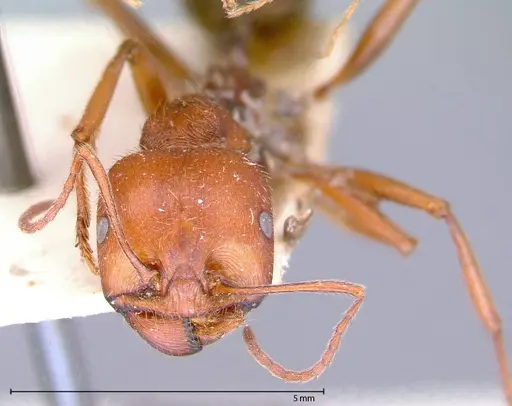
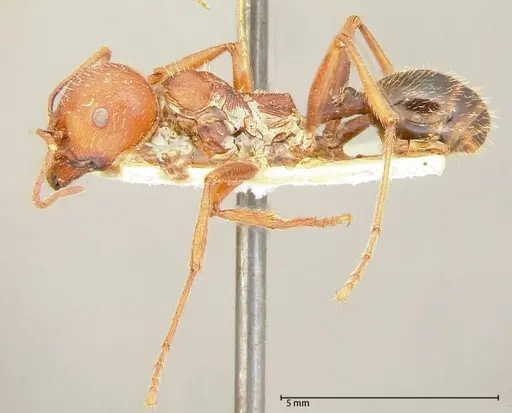
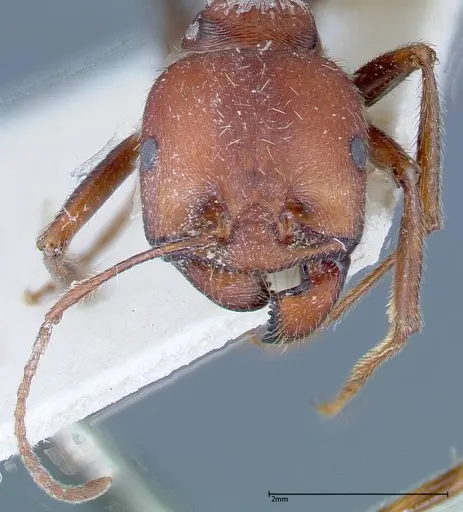
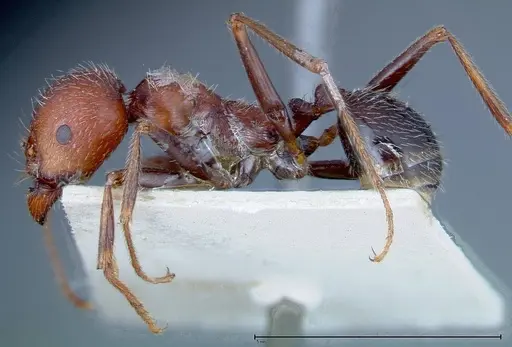
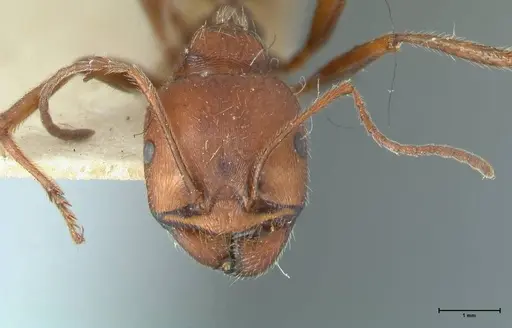
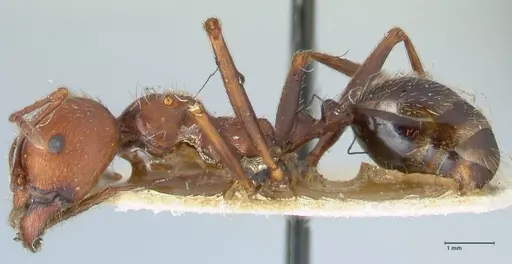
Messor oertzeni is a harvester ant native to the northeastern Mediterranean region, including Bulgaria, Greece, North Macedonia, and Turkey . It belongs to the structor group . Size data is unavailable from current research. This species is known for collecting snail shells around its nests, likely because ants confuse small shells with seeds, their primary food source .
Quick Summary
- Difficulty: Easy
- Origin & Habitat: Native to northeastern Mediterranean (Bulgaria, Greece, North Macedonia, Turkey). Found in dry, open habitats including grasslands, pine forests, and olive plantations. Nests are typically located under stones [5][6].
- Colony Type: Based on Messor genus patterns, likely monogyne (single-queen colonies).
- Size & Growth:
- Queen: Size data unavailable.
- Worker: Size data unavailable.
- Colony: Estimated up to several thousand workers.
- Growth: Moderate
- Development: Estimated 8-12 weeks at optimal temperature based on genus patterns. (Development time is typical for temperate Messor species.)
- Antkeeping:
- Temperature: Keep warm, around 22-26°C, with a temperature gradient using a heating cable on one side.
- Humidity: Keep nest substrate moderately dry with some moisture at the water reservoir end. Harvester ants prefer drier conditions.
- Diapause: Yes, based on temperate range, provide a winter rest period of 8-12 weeks at 10-15°C.
- Nesting: Use dry, well-ventilated nests like Y-tong or plaster. Provide a digging area for seed-sorting enrichment. Nests under stones in wild [5].
- Behavior: Peaceful harvester ants. Active foragers that collect seeds. Small size means high escape risk, use fine mesh barriers.
- Common Issues: escape prevention is critical due to small size, they can squeeze through tiny gaps., overhumidity can kill colonies, harvester ants need dry conditions., without proper ventilation, mold develops quickly in their nests., lack of winter rest period can cause stress and colony failure., without suitable seed substrates, they may not thrive.
Nest Preferences and Setup
Messor oertzeni naturally nests under stones in dry, open habitats [5]. In captivity, use dry, well-ventilated nests like Y-tong (AAC) or plaster. Provide a digging area for seed-sorting enrichment. Include a water reservoir but keep the main nest chamber dry to prevent mold.
Feeding and Diet
As harvester ants, they primarily eat seeds [4]. Offer a mix of grass seeds, bird seed, or millet. Occasionally provide protein like small insects, but seeds should be the main food. Fresh water should always be available.
Temperature and Seasonal Care
Keep colonies warm at 22-26°C during active months. Provide a temperature gradient using a heating cable on one side. During winter, provide a diapause period of 8-12 weeks at 10-15°C to mimic natural cycles.
Behavior and Colony Dynamics
Workers are peaceful and active foragers. They organize nests with areas for seed storage and waste disposal. Colonies grow moderately, with first workers emerging within a few months. Escape prevention is critical due to their small size.
Frequently Asked Questions
How long does it take for Messor oertzeni to produce first workers?
Expect first workers to emerge 8-12 weeks after queen lays eggs, at optimal temperature around 24°C, based on genus patterns.
What do Messor oertzeni ants eat?
They are harvester ants that primarily eat seeds. Offer small seeds like grass seeds or bird seed [4].
Do Messor oertzeni ants sting?
They have a stinger but rarely use it. These ants are not aggressive toward humans.
Can I keep Messor oertzeni in a test tube?
Yes, test tubes work well for founding colonies. Once the colony reaches 20-30 workers, move them to a proper formicarium with a digging area.
Do Messor oertzeni need hibernation?
Yes, they require a winter rest period. Keep them at 10-15°C for 8-12 weeks during winter, reducing feeding.
How big do Messor oertzeni colonies get?
Based on typical Messor species, colonies can reach up to several thousand workers over several years.
Why are my Messor oertzeni dying?
Common causes include overhumidity, poor escape prevention, lack of winter rest, or improper diet. Ensure dry conditions and proper ventilation.
Are Messor oertzeni good for beginners?
Yes, they are considered easy to keep. They are forgiving of minor temperature variations and not aggressive, but require dry housing and escape prevention.
When should I move my colony to a formicarium?
Move them when they reach around 30-50 workers and the test tube is crowded. Provide a digging area for seed-sorting behavior.
What temperature is ideal for Messor oertzeni?
Keep them at 22-26°C during active months with a temperature gradient. Avoid extremes above 30°C or below 15°C.
Report an Issue
The current care sheet is based fully on literature. See inconsistencies, or something that's incorrect? Please , it will be resolved after review from an admin. Contributing to the blogs tab also helps providing information, to make us be able to further improve the caresheets. Thank you for your support!
References

This caresheet is licensed under CC BY-SA 4.0 .
Community Blogs
CASENT0281545
View on AntWeb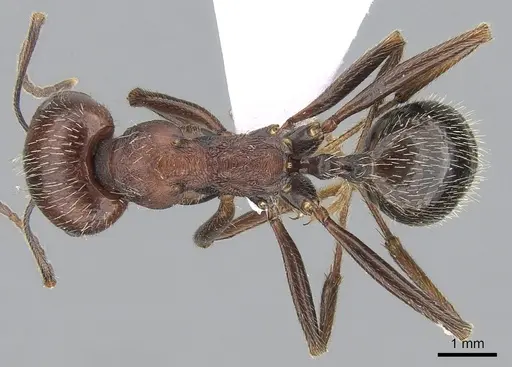
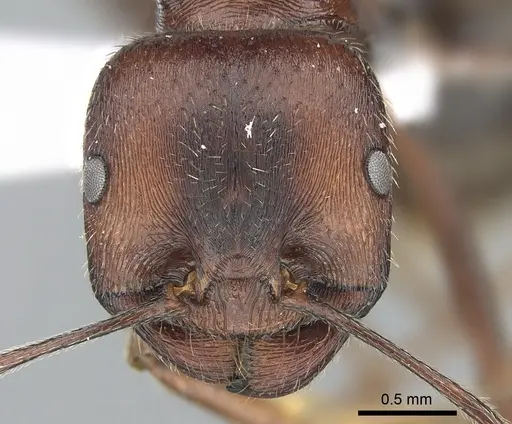
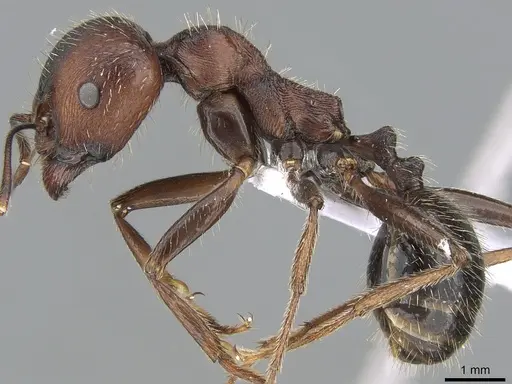
CASENT0281589
View on AntWeb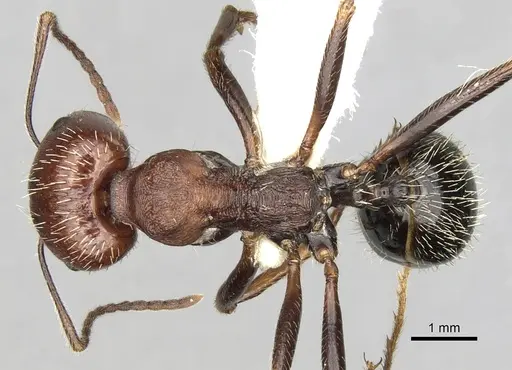
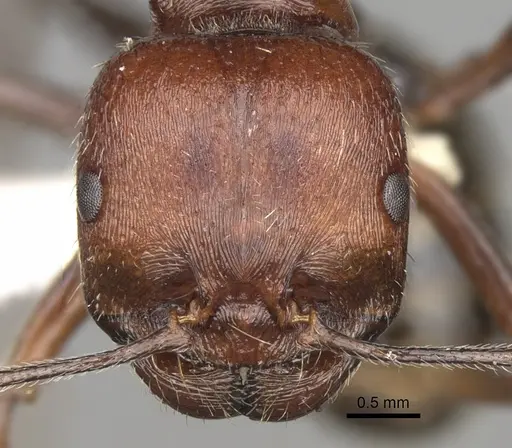
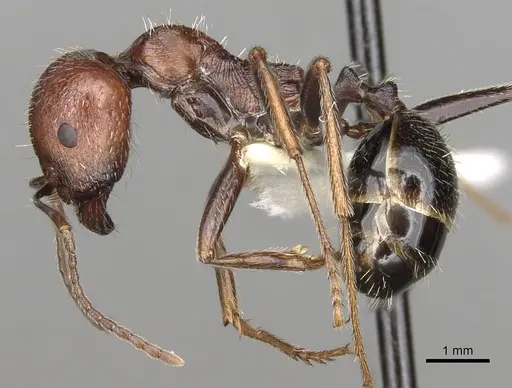
CASENT0900468
View on AntWeb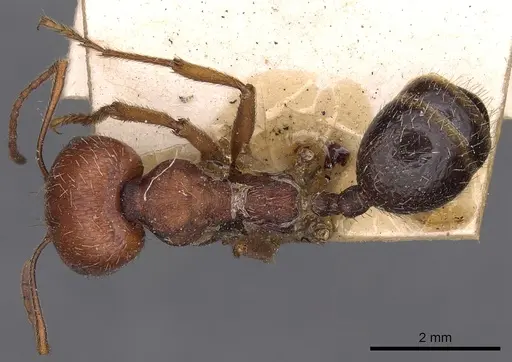
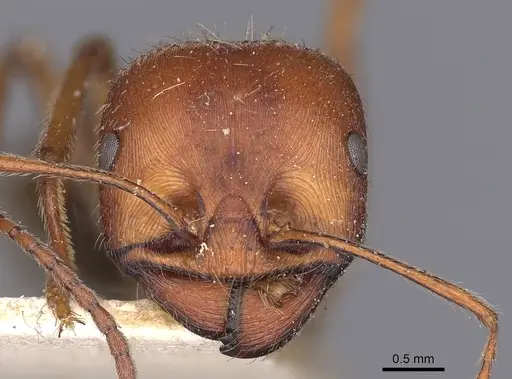
CASENT0904135
View on AntWeb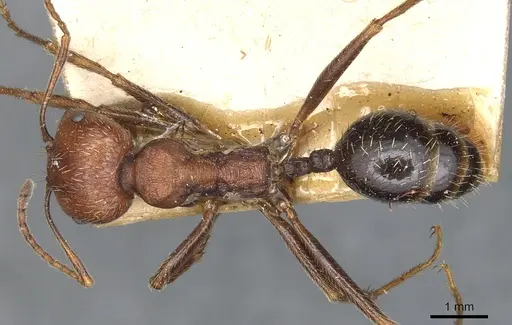
CASENT0904136
View on AntWeb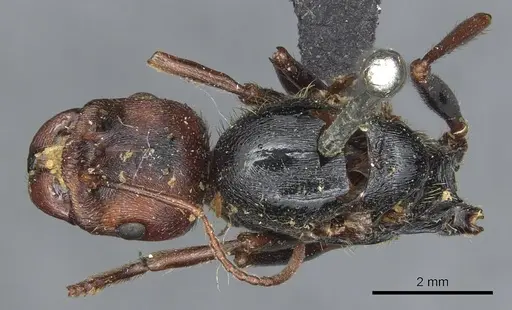
CASENT0907752
View on AntWeb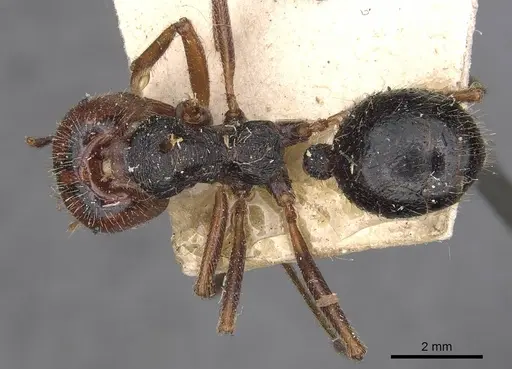
CASENT0907753
View on AntWeb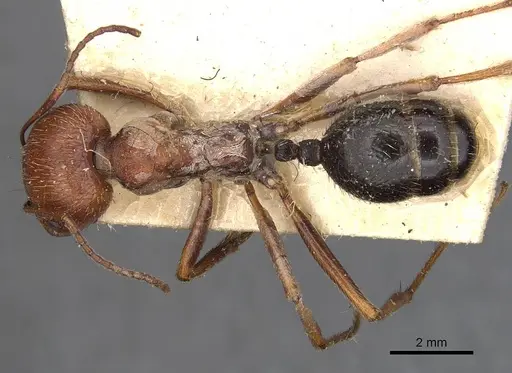
CASENT0907754
View on AntWeb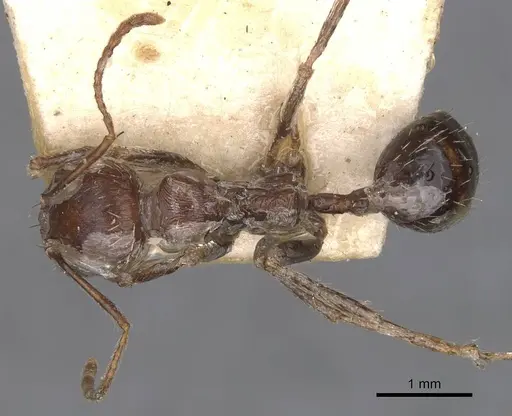
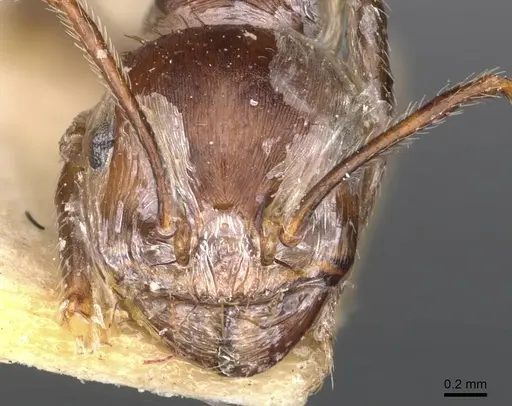
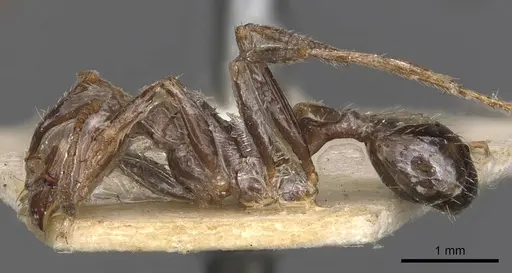
FOCOL0055-1
View on AntWeb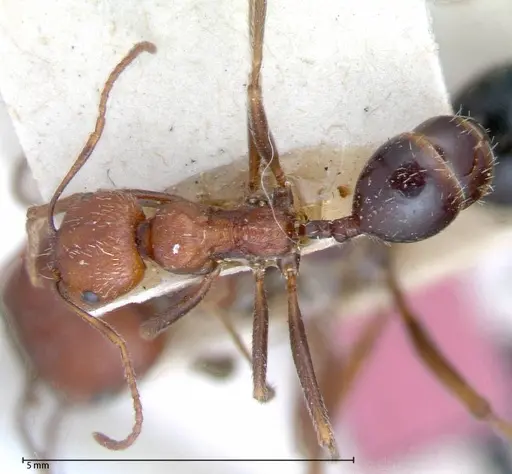
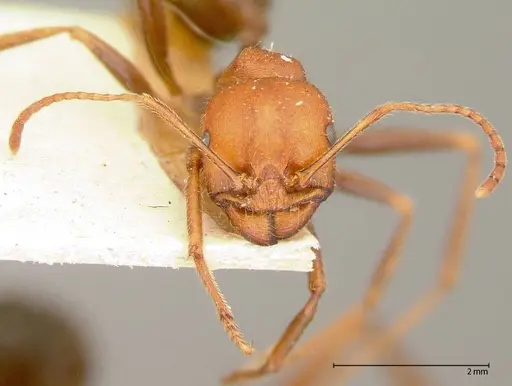
FOCOL0055-2
View on AntWeb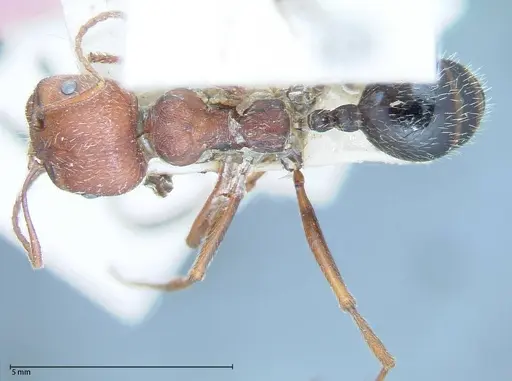
FOCOL0208-1
View on AntWeb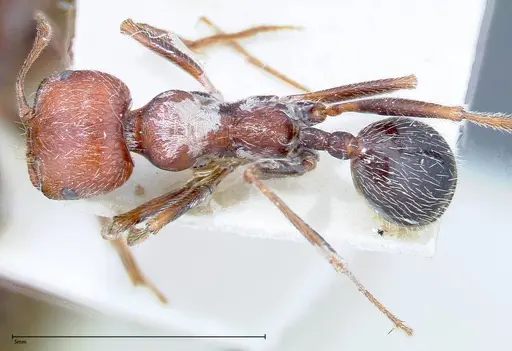
FOCOL0208-2
View on AntWeb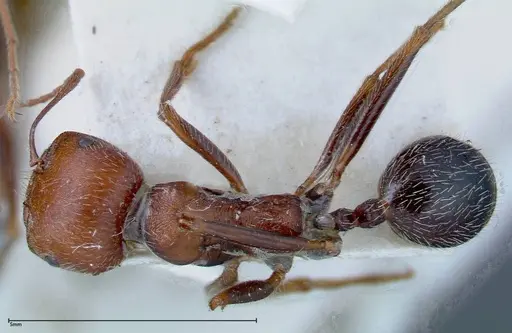
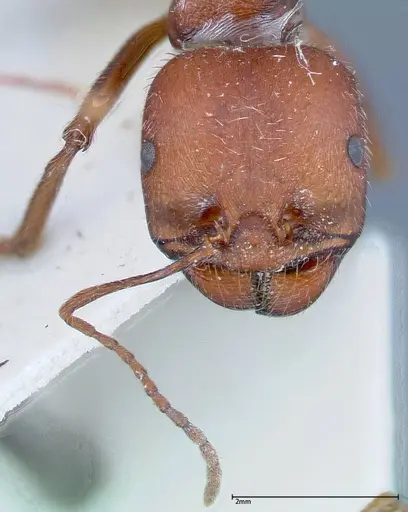
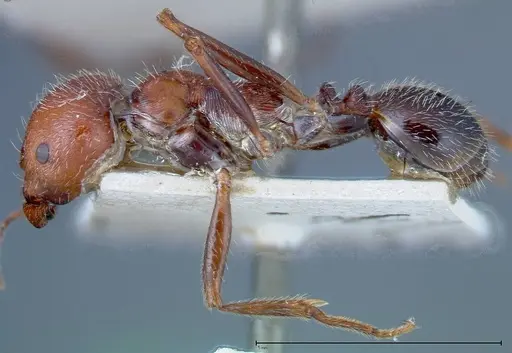
FOCOL0208-3
View on AntWeb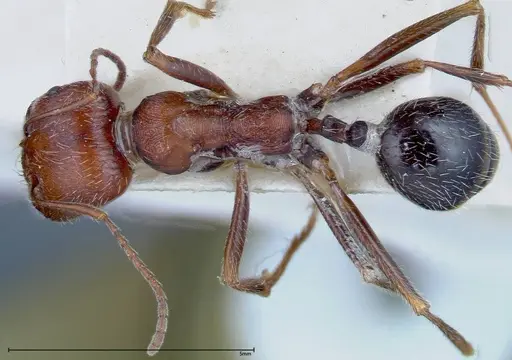
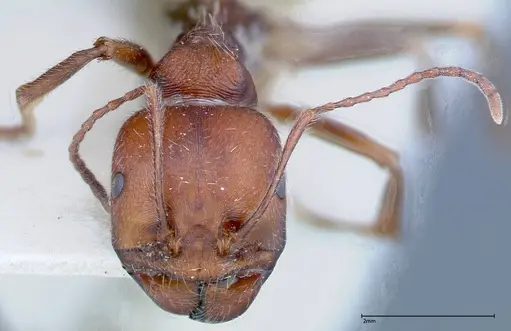
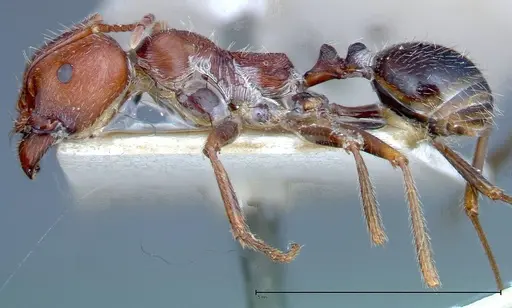
FOCOL1257
View on AntWeb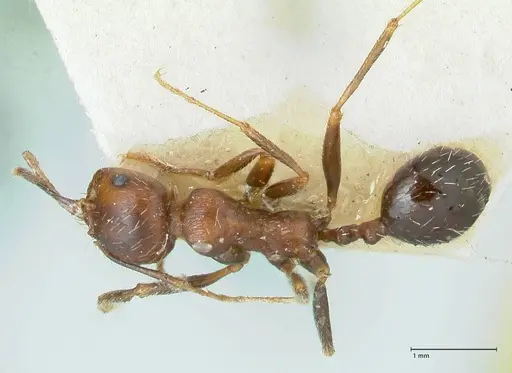
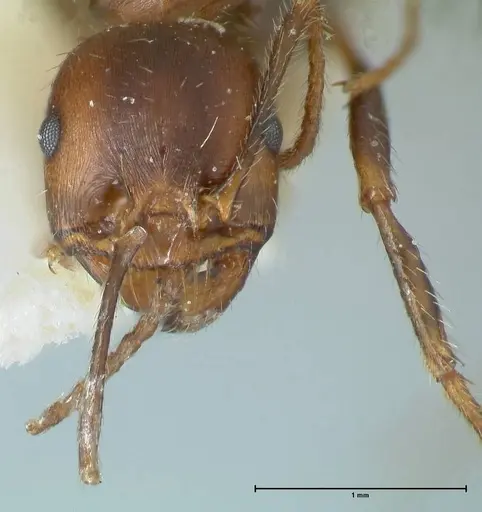
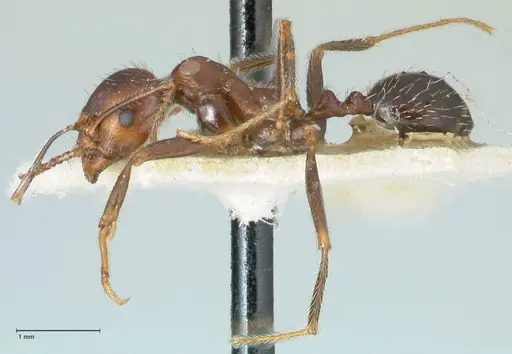
FOCOL1258
View on AntWeb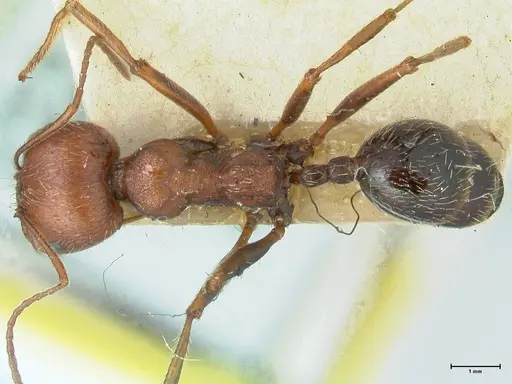
Literature
Loading distribution map...Loading products...