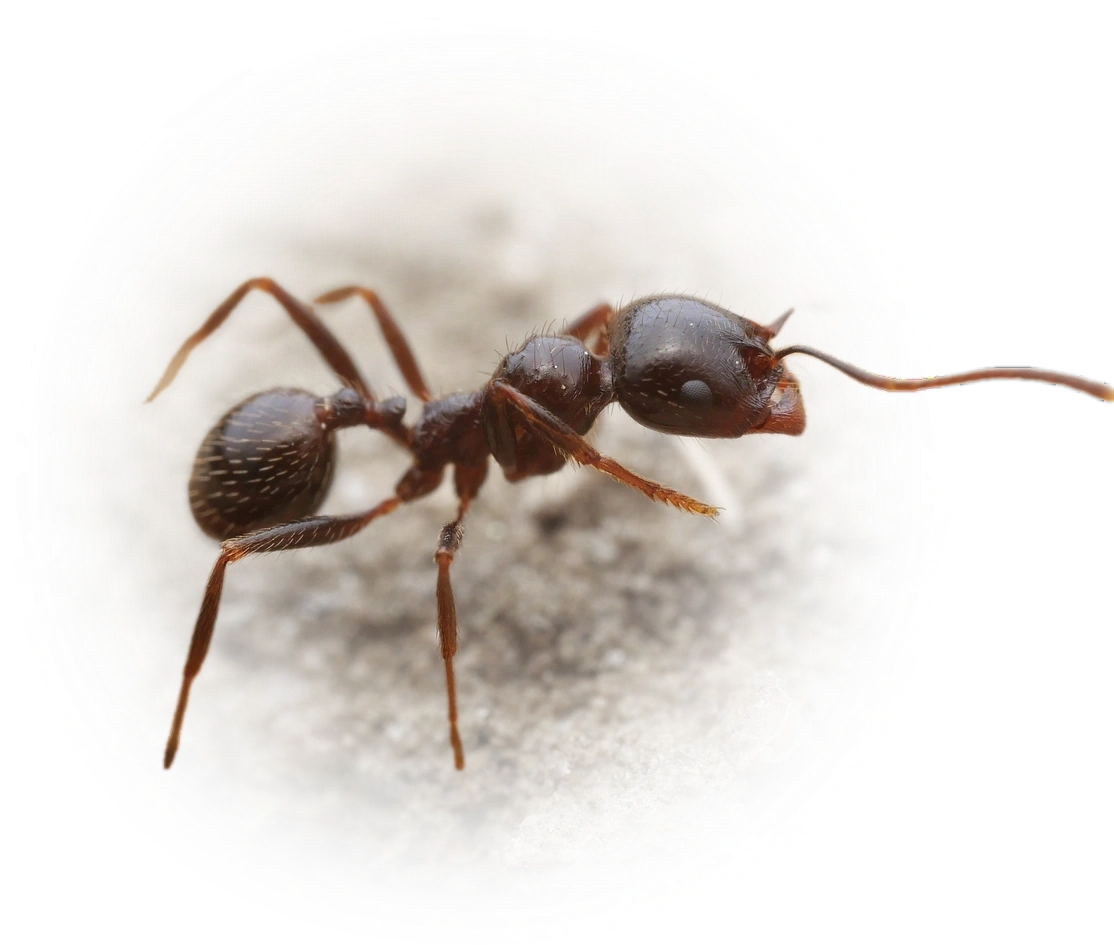
Iberian Harvester Ant
Messor ibericus
- Sci. Name
- Messor ibericus
- Tribe
- Stenammini
- Subfamily
- Myrmicinae
- Author
- Santschi, 1925
- Common Name
- Iberian Harvester Ant
- Distribution
- Found in 9 countries
Introduction
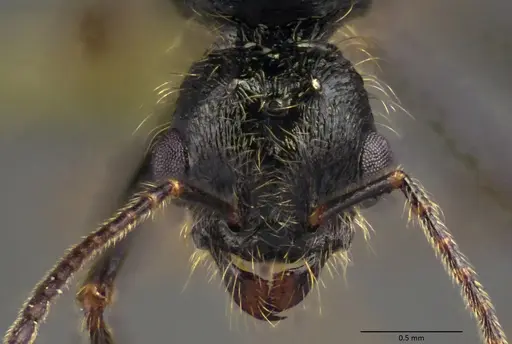
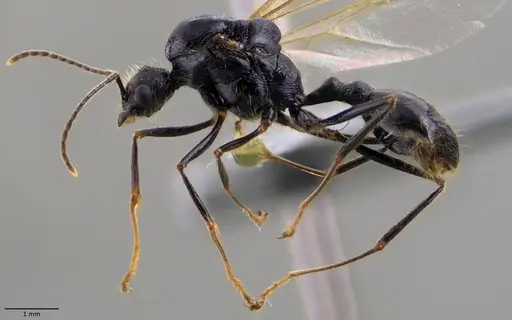
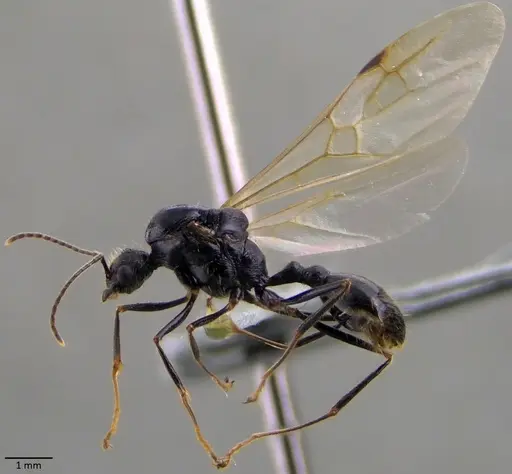
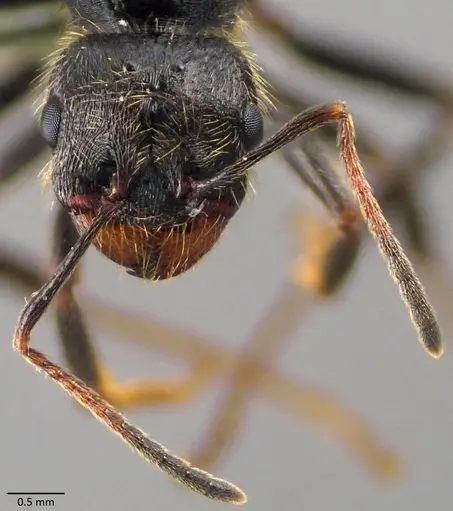
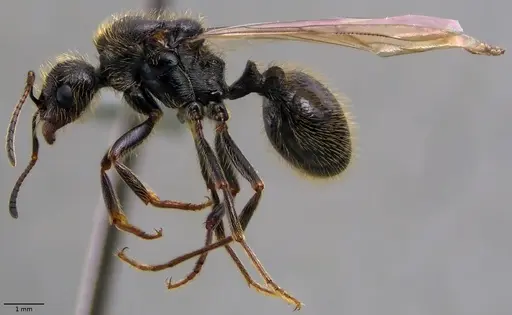
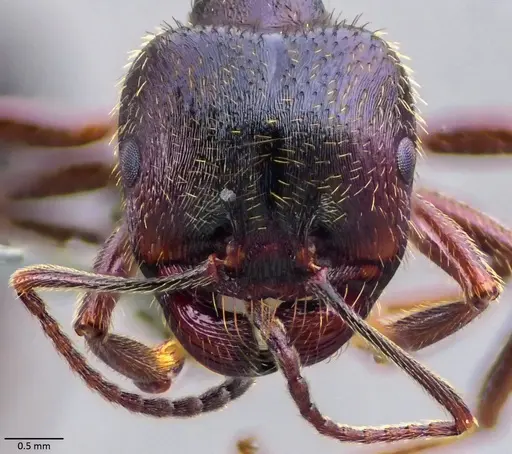
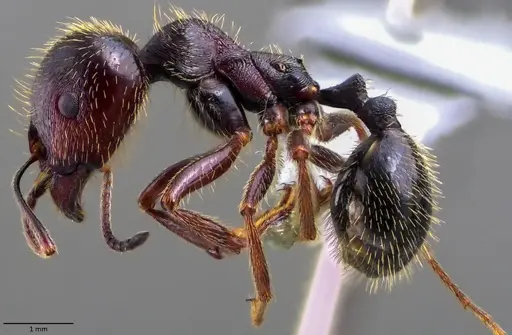
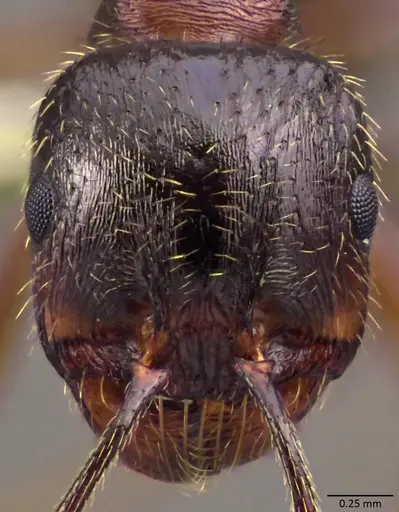
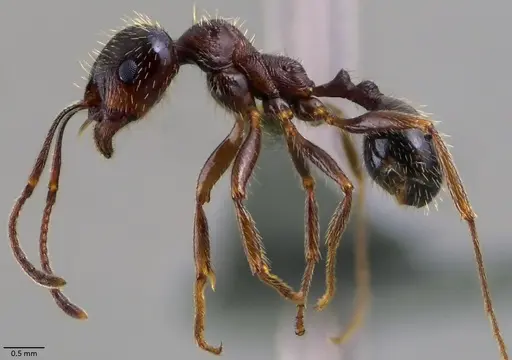
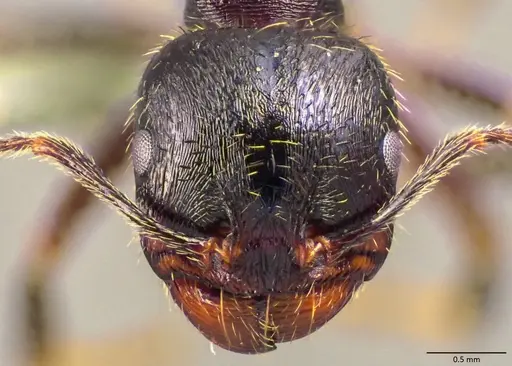
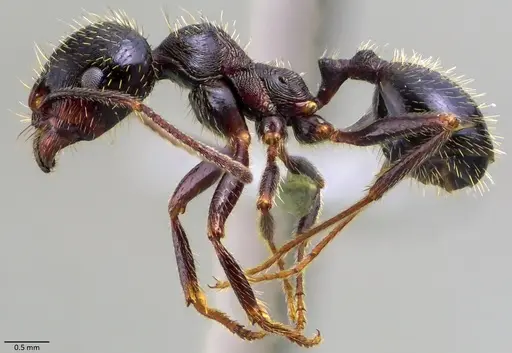
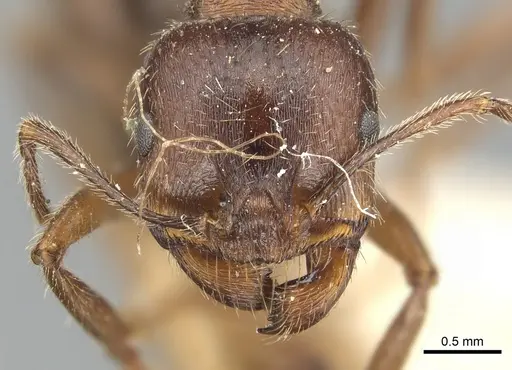
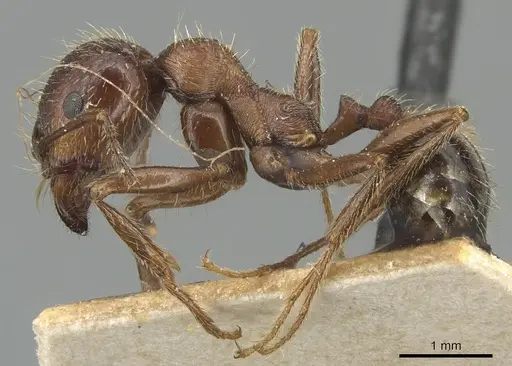
Messor ibericus is a harvester ant native to the Mediterranean region, including Spain, France, Italy, Greece, and other countries . Queens are small, and workers show polymorphism with majors and minors, distinguished by sculptured bodies and specific morphological features . The species prefers warm open habitats like pastures, roadsides, and olive plantations, from sea level up to 1450m elevation . Messor ibericus has an unusual reproductive system called xenoparous reproduction. Queens produce hybrid workers by mating with Messor structor males, and when M. structor is absent, they clone M. structor males from stored sperm. This is the first known case of obligate cross-species cloning in ants .
Quick Summary
- Difficulty: Medium
- Origin & Habitat: Mediterranean region, Spain, France, Germany, Italy, Greece, Bulgaria, Croatia, Romania, Slovenia, Switzerland. Prefers warm open habitats like pastures, roadsides, stone hills, and olive plantations [1][2][3].
- Colony Type: Polygynous, colonies have multiple queens [5]. Multi-coloniality has been observed, with colonies forming networks of connected nests [1].
- Size & Growth:
- Queen: Size data unavailable, no total length measurements provided in research [1].
- Worker: Size data unavailable, no total length measurements provided in research [1].
- Colony: Colonies can be large, but no specific estimates available from research.
- Growth: Moderate, typical for harvester ants.
- Development: Estimated 6-10 weeks at warm temperatures, based on genus patterns [4]. (Development time may vary with temperature, lab colonies maintained at 25°C [4].)
- Antkeeping:
- Temperature: Keep at 25°C based on lab conditions [4]. Provide a temperature gradient using a heating cable on one side.
- Humidity: Keep at 40% humidity as per lab conditions [4]. Provide a humidity gradient with dry nest chambers and occasional moist areas.
- Diapause: Unknown, not specified in research. Based on genus patterns, a winter rest at 10-15°C for 2-3 months may be beneficial.
- Nesting: Soil-nesting species. Prefer dry, warm conditions [2][3]. Use test tubes for founding colonies and Y-tong or plaster nests for established colonies.
- Behavior: Harvester ants that collect and process seeds as their primary food source. Generally calm and not aggressive toward keepers. Workers are active foragers. Escape prevention is important due to their medium size, use barriers like Fluon.
- Common Issues: colonies may fail if kept too humid, these are dryland ants from open habitats [2], founding phase can be slow, requiring patience from keepers, multi-queen colonies may be complex to manage for those used to single-queen species, seed storage requires adequate space in the nest
Housing and Nest Setup
Messor ibericus does well in standard test tube setups for founding colonies. Use a water reservoir tube connected to a foraging area. As the colony grows, provide a larger formicarium with dedicated seed storage chambers. These ants prefer dry nesting conditions, avoid overly moist substrates [2][3]. A Y-tong or plaster nest works well for established colonies. For the outworld, provide a sand or soil substrate where they can forage and collect seeds. Escape prevention is important, use Fluon or similar barriers.
Feeding and Diet
As harvester ants, Messor ibericus primarily collects and consumes seeds. In captivity, offer a variety of seeds such as grass seeds, millet, cracked sunflower seeds, and bird seed mixes. They also accept protein sources like dead insects (mealworms, crickets, fruit flies). Lab colonies were fed with grass seeds [4]. Workers crack seeds and feed the contents to larvae. Sugar water or honey may be occasionally accepted, but seeds should be the primary food. Provide fresh water at all times and remove uneaten seeds to prevent mold.
Temperature and Seasonal Care
Keep nesting areas at 25°C based on lab conditions [4]. A heating cable placed on top of the nest can maintain optimal temperatures. During winter, a diapause period at 10-15°C for 2-3 months may be beneficial, though not specified in research. Reduce feeding during diapause and keep the nest slightly cooler. Do not feed during the coldest part of hibernation.
Understanding Their Unique Biology
Messor ibericus has an extraordinary reproductive system called xenoparous reproduction. Queens mate with males of both M. ibericus and Messor structor, producing hybrid workers. When M. structor is absent, queens clone M. structor males from stored sperm through androgenesis. This allows colonies to function without wild M. structor populations nearby. This system represents obligate cross-species cloning, the first known case in ants [4].
Colony Dynamics
This is a polygynous species, meaning colonies naturally have multiple queens [5]. Unlike single-queen species, several queens may coexist in the same nest. Multi-coloniality has been observed, where colonies form networks of connected nests [1]. When collecting colonies from the wild, you may find multiple queens. Queens are relatively small compared to other Messor species. Colonies grow moderately, reaching large sizes in optimal conditions.
Frequently Asked Questions
How long does it take for Messor ibericus to raise first workers?
Estimated 6-10 weeks from egg to first worker at optimal temperature (around 25°C), based on genus patterns [4]. The founding queen will seal herself in a chamber and raise the first brood alone.
Can I keep multiple Messor ibericus queens together?
Yes, this is a polygynous species that naturally has multiple queens per colony [5]. Multiple queens can coexist peacefully in established colonies.
What do Messor ibericus eat?
They are harvester ants primarily eating seeds. Offer grass seeds, millet, cracked sunflower seeds, and bird seed mixes. They also accept protein like dead mealworms, crickets, and fruit flies [4].
Do Messor ibericus ants sting?
Yes, they can sting and it is painful, though they are not particularly aggressive. They are more likely to flee than attack when disturbed.
Are Messor ibericus good for beginners?
They are medium difficulty. The main challenges are providing proper dry-warm conditions and understanding their multi-queen colony structure [2]. Their seed-based diet is easy to maintain.
Do Messor ibericus need hibernation?
Not specified in research. Based on genus patterns, a winter rest at 10-15°C for 2-3 months may be beneficial for long-term colony health.
How big do Messor ibericus colonies get?
Colonies can be large, but no specific estimates are available from research. They are polygynous, which supports larger colony sizes.
When should I move my Messor ibericus to a formicarium?
Move from test tube to formicarium when the colony has around 50-100 workers and is storing significant amounts of seed. Ensure the new setup has proper seed storage areas and dry nesting chambers.
Why are my Messor ibericus dying?
Common causes include too high humidity (they prefer dry conditions), temperatures below 20°C, or poor nutrition. Check that the nest substrate is relatively dry and temperatures are around 25°C [4].
What's special about Messor ibericus reproduction?
They have xenoparous reproduction, where queens produce hybrid workers by mating with Messor structor males and can clone M. structor males when needed. This is the first known case of obligate cross-species cloning in ants [4].
Report an Issue
The current care sheet is based fully on literature. See inconsistencies, or something that's incorrect? Please , it will be resolved after review from an admin. Contributing to the blogs tab also helps providing information, to make us be able to further improve the caresheets. Thank you for your support!
References

This caresheet is licensed under CC BY-SA 4.0 .
Community Blogs
ANTWEB1060041
View on AntWeb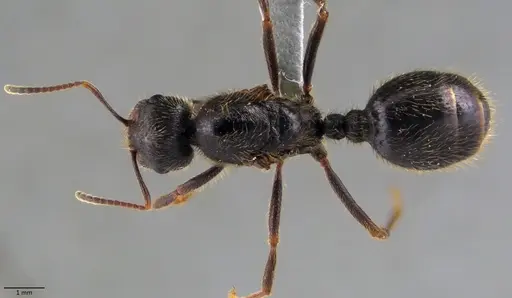
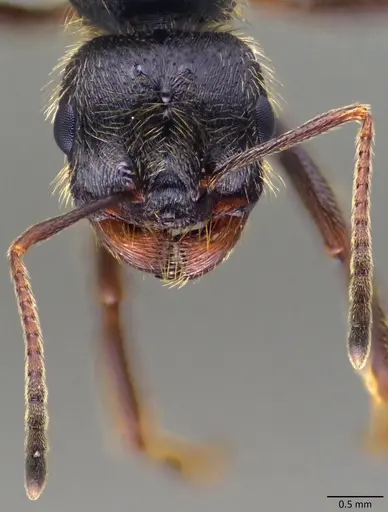
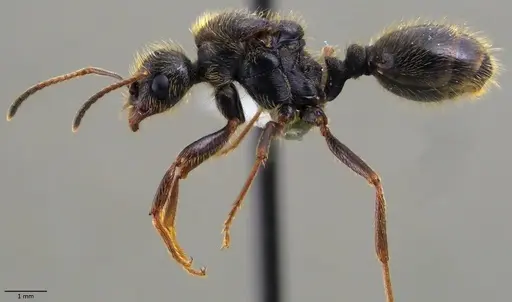
ANTWEB1060042
View on AntWeb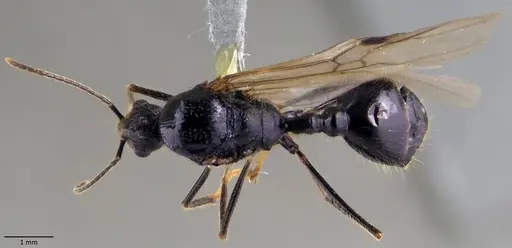
ANTWEB1060043
View on AntWeb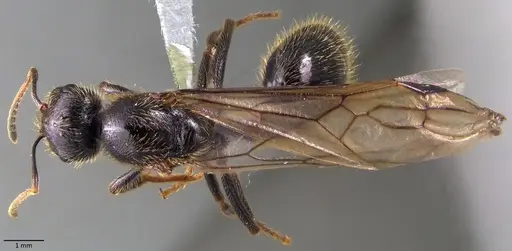
ANTWEB1060044
View on AntWeb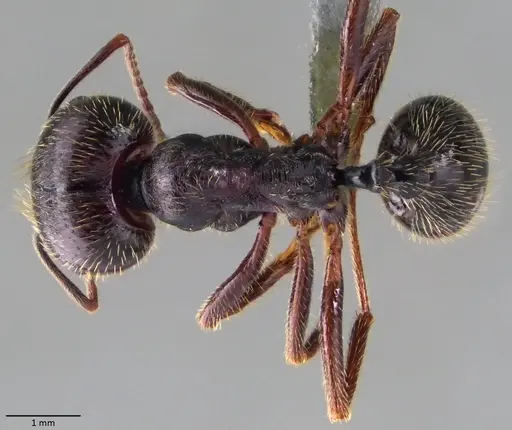
ANTWEB1060045
View on AntWeb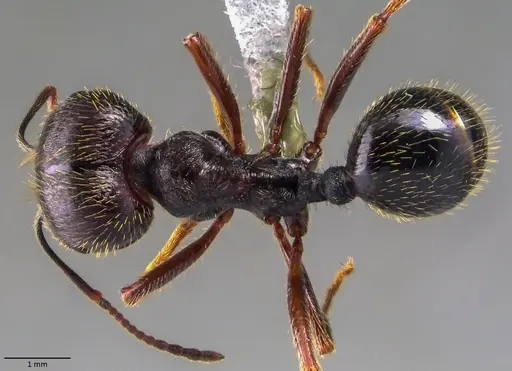
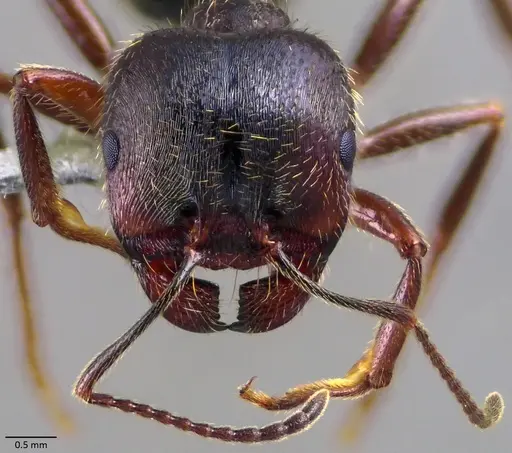
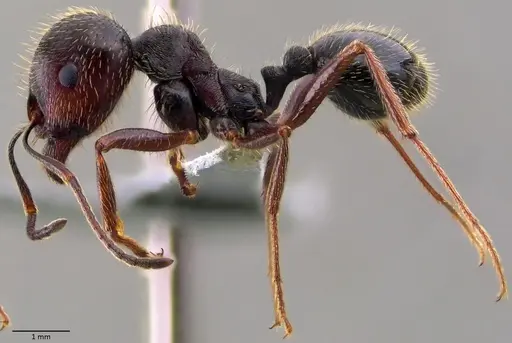
ANTWEB1060046
View on AntWeb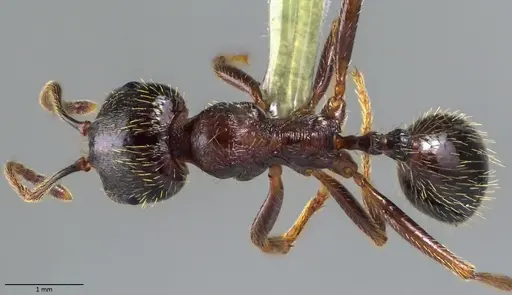
ANTWEB1060050
View on AntWeb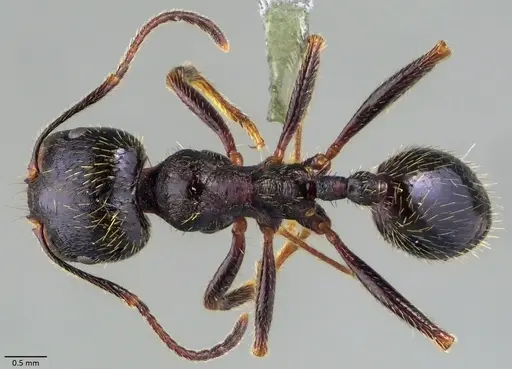
CASENT0904129
View on AntWeb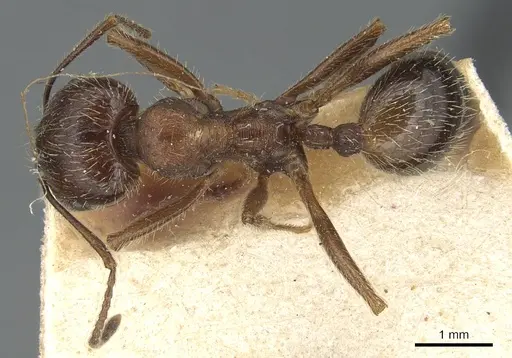
Literature
Loading distribution map...Loading products...