
Messor hispanicus
- Sci. Name
- Messor hispanicus
- Tribe
- Stenammini
- Subfamily
- Myrmicinae
- Author
- Santschi, 1919
- Distribution
- Found in 3 countries
Introduction
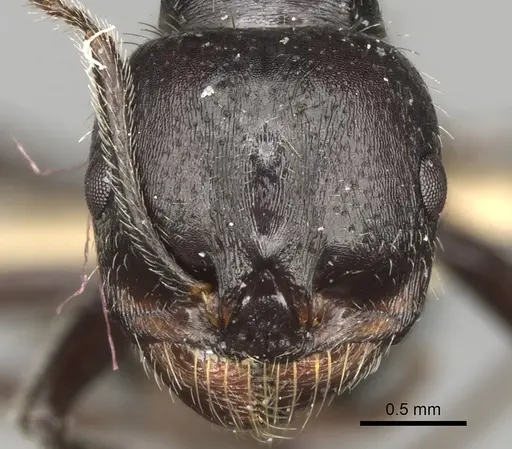
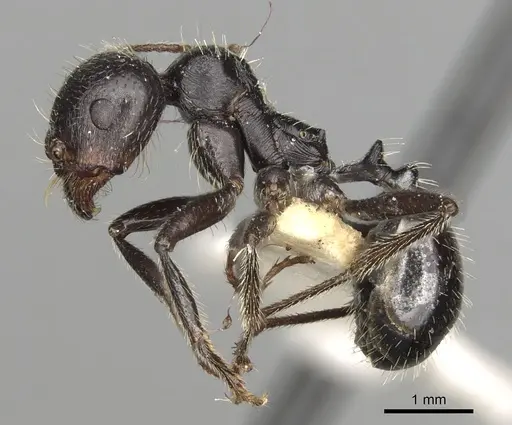
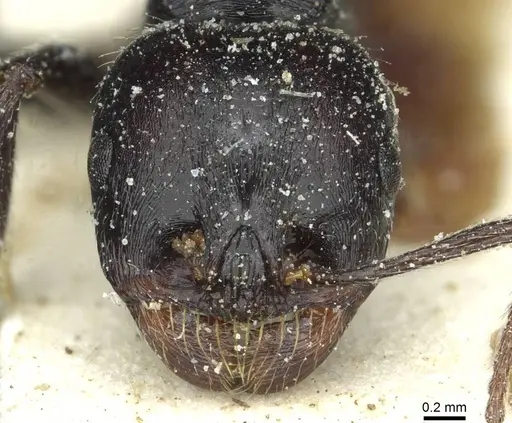
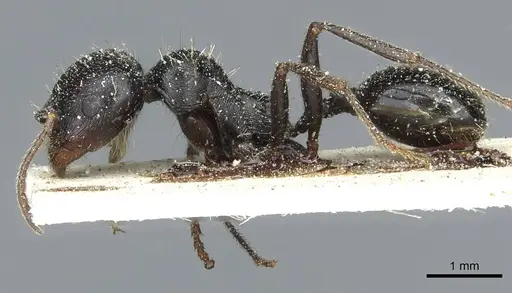
Messor hispanicus is a small harvester ant native to the Iberian Peninsula and Morocco . Workers measure 3.2–6.5 mm and are black with well-developed hairs on the abdomen . They live in open, xerophilous habitats with Mediterranean vegetation, often in dry, sunny areas . Like other Messor, they forage in columns or trunk trails to collect seeds, which they store in the nest . This seed-based diet makes them distinct from many other ants.
Quick Summary
- Difficulty: Medium
- Origin & Habitat: Iberian Peninsula and Morocco, found in open xerophilous places with Mediterranean vegetation, dry and sunny [2][6][7]
- Colony Type: Unconfirmed – inferred from genus patterns as monogyne (single queen)
- Size & Growth:
- Queen: No data for this species, related Messor species reach up to 10 mm [8]
- Worker: 3.2–6.5 mm [1]
- Colony: Unknown – no data available
- Growth: Moderate (inferred from genus patterns)
- Development: Unknown – estimated 6–12 weeks based on genus patterns (Development time likely temperature-dependent, exact data lacking)
- Antkeeping:
- Temperature: Mediterranean species, keep at room temperature with a warm spot (e.g., heating cable on one side). Exact optimal range unknown
- Humidity: Low to moderate – they come from dry, xerophilous habitats. Keep the nest substrate mostly dry but provide a water source. Avoid moisture buildup
- Diapause: Unknown – likely requires a winter rest based on Mediterranean origin, but duration and necessity are not confirmed. Provide a cool period if possible, but caution advised without specific data
- Nesting: Test tube for founding, Y-tong or plaster nest for larger colonies. Avoid constant moisture in the nest
- Behavior: Forages via trunk trails or foraging columns to collect seeds [4][5]. Temperament unknown – likely non‑aggressive based on genus. Escape risk low (workers over 3 mm) but use standard barriers for small species
- Common Issues: mold from overwatering – keep nest dry, seed‑based diet essential, avoid excess sugar as they are granivores, slow initial growth – be patient during founding, winter care unclear – if you provide a cool rest, do so cautiously and monitor
Housing and Nest Setup
Start a founding colony in a standard test tube setup with a water reservoir. Once the colony reaches 20–30 workers, move them into a Y‑tong or plaster nest with dry chambers. These ants prefer low humidity, so avoid setups that stay wet. A small outworld with a foraging area allows you to observe their seed‑harvesting. Use fluon or PTFE on connections to prevent escapes. The exact preferred chamber size is unknown, but start with a small nest and expand as the colony grows.
Feeding and Diet
Messor hispanicus is primarily granivorous, collecting and storing seeds in underground chambers [5]. Offer a variety of seeds: grass seeds, millet, cracked sunflower seeds, and commercial ant seed mixes. They may also accept small insects like mealworms as protein supplement, but seeds should be the main diet. Provide a shallow water dish or water tube at all times. Unlike many ants, they do not need sugary liquids. Remove old seeds to prevent mold.
Temperature and Seasonal Care
This Mediterranean species does well at typical room temperatures (20–26 °C). You can use a heating cable on one side of the nest to create a gradient, but exact needs are unknown. During winter, they likely benefit from a cool rest period, as they are from a temperate region. However, no specific diapause data exists for Messor hispanicus. If you attempt hibernation, keep them at 10–15 °C for a few weeks and monitor carefully. Return to normal temperatures gradually in spring.
Behavior and Colony Dynamics
Foraging columns or trunk trails are the main strategy for collecting seeds [4][5]. Colony structure is inferred from genus patterns: likely a single queen (monogyne) and possibly a caste of major workers for seed processing. Major workers have large heads and powerful mandibles. The colony growth timeline is not documented, but based on related Messor species, it is moderate. They are not aggressive and rarely sting, but this may vary.
Growth and Development
The founding queen likely starts a colony claustrally, living off stored fat until the first workers emerge. The exact duration from egg to worker is unknown, estimates from related species suggest 6–12 weeks under warm conditions. The first workers (nanitics) are smaller than mature workers. Colony growth is slow at first, accelerating after the first year. Be patient during founding and avoid disturbing the queen.
Frequently Asked Questions
How long does it take for Messor hispanicus to have first workers?
The exact time is unknown, but based on related Messor species, first workers likely emerge 6–12 weeks after the queen lays eggs, depending on temperature. Warmer conditions speed development.
What do Messor hispanicus ants eat?
They are primarily seed‑eaters. Offer grass seeds, millet, cracked sunflower seeds, and commercial ant seed mixes. They occasionally accept small insects like mealworms, but seeds should be the main food. No need for sugar water.
Can I keep multiple Messor hispanicus queens together?
Not recommended. Based on genus patterns, colonies are monogyne (single queen). Multiple queens will likely fight. House one queen per colony.
Do Messor hispanicus ants sting?
There is no specific data for this species. Related Messor rarely sting and are non‑aggressive toward humans. Any sting would be mild, but handle with care.
Do Messor hispanicus need hibernation?
Probably yes, as they originate from a Mediterranean climate with cool winters. But the exact requirements are unknown. If you provide a winter rest (8–12 weeks at 10–15 °C), monitor the colony. Not feeding during this period is advisable.
How big do Messor hispanicus colonies get?
No data is available on maximum colony size for this species. Related Messor can reach thousands of workers, but this is speculation.
What temperature is best for Messor hispanicus?
Room temperature (20–26 °C) works well. A heating cable on one side can create a gradient. Avoid extremes.
Are Messor hispanicus good for beginners?
They could be suitable because of their simple diet and low humidity needs, but limited captive care data makes it uncertain. Patience is required during founding.
When should I move my Messor hispanicus to a formicarium?
Move them when the test tube becomes crowded or the colony reaches 30+ workers. A Y‑tong or plaster nest with appropriately sized chambers is recommended.
Why are my Messor hispanicus dying?
Common causes include overwatering (mold), temperature extremes, disturbing the queen during founding, or an improper diet (e.g., too much sugar). Check conditions: dry, warm, seed‑based.
Report an Issue
The current care sheet is based fully on literature. See inconsistencies, or something that's incorrect? Please , it will be resolved after review from an admin. Contributing to the blogs tab also helps providing information, to make us be able to further improve the caresheets. Thank you for your support!
References

This caresheet is licensed under CC BY-SA 4.0 .
Community Blogs
CASENT0281601
View on AntWeb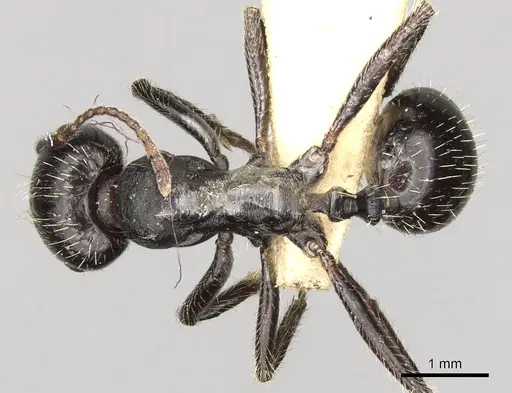
CASENT0913187
View on AntWeb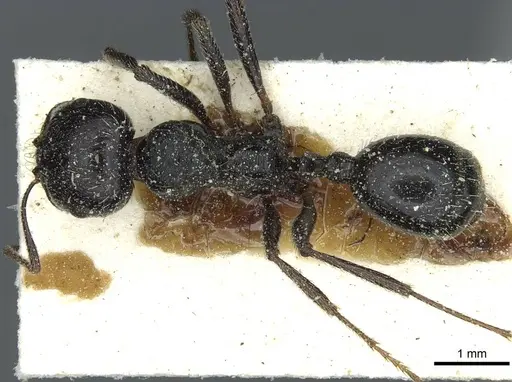
Literature
Loading distribution map...Loading products...