
Messor grandinidus
- Sci. Name
- Messor grandinidus
- Tribe
- Stenammini
- Subfamily
- Myrmicinae
- Author
- Emery, 1912
- Distribution
- Found in 2 countries
Introduction
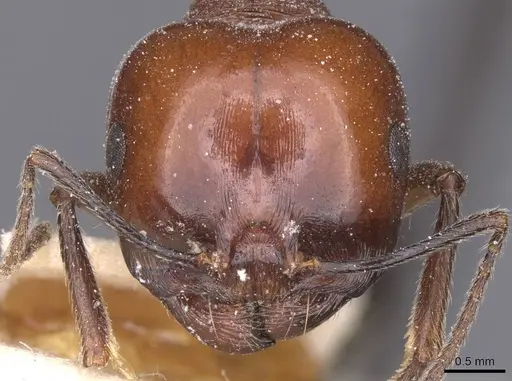
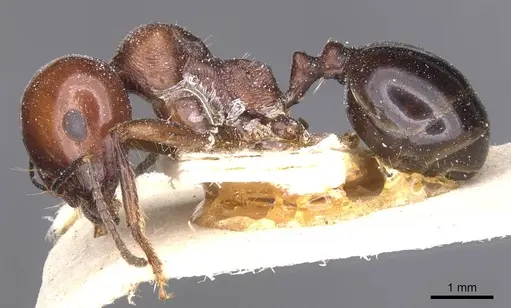
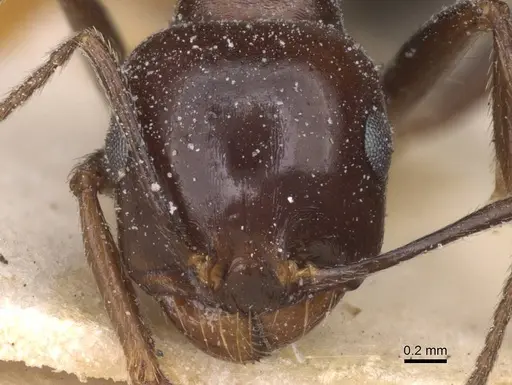
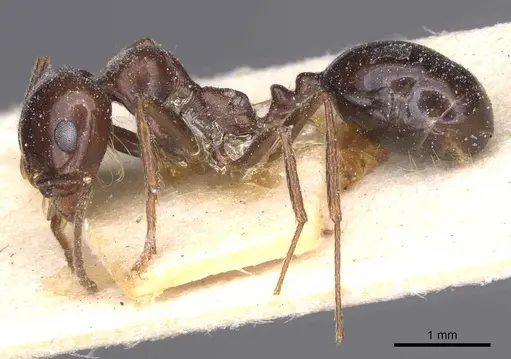
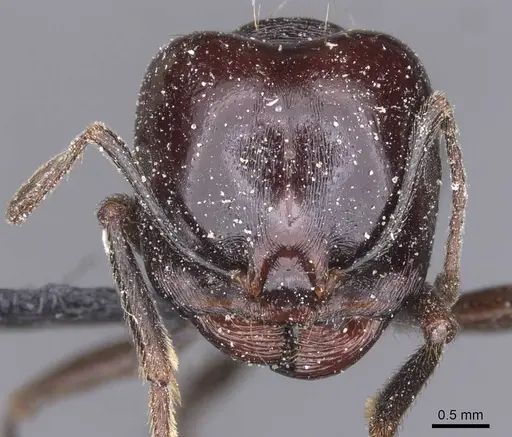
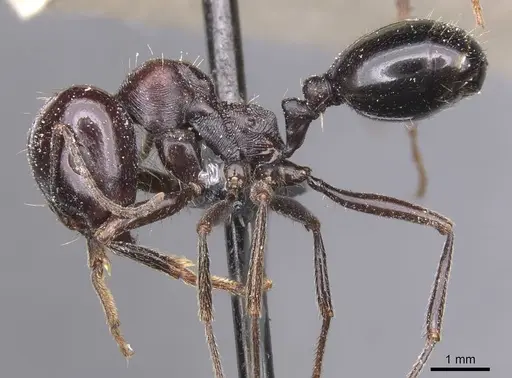
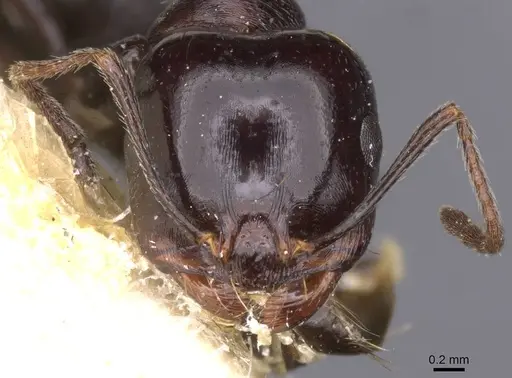
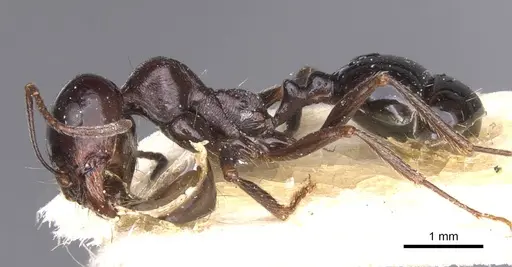
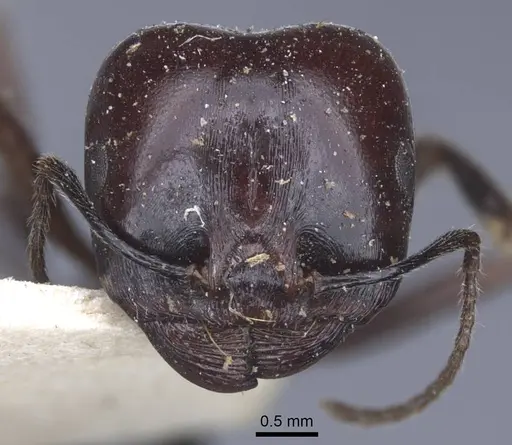
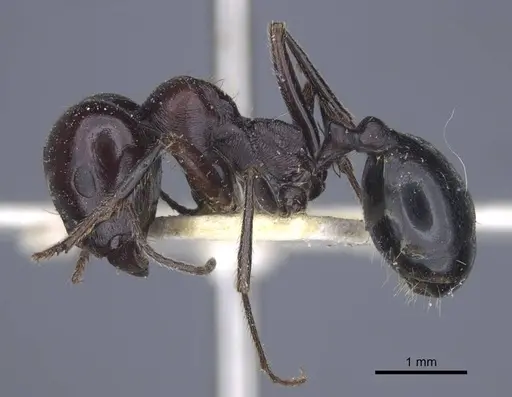
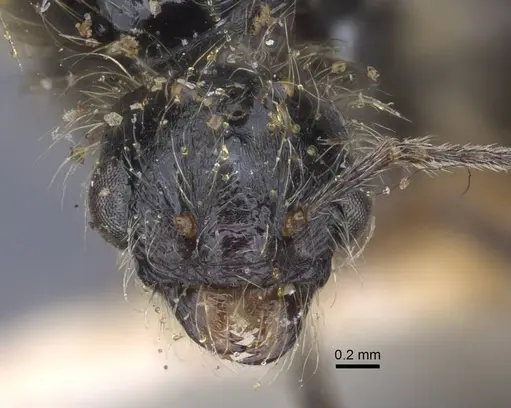
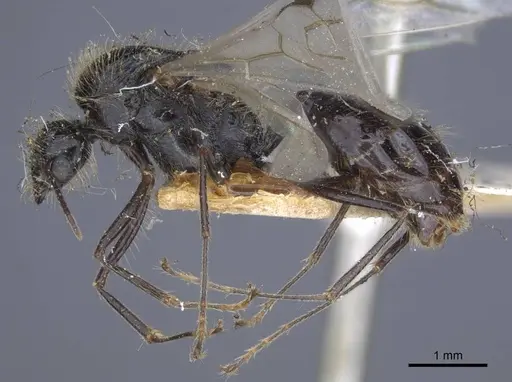
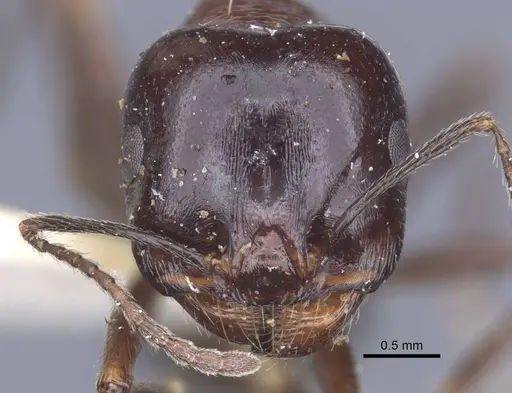
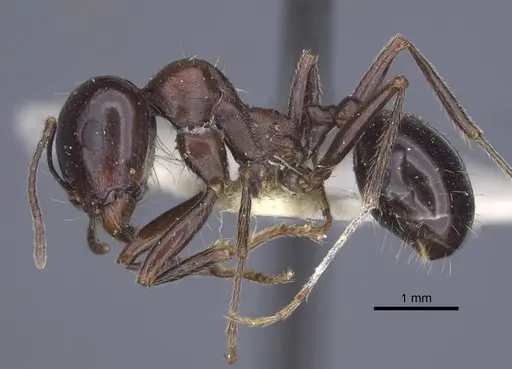
Messor grandinidus is a medium-sized seed-harvesting ant native to North Africa, found in Morocco, Tunisia, and Algeria . Workers measure up to 10 mm in total length with generally brown coloration, ranging from coffee-brown to nearly black . The species has a smooth appearance with a sugar-loaf shaped petiole rounded at the summit, and the propodeum has strong keels but no teeth . Colonies typically develop major workers for seed processing, a common trait in the Messor genus [inferred]. The species was originally described as a subspecies of Messor barbarus and later elevated to species status .
Quick Summary
- Difficulty: Medium
- Origin & Habitat: North Africa, Morocco, Tunisia, and Algeria. Found in dry Mediterranean habitats including forests at elevations of 946-1100 m [2].
- Colony Type: Unconfirmed, research context does not specify colony structure.
- Size & Growth:
- Queen: Up to 10 mm [2][3]
- Worker: Up to 10 mm for major workers, minor workers are smaller, specific size data unavailable [2][3]
- Colony: Unknown, no specific data in context
- Growth: Moderate, inferred from Messor genus patterns
- Development: Unknown, no data in context (Development time may vary with temperature, warmer conditions could accelerate growth)
- Antkeeping:
- Temperature: Keep at 22-28°C. These ants come from warm climates and prefer elevated temperatures. Use a heating cable to create a gradient for self-regulation [4]
- Humidity: Low to moderate humidity, dry to semi-dry conditions. Allow nest substrate to dry between waterings, providing a moisture gradient [4]
- Diapause: Unknown, research context does not specify diapause requirements. Based on temperate range, winter rest may be beneficial
- Nesting: Y-tong (AAC), plaster, or naturalistic setups work well. Provide dry nesting areas with some moist chambers for brood development [4]
- Behavior: Generally peaceful temperament but can be defensive if threatened. Seed-harvesting behavior is prominent, they collect and process seeds rather than actively hunting prey. Major workers have specialized head morphology for seed crushing. They are not particularly aggressive toward keepers but may spray formic acid when disturbed. Escape risk is moderate due to their size, standard barrier methods are sufficient [4].
- Common Issues: mold growth from overwatering, these dry-habitat ants suffer in humid conditions., seed storage can lead to fungal contamination if not managed properly., colonies may fail if given too much protein when seeds are available, they prefer seeds., winter die-offs if diapause conditions are not provided., major workers can block narrow formicarium connections when present.
Nest Preferences and Housing
Messor grandinidus does well in Y-tong nests, plaster formicariums, or naturalistic setups with appropriate substrate. These ants prefer dry nesting conditions with some variation, provide a moisture gradient with one area slightly moister for brood development and another dry area for seed storage. The nest should have chambers sized appropriately for the colony size, with passages wide enough for major workers to move through easily. Avoid overly compact substrates that can cause flooding. Test tube setups work for founding colonies but will need upgrading as the colony grows. Ensure adequate ventilation while maintaining dry conditions, stagnant air leads to mold problems with this species [4]. Morphological details like the sugar-loaf petiole and smooth appearance are key identifiers [2][3].
Feeding and Diet
As a seed-harvester, Messor grandinidus primarily collects and processes seeds. Provide a variety of seeds including grass seeds, millet, sunflower seeds (cracked), and commercial ant seed mixes. The ants will crack seeds open using their specialized mandibles and store them in granaries within the nest. While seeds form the bulk of their diet, they also accept protein sources including small insects, mealworms, and cricket pieces. Offer protein 1-2 times weekly alongside constant access to seeds. Some keepers report that these ants prefer seeds over insect prey, so ensure seed availability is never limited. Fresh water should always be available. Avoid sugary liquids unless accepted, Messor species are not typically heavy honeydew consumers [4].
Temperature and Seasonal Care
Maintain nest temperatures between 22-28°C for optimal brood development. These North African ants thrive in warm conditions and will become sluggish below 20°C. Use a heating cable or heating mat on one side of the nest to create a temperature gradient, this allows workers to move between warmer and cooler areas as needed. Place heating on top of the nest rather than underneath to avoid excessive moisture evaporation. During winter months, reduce temperatures to 10-15°C to provide a potential diapause period, though research context does not specify requirements. This winter rest may be important for colony health. Do not feed heavily during diapause, reduce food offerings as the colony slows down [4].
Colony Development and Growth
Messor grandinidus colonies grow at a moderate pace compared to many ant species. A newly mated queen will seal herself in a claustral chamber and raise her first brood on stored fat reserves, this founding stage duration is unknown but typical for the genus. The initial workers are smaller than mature workers but will begin seed collection immediately. Major workers with enlarged heads typically appear once the colony reaches several dozen workers. These specialists handle seed processing while minor workers focus on forager duties. Growth rate can be influenced by temperature, food quality, and colony size, warmer conditions and abundant seeds support faster development [4].
Behavior and Temperament
This species displays typical Messor genus behaviors including organized seed harvesting and storage. Workers forage individually rather than in groups, carrying seeds back to the nest in their mandibles. Major workers remain near the nest to process collected seeds, cracking them open and storing the fragments in designated nest areas. When threatened, workers may spray formic acid as a defense mechanism, this is more of a deterrent than a serious threat to keepers. The ants are generally calm and not prone to excessive biting or stinging. They are moderate escape artists, standard barrier methods like fluon on formicarium rims are sufficient to contain them. Activity levels increase with temperature, and workers become more visible during warmer months [4].
Frequently Asked Questions
How long does it take for Messor grandinidus to raise first workers?
Research context does not specify, but based on typical Messor genus patterns, first workers may emerge around 6-8 weeks after queen lays eggs, assuming temperatures around 25°C. This founding period depends on temperature, cooler conditions will slow development.
What do Messor grandinidus ants eat?
They are primarily seed-harvesters. Offer a variety of seeds including grass seeds, cracked sunflower seeds, millet, and commercial ant seed mixes. They also accept protein like small insects, mealworms, and cricket pieces 1-2 times weekly.
Do Messor grandinidus ants need hibernation?
Research context does not specify, but based on temperate North African range, winter rest may be beneficial. Reduce temperatures to 10-15°C for 2-3 months during winter and reduce feeding.
How big do Messor grandinidus colonies get?
No specific data on colony size is available in the research context. Based on Messor genus patterns, colonies may reach several hundred workers at maturity.
Can I keep multiple Messor grandinidus queens together?
Colony type is unconfirmed in research, but based on Messor genus patterns, they are likely monogyne (single queen). Combining unrelated queens typically results in fighting.
What temperature range is best for Messor grandinidus?
Keep them at 22-28°C with a gradient. Use a heating cable on one side of the nest to create warmer areas around 25-28°C and cooler areas around 22°C for self-regulation.
Are Messor grandinidus good for beginners?
They are intermediate in difficulty. While not as demanding as some species, they require attention to humidity levels (they prefer dry conditions) and seed-based diets. Experienced beginners should have success.
Do Messor grandinidus ants sting?
They can spray formic acid as a defense, which may cause mild skin irritation. They are not aggressive toward keepers and rarely bite. The spray is more of a deterrent than a serious threat.
When should I move my Messor grandinidus to a formicarium?
Move from test tube to a proper nest once the colony reaches 30-50 workers or when the test tube becomes crowded. Ensure the new setup provides appropriate dry conditions with a moisture gradient.
Why are my Messor grandinidus dying?
Common causes include: overhumidity leading to mold, insufficient seed availability, temperatures below 20°C, or stress from disturbance during founding. Check that conditions match their dry, warm habitat preferences.
Report an Issue
The current care sheet is based fully on literature. See inconsistencies, or something that's incorrect? Please , it will be resolved after review from an admin. Contributing to the blogs tab also helps providing information, to make us be able to further improve the caresheets. Thank you for your support!
References

This caresheet is licensed under CC BY-SA 4.0 .
Community Blogs
CASENT0913168
View on AntWeb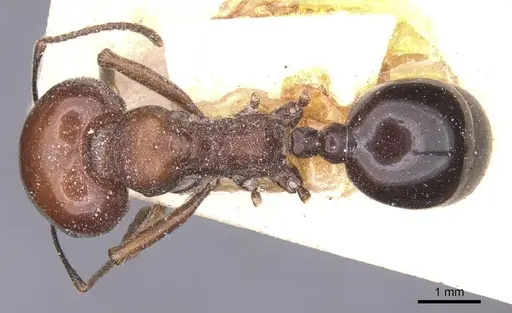
CASENT0913169
View on AntWeb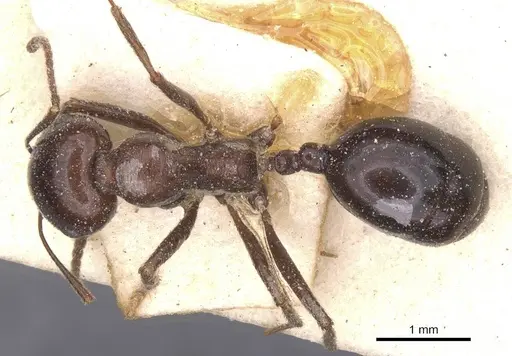
CASENT0913221
View on AntWeb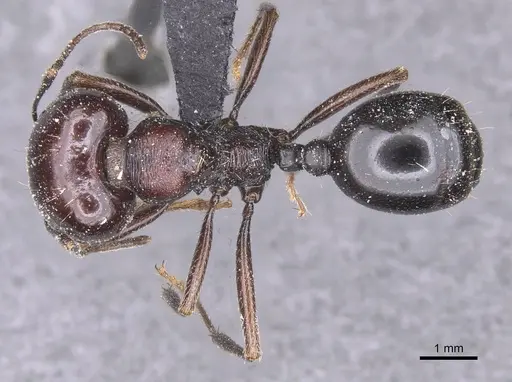
CASENT0913222
View on AntWeb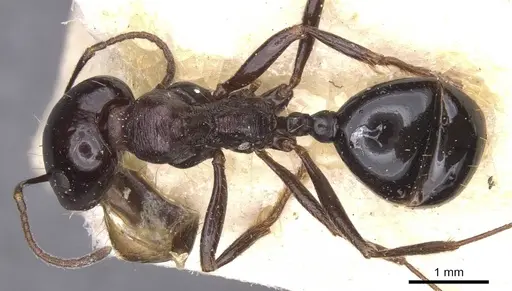
CASENT0916933
View on AntWeb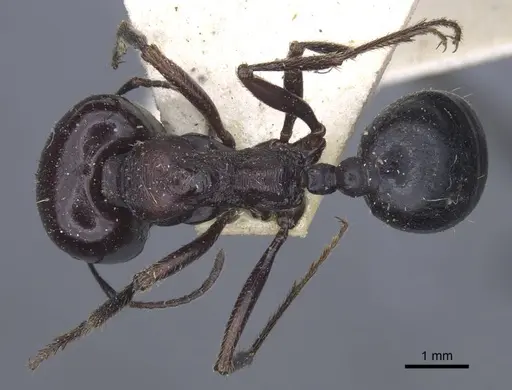
CASENT0916934
View on AntWeb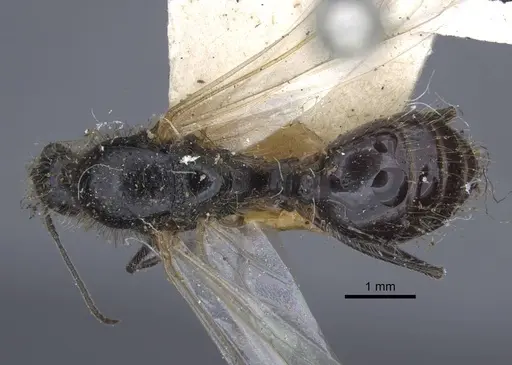
CASENT0916935
View on AntWeb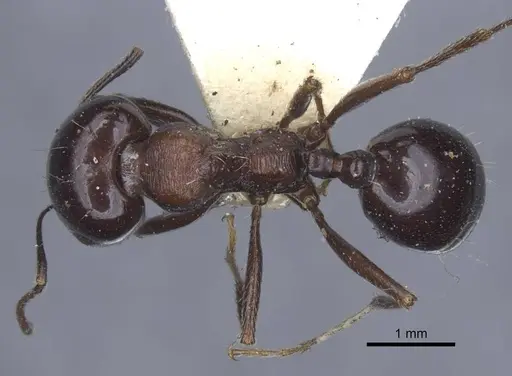
Literature
Loading distribution map...Loading products...