
Messor galla
- Sci. Name
- Messor galla
- Tribe
- Stenammini
- Subfamily
- Myrmicinae
- Author
- Mayr, 1904
- Distribution
- Found in 7 countries
Introduction
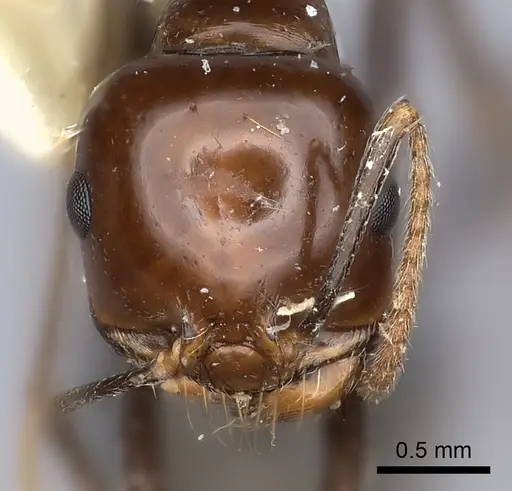
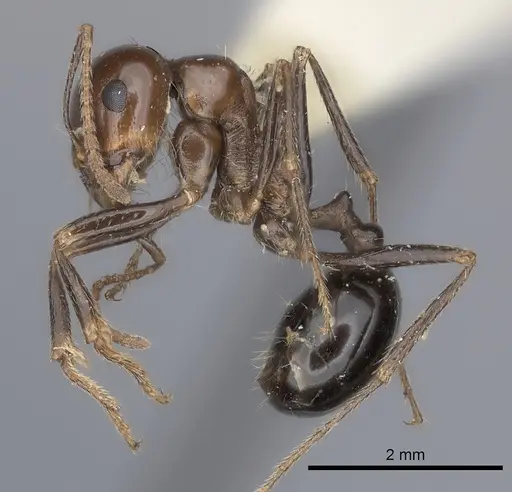
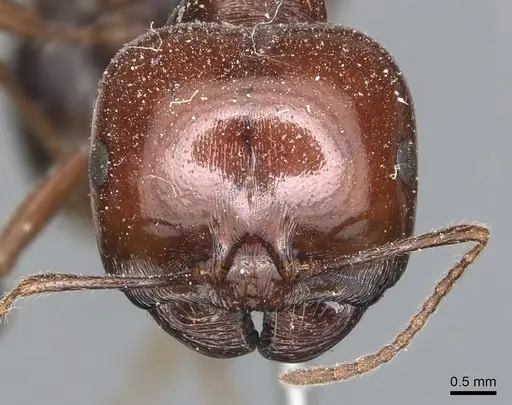
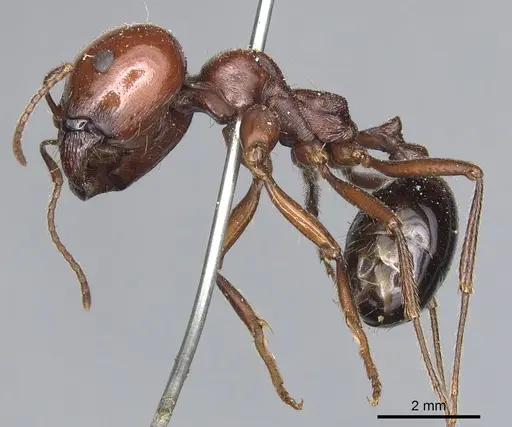
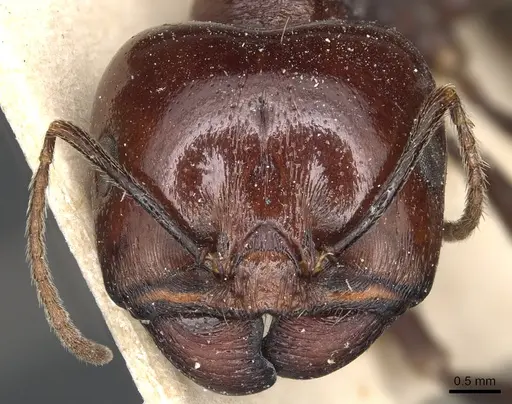
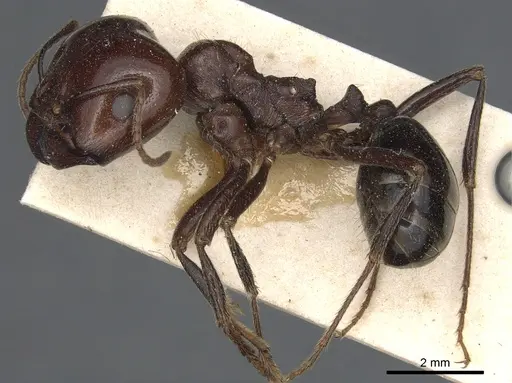
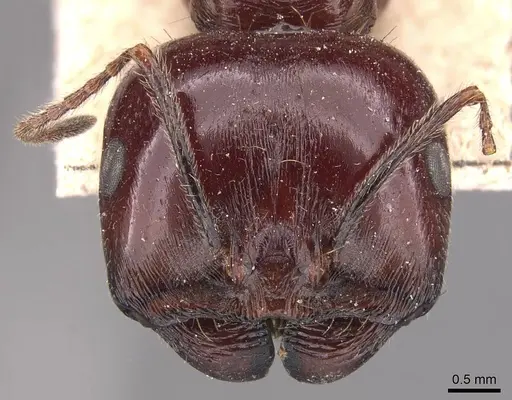
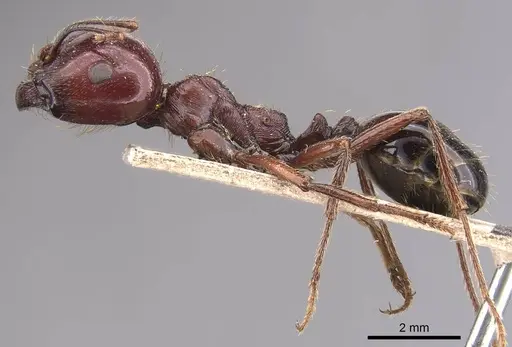
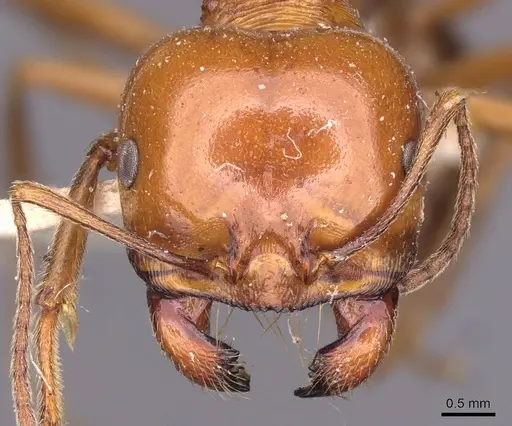
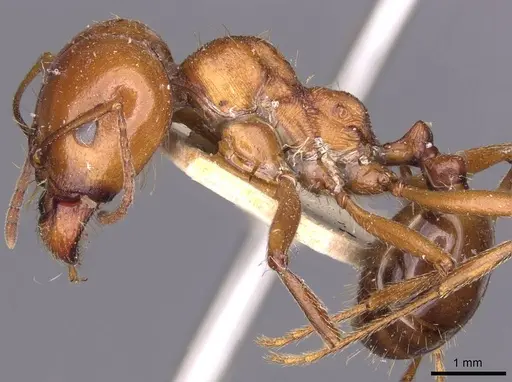
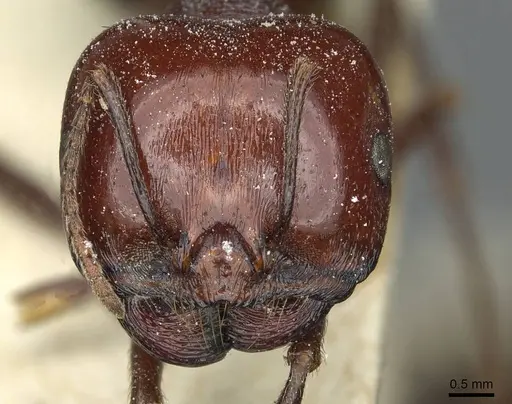
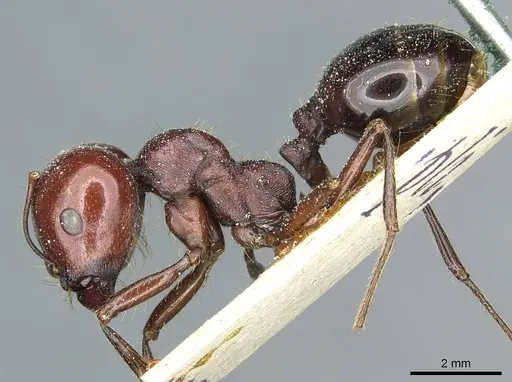
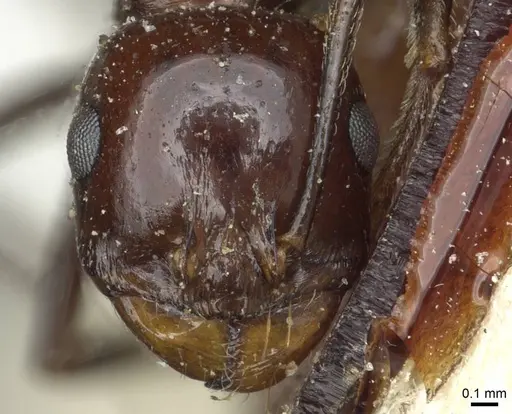
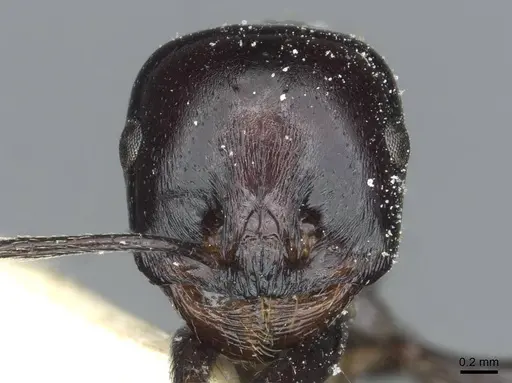
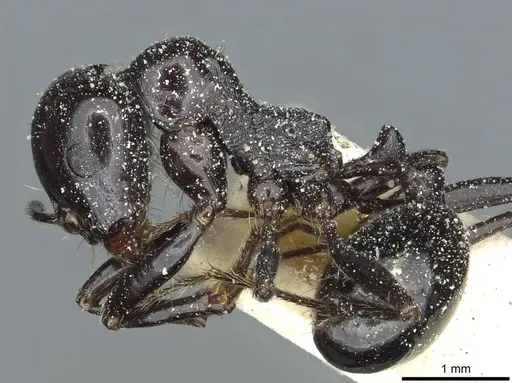
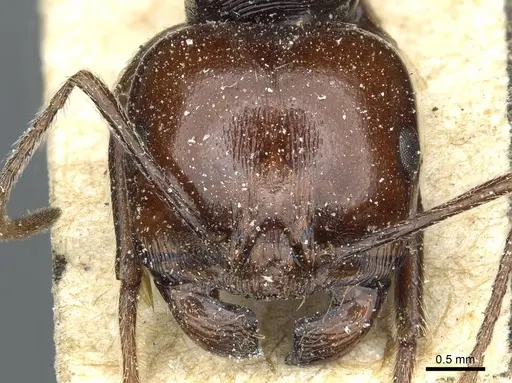
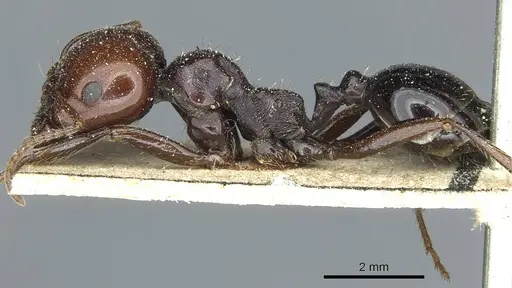
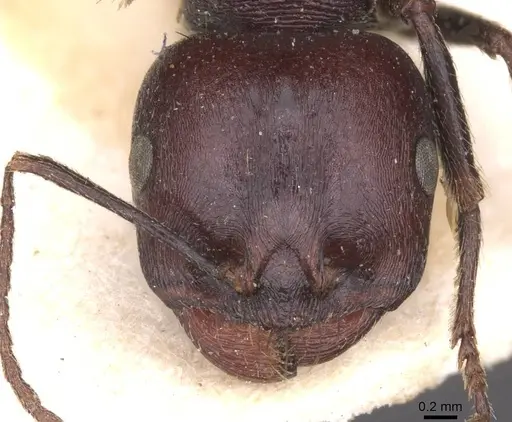
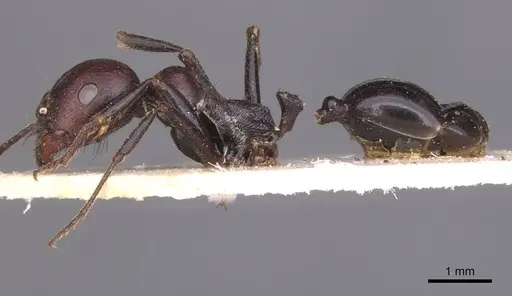
Messor galla is a medium to large harvester ant from sub-Saharan Africa and the Arabian Peninsula. Workers range from 3 to 12 mm total length . They have a smooth, shiny head with a thin strip of ridges down the middle, and their colour goes from reddish‑brown to blackish‑brown, usually with a darker gaster . This species is the most widespread and successful Messor in the northern half of sub‑Saharan Africa, living from Senegal east to Kenya and south to Tanzania . They are seed‑harvesting ants that build deep underground nests with chambers for the queen, seed storage, and brood rearing . Their foraging trails can extend over 140 meters from the nest entrance . What makes M. galla especially interesting is their worker caste system - workers come in three distinct sizes (minor, media, major) that specialise in different tasks. Research in Nigeria shows that major workers are better at carrying heavier seeds like millet and sorghum, while media workers handle rice and wheat more efficiently . They are also significant agricultural pests in tropical regions, where they harvest cereal seeds directly from crops and stored grain, causing major losses to millet, wheat, sorghum, and rice production .
Quick Summary
- Difficulty: Medium
- Origin & Habitat: Sub-Saharan Africa and the Arabian Peninsula, found across the Sahelian zone from Senegal to Kenya, also recorded from Iran, Oman, Saudi Arabia, and Yemen. Lives in cultivated valleys, savanna zones, and grassland areas with sandy or loamy soils [3][7].
- Colony Type: Single‑queen colonies (monogyne) with a polymorphic worker caste system (minor, media, major). Colonies are perennial and contain workers, males, and females [4].
- Size & Growth:
- Queen: ~9-12 mm (inferred from largest worker size [1])
- Worker: 3-12 mm total length, typically three castes: minor ~3-4 mm, media ~5-7 mm, major ~8-12 mm [5][1]
- Colony: Up to several thousand workers in mature colonies (based on related Messor species and colony structure [4])
- Growth: Moderate
- Development: Estimated 6-8 weeks at 26-28°C (genus‑level pattern) (Specific timing for this species has not been directly studied, based on typical Messor development.)
- Antkeeping:
- Temperature: Keep at 24-30°C. In the wild, they start foraging at ~22°C, peak at ~31.5°C, and avoid temperatures above 33°C [4]. A heat cable on one side of the nest creates a gradient.
- Humidity: Moderate: nest in soil and prefer loamy sand that holds some moisture. Keep the substrate slightly moist but not waterlogged. They tolerate drier conditions than many tropical ants, as they come from semi‑arid savanna.
- Diapause: No, this is a tropical/subtropical species that does not need hibernation. Activity naturally drops during the rainy season (July-October in West Africa) because rain disrupts foraging [4]. Keep them active year‑round at warm temperatures.
- Nesting: Soil‑dwelling. They build complex underground nests with chambers connected by galleries. Use a formicarium with at least 10-15 cm of sandy/loamy substrate. A water reservoir connected to the substrate helps maintain moisture. Test tubes are only for founding queens.
- Behavior: Diurnal and highly active foragers. They form long trunk trails (over 100 m) and harvest seeds as their main food. Minor workers handle small seeds and nest maintenance, media workers are versatile foragers, and major workers specialise in carrying larger seeds. They are not aggressive towards keepers but will defend their nest vigorously. They have a functional stinger, but it is small and rarely penetrates human skin. Escape risk: moderate, they are medium‑sized ants but good climbers, use standard barriers.
- Common Issues: colonies can outgrow small formicariums quickly, plan for expansion., seed storage in nests can grow mould if humidity is too high, balance moisture carefully., major workers may have trouble moving through narrow tubes, provide wide paths., they are agricultural pests in their native range, never release them outside Africa., wild‑caught colonies may carry parasites that can affect captive colonies.
Nest Preferences and Housing
Messor galla is a soil‑dwelling species that needs a naturalistic setup with deep substrate. In the wild, they construct complex underground nests with a central chamber where the queen lives, eggs are laid, seeds are stored, and brood is reared, surrounded by peripheral galleries for workers. Nest depth varies from 52-120 cm depending on the substrate, and shallower nests occur in rocky areas [4].
For captive care, use a formicarium with at least 10-15 cm of sandy‑loamy substrate. A mix of play sand and soil works well. The substrate should hold moisture without becoming waterlogged. Connect a water reservoir or hydration system to keep it slightly moist. Test tubes are only suitable for founding queens. Once the colony reaches 20-30 workers, move them to a proper formicarium with soil. The outworld should be large enough for their foraging trails and seed storage. Cover the nest area to encourage natural tunnelling [4].
Feeding and Diet
As a granivorous species, Messor galla mainly harvests and stores seeds. In captivity, offer a variety of seeds: millet, wheat, sorghum, and rice reflect their natural diet and the crops they exploit in agricultural areas [6][5]. They show a strong preference for millet, which attracts the highest foraging activity, followed by wheat, then rice and sorghum [5].
They are also omnivorous and will take protein. Offer small insects like fruit flies, small crickets, or mealworms occasionally. They also collect dried grass leaves and scavenge on organic debris [4]. Keep a constant supply of seeds in the outworld and remove any uneaten seeds that show signs of mould.
The three worker castes handle different seed sizes: minors are best for small seeds like millet, media for medium seeds like rice and wheat, and majors for larger seeds like sorghum [5]. Provide a mix of seed sizes so all castes can work efficiently.
Temperature and Seasonal Care
Messor galla is a warm‑adapted subtropical species that thrives at 24-30°C. In the wild, they are diurnal and their activity is directly tied to temperature. They start foraging at ~22°C (around 06:00), reach peak activity at ~31.5°C (noon), then reduce activity during the hottest afternoon hours (32-33°C). Foraging resumes in the evening when temperatures drop back to 28°C [4].
In captivity, create a temperature gradient using a heat cable on one side of the nest. This lets the colony thermoregulate. Avoid keeping them below 20°C for long periods.
Unlike temperate species, M. galla does not need hibernation or diapause. They stay active year‑round when kept warm. Their activity naturally decreases during the rainy season (July-October in West Africa) because rain disrupts foraging [4]. You can ignore this seasonal variation or simulate it if you want.
Behavior and Colony Dynamics
Messor galla colonies are highly organised. The worker force has three size classes: minors (~44% of the population), media (~32%), and majors (~24%) [5]. Majors specialise in carrying large, heavy seeds, media handle medium seeds, minors handle small seeds and nest maintenance. Foraging happens along established trunk trails that can be 96-143 m long in the wild [4]. They create nest craters about 47 cm in radius around the entrance.
The colony keeps a central area for the queen and brood, with peripheral chambers for workers. They are not particularly aggressive but will defend their nest. Their stinger is small and rarely a concern for keepers. They are excellent climbers, so use standard escape prevention.
Growth and Development
Colony growth follows the typical pattern for claustral founding species. The queen seals herself in a chamber after mating and raises the first brood of nanitics alone on stored fat reserves. Once the first workers emerge, they take over foraging and nest maintenance.
Based on genus‑level patterns, development from egg to first worker takes about 6-8 weeks at optimal temperatures. The colony then grows progressively as the queen keeps laying eggs. Mature colonies can reach thousands of workers.
The polymorphic caste system develops as the colony grows, more majors appear as the colony becomes larger. Research shows the proportion of each caste stays relatively stable, with minors always being the most common [5].
Legal and Ethical Considerations
Messor galla is widely distributed across sub‑Saharan Africa and the Arabian Peninsula, recorded from Nigeria, Ghana, Senegal, Mali, Ethiopia, Kenya, and also Iran, Oman, Saudi Arabia, and Yemen [3][8]. Never release this species outside its established range. In its native range it is an agricultural pest that damages cereal crops [6][9]. Releasing it in new areas could cause ecological and economic problems.
Make sure your colony was obtained legally and ethically. Wild‑caught colonies may carry parasites. Consider buying from reputable breeders who maintain sustainable, legal colonies.
Frequently Asked Questions
How long does it take for Messor galla to produce first workers?
Based on typical Messor development, expect 6-8 weeks from egg to first worker at 26-28°C. The queen raises the first brood alone on stored reserves.
What do Messor galla ants eat?
They are primarily seed‑eaters, offer millet, wheat, sorghum, and rice. They also accept small insects for protein. They show a strong preference for millet [5].
Can I keep Messor galla in a test tube?
Only for the founding queen. Once the colony reaches 20-30 workers, they need a naturalistic setup with at least 10-15 cm of soil substrate to build their tunnel systems [4].
Do Messor galla ants sting?
They have a functional stinger, but it is small and rarely penetrates human skin. They are not aggressive toward keepers but will defend their nest.
What temperature do Messor galla ants need?
Keep them at 24-30°C. In the wild they are most active when it's warm, starting foraging at ~22°C and peaking at ~31.5°C [4].
How big do Messor galla colonies get?
They form large, perennial colonies with thousands of workers, a queen, and multiple worker castes (minor, media, major) [4].
Do Messor galla need hibernation?
No, they are tropical/subtropical and do not need hibernation. Keep them active year‑round at warm temperatures. Their activity slows down during rainy seasons, but that is not a true diapause [4].
Are Messor galla good for beginners?
They are rated medium difficulty. They need specialised housing (deep soil formicarium) rather than simple test tubes. Once set up, their care is straightforward, and their polymorphic workers and seed‑harvesting behaviour are fascinating to watch.
Why are my Messor galla dying?
Common issues: temperature below 24°C, improper humidity causing mould in seed stores, too small housing, frequent disturbances, or parasites from wild‑caught colonies.
When should I move Messor galla to a formicarium?
Move them once the colony reaches 20-30 workers. They need soil substrate to build natural tunnel systems, test tubes are only for founding [4].
What makes Messor galla different from other ants?
They have three distinct worker sizes (minor, media, major) that specialise in different seeds. They also form extremely long foraging trails (over 100 m) [5][4].
Report an Issue
The current care sheet is based fully on literature. See inconsistencies, or something that's incorrect? Please , it will be resolved after review from an admin. Contributing to the blogs tab also helps providing information, to make us be able to further improve the caresheets. Thank you for your support!
References

This caresheet is licensed under CC BY-SA 4.0 .
Community Blogs
CASENT0217873
View on AntWeb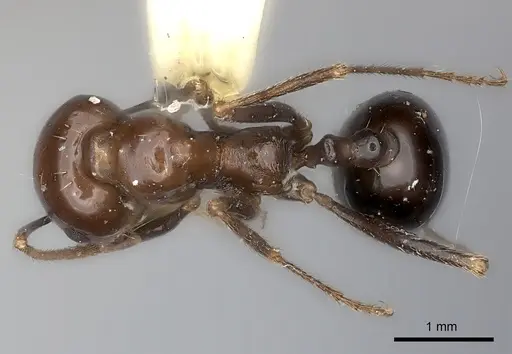
CASENT0904127
View on AntWeb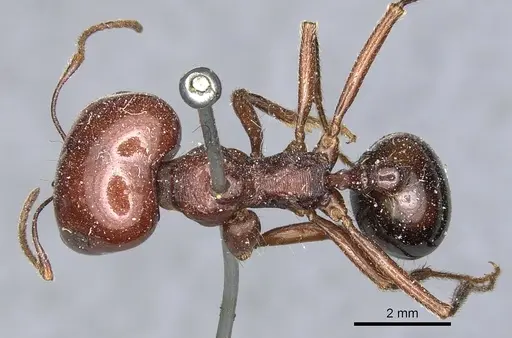
CASENT0904128
View on AntWeb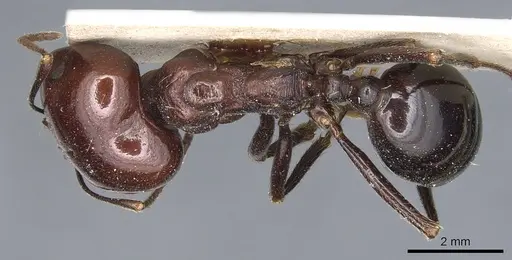
CASENT0905774
View on AntWeb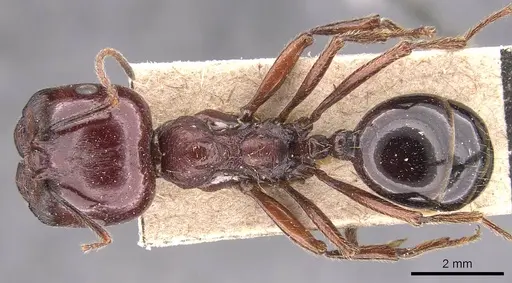
CASENT0907718
View on AntWeb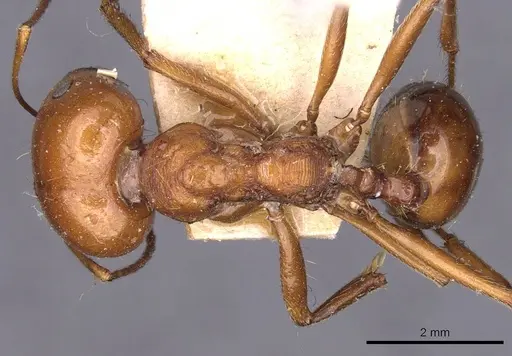
CASENT0913179
View on AntWeb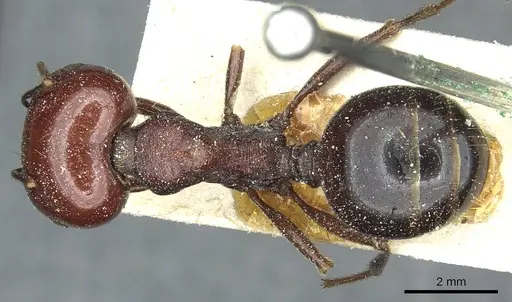
CASENT0913180
View on AntWeb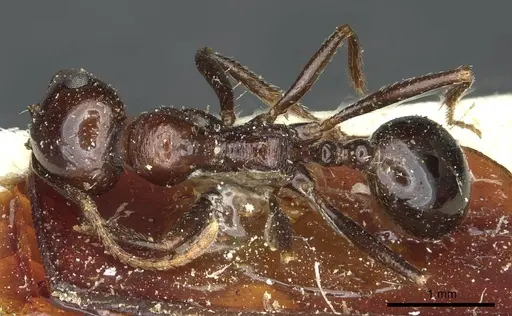
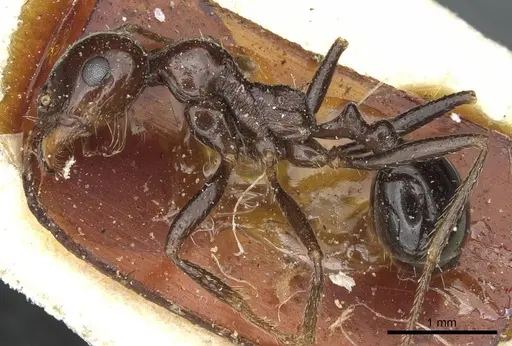
CASENT0913181
View on AntWeb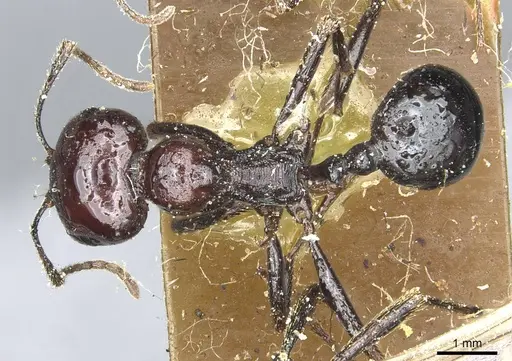
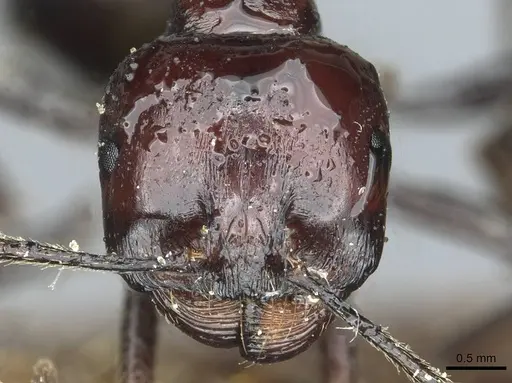
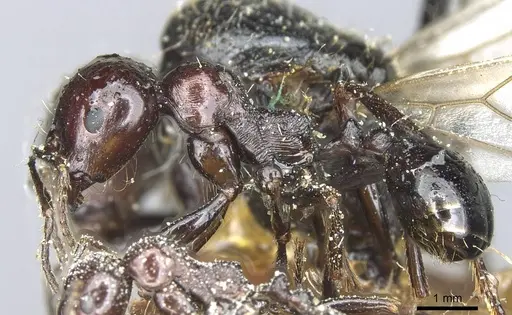
CASENT0913182
View on AntWeb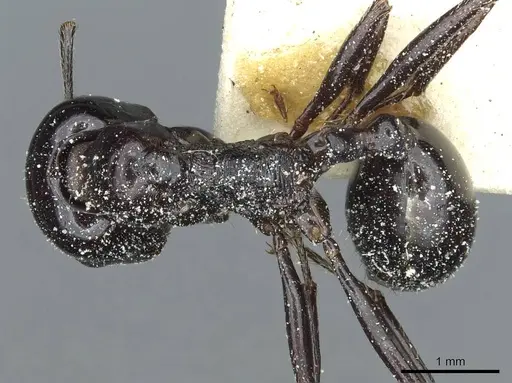
CASENT0913183
View on AntWeb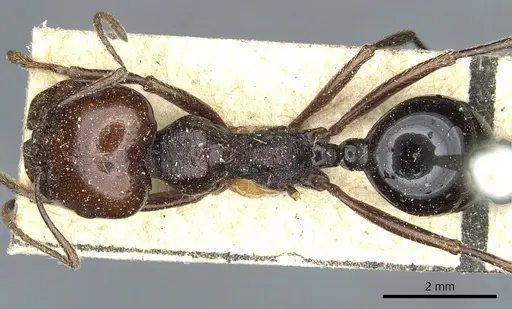
CASENT0913628
View on AntWeb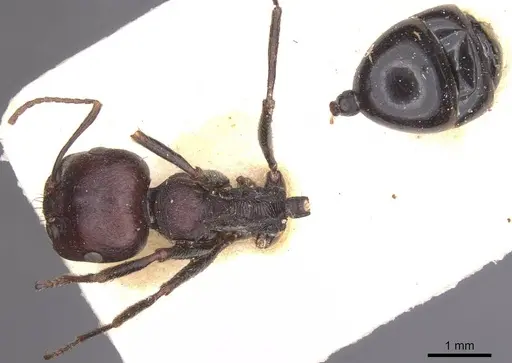
Literature
Loading distribution map...Loading products...