
Meranoplus wilsoni
- Sci. Name
- Meranoplus wilsoni
- Tribe
- Crematogastrini
- Subfamily
- Myrmicinae
- Author
- Schödl, 2007
- Distribution
- Found in 1 countries
Introduction
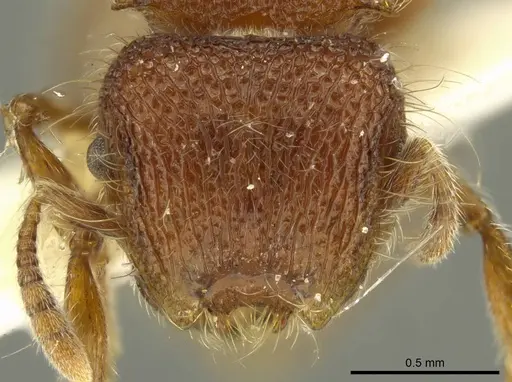
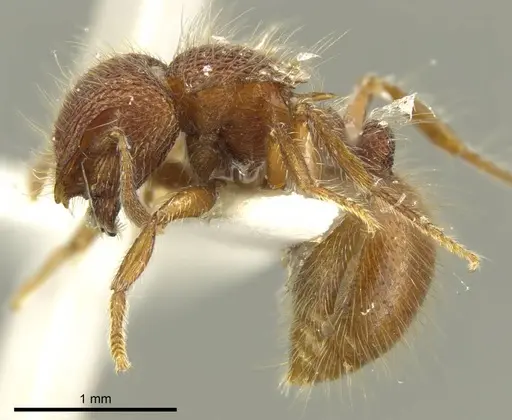
Meranoplus wilsoni is a small myrmicine ant native to eastern Australia, ranging from the Northern Murray-Darling Basin to northeast coastal Queensland . Workers measure 4.60-5.35 mm in total length and are uniformly brown with a wide, flat promesonotum and medium-length propodeal spines . They nest in the ground and are granivorous, collecting seeds as food . This species is part of the Meranoplus diversus group and was named after myrmecologist Edward O. Wilson .
Quick Summary
- Difficulty: Medium
- Origin & Habitat: Eastern Australia, from the Northern Murray-Darling Basin to northeast coastal Queensland. They live in natural habitats including Casuarina scrub and woodland areas [1].
- Colony Type: Colony structure is not well documented. Based on typical Meranoplus patterns, they likely form single-queen colonies.
- Size & Growth:
- Queen: Not documented in available literature, queen measurements unavailable
- Worker: 4.60-5.35 mm total length [1]
- Colony: Unknown, no colony size data available
- Growth: Unknown
- Development: Unknown, no direct measurements available. Based on typical Meranoplus patterns, expect 6-10 weeks at warm temperatures. (Development timeline is unconfirmed. Related Meranoplus species typically develop in 6-10 weeks at optimal temperatures.)
- Antkeeping:
- Temperature: Temperature requirements are not well studied. Based on their Australian distribution, aim for warm conditions around 24-28°C. A heating cable on one side of the nest can create a suitable gradient.
- Humidity: Based on their ground-nesting habit, they likely prefer moderate humidity. Keep the nest substrate consistently moist but not waterlogged, with some drier areas available.
- Diapause: Unknown for this specific species. Australian Meranoplus may reduce activity during cooler months but true hibernation is unlikely given their tropical/subtropical range.
- Nesting: They naturally nest in the ground [1]. In captivity, a naturalistic setup with soil or a Y-tong/plaster nest works well. Provide them with fine substrate they can move and tunnel through.
- Behavior: These ants are not known to be aggressive. They have a smear defense mechanism, typical of Myrmicinae, where they use a modified stinger to wipe venom onto enemies. They are granivorous, collecting seeds as a primary food source in the wild [1]. Workers are moderately active foragers. Their small size (under 6mm) means escape prevention is important, use tight-fitting lids and fine mesh barriers.
- Common Issues: development timeline is unknown, beginners may struggle without clear growth expectations, humidity balance can be tricky, too wet causes mold, too dry causes desiccation, granivorous diet may be harder to provide than typical protein feeders, wild-caught colonies may have parasites that affect survival in captivity, limited availability in the antkeeping hobby makes this a challenging species to acquire
Nest Preferences and Housing
Meranoplus wilsoni naturally nests in the ground [1], so a naturalistic setup with soil or a plaster/Y-tong nest works best in captivity. They are not arboreal and do not require high ceilings or complex tunnel systems. Provide them with a substrate they can tunnel through, a mix of soil and sand works well. Because they are granivorous, include some fine-grained material they can manipulate. A test tube setup can work for founding colonies, but you should transfer them to a more spacious formicarium once the colony reaches 15-20 workers. The nest should have a water reservoir to maintain humidity without flooding.
Feeding and Diet
In the wild, Meranoplus wilsoni is granivorous, meaning they collect and eat seeds [1]. In captivity, you can offer a variety of seeds including grass seeds, millet, and small bird seed mixes. They will also accept protein sources like small insects (fruit flies, small mealworms) and may take sugar water or honey occasionally. For a balanced diet, offer seeds constantly and protein 2-3 times per week. Remove uneaten seeds periodically to prevent mold.
Temperature and Care
Temperature requirements are not well documented for this species, but their distribution in Queensland, Australia suggests they prefer warm conditions. Aim for temperatures around 24-28°C during the active season. A heating cable placed on one side of the nest creates a temperature gradient that allows the ants to choose their preferred zone. During cooler months, room temperature (around 20-22°C) is likely sufficient. Avoid temperatures below 15°C for extended periods. Monitor colony activity, if workers become sluggish, slightly increase temperature.
Behavior and Temperament
Meranoplus wilsoni is a relatively peaceful ant species. They are not known for aggressive behavior, and they have a smear defense mechanism typical of Myrmicinae, using a modified stinger to wipe venom onto enemies. Workers are moderate foragers and will collect seeds and small prey. Their small size (under 6mm) means they can escape through tiny gaps, so use fine mesh on all openings and apply Fluon or similar barrier products to test tube ports. They are not colony aggressive and can be kept in standard formicaria without special escape-proofing beyond what their size requires. [1]
Colony Development and Growth
The exact development timeline for Meranoplus wilsoni is unknown, as no scientific studies have documented their egg-to-worker time. Based on typical Meranoplus patterns, expect approximately 6-10 weeks from egg to first worker at optimal temperatures (around 26°C). Nanitics (first workers) will likely be smaller than mature workers. Growth rate is likely moderate, do not expect rapid colony expansion. Patience is key with this species. Provide consistent warmth and proper nutrition to support development.
Acquisition and Availability
Meranoplus wilsoni is not commonly available in the antkeeping hobby. This species is native to Australia and may be subject to export restrictions. If available, expect to pay a premium for wild-caught or captive-bred colonies. When acquiring a colony, source from reputable breeders who can provide information about the colony's origin and health. Wild-caught colonies may carry parasites that can affect captive survival, so quarantine and careful observation during the first few months is recommended.
Frequently Asked Questions
How long does it take for Meranoplus wilsoni to produce first workers?
The exact egg-to-worker timeline is unconfirmed for this species. Based on typical Meranoplus patterns, expect 6-10 weeks at optimal temperatures around 26°C. Be patient, growth may be slower than more common species.
What do Meranoplus wilsoni ants eat?
They are granivorous, meaning they eat seeds in the wild [1]. In captivity, offer seeds (grass seeds, millet, small bird seed), small insects for protein, and occasional sugar water or honey. Seeds should be available constantly.
Can I keep Meranoplus wilsoni in a test tube?
You can start a founding colony in a test tube, but transfer them to a formicarium with soil or a plaster nest once the colony reaches 15-20 workers. They need space to tunnel and store seeds.
Do Meranoplus wilsoni ants sting?
They are not known for having a painful sting. Meranoplus species are generally peaceful and use a smear defense mechanism rather than piercing stings.
What temperature do Meranoplus wilsoni need?
Based on their Queensland distribution, aim for 24-28°C. A heating cable on one side of the nest creates a gradient. Room temperature (20-22°C) is acceptable during cooler periods.
Are Meranoplus wilsoni good for beginners?
This species is not ideal for beginners. Limited availability, unknown development timeline, and specific granivorous diet make it a challenging species. Start with more common species like Lasius or Camponotus before trying Meranoplus.
How big do Meranoplus wilsoni colonies get?
Colony size is not documented in available literature. Based on related species, expect moderate colony sizes likely under a few hundred workers.
Do Meranoplus wilsoni need hibernation?
Diapause requirements are unknown. Their tropical/subtropical Australian range suggests they may not need true hibernation, but they may reduce activity during cooler months.
Why are my Meranoplus wilsoni dying?
Common issues include improper humidity (too wet causes mold, too dry causes desiccation), insufficient seed food, and temperature stress. Wild-caught colonies may also carry parasites. Review each parameter and consider if your colony was wild-caught.
When should I move my colony to a formicarium?
Move them when the test tube becomes crowded or when you see 15-20 workers. A naturalistic setup with diggable substrate works best for this ground-nesting species.
Report an Issue
The current care sheet is based fully on literature. See inconsistencies, or something that's incorrect? Please , it will be resolved after review from an admin. Contributing to the blogs tab also helps providing information, to make us be able to further improve the caresheets. Thank you for your support!
References

This caresheet is licensed under CC BY-SA 4.0 .
Community Blogs
CASENT0919727
View on AntWeb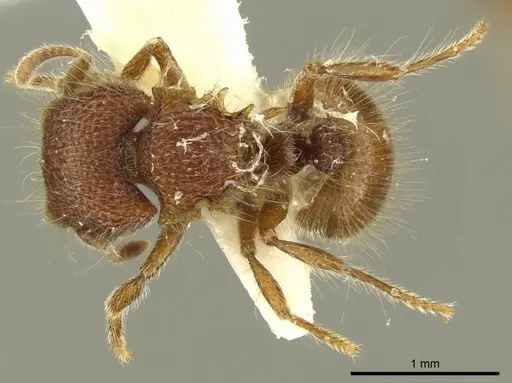
Literature
Loading distribution map...Loading products...