
Meranoplus rugosus
- Sci. Name
- Meranoplus rugosus
- Tribe
- Crematogastrini
- Subfamily
- Myrmicinae
- Author
- Crawley, 1922
- Distribution
- Found in 1 countries
Introduction
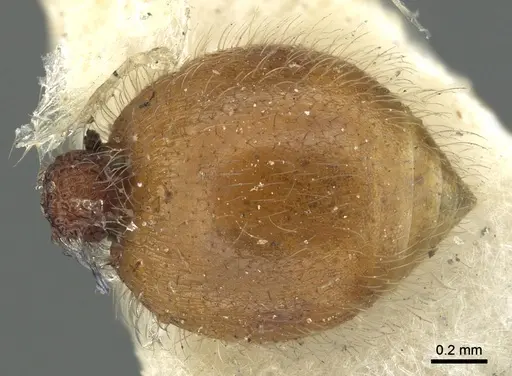
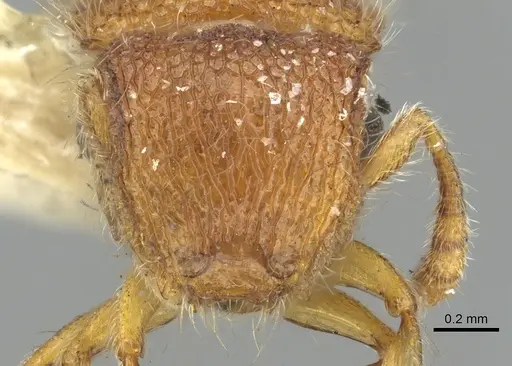
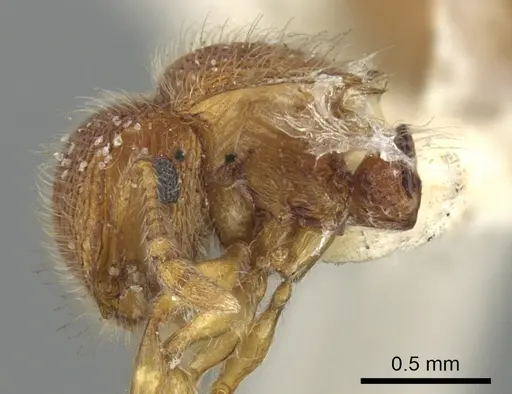
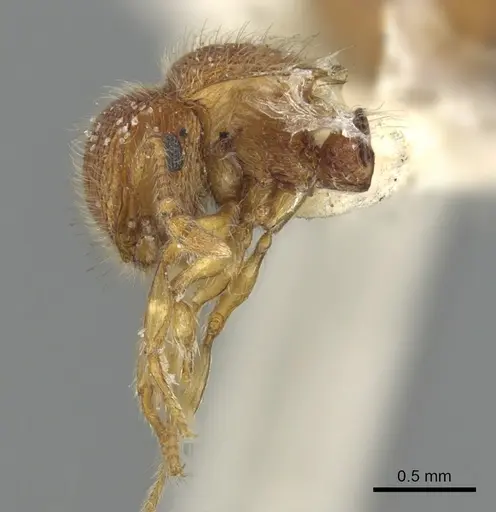
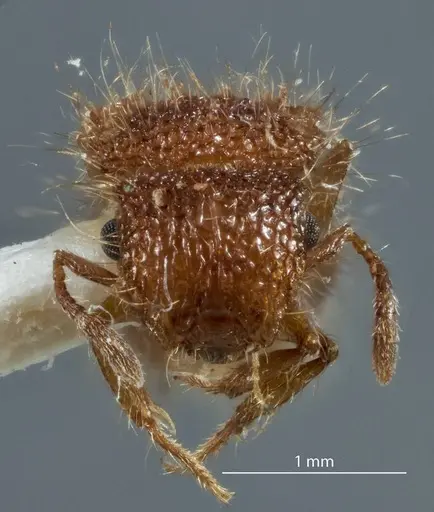
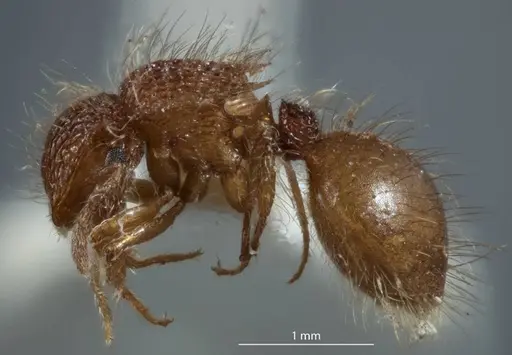
Meranoplus rugosus is a small, orange ant species native to the south-western corner of Western Australia, particularly abundant around Perth . Workers are recognizable by their distinctive features: the gaster has striations on the front portion, and the postpetiole is notably square with a steep front face . This species belongs to the Meranoplus rugosus group, characterized by large translucent windows (fenestrae) on the promesonotal shield . In southwestern Australia, this species has relatively short erect hairs on the promesonotal shield, shorter than the height of the petiole . These ants are among the most common Meranoplus in the Perth area and have adapted well to suburban environments, often nesting directly on lawn areas . The species was originally described as a subspecies of M. hirsutus but was later elevated to full species status .
Quick Summary
- Difficulty: Easy
- Origin & Habitat: South-western Western Australia, particularly the Perth region. They inhabit suburban lawns and open areas with sparse vegetation [1]. This species thrives in Mediterranean climate conditions with warm summers and mild, wet winters.
- Colony Type: Colony structure is not extensively documented in scientific literature.
- Size & Growth:
- Queen: Size data unavailable, inferred from Meranoplus genus patterns (~6-8mm)
- Worker: Small species, approximately 3-5mm, inferred from genus description [1]
- Colony: Colony size data unavailable for this species
- Growth: Growth rate is not specifically documented
- Development: Development timeline is not specifically documented for this species (Development time is typical of Myrmicinae at warm temperatures)
- Antkeeping:
- Temperature: Keep at room temperature, roughly 20-25°C. They tolerate Australian temperate conditions and should do well in most indoor environments.
- Humidity: Moderate humidity is suitable. Being from Western Australia's Mediterranean climate, they prefer drier conditions compared to tropical species. Allow substrate to dry between waterings.
- Diapause: Diapause requirements are not specifically documented for this species. Based on temperate Australian origin, a winter rest period may be beneficial.
- Nesting: In captivity, they do well in test tube setups initially, then transition to soil-based formicariums or naturalistic setups. They nest in soil in the wild and prefer compact substrate they can easily excavate.
- Behavior: Meranoplus rugosus is a ground-nesting ant species. Workers are moderate in size and can deliver a mild sting if threatened, though they are not particularly aggressive. They are likely active foragers. Escape risk is moderate, standard barrier methods should suffice.
- Common Issues: colonies may fail if kept too moist, they prefer drier conditions than many Myrmicinae, wild-caught colonies may contain parasites that can decimate the colony in captivity, founding phase can be slow, avoid disturbance during colony establishment
Housing and Nesting
Meranoplus rugosus is a soil-nesting species that does well in captivity with standard setups. For founding colonies, a simple test tube setup works well, fill with water, plug with cotton, and place the queen in the tube. Once the colony reaches 20-30 workers, consider moving them to a proper formicarium. A soil-based or plaster nest works best as these ants like to excavate and create their own tunnels. Ensure the nest has enough depth for colony expansion but avoid overly large spaces that can stress the colony. A small outworld connected to the nest allows for foraging and waste disposal.
Feeding and Diet
In captivity, offer a variety of seeds including grass seeds, millet, and small bird seed mixes. They also readily accept small insects like fruit flies, pinhead crickets, and mealworms as protein sources. Sugar water, honey, or diluted honey water can be offered occasionally. Feed seeds continuously and offer protein 2-3 times per week. Remove uneaten seeds periodically to prevent mold. Remove any uneaten prey after 24-48 hours.
Temperature and Seasonal Care
These ants originate from Western Australia's temperate Mediterranean climate and do well at room temperature (20-25°C). They can tolerate brief temperature fluctuations but should be kept away from direct heat sources or cold drafts. During winter, the colony may naturally slow down. In captivity, you can provide a cool period (10-15°C) for 2-3 months during winter if the colony shows signs of slowing. Reduce feeding during cool periods. Return to normal temperatures gradually in spring.
Behavior and Temperament
Meranoplus rugosus workers are active foragers. They are not particularly aggressive but will defend their nest if threatened. Like most Myrmicinae, they have a stinger though the sting is mild and rarely problematic for humans. Workers communicate using chemical trails and will recruit nestmates to good food sources. These ants are primarily diurnal, being most active during the warmer parts of the day in their natural habitat.
Frequently Asked Questions
How long does it take for Meranoplus rugosus to produce first workers?
Development timeline is not specifically documented for this species. Based on typical Myrmicinae patterns, expect several months from egg to first worker. This can vary depending on temperature.
Do Meranoplus rugosus ants sting?
Yes, they can sting, but the sting is mild and rarely causes significant discomfort for humans. Most keepers report only a minor burning sensation.
What do Meranoplus rugosus eat?
They are generalist foragers. Offer a mix of small seeds as their primary food, supplemented with small insects (fruit flies, pinhead crickets, mealworms) for protein. Occasional sugar water or honey can be offered as a treat.
Do Meranoplus rugosus need hibernation?
Diapause requirements are not specifically documented for this species. Based on their temperate Australian origin, a winter rest period may be beneficial.
Are Meranoplus rugosus good for beginners?
Yes, they are considered a good species for beginners. They are relatively hardy and don't require high humidity. The main challenges are being patient during the founding phase and providing appropriate conditions.
When should I move Meranoplus rugosus to a formicarium?
Move them once the colony reaches 20-30 workers. Before this, a test tube or small container is sufficient. Make sure the formicarium has appropriate substrate depth and moisture levels.
How big do Meranoplus rugosus colonies get?
Colony size data is unavailable for this specific species. Based on typical Meranoplus patterns, colonies can become substantial over several years.
Can I keep multiple Meranoplus rugosus queens together?
This is not recommended. Colony structure is not documented for this species, but combining unrelated queens would likely result in fighting.
What temperature is best for Meranoplus rugosus?
Room temperature (20-25°C) is ideal. They can tolerate a range from roughly 18°C to 28°C. Avoid temperatures above 30°C or below 15°C for extended periods.
Why is my Meranoplus rugosus colony dying?
Common causes include: too much moisture (they prefer drier conditions), disturbance during founding phase, or parasites from wild-caught colonies. Ensure substrate dries between waterings and avoid overhandling the queen during founding.
Report an Issue
The current care sheet is based fully on literature. See inconsistencies, or something that's incorrect? Please , it will be resolved after review from an admin. Contributing to the blogs tab also helps providing information, to make us be able to further improve the caresheets. Thank you for your support!
References

This caresheet is licensed under CC BY-SA 4.0 .
Community Blogs
CASENT0902052
View on AntWeb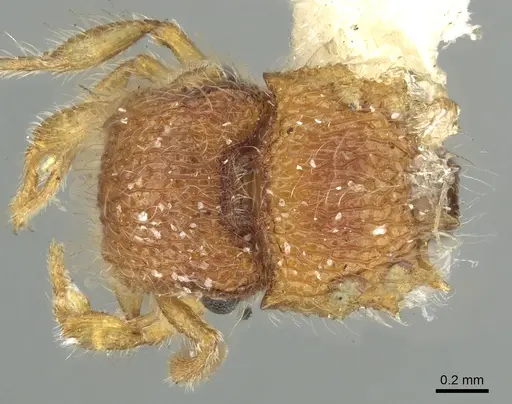
JDM32-003382
View on AntWeb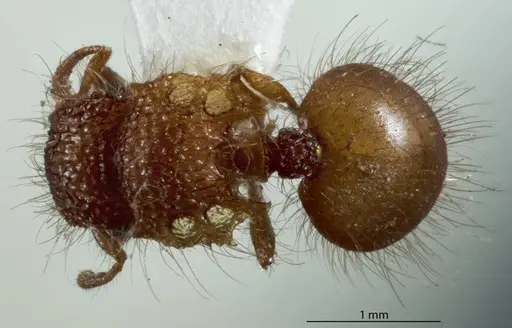
Literature
Loading distribution map...Loading products...