
Meranoplus puryi
- Sci. Name
- Meranoplus puryi
- Tribe
- Crematogastrini
- Subfamily
- Myrmicinae
- Author
- Forel, 1902
- Distribution
- Found in 1 countries
Introduction
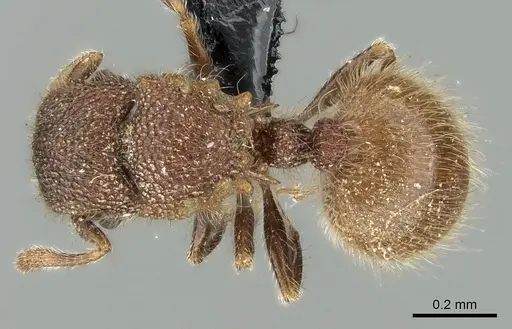
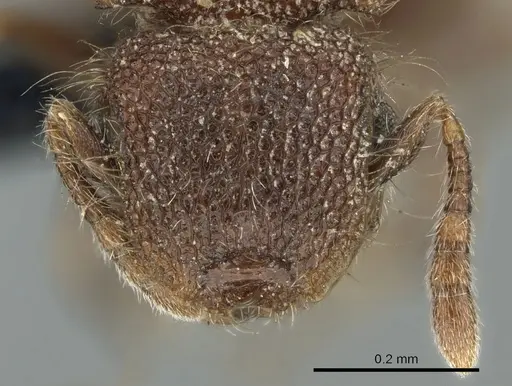
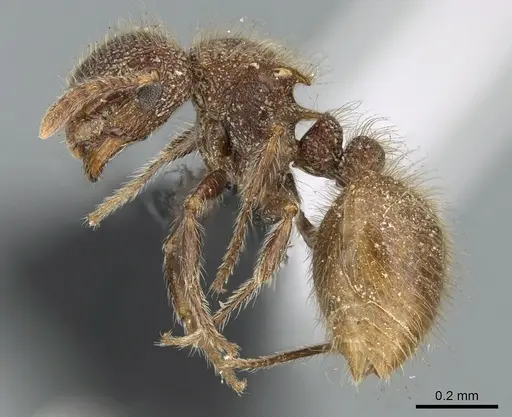
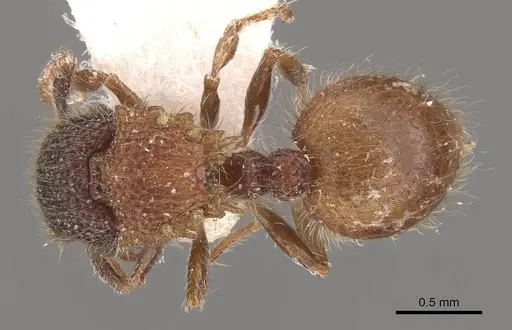
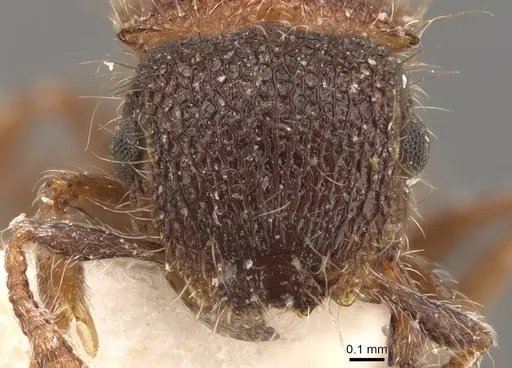
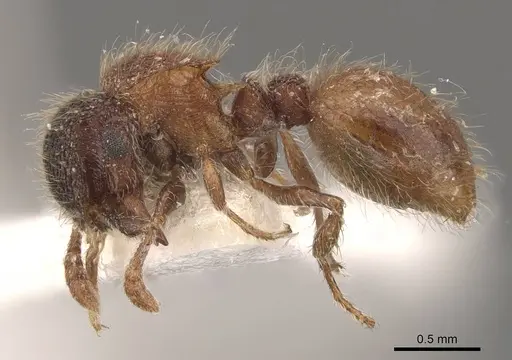
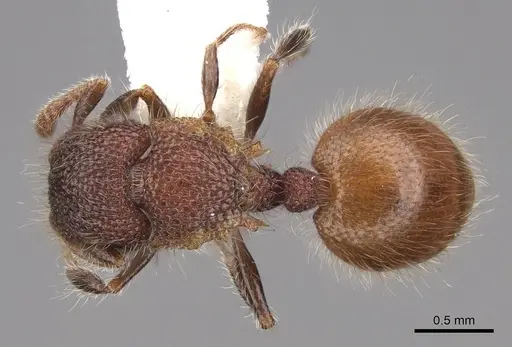
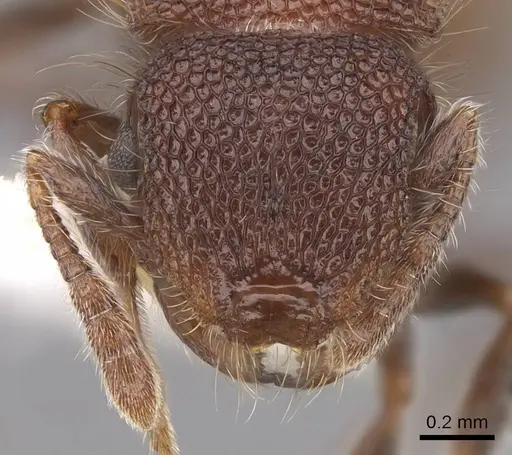
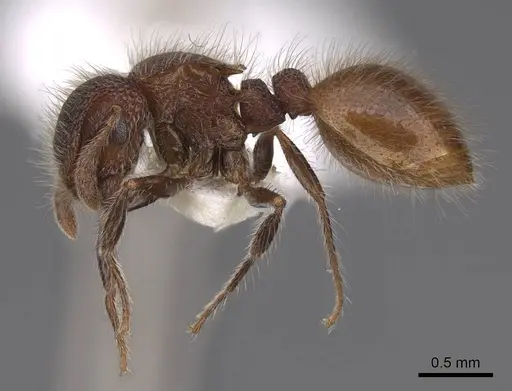
Meranoplus puryi is a small myrmicine ant native to southeastern Australia, specifically Victoria and New South Wales. Workers measure approximately 3.3mm and queens reach around 4.6mm in total length . They have a distinctive appearance with characteristically long propodeal spines and a brown coloration with the head typically darker than the rest of the body. The promesonotal shield is notably wide and overhangs the sides of the alitrunk, giving them a somewhat armored look typical of the Meranoplus genus. These ants occur primarily in higher rainfall forested habitats in temperate Australia . The biology of M. puryi remains poorly documented in scientific literature, but available evidence suggests they are ground-nesting ants . As part of the M. puryi species complex, they represent a relatively understudied ant species in the Australian fauna. Their distribution includes the Yarra district in Victoria (the type locality around 37°S 145°E) and extends through New South Wales. This species is one of only three known Meranoplus species in Tasmania, though the mainland populations are more extensive.
Quick Summary
- Difficulty: Medium
- Origin & Habitat: Southeastern Australia (Victoria, New South Wales), in higher rainfall forested habitats [2][1]
- Colony Type: Colony structure is unconfirmed, no specific data on queen number is available. Based on typical Meranoplus patterns, colonies are likely single-queen.
- Size & Growth:
- Queen: 4.43-4.80mm (approximately 4.6mm) [1]
- Worker: 2.93-3.48mm (approximately 3.3mm) [1]
- Colony: Unknown, no colony size data available
- Growth: Unknown, growth rate has not been studied
- Development: Development timeline is unconfirmed for this species. (No specific data exists for M. puryi development. Temperature-dependent development can be inferred from typical Myrmicinae patterns.)
- Antkeeping:
- Temperature: Keep at room temperature, roughly 20-25°C. This aligns with their temperate Australian distribution in higher rainfall regions.
- Humidity: Moderate to high humidity is likely preferred given their distribution in higher rainfall forested habitats. Keep the nest substrate consistently moist but not waterlogged.
- Diapause: Likely yes, based on temperate Australian distribution, they probably require a winter rest period. However, specific diapause requirements are unconfirmed.
- Nesting: Likely ground-nesting based on label data and typical Meranoplus behavior [1]. A naturalistic setup with soil or a Y-tong/plaster nest with moisture retention would be appropriate.
- Behavior: Behavior is poorly documented for this species. Based on typical Meranoplus behavior, they are generalist foragers that collect honeydew and small insects. Their small size (workers around 3mm) means escape prevention matters, use standard mesh barriers. They are not considered particularly aggressive. Workers likely forage on the ground surface and in lower vegetation. Meranoplus ants have a modified stinger used to smear venom onto enemies rather than pierce flesh.
- Common Issues: limited biological data makes care recommendations somewhat speculative, ground-nesting requirements may conflict with overly dry captive setups, winter diapause needs are unconfirmed but likely necessary for temperate species, small colony sizes may make them vulnerable to disturbance, escape risk is moderate due to small worker size
Nest Preferences and Housing
Meranoplus puryi appears to be a ground-nesting species based on label data from museum specimens and typical behavior of the genus [1]. In captivity, they do well in naturalistic setups with soil substrate or in Y-tong/plaster nests that can retain moisture. Since they come from higher rainfall forested habitats in southeastern Australia, they need more humid conditions than desert-dwelling ants. A nest that allows for some moisture retention without becoming waterlogged is ideal. Given their small size (workers around 3mm), standard test tubes can work for founding colonies, but established colonies may benefit from more spacious naturalistic setups that mimic their forest floor habitat.
Feeding and Diet
Like most Meranoplus species, M. puryi is likely a generalist forager that collects honeydew from aphids and scale insects, along with small insects and other protein sources. No specific dietary studies exist for this species, but typical Meranoplus diet includes sweet honeydew, nectar, and small arthropods. In captivity, offer sugar water or honey as a constant energy source, along with protein foods like small crickets, mealworms, or fruit flies. Given their small size, prey items should be appropriately sized. They likely forage primarily on the ground and in lower vegetation layers.
Temperature and Seasonal Care
As a species from temperate southeastern Australia (Victoria and New South Wales), M. puryi is adapted to moderate temperatures with distinct seasons. Keep them at room temperature, ideally in the 20-25°C range. They likely experience cooler winters in their native habitat and probably require a diapause period during the colder months. The exact temperature and duration of their winter rest is unconfirmed, but keepers should expect to provide cooler conditions (perhaps 10-15°C) for several months during winter. Avoid keeping them too warm year-round, as this may disrupt their natural cycle. [2]
Behavior and Colony Dynamics
Specific behavioral observations for M. puryi are lacking in scientific literature. However, the genus Meranoplus is generally known for ground-dwelling habits and relatively non-aggressive foraging behavior. Workers are small (around 3mm) and likely forage individually or in small groups rather than forming large raiding columns. The species is part of the M. puryi complex which includes M. minor, and they are characterized by their long propodeal spines and distinctive promesonotal shield morphology [1]. Queens are slightly larger (around 4.6mm) and have been described with specific morphometric measurements. Colonies are likely small to moderate in size based on typical Meranoplus patterns.
Defense Mechanism
Meranoplus puryi belongs to the Myrmicinae subfamily and Crematogastrini tribe. These ants have a modified, flattened spatulate stinger used to wipe or smear venom onto enemies rather than piercing flesh. This is a characteristic defense mechanism of the tribe.
Difficulty and Keeper Experience
M. puryi is rated as Medium difficulty for antkeepers. The primary challenge is the limited biological data available, very little has been documented about their specific care requirements, colony development, or behavior in captivity. Keepers will need to rely somewhat on genus-level knowledge and be prepared to experiment with conditions. That said, as a temperate Australian species with likely generalist habits, they should be manageable for keepers with some experience. The main requirements appear to be moderate humidity, room-temperature housing with winter cooling, and standard protein/sugar feeding.
Frequently Asked Questions
How long does it take for Meranoplus puryi to have first workers?
The exact development timeline is unconfirmed for this species. No specific data exists for M. puryi development.
What do Meranoplus puryi ants eat?
They are likely generalist foragers. Offer sugar water or honey as a constant energy source, along with small protein sources like fruit flies, small crickets, or mealworms. They probably also collect honeydew in nature, so sugar sources are important.
Do Meranoplus puryi ants sting?
Meranoplus species have a modified stinger used to smear venom onto enemies. Given the tiny size of these ants (workers around 3mm), any sting would be very mild and unlikely to penetrate human skin significantly. They are not considered dangerous to humans.
Can I keep Meranoplus puryi in a test tube?
Yes, test tubes work well for founding colonies. Use standard test tube setups with a water reservoir. As colonies grow, consider moving them to a more spacious naturalistic setup or Y-tong nest that can maintain humidity better.
Do Meranoplus puryi need hibernation?
Likely yes, as a temperate Australian species from Victoria and New South Wales, they probably require a winter rest period. Provide cooler temperatures (10-15°C) for several months during winter. The exact requirements are unconfirmed.
How big do Meranoplus puryi colonies get?
Colony size is unknown, no data exists on maximum colony size for this species. Based on typical Meranoplus patterns, colonies are likely small to moderate.
Are Meranoplus puryi good for beginners?
They are rated as Medium difficulty. The main challenge is the limited documented care information. They may not be the best first ant, but they are manageable for keepers with some experience.
What temperature should I keep Meranoplus puryi at?
Keep them at room temperature, roughly 20-25°C. This matches their temperate Australian distribution.
Where is Meranoplus puryi found?
They are native to southeastern Australia, specifically Victoria and New South Wales. The type locality is the Yarra district in Victoria (around 37°S 145°E). They occur in higher rainfall forested habitats.
When do Meranoplus puryi have nuptial flights?
Nuptial flight timing is unconfirmed. For temperate Australian ants, flights typically occur during the warmer months (spring to early autumn).
Report an Issue
The current care sheet is based fully on literature. See inconsistencies, or something that's incorrect? Please , it will be resolved after review from an admin. Contributing to the blogs tab also helps providing information, to make us be able to further improve the caresheets. Thank you for your support!
References

This caresheet is licensed under CC BY-SA 4.0 .
Community Blogs
Literature
Loading distribution map...Loading products...