
Meranoplus castaneus
- Sci. Name
- Meranoplus castaneus
- Tribe
- Crematogastrini
- Subfamily
- Myrmicinae
- Author
- Smith, 1857
- Distribution
- Found in 3 countries
Introduction
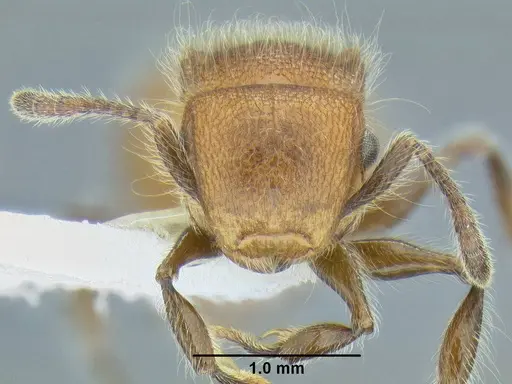
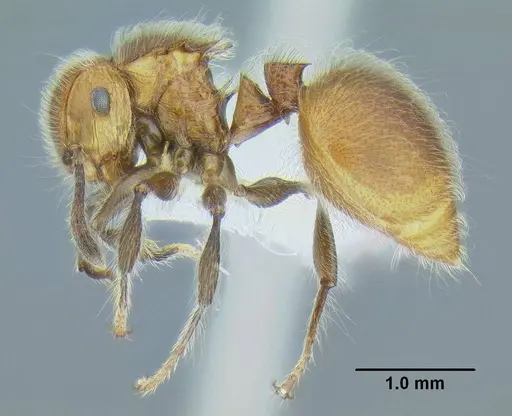
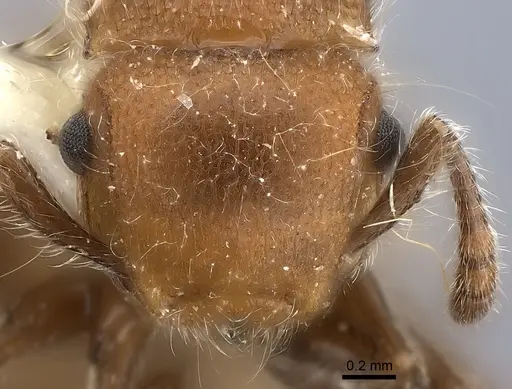
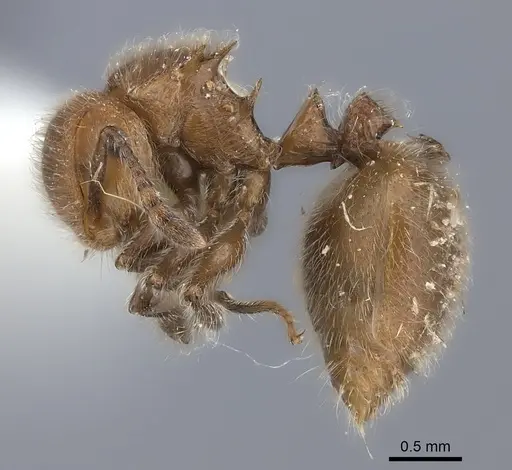
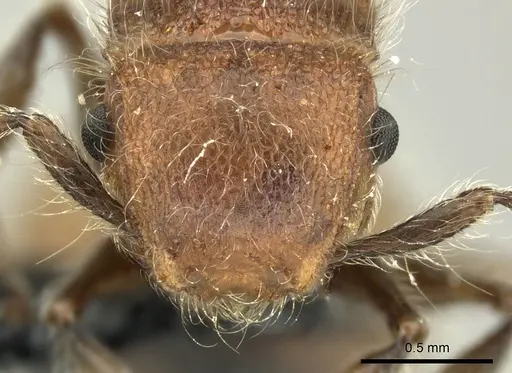
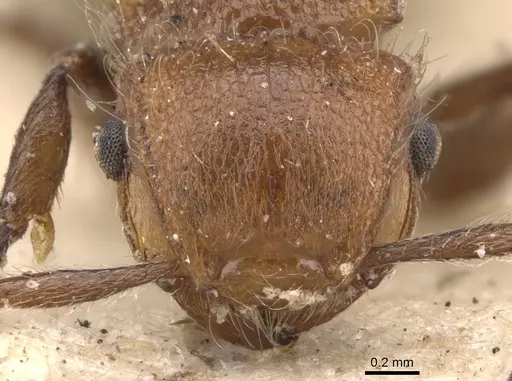
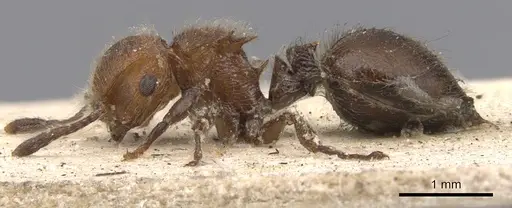
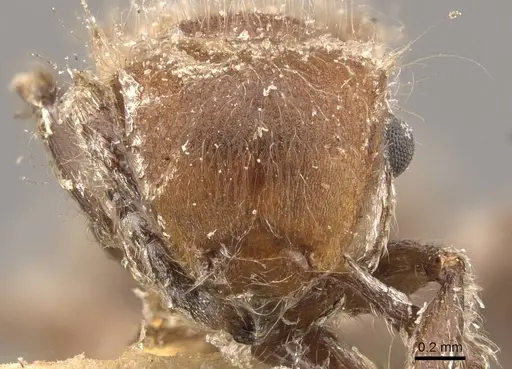
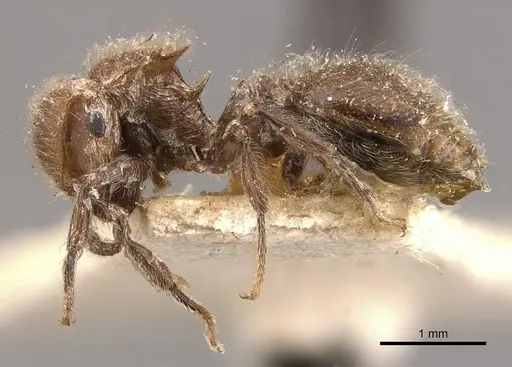
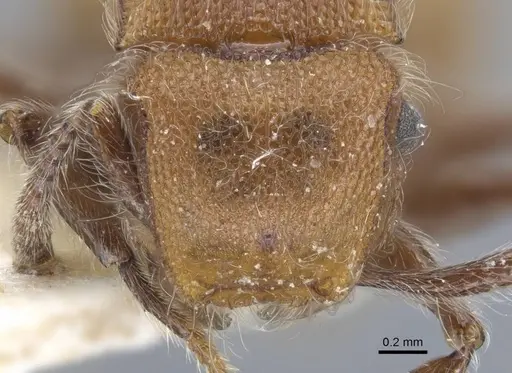
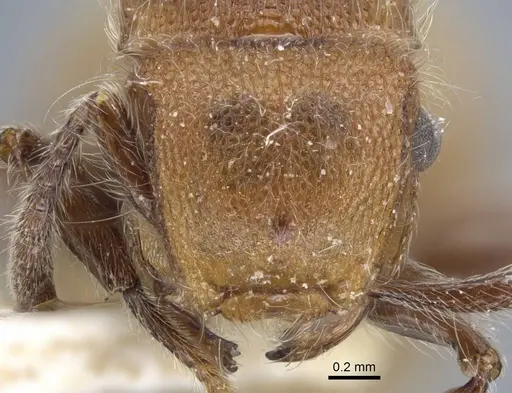
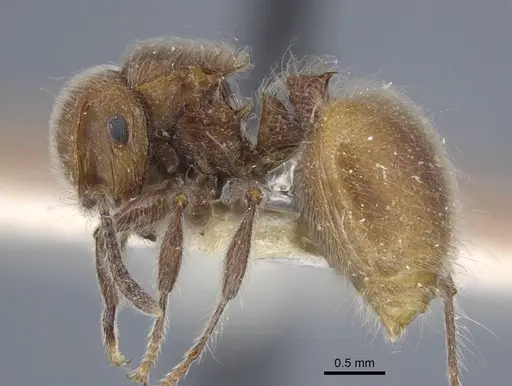
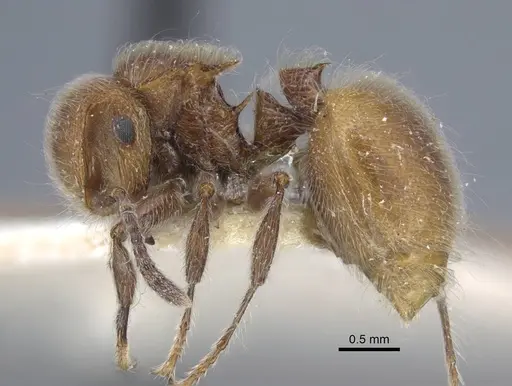
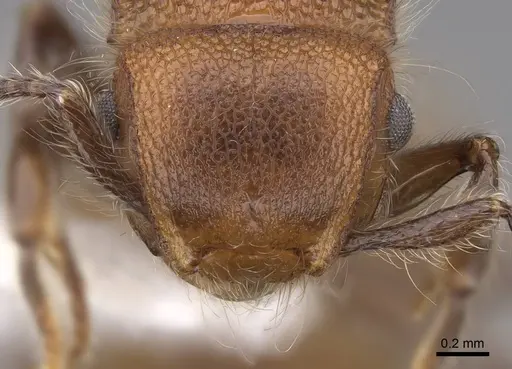
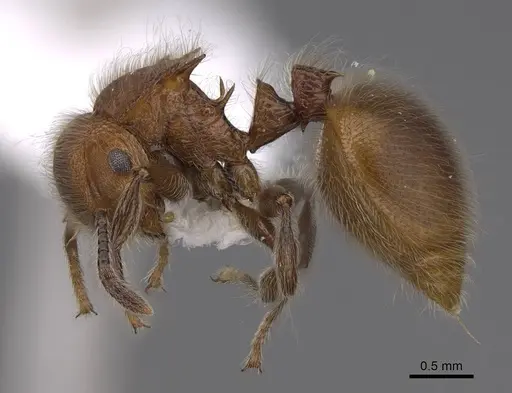
Meranoplus castaneus is a small arboreal ant species native to Southeast Asia, found in Borneo, Malaysia, Indonesia, Thailand, and Brunei . Workers measure 4.5-5.1 mm total length and have a greyish brown body with a promesonotum that overhangs the alitrunk, two slender propodeal spines, and a distinctly bidentate petiole . This species nests in dead branches high in the rainforest canopy, typically 25-35 meters above ground .
Quick Summary
- Difficulty: Medium
- Origin & Habitat: Southeast Asian rainforests in Borneo, Malaysia, Indonesia, Thailand, and Brunei. Found in evergreen forests, swamp forests, and secondary forest, typically high in the canopy [2][3][4].
- Colony Type: Colony structure is unconfirmed. No specific research on queen number or social structure.
- Size & Growth:
- Queen: Size data unavailable, no total length measurements in research
- Worker: 4.5-5.1 mm [1]
- Colony: Unknown, no colony size data in research
- Growth: Unknown, no growth rate data in research
- Development: Unknown, no development timeline data in research (Development specifics are not documented for this species)
- Antkeeping:
- Temperature: Based on tropical habitat inference, keep warm around 24-28°C. Room temperature may suffice if stable in low-to-mid 20s°C.
- Humidity: Keep nest substrate consistently moist but not waterlogged, based on rainforest habitat inference. Provide a water tube for drinking.
- Diapause: No, as a tropical species, they do not require hibernation. Keep temperatures stable year-round.
- Nesting: Arboreal setup is ideal, they naturally nest in dead branches in the canopy [2]. Use vertical structures like cork bark or twigs in a naturalistic terrarium.
- Behavior: Generally peaceful and non-aggressive, based on typical Meranoplus genus patterns. Workers forage on tree trunks and canopy vegetation. Escape risk is moderate due to small size, standard barrier precautions are sufficient.
- Common Issues: arboreal nature requires vertical space and climbing structures, standard horizontal formicariums may not suit them., high humidity needs can lead to mold if ventilation is poor., wild-caught colonies may be stressed from collection, leading to initial mortality., their arboreal lifestyle means they may underuse ground-level foraging areas.
Housing and Nest Setup
Meranoplus castaneus is an arboreal species, so provide a setup with vertical space. In the wild, they nest in dead branches high in the canopy [2]. Use a naturalistic terrarium with cork bark, twigs, or a Y-tong nest with climbing structures. Avoid deep soil layers as they are not ground-dwelling.
Feeding and Diet
Based on typical arboreal ant patterns, these ants are likely omnivorous. Offer sugar sources like honey or sugar water constantly. For protein, provide small live prey such as fruit flies or pinhead crickets. Feed every 2-3 days and remove uneaten food to prevent mold.
Temperature and Humidity
As a tropical species, keep temperatures warm around 24-28°C. Maintain high humidity by keeping the nest substrate moist but not waterlogged. Use a water tube for drinking and ensure adequate ventilation to prevent mold.
Behavior and Colony Dynamics
Workers are generally peaceful and forage on tree trunks and canopy vegetation [5]. Colonies are likely moderate in size, but exact sizes are unknown. They utilize vertical space extensively, so ensure the enclosure allows for climbing.
Seasonal Care
As a tropical species, no hibernation is required. Keep temperatures and humidity stable year-round. Avoid sudden temperature drops that could stress the colony.
Frequently Asked Questions
Can I keep Meranoplus castaneus in a test tube?
A test tube setup can work for founding colonies, but this arboreal species will do better with vertical climbing space. Mount test tubes vertically or at an angle for better movement.
What is the best nest type for Meranoplus castaneus?
A naturalistic terrarium with cork bark, branches, and vertical structures is ideal, as they nest in dead branches in the canopy [2].
How long until first workers in Meranoplus castaneus?
Exact development time is unknown for this species. No research data is available on egg-to-worker timeline.
Do Meranoplus castaneus ants sting?
They are not known to be particularly defensive or to have a painful sting. As small Myrmicinae, they likely have a stinger but it is ineffective on human skin.
Are Meranoplus castaneus good for beginners?
This is a medium-difficulty species due to arboreal nature and humidity needs. Better suited for antkeepers with some experience.
What do Meranoplus castaneus eat?
They are omnivorous. Offer sugar sources and small live prey like fruit flies or crickets.
Do Meranoplus castaneus need hibernation?
No, as a tropical species, they do not require hibernation.
Why are my Meranoplus castaneus dying?
Common causes include low humidity, temperatures below 22°C, mold from poor ventilation, or stress from wild collection. Ensure stable tropical conditions and adequate ventilation.
When should I move Meranoplus castaneus to a formicarium?
Move them when the founding setup becomes crowded. Choose a formicarium with vertical climbing space.
Can I keep multiple queens together?
Colony structure is unconfirmed. Combining unrelated queens is not recommended as it has not been documented.
Report an Issue
The current care sheet is based fully on literature. See inconsistencies, or something that's incorrect? Please , it will be resolved after review from an admin. Contributing to the blogs tab also helps providing information, to make us be able to further improve the caresheets. Thank you for your support!
References

This caresheet is licensed under CC BY-SA 4.0 .
Community Blogs
CASENT0106276
View on AntWeb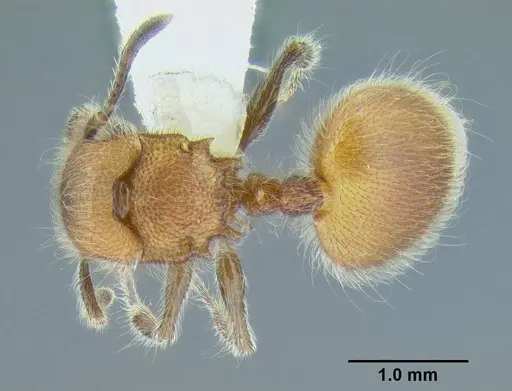
CASENT0217855
View on AntWeb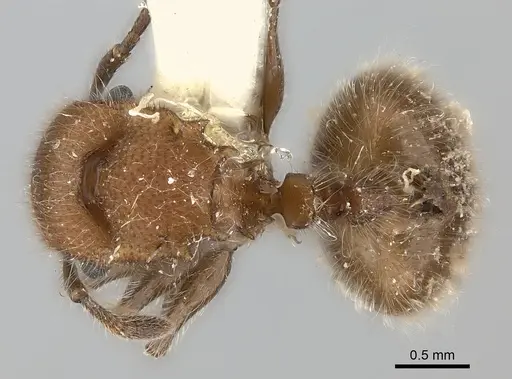
CASENT0270020
View on AntWeb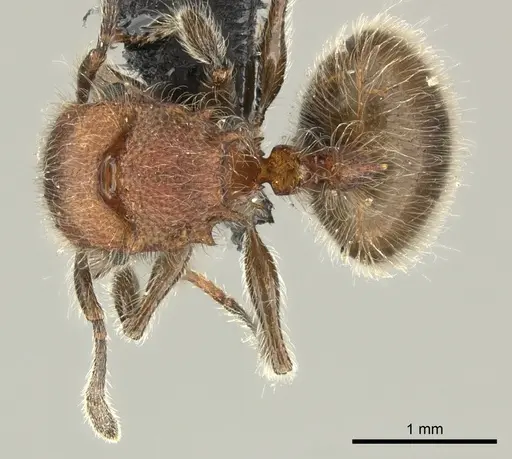
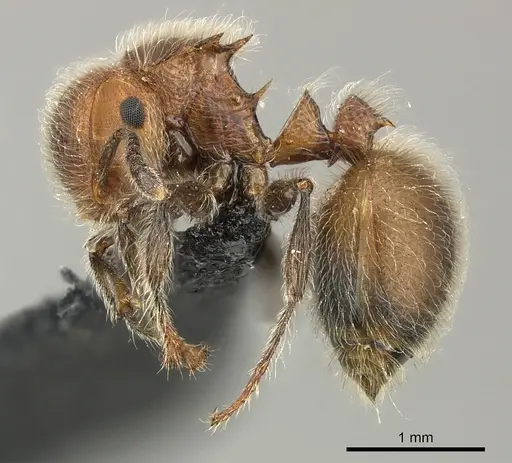
CASENT0901456
View on AntWeb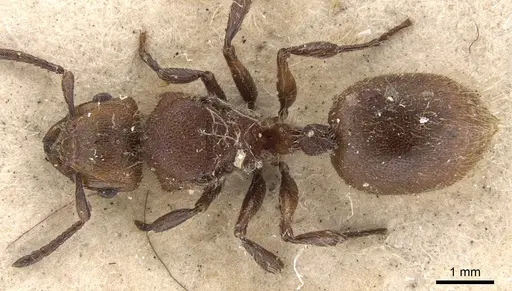
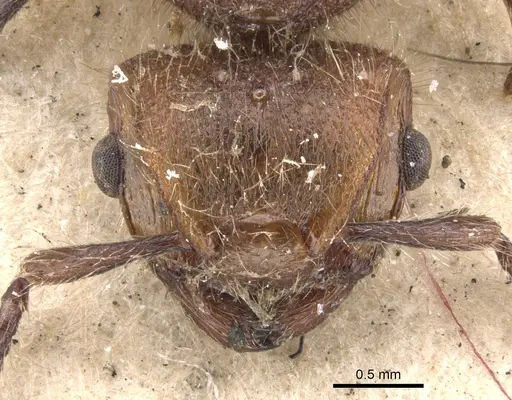
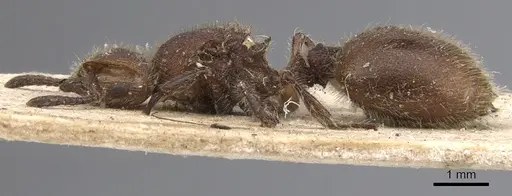
CASENT0901457
View on AntWeb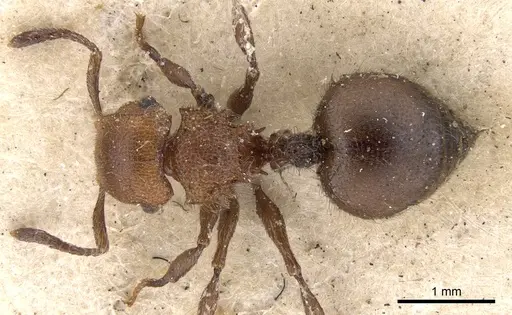
CASENT0908935
View on AntWeb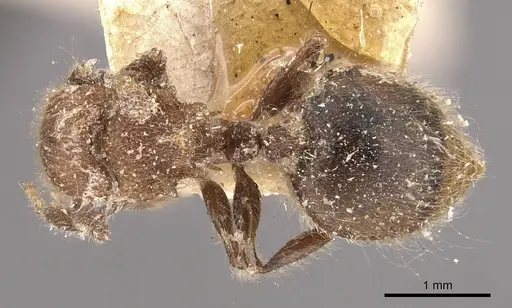
CASENT0917026
View on AntWeb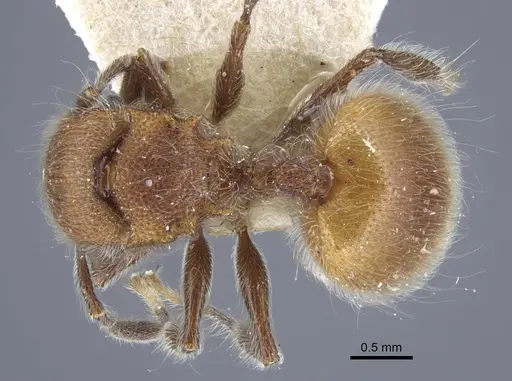
CASENT0922932
View on AntWeb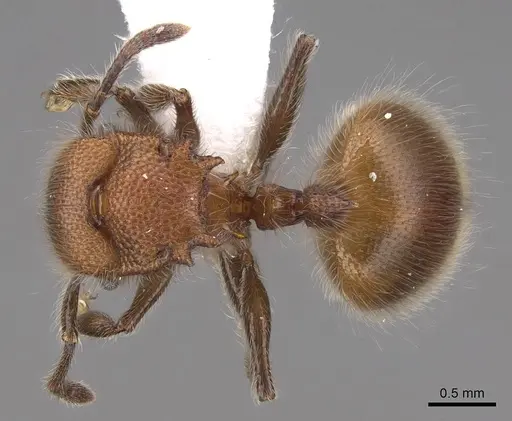
Literature
Loading distribution map...Loading products...