
Melophorus kuklos
- Sci. Name
- Melophorus kuklos
- Tribe
- Melophorini
- Subfamily
- Formicinae
- Author
- Heterick <i>et al.</i>, 2017
- Distribution
- Found in 1 countries
Introduction
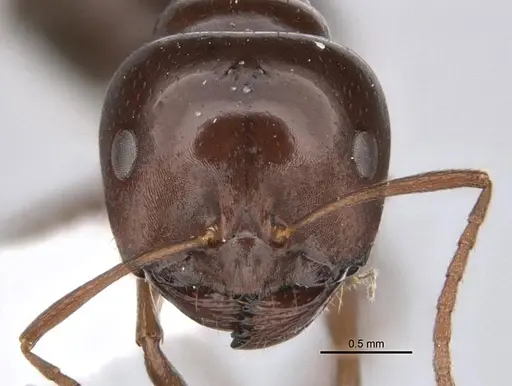
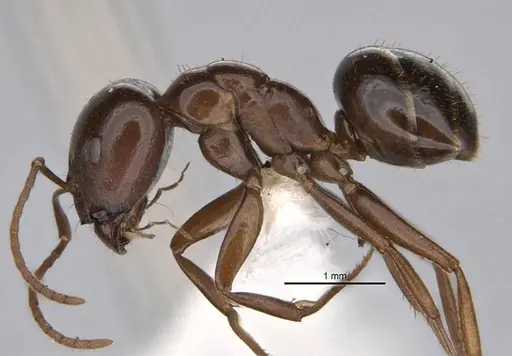
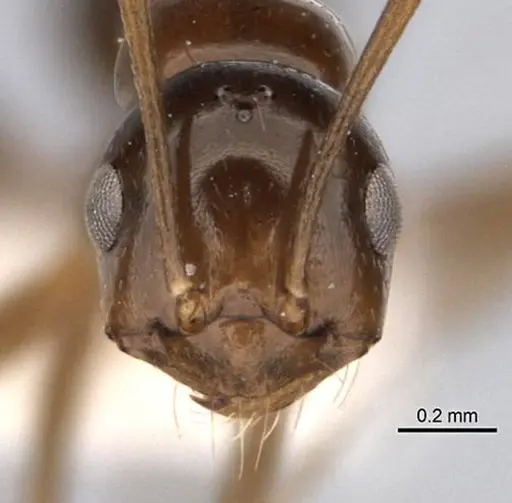
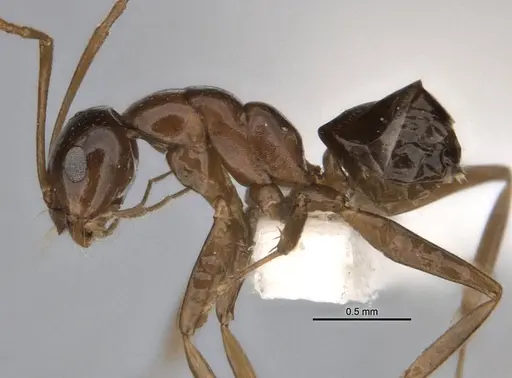
Melophorus kuklos is an Australian ant species belonging to the Formicinae subfamily, part of the Melophorini tribe. First described in 2017,these ants are named after the Greek word 'kuklos' meaning 'circle' due to their distinctive rounded body outline. Major workers have a distinctive deeply notched or forked clypeus (the plate covering the mouthparts) with a pronounced ledge that projects over the mandibles. Minor workers have a compact, strongly arcuate mesosoma that gives them a distinctive curved profile. The tibiae have distinctive stout, socketed, appressed setae. Found primarily across the Northern Territory of Australia from Arnhem Land in the far north to the West MacDonnell Ranges near Alice Springs, with isolated records from Western Australia including Augustus Island and Yampi Island Station. Samples have been collected from diverse habitats including rocky outcrops, eucalypt savannah, and rainforest, suggesting flexible ecological requirements .
Quick Summary
- Difficulty: Medium
- Origin & Habitat: Northern Territory, Australia with isolated records from Western Australia (Augustus Island and Yampi Island Station). Found in diverse habitats including rocky outcrops, eucalypt savannah, and rainforest [1][2].
- Colony Type: Unconfirmed, colony structure has not been directly studied
- Size & Growth:
- Queen: Size data unavailable, no direct measurements exist for queens
- Worker: Size data unavailable, the context provides head measurements (HW 0.61-1.57mm) but not total body length. Based on genus patterns, Melophorus workers typically range 3-6mm
- Colony: Unknown, no documented colony sizes for this species
- Growth: Unknown, development has not been directly studied
- Development: Unknown, no species-specific data available (Development timeline is unconfirmed for this species)
- Antkeeping:
- Temperature: Keep nest around 24-28°C, these are Australian ants from tropical to arid regions and prefer warm conditions. Provide a temperature gradient allowing workers to self-regulate.
- Humidity: Adaptable based on collection data, found in both drier savannah and more humid rainforest areas. Keep nest substrate moderately moist with some drier areas available.
- Diapause: Unknown, Australian ants from tropical regions may have reduced activity rather than true dormancy. Monitor colony behavior.
- Nesting: Y-tong (AAC) nests or plaster nests work well. In nature they likely nest in soil or under stones. Provide chambers scaled to their small size.
- Behavior: Workers are small and active. Escape prevention is important due to their small size, use fine mesh barriers. They are likely generalist foragers, collecting nectar and small prey. Foraging activity is typically diurnal.
- Common Issues: small size means escape prevention must be excellent, use tight-fitting lids and fine mesh, many care aspects are not well-documented, monitor colony response and adjust accordingly, limited availability in the antkeeping hobby means established care protocols are rare, size data is limited, exact measurements for queens and full colony development are unknown
Housing and Nest Setup
Melophorus kuklos is a small ant species, so nest chambers should be appropriately scaled. Y-tong (AAC) nests or plaster nests work well for this species, providing the ability to maintain stable humidity. Because they are small, ensure all connections between the nest and outworld are secure, these ants can squeeze through surprisingly small gaps. A test tube setup can work for founding colonies, but be prepared to move them to a proper formicarium once the colony reaches 20-30 workers. The outworld should have a small foraging area relative to the nest size to help workers find food efficiently. Use a water test tube connected to the nest for humidity control. [1]
Feeding and Diet
Like most Melophorus species, M. kuklos is likely a generalist feeder. Offer sugar water or honey as a constant energy source, a cotton ball soaked in sugar water placed in the outworld works well. For protein, provide small insects such as fruit flies, small crickets, or mealworm pieces. Given their small size, prey items should be appropriately sized, tiny insects or pre-killed arthropods are ideal. They may also collect honeydew from aphids if kept in a naturalistic setup. Feed protein sources 2-3 times per week, and remove any uneaten prey after 24 hours to prevent mold. [1]
Temperature and Seasonal Care
Melophorus kuklos comes from the Australian monsoonal tropics and adjacent arid regions, so they prefer warm conditions. Aim for a nest temperature of 24-28°C during the active season. A heating cable on one side of the nest can create a beneficial gradient, but ensure part of the nest remains unheated so workers can regulate their temperature. Reduce temperatures slightly during the Australian winter (roughly May-August in the Southern Hemisphere) but true hibernation requirements are unknown for this species. Do not feed during periods of reduced activity. [1]
Behavior and Colony Dynamics
This species shows the distinctive rounded (arcuate) body profile that gives it the species name 'kuklos' (Greek for circle). Workers are small and active, typically foraging during daylight hours. They are generally non-aggressive and unlikely to bite or sting humans. The colony will establish a clear division of labor with the queen remaining in the nest chamber and workers handling all foraging, brood care, and nest maintenance. [1]
Growth and Development
The development timeline for M. kuklos has not been directly studied. Expect colonies to develop slowly at first. The first generation of workers (nanitics) will typically be smaller than subsequent workers. Be patient with founding colonies and avoid disturbing the queen unnecessarily. Consistent warmth and proper feeding will support healthy development. [1]
Frequently Asked Questions
How long does it take for Melophorus kuklos to produce first workers?
The exact timeline is not documented. Based on typical Formicinae development, expect several months from egg to first worker at optimal temperature (around 24-28°C). The first workers (nanitics) will be smaller than normal workers.
What do Melophorus kuklos ants eat?
They are generalist feeders. Offer sugar water or honey as a constant energy source, and protein sources like small insects (fruit flies, small crickets, mealworm pieces) 2-3 times per week.
What temperature do Melophorus kuklos ants need?
Keep nest temperatures around 24-28°C. They prefer warm conditions and come from Australian tropical to arid regions. A temperature gradient is ideal so workers can self-regulate.
Do Melophorus kuklos ants need hibernation?
Diapause requirements are unknown. Australian ants from tropical regions may have reduced activity rather than true dormancy. Monitor your colony and adjust temperatures during the Australian winter (May-August) if you notice reduced activity.
How big do Melophorus kuklos colonies get?
Maximum colony size is not documented for this species.
Can I keep multiple Melophorus kuklos queens together?
Colony structure has not been studied for this species. It is not recommended to combine unrelated queens as aggressive interactions are likely.
Are Melophorus kuklos ants good for beginners?
They are rated as medium difficulty. Their small size requires good escape prevention, and many aspects of their care are not well-documented, which can make them slightly challenging for complete beginners.
When should I move Melophorus kuklos to a formicarium?
Start them in a test tube setup. Once the colony reaches 20-30 workers and you see significant brood development, you can consider moving them to a proper formicarium with multiple chambers.
Why are my Melophorus kuklos ants dying?
Common causes include: temperature extremes (too cold or too hot), improper humidity (too dry or waterlogged), insufficient food, or escape through small gaps. Check that your setup maintains appropriate warmth, moderate humidity, and has no escape routes.
Report an Issue
The current care sheet is based fully on literature. See inconsistencies, or something that's incorrect? Please , it will be resolved after review from an admin. Contributing to the blogs tab also helps providing information, to make us be able to further improve the caresheets. Thank you for your support!
References

This caresheet is licensed under CC BY-SA 4.0 .
Community Blogs
ANIC32-900094
View on AntWeb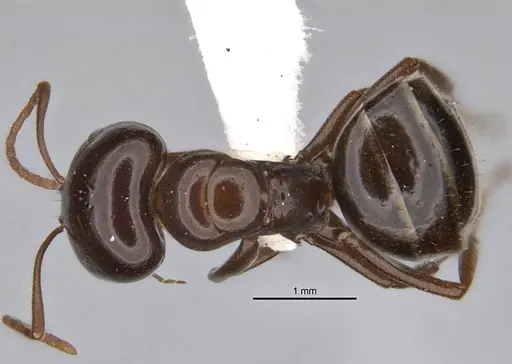
ANIC32-900095
View on AntWeb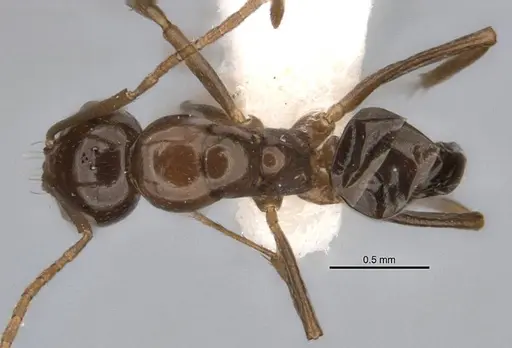
Literature
Loading distribution map...Loading products...